The Dawn of Unified Smart Homes: Understanding Matter
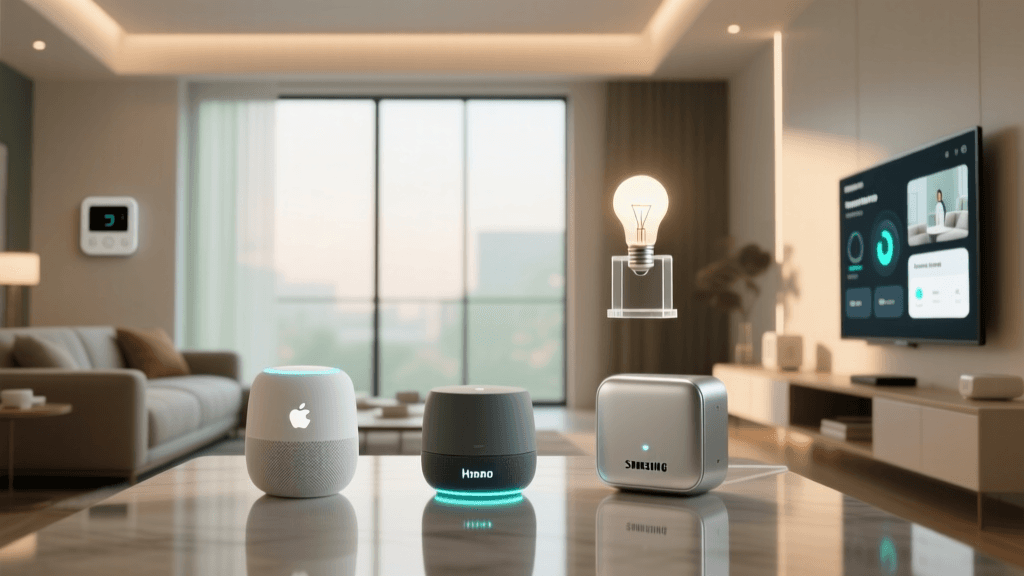
For years, the smart home industry was plagued by fragmentation. Consumers were forced to choose between competing ecosystems like Apple HomeKit, Amazon Alexa, Google Home, and Samsung SmartThings, often resulting in a disjointed experience where devices from different brands refused to communicate. Enter Matter: the great unifier. Developed by the Connectivity Standards Alliance (CSA), Matter is an open-source, royalty-free connectivity protocol designed to make smart home devices work together seamlessly, regardless of the manufacturer or the voice assistant you prefer.
As we navigate the latest wave of smart home releases, Matter-certified devices have shifted from niche tech experiments to mainstream necessities. The new releases focus heavily on local control, drastically reducing latency, and enhancing security through blockchain-like Device Attestation Certificates (DAC). Whether you are upgrading your existing setup or building a smart home from scratch, investing in Matter-ready hardware ensures your devices will remain compatible with future ecosystem updates. In this comprehensive buyer's guide, we break down the best new Matter-ready smart home hubs, endpoints, and upcoming device categories you need to know about.
Core Pillars of the Matter Standard
Before diving into specific product recommendations, it is crucial to understand why Matter represents such a massive leap forward. The standard is built on four core pillars:
- Interoperability: A Matter-certified smart plug bought from a hardware store will work natively with your Apple iPhone, your spouse's Android tablet, and your Amazon Echo speaker simultaneously—a feature known as 'Multi-Admin'.
- Reliability via Local Control: Unlike older cloud-dependent Wi-Fi devices, Matter devices communicate locally over your home network. If your internet goes down, your smart switches and sensors will continue to function flawlessly.
- Security: Matter requires strict cryptographic attestation. Every device must prove its authenticity to the network before being allowed to communicate, significantly reducing the risk of IoT botnets and unauthorized access.
- Thread and Wi-Fi Support: Matter operates over IP networks, primarily utilizing Wi-Fi for high-bandwidth devices (like cameras and displays) and Thread for low-power, battery-operated sensors and lighting.
'Matter is not just another wireless protocol; it is an application layer that sits on top of existing IP-based technologies like Wi-Fi, Ethernet, and Thread, ensuring that the language spoken by your smart home is universally understood.' — CSA Technical Overview
Top New Matter-Certified Smart Hubs and Border Routers
To utilize Matter over Thread, your home requires a Thread Border Router. This device acts as a bridge between the low-power Thread mesh network and your primary Wi-Fi network. Fortunately, many of the newest smart hubs include this technology built right in.
Apple TV 4K (3rd Generation)
For Apple enthusiasts, the latest Apple TV 4K is the ultimate Matter and Thread hub. Equipped with a built-in Thread Border Router and native support for the HomeKit Secure Video and Matter standards, it anchors the Apple Home ecosystem. The new releases feature USB-C remotes and improved internal thermals, but more importantly, they allow for lightning-fast local processing of HomeKit automations. Priced around $129 to $149, it is a premium investment that doubles as a top-tier media streaming device.
Amazon Echo Show 8 (3rd Gen)
Amazon's latest Echo Show 8 is a powerhouse for the Alexa ecosystem. It features an integrated Matter controller and a Zigbee/Thread hub, making it incredibly versatile for users who have a mix of older smart home gear and brand-new Matter releases. The spatial audio and upgraded 13MP camera make it a great smart display for video calls, while its background processing handles complex Alexa Routines locally. Expect to pay around $149, though it frequently goes on sale.
Samsung SmartThings Station
At a remarkably affordable price point (usually around $69), the Samsung SmartThings Station is a dedicated Thread Border Router and Matter controller. It doubles as a fast wireless charger for your smartphone. It is the perfect, low-cost entry point for users who want to build a robust Thread mesh network without buying an expensive smart display or media streamer. It integrates flawlessly with the SmartThings app and supports advanced automations.
Best New Matter Endpoints: Lighting, Plugs, and Sensors
With your hub in place, you can start adding Matter-certified endpoints. The newest releases prioritize energy monitoring, color accuracy, and instant response times.
Eve Energy (Matter over Thread)
Eve has long been a pioneer in HomeKit accessories, and their transition to Matter over Thread has made the Eve Energy smart plug a must-buy. Priced at approximately $49.95, it offers incredibly accurate real-time energy monitoring, allowing you to track the power consumption of your appliances and estimate costs via the Eve app. Because it uses Thread, it doesn't clog up your Wi-Fi network, and it helps extend the range of your Thread mesh.
Nanoleaf Essentials Matter Smart Bulb
Nanoleaf's Essentials line was among the very first to support Thread, and their recent firmware updates have fully unlocked Matter capabilities. Available in both A19 bulb and lightstrip formats (starting around $19.99), these lights offer vibrant color rendering and support for advanced features like Circadian Lighting, which adjusts the color temperature throughout the day to match natural sunlight.
Philips Hue Bridge (Matter Update)
While not a brand-new piece of hardware, the Philips Hue Bridge received a massive over-the-air update enabling Matter support. This means your existing investment in the premium Hue lighting ecosystem can now be bridged directly into Google Home, SmartThings, or Apple Home via Matter, bypassing the need for complex third-party workarounds. The Bridge itself costs around $69.99 and remains the gold standard for reliable, entertainment-synced smart lighting.
Comparison Table: Leading Matter Hubs and Devices
| Device Name | Primary Role | Connectivity Protocol | Ecosystem Compatibility | Estimated Price |
|---|---|---|---|---|
| Apple TV 4K (3rd Gen) | Hub / Border Router | Ethernet, Wi-Fi, Thread | Apple Home, Matter | $129 - $149 |
| Echo Show 8 (3rd Gen) | Smart Display / Hub | Wi-Fi, Zigbee, Thread | Alexa, Matter | $149 |
| SmartThings Station | Hub / Charger | Wi-Fi, Thread | SmartThings, Matter | $69 |
| Eve Energy Plug | Smart Plug / Monitor | Thread | Multi-Admin (Matter) | $49.95 |
| Nanoleaf Essentials Bulb | Color Smart Bulb | Thread, Bluetooth | Multi-Admin (Matter) | $19.99 |
Performance and Pricing: A Visual Breakdown
Understanding the financial investment required to upgrade to a Matter-ready ecosystem is essential for budgeting your smart home. Below is a visual comparison of the average retail prices for the top hubs and endpoints discussed in this guide.
Upcoming Devices: What Matter 1.2 and Beyond Brings
While lighting, plugs, and sensors were the focus of Matter's initial launch, the Thread Group and the CSA have been working tirelessly to expand the protocol's capabilities. The release of Matter 1.2 and the upcoming 1.3 specifications introduce support for entirely new categories of home appliances.
Robot Vacuums and Floor Cleaners
One of the most highly anticipated additions is native support for robot vacuums. Instead of relying on proprietary cloud apps, users will soon be able to command their vacuums to clean specific rooms directly through Apple Home or Google Home, complete with status updates and maintenance alerts.
EV Chargers and Solar Inverters
As the U.S. Department of Energy continues to highlight the importance of home energy management, Matter is stepping up to integrate Electric Vehicle (EV) chargers and solar inverters. This will allow for complex, local automations—such as pausing your EV charging when your home's solar production drops or when the grid experiences peak pricing.
HVAC and Major Appliances
Future updates will bring Matter support to ducted and ductless HVAC systems, refrigerators, and washing machines. This means your smart thermostat will be able to communicate directly with your smart vents and air purifiers to optimize indoor air quality and energy efficiency without needing a cloud server to translate the commands.
Buyer's Guide: How to Prepare Your Network for Matter
Upgrading to Matter devices requires a solid foundational network. Because Matter relies heavily on local IP communication, your home router will see an increase in connected devices. Here is how to prepare:
- Invest in a Mesh Wi-Fi System: Standard ISP-provided routers often struggle to handle more than 30-40 IoT devices. A Wi-Fi 6 or Wi-Fi 6E mesh system ensures you have the bandwidth and IP address allocation necessary to support dozens of Matter over Wi-Fi devices.
- Strategically Place Border Routers: Thread devices form a mesh network, but they still need a Border Router to connect to your main LAN. Place your Apple TVs, Echo Shows, or SmartThings Stations in central locations to ensure maximum Thread coverage throughout your home.
- Enable IPv6: Matter is built natively on IPv6. Ensure that your router has IPv6 enabled on your local network (LAN), as disabling it will break local Matter discovery and pairing.
Final Verdict
The era of smart home walled gardens is officially coming to a close. The best new Matter-ready devices offer unparalleled flexibility, allowing you to buy a product based on its hardware quality and design rather than the logo on the box. For the best hub experience, the Apple TV 4K and Amazon Echo Show 8 remain top-tier choices that double as excellent entertainment devices. If you are looking to dip your toes into Matter endpoints without breaking the bank, the Nanoleaf Essentials Bulb and the Samsung SmartThings Station provide an incredible entry point. By investing in Matter-certified hardware today, you are future-proofing your home against the next decade of smart home innovation.