Introduction to the Google Home Ecosystem
Building a comprehensive smart home requires a robust central nervous system, and the Google Home ecosystem remains one of the most versatile and widely supported platforms available today. Powered by Google Assistant, the ecosystem leverages voice recognition, predictive AI, and seamless integration with Google services to manage thousands of third-party devices. Whether you are automating a single room or outfitting a multi-story property, selecting the right Google Home compatible devices is critical for ensuring low latency, high reliability, and long-term software support.
Unlike closed ecosystems, Google Home supports a vast array of wireless protocols, including Wi-Fi, Bluetooth, Zigbee, and the emerging Matter and Thread standards. This flexibility means homeowners are rarely locked into a single hardware brand. In this complete guide, we will break down the best Google Home compatible devices across major categories, analyze their technical specifications, compare pricing, and explore how the new Matter standard is future-proofing your investments.
Top Google Home Compatible Smart Lighting
Smart lighting is the most common entry point into home automation. For Google Home users, the best lighting setups offer instant response times, deep color saturation, and advanced scheduling capabilities without requiring constant cloud polling.
Philips Hue (White and Color Ambiance)
Philips Hue remains the gold standard for smart lighting. Operating primarily on a Zigbee mesh network via the Hue Bridge, these bulbs offer exceptional reliability and do not congest your home's Wi-Fi network. The standard E26/A19 Color Ambiance bulbs produce up to 1,100 lumens and boast a Color Rendering Index (CRI) that accurately reflects true colors. Through the Google Home app, you can sync Hue lights with Nest cameras for motion-activated security alerts or create 'Good Morning' routines that gradually increase color temperature from 2000K to 5000K.
LIFX Wi-Fi Smart Bulbs
For users who prefer to avoid proprietary hubs, LIFX bulbs connect directly to your 2.4GHz Wi-Fi network. They are significantly brighter than standard competitors, with the LIFX Color A19 pushing an impressive 1,100 lumens and offering 16 million colors. LIFX features native Google Home support, meaning you can use voice commands to trigger built-in effects like 'Flicker' or 'Strobe' without needing third-party IFTTT applets.
Nanoleaf Shapes and Lines
Nanoleaf modular light panels cater to ambient and decorative lighting. The Shapes (Hexagons, Triangles) and Lines kits support Thread, making them excellent border routers for the smart home. They integrate flawlessly with Google Home for voice-controlled color scenes and can mirror desktop displays or react to ambient room audio.
Best Smart Thermostats for Google Home
Climate control accounts for nearly half of the average home's energy bill. Smart thermostats integrated with Google Home not only provide voice control but also utilize geofencing and occupancy sensing to optimize HVAC usage.
Google Nest Learning Thermostat (3rd Gen)
As a first-party device, the Nest Learning Thermostat offers the deepest integration with the Google Home ecosystem. It features a 2.08-inch circular LCD display with a 229 PPI resolution, making it readable from across the room. The 'Auto-Schedule' feature learns your temperature preferences over a week, while 'Home/Away Assist' uses the GPS from your Android or iOS device, combined with Nest sensor data, to drop the temperature when the house is empty. Users can adjust the temperature via Google Assistant by simply saying, 'Hey Google, make it warmer.'
Ecobee SmartThermostat Premium
Ecobee is the premier third-party alternative. The SmartThermostat Premium includes a built-in smart speaker with native Google Assistant support, effectively acting as a Google Nest Mini and a thermostat in one unit. It also comes with a SmartSensor that monitors occupancy and temperature in distant rooms, ensuring that the rooms you are actually using are kept comfortable, rather than just the hallway where the thermostat is mounted.
Security Cameras and Video Doorbells
Security devices require high bandwidth and low latency to stream live feeds to Google Nest Hubs and Chromecast-enabled displays. When selecting a camera, field of view (FOV), resolution, and local processing capabilities are paramount.
Google Nest Cam (Wired)
The wired Nest Cam offers 1080p HD video at 30 frames per second with a 135-degree diagonal FOV. Its standout feature is on-device processing, which allows it to differentiate between people, animals, and vehicles without requiring a Nest Aware subscription. Through Google Home, you can cast the live feed to a Nest Hub Max or use the 'Quick View' feature on smart displays when someone rings the doorbell.
Ring Video Doorbell Pro 2
While Ring is an Amazon-owned company, the Video Doorbell Pro 2 maintains robust Google Home compatibility. It features a groundbreaking 1536p HD resolution with 'Head-to-Toe' video, providing a square aspect ratio that captures packages left on the ground. It requires existing doorbell wiring (16-24 VAC) and integrates with Google Home Routines to flash Hue lights when motion is detected.
Smart Plugs and Switches
Smart plugs and in-wall switches provide automation for 'dumb' appliances and overhead lighting.
- TP-Link Kasa Smart Plug Mini (EP10): Priced around $15-$20 per unit, these Wi-Fi plugs are compact, reliable, and support energy monitoring. They allow you to set schedules for coffee makers or standing lamps directly through the Google Home app.
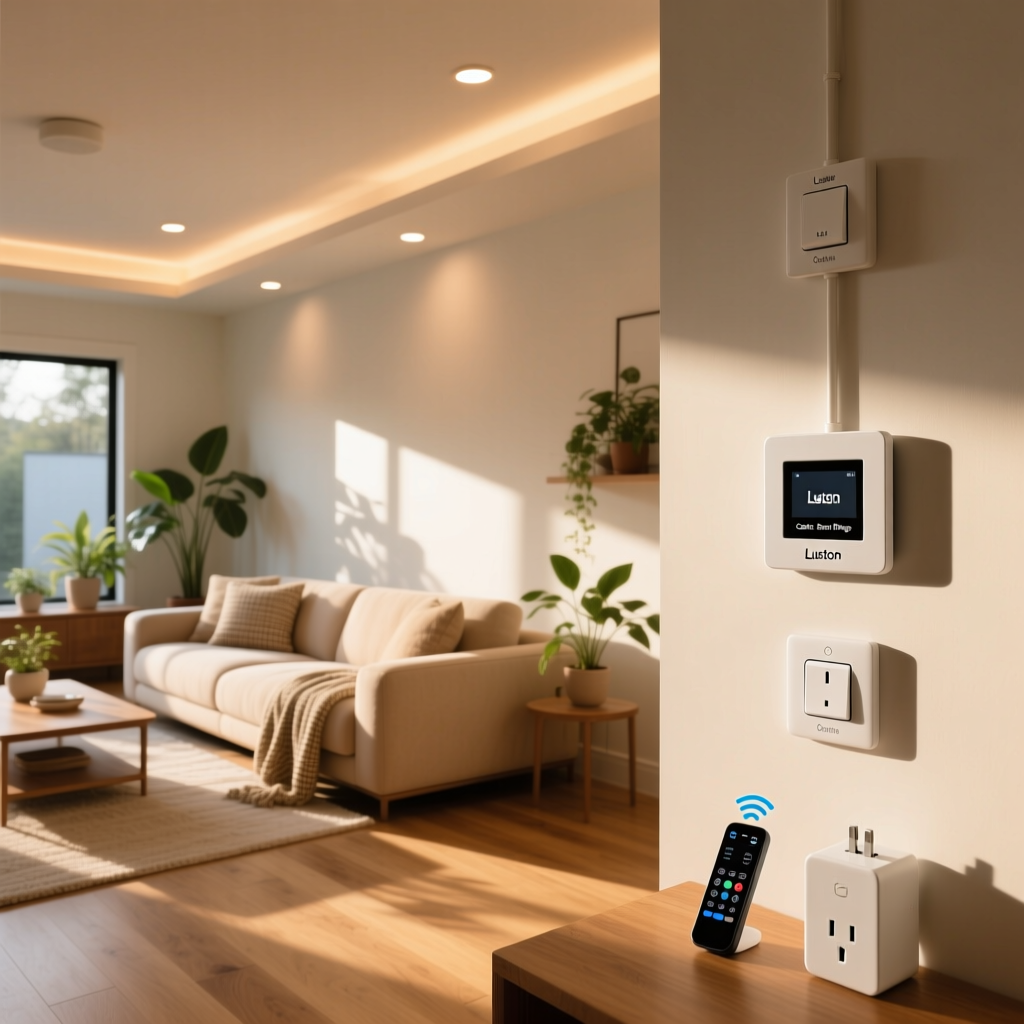
- Lutron Caseta Smart Switch: For hardwired overhead lighting, Lutron Caseta is unmatched. Using the proprietary Clear Connect RF protocol (which operates on a different frequency than Wi-Fi, eliminating interference), these switches offer sub-millisecond response times and work with LED, incandescent, and halogen bulbs.
Device Comparison Table
The following table summarizes the top-tier Google Home compatible devices across key categories, highlighting their primary protocols and price points.
| Device | Category | Protocol | Price Range | Key Feature |
|---|---|---|---|---|
| Philips Hue Color Ambiance | Lighting | Zigbee / Matter | $40 - $60 | Industry-leading color accuracy and mesh reliability |
| Nest Learning Thermostat | Climate | Wi-Fi / Thread | $220 - $250 | Auto-schedule and deep Google ecosystem integration |
| Ecobee SmartThermostat Premium | Climate | Wi-Fi | $240 - $250 | Built-in Google Assistant and remote room sensors |
| Google Nest Cam (Wired) | Security | Wi-Fi | $90 - $100 | On-device AI object detection without a subscription |
| Lutron Caseta Smart Switch | Lighting | Clear Connect RF | $50 - $60 | Rock-solid reliability independent of Wi-Fi congestion |
Price vs. Performance Analysis
When budgeting for a Google Home ecosystem, costs vary wildly depending on the device category. While smart plugs and bulbs offer a low barrier to entry, climate and security devices represent a larger upfront investment that often pays for itself through energy savings or insurance discounts.
Average cost of Google Home compatible devices by category
The Impact of Matter on Google Home
The smart home landscape is undergoing a massive shift with the introduction of Matter, an open-source connectivity standard backed by the Connectivity Standards Alliance (CSA). Matter ensures that devices work seamlessly across all major platforms—Google Home, Apple HomeKit, Amazon Alexa, and Samsung SmartThings—simultaneously. According to the CSA, Matter operates over Wi-Fi, Ethernet, and Thread, prioritizing local network processing to reduce cloud latency and improve reliability during internet outages.
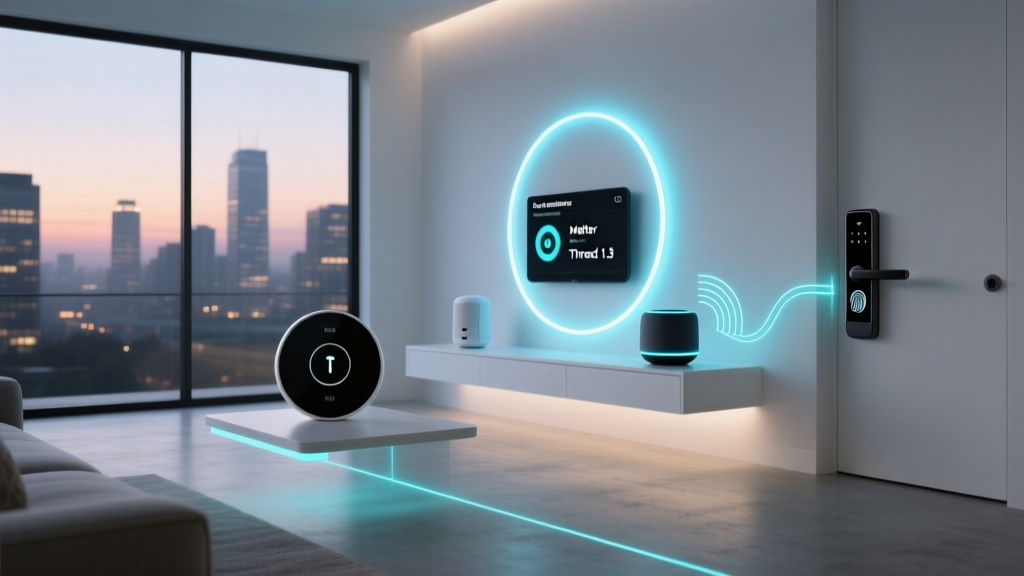
Google has fully embraced this transition. As detailed in their official announcement on Matter support, Google Nest Hubs (2nd Gen), Nest Hub Max, and Nest Wi-Fi Pro routers act as Thread border routers. This means they can connect low-power Thread devices (like smart locks and sensors) directly to your network and bridge them to the Google Home app without requiring third-party hubs. When shopping for new devices, looking for the 'Matter' logo ensures your hardware will remain compatible with Google Home for years to come.
Setting Up and Automating Your Devices
The true power of Google Home lies in its automation engine, known as 'Routines.' Through the Google Home app, users can create complex 'If This, Then That' logic without needing external servers.
Creating Advanced Routines
A basic routine involves a single starter and a single action. For example, Starter: 'When I say Goodnight' -> Action: 'Turn off all lights and lock the front door.' However, Google Home now supports nested conditions and time delays. You can configure a routine where if the Nest Protect detects smoke (Starter), the system will turn on all Hue lights to 100% brightness, unlock the Lutron-controlled front door, and broadcast an evacuation message to all Nest Mini speakers in the house.
Script Editor for Power Users
For advanced users, Google Home has introduced a Script Editor (accessible via the web interface and developer tools) that allows for YAML-based automation scripting. This enables variables, complex logical operators (AND/OR), and precise state-matching that the standard mobile app interface cannot handle.
Privacy and Data Handling in Google Home
As you populate your home with microphones and cameras, data privacy becomes a legitimate concern. Google outlines its core data handling principles on the Google Safety Privacy Center, emphasizing that users have granular control over their data.
- Hardware Mute Switches: All Google Nest speakers and displays feature physical microphone disconnect switches. When engaged, the hardware circuit is broken, making it impossible for the device to record audio.
- Camera Shutters: Indoor Nest Cams feature physical privacy shutters that slide over the lens and electronically disable the microphone when you are home.
- Activity Controls: Through your Google Account, you can set Voice & Audio Activity to auto-delete every 3 or 18 months. You can also review and manually delete specific voice commands recorded by the Google Assistant.
- Local Processing: With the advent of Thread and Matter, an increasing number of device commands (like turning on a smart bulb) are processed locally via your Nest Hub, meaning the command never travels to Google's cloud servers, significantly reducing privacy exposure and latency.
Conclusion
The Google Home ecosystem offers an unparalleled blend of voice intelligence, broad third-party compatibility, and cutting-edge support for the Matter standard. By strategically selecting devices that leverage mesh networks like Zigbee and Thread—such as Philips Hue and Nanoleaf—you can build a resilient smart home that does not rely solely on your Wi-Fi router. Whether you are optimizing energy usage with a Nest Thermostat or securing your property with on-device AI cameras, prioritizing native Google Home integration and Matter compatibility will ensure your smart home remains responsive, secure, and future-proof for the next decade.