The Automation Crossroads: Smart vs. Traditional
The transition from a traditional home to a smart home is one of the most significant lifestyle and financial decisions a modern homeowner can make. On one side, you have the reliability and simplicity of traditional mechanical systems—flip a switch, and the light turns on; turn a dial, and the heat kicks in. On the other side lies the promise of automation: homes that anticipate your needs, optimize energy usage, and respond to voice commands. But is the premium price tag of smart home technology truly justified by the return on investment (ROI)?
This comprehensive guide breaks down the smart home vs. traditional home debate across five critical dimensions: upfront costs, energy efficiency, daily convenience, security, and long-term maintenance. Whether you are building a new house or retrofitting a century-old property, understanding these trade-offs will help you make an informed, future-proof decision.
Upfront Costs: Comparing the Hardware and Installation
The most immediate barrier to smart home adoption is the upfront cost. Traditional home hardware is a mature market with razor-thin margins, whereas smart devices carry premiums for microprocessors, wireless radios, and software development.
Lighting: Smart Switches vs. Standard Toggle
A standard Leviton Decora wall switch costs around $5 to $10. In contrast, a smart switch like the Lutron Caseta Wireless Dimmer costs approximately $60. If you are outfitting a 20-switch home, the hardware cost jumps from $150 to $1,200. Furthermore, many smart switches require a neutral wire in the junction box. If your older home lacks neutral wires, you will either need to buy specialized (and more expensive) no-neutral smart switches or hire an electrician to rewire your circuits, adding $150 to $300 per hour in labor costs.
Climate Control: Smart Thermostats vs. Programmable
A basic non-programmable Honeywell thermostat can be purchased for $25. A premium smart thermostat, such as the Ecobee SmartThermostat with Voice Control, retails for $250. While the smart option is ten times more expensive initially, it includes room sensors and advanced learning algorithms that traditional models lack.
Entry and Security: Smart Locks vs. Deadbolts
A high-quality traditional Kwikset Signature Series deadbolt costs about $35. A comparable smart lock, like the Yale Assure Lock 2 Wi-Fi, costs around $250. The smart lock offers keyless entry, remote locking via smartphone, and temporary PIN codes for guests, features that are physically impossible with a standard mechanical deadbolt.
| Category | Traditional Hardware | Smart Hardware | Installation Complexity |
|---|---|---|---|
| Wall Switch (Dimmer) | $10 | $60 (e.g., Lutron Caseta) | Moderate (May require neutral wire) |
| Thermostat | $25 (Manual) | $250 (e.g., Ecobee) | Low to Moderate (C-wire may be needed) |
| Front Door Lock | $35 (Deadbolt) | $250 (e.g., Yale Assure) | Low (Direct replacement) |
| Security Cameras | N/A (Dummy cameras $20) | $100-$250 (e.g., Ring, Arlo) | Moderate (Drilling, Wi-Fi setup) |
Energy Efficiency and the ROI of Automation
Where smart homes begin to claw back their upfront premium is in energy efficiency. Traditional homes rely entirely on human memory to conserve energy. If you forget to turn off the lights or adjust the thermostat before leaving for work, a traditional home will happily waste electricity all day. Smart homes use automation, geofencing, and occupancy sensors to eliminate this waste.
According to the ENERGY STAR Smart Thermostats certification program, smart thermostats can save homeowners approximately 8% on heating bills and 10% on cooling bills. For a household spending $2,000 annually on HVAC, that translates to $180 in savings per year, meaning a $250 smart thermostat pays for itself in under 17 months.
Similarly, smart plugs and switches can combat 'vampire power'—the phantom energy drawn by electronics in standby mode. The U.S. Department of Energy notes that combining smart controls with LED lighting can reduce lighting energy consumption by up to 75% compared to traditional incandescent setups left on manually.
Note: The chart above illustrates how the higher initial investment in a smart home (Year 1) is offset by compounding energy savings in subsequent years, eventually crossing below the cumulative cost of a traditional, manually managed home.
Convenience, Accessibility, and Daily Friction
The most heavily marketed benefit of the smart home is convenience, but its true value lies in reducing daily friction and improving accessibility.
The Power of Routines and Voice Control
In a traditional home, preparing for bed involves walking from room to room to flip switches, checking that the front door is locked, and adjusting the thermostat. In a smart home integrated with Apple HomeKit, Amazon Alexa, or Google Home, a single 'Goodnight' voice command or button press can simultaneously turn off all lights, lock the doors, arm the security system, and lower the HVAC temperature.
Accessibility and Aging in Place
For individuals with mobility issues, visual impairments, or the elderly, smart home automation is not just a luxury; it is a vital accessibility tool. Voice-activated lighting, motorized smart blinds, and video doorbells allow individuals to maintain independence and safely 'age in place' without relying heavily on caregivers for basic home management tasks.
The Golden Rule of Automation: True smart home convenience is invisible. If you have to open an app on your phone to turn on a single lightbulb, you have created more friction than a traditional wall switch. Automation should rely on sensors, schedules, and voice—not smartphone menus.
Security, Privacy, and the Digital Attack Surface
Security is a double-edged sword when comparing smart and traditional homes.
Physical vs. Digital Security
Traditional homes rely on physical barriers: deadbolts, window latches, and perhaps a locally monitored alarm system. The primary vulnerability is physical forced entry or lost keys. Smart homes introduce remote monitoring, instant smartphone alerts if a door is left ajar, and the ability to grant temporary digital access to dog walkers or contractors without hiding a physical key under the mat.
However, smart homes introduce a digital attack surface. Internet of Things (IoT) devices can be vulnerable to hacking if not properly secured. A compromised smart camera or Wi-Fi network can lead to severe privacy breaches. To mitigate this, homeowners must practice rigorous digital hygiene: using strong, unique passwords, enabling two-factor authentication (2FA), and keeping device firmware updated.
Maintenance, Longevity, and Obsolescence
One area where traditional homes undeniably win is longevity. A standard mechanical toggle switch or brass deadbolt can easily function for 50 years or more with zero maintenance. It operates independently of external networks and requires no software updates.
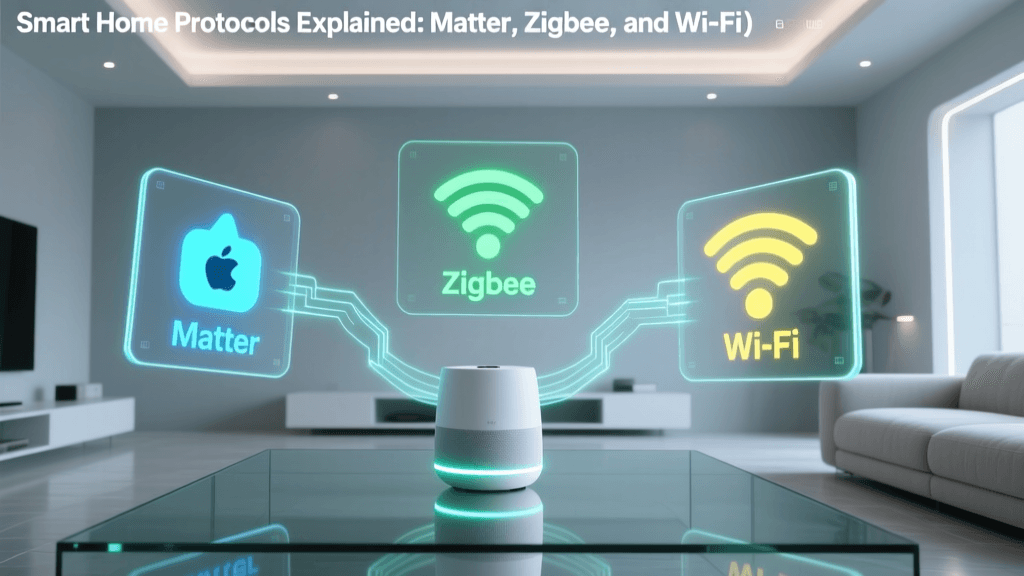
Smart home devices, conversely, are essentially computers. They are subject to software bugs, Wi-Fi network changes, and cloud server dependencies. The danger of 'obsolescence by shutdown' is real. For example, when the popular smart home brand Insteon abruptly shut down its cloud servers in 2022, thousands of customers found their expensive smart switches and hubs rendered completely useless overnight. While the newer Matter protocol aims to solve fragmentation by creating a unified, local-control standard across brands, the risk of software abandonment remains a distinct disadvantage of smart technology compared to traditional hardware.
The Verdict: Which Path Should You Choose?
The decision between a smart home and a traditional home is rarely all-or-nothing. It depends heavily on your budget, technical aptitude, and lifestyle.
Who Should Stick to Traditional?
- Budget-Conscious Homeowners: If upfront costs are a primary concern, traditional hardware is vastly superior.
- Privacy Maximalists: If you are uncomfortable with tech companies collecting data on your daily routines, stick to mechanical switches and local alarm systems.
- Long-Term Renters: Unless you have a landlord's permission to swap out fixtures and are willing to reinstall traditional hardware before moving, smart upgrades may not be worth the hassle.
Who Should Automate?
- Frequent Travelers: The ability to remotely monitor cameras, simulate lighting presence, and manage HVAC from an airport lounge provides immense peace of mind.
- Eco-Conscious Households: If tracking and minimizing your carbon footprint is a priority, the data and automated savings provided by smart thermostats and energy monitors are invaluable.
- Accessibility Needs: Households with elderly or disabled members will find the ROI on voice control and automated routines to be life-changing.
The Hybrid Compromise: Best of Both Worlds
For most homeowners, the ideal approach is a hybrid strategy. Automate the high-impact, high-ROI categories like climate control (smart thermostats) and entryway security (smart locks and video doorbells). For lighting, consider using smart plugs for lamps rather than rewiring every wall switch, or limit hardwired smart switches to high-traffic communal areas like the kitchen and living room. This approach captures 80% of the benefits of a smart home while minimizing the upfront costs, network clutter, and long-term maintenance headaches of a fully automated ecosystem.