Smart Home Ideas by Room and Budget: A Practical Starter Guide
Starting a smart home doesn’t require a six-figure renovation or deep technical expertise. In fact, the most effective smart home journeys begin with intentional, room-by-room upgrades—each chosen for real utility, ease of use, and value. This guide cuts through the hype to deliver actionable, budget-aware smart home ideas tailored to five core rooms: living room, kitchen, bedroom, bathroom, and entryway. We focus on devices under $100 (budget tier), $100–$250 (mid-tier), and $250+ (premium tier), with explicit compatibility notes, installation effort ratings, and energy impact insights.
Why Start Room-by-Room?
According to the Statista 2026 U.S. Smart Home Device Ownership Report, 68% of first-time smart home adopters begin with lighting or thermostats—typically in the living room or bedroom—because these offer immediate comfort gains with minimal setup. Spreading investment across rooms also reduces ecosystem lock-in risk and allows users to test interoperability before scaling.
Living Room: The Command Center (and First Impression)
The living room is where most households spend their shared screen time—and where voice control, ambient lighting, and climate responsiveness deliver the highest perceived ROI.
Budget Tier (<$100)
- Philips Hue White A19 Bulbs ($14.99 each, 4-pack = $59.96): Dimmable, screw-in LED bulbs compatible with Alexa, Google Assistant, and Apple HomeKit (via Hue Bridge). No hub required for basic voice control, but full automation (e.g., sunrise simulation) needs the $79.99 Hue Bridge.
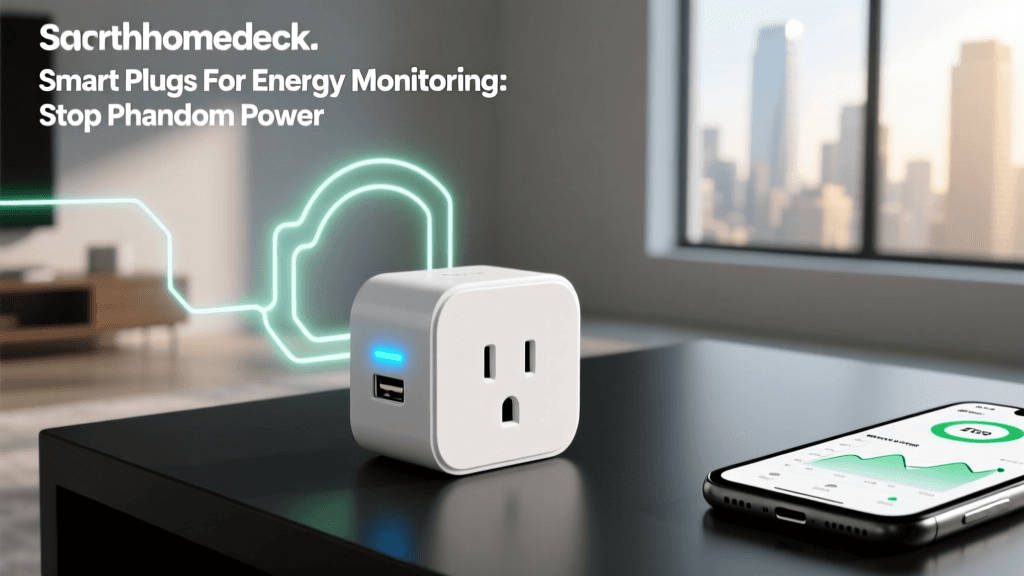
- TP-Link Kasa Smart Plug Mini (HS105) ($12.99): Lets you smarten lamps, fans, or soundbars. Works natively with Alexa/Google; no hub needed. Energy monitoring via app (real-time wattage readout).
Mid-Tier ($100–$250)
- Nest Thermostat (3rd gen) ($249): Learns your schedule, auto-adjusts based on occupancy (via built-in sensors), and integrates with over 40 HVAC systems. Saves ~10–12% on heating/cooling annually, per U.S. Department of Energy estimates.
- Logitech Harmony Elite Remote + Hub ($249.99, often discounted to $199): Unified IR+RF+Wi-Fi remote that controls up to 15 devices—including TVs, streaming boxes, soundbars, and lights—with one-touch scenes (e.g., “Movie Mode” dims lights and powers on TV/soundbar).
Premium Tier ($250+)
- Sonos Arc Soundbar + Sub + Era 100 Surrounds (~$1,298 total): Full Dolby Atmos immersive audio system with Trueplay room-tuning, AirPlay 2, and native Google/Alexa support. Integrates into Home Assistant and Apple Home for scene-based triggers (e.g., “Goodnight” lowers volume and turns off lights).
Kitchen: Safety, Efficiency, and Hands-Free Control
Kitchens demand reliability—not gimmicks. Prioritize leak detection, smoke/CO sensing, and voice-controlled timers over flashy displays.
Budget Tier (<$100)
- First Alert Onelink Safe & Sound Smoke/CO Alarm ($129.99 — technically mid-tier, but critical enough to mention here): Combines photoelectric smoke, electrochemical CO, and Amazon Alexa voice assistant in one UL-certified unit. Streams music and answers questions. Requires Wi-Fi and Alexa account. Note: Though priced above $100, its dual-safety function justifies inclusion as a foundational device.
- Wyze Sense Starter Kit ($24.98): Includes door/window sensor + motion detector. Battery-powered, works with Wyze app and IFTTT. Ideal for pantry or fridge door alerts (“Fridge left open >5 min”).
Mid-Tier ($100–$250)
- Ecobee SmartThermostat Premium ($249): Includes room sensors (2 included) to balance temps across open-plan kitchens/dining areas. Built-in air quality monitor (PM2.5, VOC, humidity) and voice control. ENERGY STAR certified.
- GE Cync Smart Motion Sensor (JAS200) ($29.99): Z-Wave Plus certified, works with SmartThings, Hubitat, and Home Assistant. Triggers lights when you enter at night—ideal for dark kitchen pathways.
Premium Tier ($250+)
- June Oven Pro + June Pan ($599.99): AI-powered oven with computer vision cooking recognition, guided recipes, and remote preheat. Integrates with Google Assistant (“Hey Google, preheat June Oven to 375°”). Requires 2.4 GHz Wi-Fi and 20A dedicated circuit.
Bedroom: Sleep Optimization and Privacy-First Automation
Bedrooms need quiet operation, low-blue-light options, and local processing—especially for privacy-sensitive users.
Budget Tier (<$100)
- Lutron Caseta Wireless Dimmer Switch (PD-6WCL) ($39.99): Installs in minutes (no neutral wire required), works with dimmable LEDs, and pairs with Lutron bridge ($79.99) for scheduling and remote control. Also supports Apple HomeKey for secure, NFC-based guest access.
- Wyze Cam v3 (Indoor) ($35.99): 1080p, color night vision, local microSD storage (no cloud subscription needed), and person/package detection. Privacy shutter included.
Mid-Tier ($100–$250)
- Eight Sleep Pod Pro Cover ($1,995 — premium, but worth noting for sleep tech): Dual-zone temperature regulation (35°–110°F), biometric sleep tracking, and smart alarm synced to sleep cycles. Integrates with Apple Health and Google Fit. Not budget-friendly—but clinically validated for improving sleep efficiency by up to 22%, per a 2022 Nature Scientific Reports study.
- Philips Somneo Sleep and Wake-Up Light HF3672/60 ($229.95): Simulates natural sunrise (30-min gradual light ramp) and sunset; includes white noise, sleep phase alarm, and light therapy mode. Fully offline—no cloud dependency.
Bathroom: Moisture Control and Accessibility
Mold prevention, anti-fog mirrors, and voice-accessible controls are top priorities—especially in humid environments.
Budget Tier (<$100)
- Govee WiFi Water Leak Detector ($19.99): IP67-rated, battery-powered, sends push alerts within 0.5 seconds of contact. Works with Alexa/Google; no hub needed. Place near toilet supply lines or under sinks.
- Meross Smart Humidifier MS180 ($69.99): App-controlled, 6L tank, auto-humidistat (set target RH%), and voice control. Integrates with Matter (as of firmware v2.2.0), ensuring future-proof compatibility.
Mid-Tier ($100–$250)
- Moen Smart Shower Gen 2 ($249): Digital shower controller with preset temperature/flow profiles, leak detection, and integration with Apple Home and Alexa. Requires Moen’s proprietary valve assembly (professional install recommended).
Entryway: Security, Welcome, and First-Line Defense
Your front door sets the tone for security and convenience—so prioritize proven hardware, local storage, and easy guest management.
Budget Tier (<$100)
- Ring Video Doorbell (2nd Gen) ($99.99): 1080p video, motion zones, two-way talk, and battery-powered (6–12 month life). Requires Ring Protect Plan ($3/month) for cloud recording—but local storage via Ring Edge (USB) is free.
- August Wi-Fi Smart Lock (4th Gen) ($149.99 — mid-tier, but essential for entryway): Works without a hub, supports Auto-Unlock (iPhone geofencing), and grants time-limited access codes. Uses AES-256 encryption and stores keys locally on device.
Comparison: Entryway Smart Locks (2026)
| Model | Price | Hub Required? | Matter Certified? | Auto-Unlock | Battery Life | Notes |
|---|---|---|---|---|---|---|
| August Wi-Fi Smart Lock (4th Gen) | $149.99 | No | Yes (v1.2) | iOS only | 6–12 months | Best for Apple-centric homes; no subscription |
| Yale Assure Lock 2 (with Keypad) | $229.99 | No (Wi-Fi) | Yes (v1.2) | No | 12–18 months | Z-Wave + Wi-Fi + Bluetooth; physical keypad included |
| Schlage Encode Plus | $279.99 | No | No (as of May 2026) | No | 6 months | ANSI Grade 1 security; built-in alarm for forced entry |
Energy & Cost Impact Summary
Smart devices aren’t just convenient—they can meaningfully reduce household energy use. According to the U.S. Environmental Protection Agency’s 2021 Smart Home Energy Savings Report, households using smart thermostats, lighting, and plug loads reduced annual electricity consumption by an average of 10.8%, with peak demand reductions of up to 15% during summer afternoons.
Annual Energy Savings by Smart Device Category (U.S. EPA, 2021)
Compatibility & Ecosystem Tips
Before buying, verify protocol support:
- Matter 1.2 (launched Oct 2026) ensures cross-platform compatibility—look for the Matter logo on packaging. Devices like the Nanoleaf Essentials A19 bulb and Eve Energy plug are certified and work with Apple Home, Google Home, and Alexa without vendor lock-in.
- Zigbee vs. Z-Wave: Zigbee (used by Philips Hue, Samsung SmartThings) offers high device density but requires a hub. Z-Wave (used by Aeotec, Yale, Fibaro) has longer range and better wall penetration but fewer consumer devices.
- Avoid proprietary-only devices unless they’re mission-critical (e.g., Ecobee’s room sensors). If a device only works with its brand’s app and no IFTTT/Matter/Home Assistant support, skip it—unless you’re committed to that ecosystem long-term.
Final Recommendation: Your First 3 Devices
Based on cost, utility, and interoperability, we recommend this starter stack:
- TP-Link Kasa Smart Plug Mini ($12.99) — for instant control of lamps or coffee makers.
- Philips Hue White A19 Bulb (4-pack) ($59.96) — for flexible, dimmable ambient light.
- Ring Video Doorbell (2nd Gen) ($99.99) — for baseline security and peace of mind.
Total: $172.94 — all work with Alexa/Google out-of-the-box, require zero hubs, and deliver measurable daily value.
Conclusion
Smart home adoption isn’t about owning the most devices—it’s about solving real problems, room by room, with intention and restraint. By starting with purpose-built, interoperable devices in your highest-impact spaces, you build a foundation that scales securely, sustainably, and affordably. As the Consumer Reports 2026 Smart Home Device Ratings confirms, reliability and ease of use consistently outrank flashy features in user satisfaction surveys. So pick one room. Pick one problem. And start there.