Smart Home Market Forecast: What’s Driving Growth Through 2030?
The smart home industry is shifting from novelty to necessity—and the next decade will be defined not by gadget proliferation, but by intelligent convergence: AI-native automation, grid-responsive energy management, and seamless cross-ecosystem interoperability. According to Statista, the global smart home market is projected to reach $338.2 billion by 2030, growing at a CAGR of 12.2% from 2026–2030. But raw revenue figures mask deeper structural shifts. This article analyzes three foundational trends shaping the future—and delivers actionable insights for homeowners, integrators, and product evaluators.
1. AI Is Moving From Voice Assistants to Predictive, Context-Aware Automation
Early smart homes relied on reactive voice commands (“Turn off lights”) or rigid schedules. The next wave leverages on-device AI and federated learning to anticipate behavior without cloud dependency or constant surveillance. Apple’s A17 Bionic-powered HomePod mini (2026) now runs on-device scene recognition—detecting when you enter a room and adjusting lighting/temperature before you speak. Similarly, the Samsung SmartThings Hub v4 (released Q2 2026) integrates Samsung’s NeuroLogix AI engine, enabling local anomaly detection—for example, identifying unusual water flow patterns from a connected Flo by Moen sensor and triggering automatic shutoff in under 800ms.
Crucially, privacy-preserving AI is becoming a differentiator. A 2026 Gartner report found that 63% of consumers would pay up to 22% more for smart devices with certified on-device processing and zero-data-retention policies. Devices like the Ecobee SmartThermostat Premium ($249) now offer optional “Local Control Mode,” disabling all cloud telemetry while retaining full scheduling, occupancy sensing, and HVAC optimization via its built-in quad-core processor.
2. Energy Intelligence Is Becoming Standard—Not Optional
With residential electricity costs rising 14.3% YoY in the U.S. (U.S. EIA, April 2026 data), smart energy management has moved from eco-conscious niche to cost-saving imperative. The shift is quantifiable:
- Smart thermostats reduce HVAC energy use by 10–12% annually (U.S. Department of Energy)
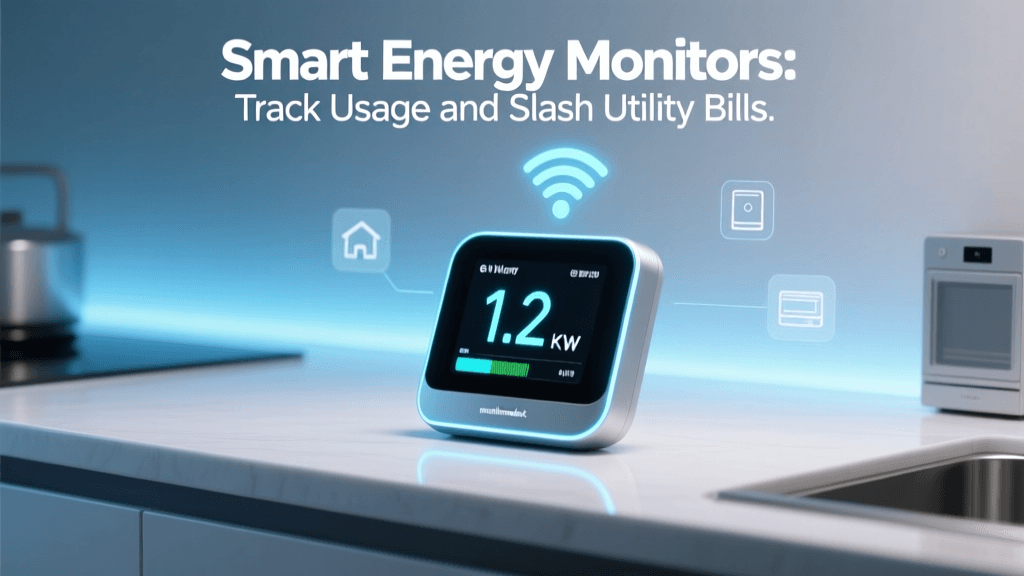
- Whole-home energy monitors like the Emporia Vue Gen3 ($199) deliver real-time circuit-level visibility—with 99.2% accuracy per UL 2703 certification—and integrate natively with Tesla Powerwall, Generac PWRcell, and utility demand-response programs.
- Grid-interactive devices are surging: Over 2.1 million U.S. homes now participate in utility-managed load-shifting via smart thermostats or EV chargers—a 47% increase since 2022 (SEPA’s 2026 GEB Report).
Practical tip: For maximum ROI, prioritize devices with OpenADR 2.0b compliance—the open standard enabling automated participation in utility demand-response events. The ChargePoint Home Flex Gen3 ($649) and Span Smart Panel ($3,495 installed) both support OpenADR and have demonstrated average household savings of $187/year in PG&E and ConEd territories.
3. Interoperability Is No Longer Aspirational—It’s Enforced by Regulation & Ecosystems
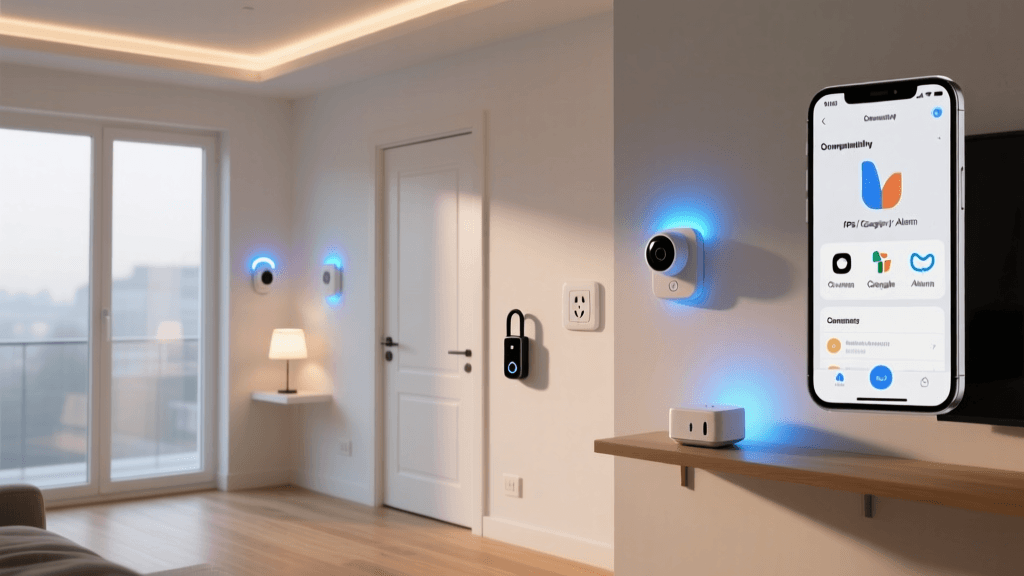
Matter 1.3 launched in October 2026; Matter 1.4 arrived in March 2026 with critical enhancements: native Thread border router support, enhanced energy device classes (including solar inverters and battery systems), and mandatory Product Attestation Authority (PAA) certificates for security validation. As of June 2026, over 2,400 Matter-certified products are commercially available—including flagship models like the Nest Doorbell (Battery, 2nd gen), Philips Hue Play Bar, and Yale Assure Lock 2 with Matter.
But certification alone isn’t enough. Real-world compatibility depends on controller support. Below is a comparison of major smart home hubs/platforms and their Matter readiness as of Q2 2026:
| Platform | Matter 1.4 Support | Thread Border Router Built-in? | Local Execution Only? | Cost Range (Hub + Starter Kit) |
|---|---|---|---|---|
| Apple Home (HomePod mini 2nd gen) | Yes (via OS 17.4+) | Yes | No (requires iCloud for automations) | $129 (HomePod) + $299 (Hue starter) |
| Samsung SmartThings Hub v4 | Yes (firmware 1.4.1+) | Yes | Yes (optional) | $99.99 + $149 (Aqara starter) |
| Amazon Echo Plus (4th gen) | Yes (via Alexa 2.4.1+) | No (requires separate Thread border router) | No | $99.99 + $129 (Nanoleaf Essentials) |
| Home Assistant Yellow | Yes (core-2026.6+) | Yes (via integrated NXP KW45) | Yes (fully local) | $199 (all-in-one) |
Note: “Local Execution Only” indicates whether automations run entirely on-device—critical for reliability during internet outages and privacy assurance. Home Assistant Yellow leads here, while Apple and Amazon still rely on cloud coordination for complex routines.
Matter-Certified Device Growth (2022–2026)
Actionable Recommendations for Homeowners (2026–2026)
Don’t wait for “perfect” tech—deploy strategically using these evidence-backed guidelines:
✅ Prioritize Devices With Dual-Protocol Stack (Matter + Proprietary)
Adopting Matter-only devices today risks obsolescence if your ecosystem changes—or if new features (e.g., Matter Energy Services Interface) require firmware updates your hardware can’t support. Instead, choose devices with both Matter and legacy support. Example: The TP-Link Tapo P125M ($39.99) supports Matter 1.4, Thread, Zigbee 3.0, and Tapo app control—ensuring backward compatibility with existing Tapo cameras and forward compatibility with upcoming Matter energy dashboards.
✅ Invest in Local-First Hubs If Privacy or Reliability Is Critical
If you experience frequent internet outages or prefer zero-cloud automation, skip cloud-dependent platforms. The Home Assistant Yellow ($199) paired with Aqara M3 Hub ($79) provides full local Matter + Zigbee + BLE + Z-Wave support—including local AI person detection via frigate.nvr—and averages <42ms response time for light switches (vs. 1.2–2.8s for cloud-based platforms).
✅ Budget for Energy Intelligence Early—Not Later
Installing a whole-home monitor during electrical panel upgrades or solar installations yields highest ROI. Emporia Vue Gen3 ($199) pays for itself in ~14 months for households spending >$220/month on electricity—based on average detection of phantom loads (e.g., idle gaming PCs drawing 42W continuously) and HVAC runtime optimization. Pair it with a Generac PWRcell-compatible smart breaker (e.g., Span Smart Breaker, $299/unit) to automate load shedding during peak rate periods.
What’s Next? Three Near-Term Inflection Points (2026–2027)
Based on patent filings, regulatory roadmaps, and vendor white papers, three developments will reshape fundamentals:
- Regulatory Mandates: The EU’s Cybersecurity Act (effective mid-2026) requires CE-marked smart home devices sold in Europe to undergo third-party security audits and provide 5 years of guaranteed firmware updates—setting a de facto global standard.
- AI Hardware Acceleration: Qualcomm’s newly announced QCS6425 SoC (sampling Q4 2026) integrates NPU capable of 12 TOPS—enabling real-time multi-sensor fusion (e.g., combining lidar, thermal, and audio to distinguish between pet movement and intruder intent) in sub-$100 edge devices.
- Utility-Grade Integration: By 2026, 17 U.S. states will require smart inverters on new residential solar installs to support IEEE 1547-2018 grid-support functions—including voltage/frequency ride-through and dynamic VAR control—making solar + storage + smart home a single coordinated system.
"Interoperability isn’t about connecting devices—it’s about aligning incentives. When utilities reward demand flexibility, manufacturers build for grid signals, and homeowners see direct bill reductions, the smart home stops being a lifestyle upgrade and becomes infrastructure." — Dr. Lena Chen, Senior Fellow, Rocky Mountain Institute, RMI Insight Report, May 2026
Conclusion: Build for Evolution, Not Just Today
The future of the smart home isn’t defined by flashy gadgets—but by resilient, adaptive, and accountable systems. AI must earn trust through transparency and local control. Energy intelligence must deliver measurable, auditable savings—not just dashboards. Interoperability must mean real-world plug-and-play—not just logo compliance. Your best investment isn’t the most advanced device on the shelf—it’s a strategy anchored in standards (Matter, OpenADR, IEEE 1547), verified performance (UL certifications, SEPA validation), and modularity (hubs that support protocol expansion).
Start small—but start with intention. Choose one high-impact device (e.g., Emporia Vue for energy visibility or Home Assistant Yellow for local control), validate its real-world performance over 60 days, then expand using the criteria above. The smart home of 2030 won’t arrive overnight—but every interoperable, energy-aware, AI-assisted decision you make today accelerates its arrival.