Beyond the App: The Dawn of Ambient Computing
For the past decade, the smart home experience has been defined by novelty and fragmentation. We have relied on smartphones to act as remote controls for our lights, thermostats, and locks. We have tolerated the friction of managing multiple proprietary apps, dealing with cloud-dependent latency, and suffering through internet outages that render our expensive gadgets useless. However, the smart home industry is currently undergoing a seismic shift. We are transitioning from the era of "reactive" smart homes into the era of "ambient computing."
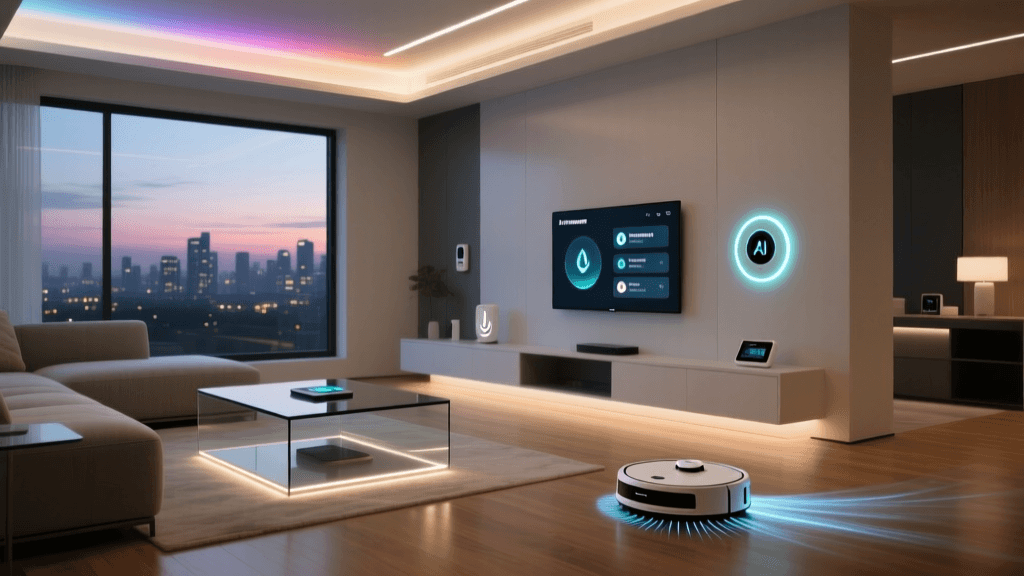
Ambient computing refers to technology that fades into the background of our daily lives. Instead of commanding a voice assistant to turn off the lights or tapping a screen to adjust the thermostat, the home of the future anticipates your needs based on context, presence, and environmental data. This transition is being driven by three foundational pillars: the universal adoption of the Matter protocol, the integration of millimeter-wave (mmWave) sensor fusion, and the rise of Edge AI. For consumers looking to invest in smart home technology today, understanding these upcoming shifts is critical to avoid buying into obsolete, dead-end ecosystems.
The Matter Protocol: Unifying the Fragmented Ecosystem
The most significant structural change in the smart home landscape is the rollout of Matter. Developed by the Connectivity Standards Alliance (CSA), Matter is an open-source, royalty-free connectivity standard that allows devices from different manufacturers to communicate seamlessly with one another, regardless of the overarching ecosystem (Apple HomeKit, Amazon Alexa, Google Home, or Samsung SmartThings).
Matter operates primarily over two networking protocols: Wi-Fi for high-bandwidth devices like cameras and displays, and Thread for low-power, battery-operated devices like sensors and smart locks. Thread is a mesh networking protocol that creates a robust, self-healing web of connectivity. Unlike traditional Zigbee or Z-Wave setups that require proprietary, brand-specific hub dongles, Thread relies on "Border Routers"—devices you likely already own, such as the Apple TV 4K, Amazon Echo (4th Gen), or Google Nest Hub Pro.
Actionable Advice: Buying for the Matter Era
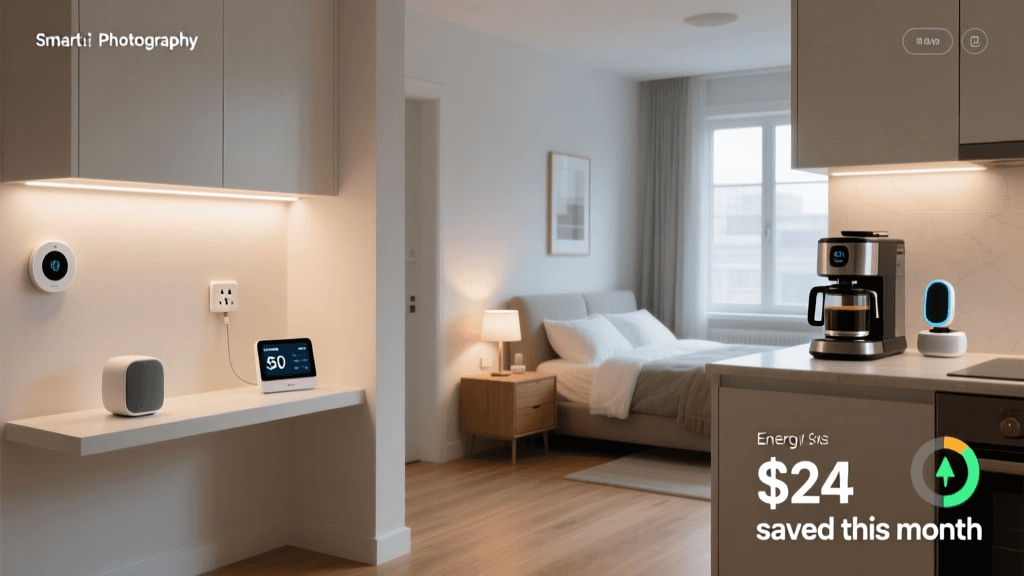
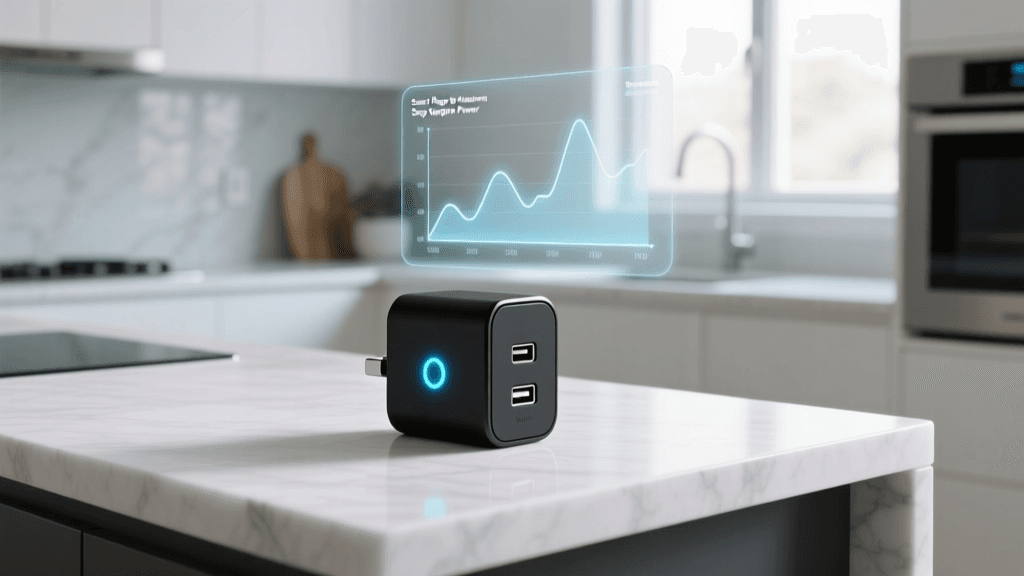
If you are building or upgrading a smart home today, you must prioritize local control and Thread compatibility. When purchasing new hardware, look for the official Matter logo on the packaging. For example, the Eve Energy Smart Plug (approx. $40) and Eve MotionBlinds (approx. $200+) are built natively on Thread and Matter, ensuring they will not be bricked if a manufacturer shuts down its cloud servers. Furthermore, investing in a dedicated local hub like the Home Assistant Green (approx. $99) or the Aeotec Smart Home Hub (approx. $140) ensures that your automations execute locally on your network, providing instantaneous response times and continued operation during internet outages.
Ambient AI and Sensor Fusion: From Reactive to Predictive
Current smart home automation relies heavily on basic Passive Infrared (PIR) motion sensors. These sensors only detect significant heat movement, meaning if you sit still on the couch reading a book, the lights will inevitably turn off, forcing you to wave your arms to reactivate them. The future of smart home sensing lies in mmWave (millimeter-wave) radar and sensor fusion.
mmWave radar can detect micro-movements, including the subtle rise and fall of a human chest during breathing. Devices like the Aqara Presence Sensor FP2 (approx. $70) utilize mmWave to not only detect presence but also map a room into multiple zones, track the exact location of up to five people simultaneously, and even monitor sleep states and breathing rates without the use of invasive cameras. This granular data allows for predictive automations: the home knows you are asleep in bed and adjusts the HVAC system to your preferred sleeping temperature, while keeping the living room lights off and the security system armed.
This is where Ambient AI comes into play. Rather than relying on cloud-based servers to process basic logic, future smart home hubs will utilize Edge AI—on-device machine learning models that analyze sensor data locally. Edge AI will learn your household's routines, adjusting window treatments based on the sun's angle and room occupancy, or pre-heating the oven when it detects you have arrived home from work, all without requiring manual input or cloud processing.
Charting the Shift to Unified Standards
As Matter matures and Edge AI becomes more prevalent, the market share of proprietary, cloud-dependent hubs is projected to plummet. The following chart illustrates the projected market shift over the next five years, highlighting the rapid adoption of unified, local-first standards compared to legacy proprietary ecosystems.
Adoption of Matter vs Legacy Hubs
Next-Generation Energy Management and the Smart Grid
The future smart home will not just consume energy; it will actively manage, store, and even sell it back to the grid. As electric vehicle (EV) adoption accelerates, the concept of Vehicle-to-Home (V2H) and Vehicle-to-Grid (V2G) bidirectional charging is moving from theory to reality. EVs like the Ford F-150 Lightning and Hyundai Ioniq 5 possess massive battery capacities that can power a home for days during a blackout.
However, to harness this, the home requires an intelligent electrical infrastructure. Traditional breaker boxes are being replaced by smart electrical panels like the Span Smart Electrical Panel (approx. $2,000 to $4,000 installed). Span replaces standard breakers with digitally controlled relays, allowing homeowners to monitor energy usage at the circuit level via an app. More importantly, during a grid outage or a peak-pricing event, the Span panel can automatically shed non-essential loads (like the guest bedroom outlets or electric vehicle charger) to ensure that critical circuits (like the refrigerator, medical equipment, and internet router) remain powered using limited battery reserves.
According to the U.S. Department of Energy, the integration of smart home energy management systems (HEMS) with the broader smart grid is essential for optimizing energy efficiency and supporting the integration of renewable energy sources. By utilizing time-of-use (TOU) pricing data, future AI-driven hubs will automatically schedule high-energy tasks, such as running the dishwasher or charging an EV, during off-peak hours when electricity is cheapest and the grid is powered by surplus solar or wind energy.
Privacy by Design: The Edge Computing Advantage
As our homes become saturated with sensors that track our presence, sleep patterns, and energy habits, privacy concerns are paramount. The Federal Trade Commission (FTC) has repeatedly highlighted the vulnerabilities associated with Internet of Things (IoT) devices, noting that many legacy devices transmit unencrypted data to third-party cloud servers, creating significant risks for data brokering and surveillance.
The future of smart home privacy relies on "Privacy by Design" and Edge computing. By processing AI models and automation logic locally on a hub (such as an Apple HomePod or a Home Assistant server), sensitive data never leaves the physical premises. Furthermore, the Matter protocol mandates strict security standards, including blockchain-based device attestation and end-to-end encryption for local communications. When shopping for future-proof devices, consumers should prioritize hardware that features physical privacy switches (to electronically disconnect microphones and cameras) and brands that explicitly advertise local-only processing architectures.
Actionable Buying Guide: Future-Proofing Your Home Today
To ensure your current investments survive the transition into the ambient computing era, use the following comparison table to guide your purchasing decisions. Avoid legacy tech that relies on cloud servers and proprietary frequencies, and instead invest in open standards and local processing.
| Feature | Legacy Smart Home (Pre-Matter) | Future-Proof Smart Home (Matter + Edge AI) |
|---|---|---|
| Connectivity | Cloud-dependent, proprietary hubs (e.g., old SmartThings, Wink) | Local Thread/Wi-Fi, cross-ecosystem Matter support |
| AI Processing | Cloud-based voice assistants requiring internet | On-device Edge AI, predictive local automation |
| Sensors | Basic PIR motion sensors (blind to stationary presence) | mmWave presence & biometric radar sensors |
| Energy Mgmt | Smart plugs, basic scheduling, no grid awareness | Smart panels (Span), V2H integration, TOU grid-aware |
| Privacy | Data sent to external servers, vulnerable to breaches | Local processing, hardware privacy switches, Matter encryption |
Top Future-Proof Purchases for the Next 12 Months
- Hub/Controller: Home Assistant Green ($99) or Apple TV 4K Wi-Fi + Ethernet ($129). Both act as Thread Border Routers and support local Matter execution.
- Lighting: Nanoleaf Essentials Bulbs and Lightstrips (Thread/Matter native, approx. $25-$50). They respond instantly without cloud latency.
- Climate: Ecobee Smart Thermostat Premium ($249). Features built-in Air Quality monitoring, local processing capabilities, and seamless integration with smart grid demand-response programs.
- Sensing: Aqara Presence Sensor FP2 ($70). The current gold standard for consumer mmWave multi-zone presence detection.
Conclusion
The smart home is graduating from a collection of disjointed, app-controlled novelties into a cohesive, intelligent environment. The convergence of the Matter protocol, mmWave sensor fusion, and Edge AI will create homes that are inherently more responsive, energy-efficient, and respectful of user privacy. By prioritizing local control, open standards, and predictive sensing in your purchasing decisions today, you can build a resilient foundation that will seamlessly adapt to the ambient computing revolution of tomorrow.