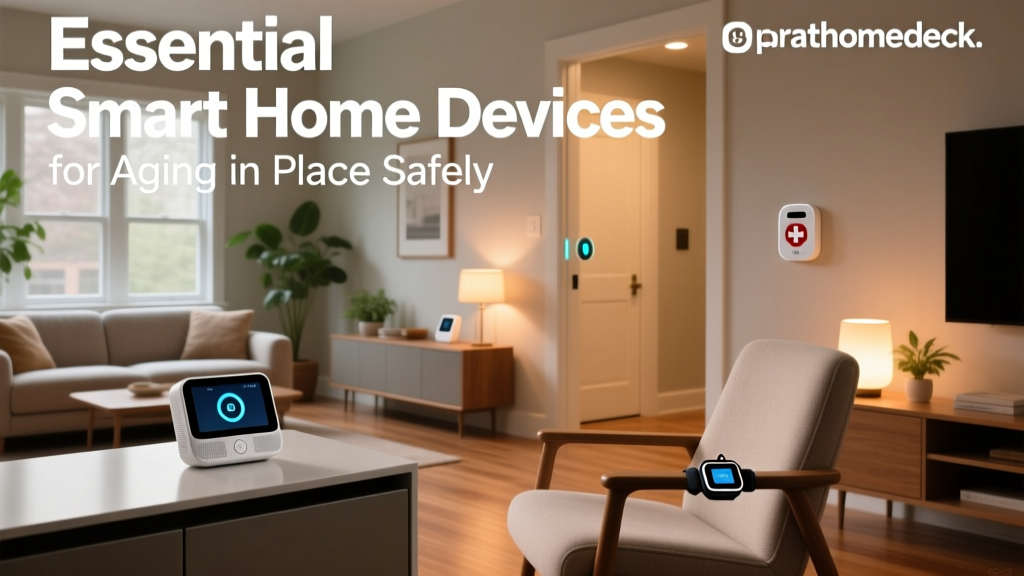
Imagine arriving home after a long day. As you pull into the driveway, the exterior lights illuminate your path, the front door unlocks automatically, the thermostat adjusts to your preferred temperature, and your favorite relaxing playlist begins to softly play through the living room speakers. You didn't lift a finger or open a single app. This seamless, almost magical experience is the essence of a fully automated home.
While the term 'smart home' is frequently tossed around in modern technology discussions, the true smart home automation meaning goes far beyond simply connecting your appliances to Wi-Fi. It represents a fundamental shift in how we interact with our living spaces, transforming passive structures into proactive environments that anticipate our needs, optimize energy consumption, and enhance our security.
In this comprehensive guide, we will explore the exact definition of home automation, break down the core components that make it possible, examine the tangible benefits, and provide you with a roadmap to begin your own smart home journey.
The True Meaning of Smart Home Automation
To truly understand the smart home automation meaning, we must first distinguish between a 'connected' home and an 'automated' home. Many people mistakenly believe that controlling a light bulb via a smartphone app constitutes automation. In reality, that is merely remote control. You are still the one making the decision, initiating the action, and pressing the button.
Automation, on the other hand, implies autonomy. It is the process of programming devices to execute specific actions based on predefined triggers, schedules, or sensor inputs without requiring manual intervention. A smart home automation system operates on a simple logic framework often referred to as 'If This, Then That' (IFTTT). For example: If the motion sensor detects movement in the hallway after midnight, then turn on the dim pathway lights. If the indoor air quality drops below a certain threshold, then turn on the air purifier.
Therefore, the true meaning of smart home automation is the creation of an interconnected ecosystem where devices communicate with one another and a central hub to manage the home's environment, security, and energy usage autonomously. It is about creating routines and workflows that reduce daily friction, allowing technology to work quietly in the background to improve your quality of life.
The Core Components: How Home Automation Works
Behind the scenes of every automated routine is a sophisticated network of hardware and software. Regardless of whether you are building a basic setup or a fully integrated luxury estate, all smart home systems rely on three fundamental components: sensors, controllers, and actuators.
1. Sensors (The Senses)
Sensors are the eyes and ears of your smart home. They monitor the environment and detect changes in physical conditions, sending this data to the central controller. Common examples include:
- Motion Sensors: Detect physical movement, often used for security alarms or triggering lights.
- Contact Sensors: Placed on doors and windows to detect when they are opened or closed.
- Environmental Sensors: Monitor temperature, humidity, air quality, and even water leaks.
- Light Sensors: Measure ambient sunlight to adjust indoor lighting or motorized blinds accordingly.
2. Controllers (The Brain)
The controller is the central processing unit that receives data from the sensors, processes the predefined logic, and issues commands to the actuators. Controllers can take several forms, including dedicated smart home hubs, voice assistants (like Amazon Echo or Apple HomePod), or even your smartphone. Modern systems often utilize cloud computing alongside local processing to ensure routines execute quickly and reliably, even if the internet connection drops.
3. Actuators (The Muscle)
Actuators are the devices that physically execute the command sent by the controller. They are the endpoints that create the tangible result of an automation routine. Examples include:
- Smart Switches & Relays: Cut or restore electrical power to lights and appliances.
- Motorized Valves: Shut off the main water supply if a leak is detected.
- Smart Locks: Engage or disengage the deadbolt on your front door.
- Thermostat Servos: Adjust the HVAC system to heat or cool the home.
When these three components work in harmony, the house transitions from a static shelter into a responsive, intelligent environment.
The Tangible Benefits of an Automated Home
Why invest time and money into building an automated home? The advantages extend far beyond the 'cool factor' of using voice commands. According to the U.S. Department of Energy, optimizing how we use appliances and electronics is crucial for reducing household energy consumption. Smart home automation directly addresses this by introducing precision and efficiency into daily routines.
Unmatched Energy Efficiency
One of the most significant benefits of home automation is the potential for energy conservation. A smart thermostat learns your schedule and adjusts the heating and cooling when the house is empty, preventing wasted energy. Similarly, smart lighting systems ensure that bulbs are never left on in empty rooms, and smart plugs can cut 'vampire power' to electronics that draw electricity even when turned off. Over time, these automated adjustments lead to substantial reductions in utility bills and a smaller carbon footprint.
Enhanced Security & Peace of Mind
Home automation drastically upgrades your property's security profile. Instead of relying on a traditional alarm that only sounds when a break-in occurs, automated security systems take proactive measures. If a smart security camera detects a person lingering on your porch, it can automatically trigger the porch lights to flash, start a recording, and send an instant alert to your phone. Furthermore, automated door locks and garage door controllers ensure that your home is always secured at bedtime, eliminating the anxiety of wondering if you remembered to lock up.
Elevated Convenience & Comfort
Automation removes the micro-chores from your daily life. Waking up to gradually brightening lights that mimic a natural sunrise, having the coffee maker start brewing the moment your alarm goes off, and returning to a perfectly climate-controlled home are all examples of how automation elevates daily comfort. It streamlines your routines, giving you back valuable time and mental energy.
Accessibility & Aging in Place
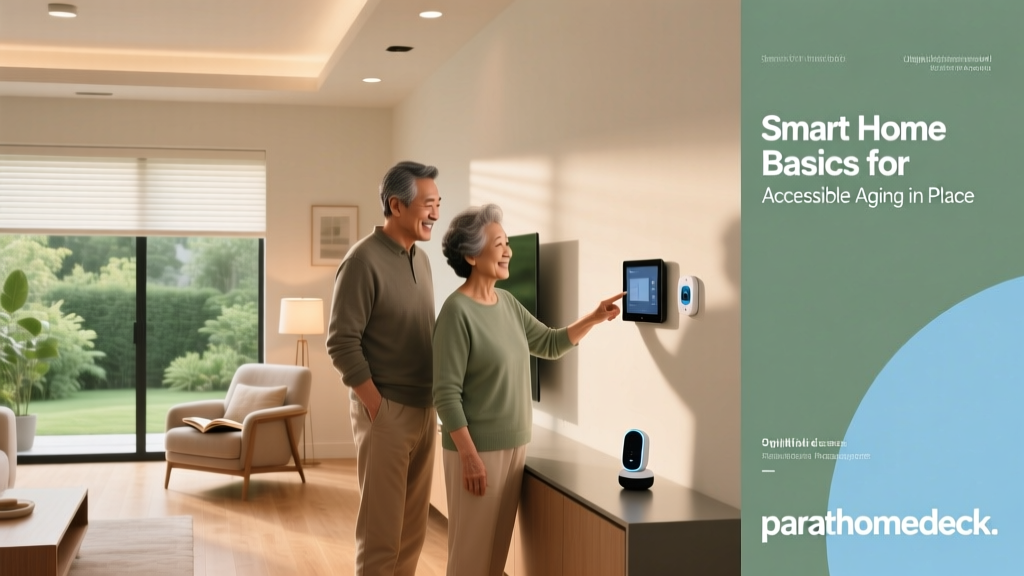
For elderly individuals or those with mobility challenges, smart home automation is life-changing. Voice-controlled interfaces and automated routines allow individuals to control their environment, lock doors, and adjust lighting without needing to physically navigate the house or manipulate small switches. This technology empowers people to live independently and safely in their own homes for much longer.
Understanding Smart Home Protocols & Ecosystems
For devices to communicate with sensors and controllers, they must speak the same digital language. These languages are known as wireless protocols. Understanding these protocols is vital when researching the smart home automation meaning and planning your device purchases.
- Wi-Fi: The most common protocol, ideal for high-bandwidth devices like security cameras and smart displays. However, Wi-Fi consumes a lot of power and can congest your home network if you have dozens of devices connected.
- Zigbee & Z-Wave: These are low-power, mesh-networking protocols designed specifically for smart home sensors, locks, and bulbs. In a mesh network, every plugged-in device acts as a signal repeater, extending the range and reliability of your smart home without burdening your Wi-Fi router.
- Bluetooth & Thread: Bluetooth is excellent for local, short-range connections. Thread is a newer, low-power mesh networking protocol that offers incredible speed and reliability, forming the backbone of the newest smart home standards.
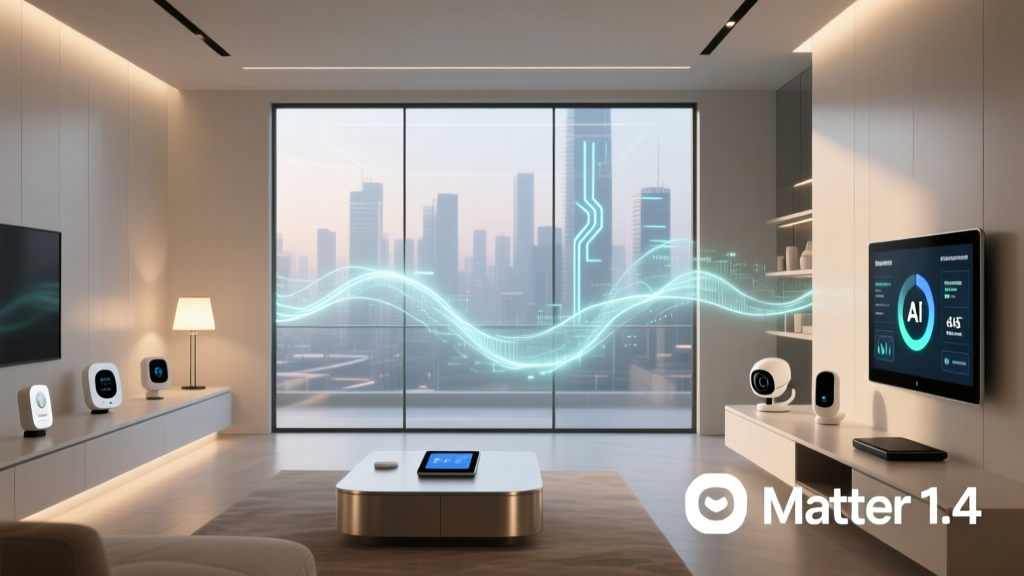
- Matter: Backed by major tech giants, Matter is a unifying application layer that sits on top of protocols like Wi-Fi and Thread. It ensures that devices from different brands can communicate seamlessly, breaking down the 'walled gardens' of the past and making home automation more accessible than ever.
When choosing an ecosystem, you will generally align with one of the major platforms: Amazon Alexa, Google Home, or Apple HomeKit. Each has its strengths, but the advent of the Matter standard is slowly making cross-platform compatibility a reality, allowing you to mix and match devices with greater ease.
How to Begin Your Smart Home Journey
Diving into home automation can feel overwhelming given the sheer volume of smart lighting options, hubs, and sensors on the market. The best approach is to start small and scale gradually.
- Identify Your Pain Points: What frustrates you about your current home? Do you hate turning off lights? Are you anxious about package theft? Do you want to lower your heating bill? Let your specific needs dictate your first purchases.
- Choose a Central Hub or Ecosystem: Decide whether you want to control your home primarily via voice (using a smart speaker), via a centralized app on your phone, or through a dedicated local hub for advanced, privacy-focused automations.
- Start with High-Impact, Low-Cost Devices: Smart plugs and smart bulbs are the perfect entry points. They are inexpensive, easy to install, and immediately demonstrate the power of scheduling and remote control.
- Expand to Sensors & Security: Once you are comfortable with basic routines, introduce motion sensors, contact sensors, and smart locks to create more complex, autonomous triggers.
- Refine Your Routines: The true magic happens in the software. Spend time tweaking your automations so they perfectly match your lifestyle, ensuring your home reacts exactly how you want it to, right when you need it to.
Frequently Asked Questions (FAQ)
Is smart home automation expensive to set up?
The cost of smart home automation is entirely scalable. You can begin automating your home for under $50 by purchasing a couple of smart plugs and a basic smart speaker. However, a fully integrated, whole-home automation system featuring custom-installed lighting, motorized shades, and professional-grade security can cost thousands of dollars. The beauty of modern systems is that you can start small and add devices over time as your budget allows.
Do I need a strong internet connection for home automation?
While a robust internet connection is necessary for remote access (controlling your home while you are away) and for cloud-based voice assistants, it is not strictly required for all local automations. If you utilize a local smart home hub and devices that communicate via local protocols like Zigbee, Z-Wave, or Thread, your automated routines will continue to execute even if your internet connection goes down. This local processing ensures reliability and faster response times.
Are smart home devices secure from hackers?
Like any internet-connected device, smart home products carry inherent cybersecurity risks. However, you can significantly mitigate these risks by following best practices. Always use strong, unique passwords for your smart home accounts, enable two-factor authentication (2FA), and keep your device firmware updated. Additionally, purchasing devices from reputable brands that prioritize security and offer regular software patches is crucial for protecting your digital and physical privacy.
Can I mix different brands in my smart home setup?
Historically, mixing brands was difficult due to proprietary ecosystems. Today, the landscape is much more forgiving. Platforms like Amazon Alexa, Google Home, and Apple HomeKit act as universal translators, allowing you to control a Philips Hue bulb, a Yale lock, and an Ecobee thermostat all from a single interface. Furthermore, the rollout of the Matter standard is specifically designed to guarantee cross-brand compatibility at a fundamental level, ensuring that devices from competing manufacturers can work together seamlessly in automated routines.
What is the difference between a smart device and an automated device?
A smart device is simply a product that can connect to a network and be controlled remotely, usually via a smartphone app. An automated device goes a step further by executing actions independently based on pre-programmed logic, schedules, or sensor inputs. While all automated devices in a smart home are 'smart,' not all smart devices are fully utilized for 'automation' unless they are integrated into a broader, trigger-based ecosystem.