As smart home technology continues to expand across South Asia and the Middle East, millions of Urdu-speaking homeowners are searching for clear explanations of home automation in their native language. Understanding the smart home meaning in Urdu goes far beyond a simple dictionary translation — it encompasses an entire ecosystem of connected devices, intelligent automation, and modern living concepts that deserve proper linguistic context.
Whether you are a bilingual homeowner trying to explain smart technology to family members, a tech enthusiast in Pakistan or India exploring home automation, or simply someone curious about how technological concepts translate across cultures, this comprehensive guide bridges the gap between English smart home terminology and its Urdu equivalents.
At Smart Home Deck, we believe that technology should be accessible to everyone, regardless of the language they speak. Let us explore the fascinating intersection of smart home technology and the Urdu language in detail.
What Is a Smart Home? The Urdu Translation Explained
The term "smart home" translates to "سمارٹ گھر" (pronounced "smart ghar") in Urdu. However, a more descriptive and culturally resonant translation would be "ذہین گھر" (pronounced "zaheen ghar"), where "zaheen" means intelligent or clever, and "ghar" means home or house.
In everyday conversation among Urdu speakers, you will also hear the phrase "خودکار گھر" (pronounced "khudkaar ghar"), which literally translates to "automated home." This version emphasizes the automation aspect of smart homes — the ability of devices to operate independently based on pre-set conditions, schedules, or learned behaviors.
The concept of a smart home, or سمارٹ گھر, refers to a residence equipped with internet-connected devices that allow the homeowner to remotely control and automate various functions such as:
- Lighting control — روشنی کا کنٹرول (roshni ka control)
- Temperature regulation — درجہ حرارت کا انتظام (darja hararat ka intizam)
- Security systems — حفاظتی نظام (hifazati nizam)
- Entertainment systems — تفریحی نظام (tafrihi nizam)
- Appliance management — آلات کا انتظام (aalat ka intizam)
- Energy monitoring — توانائی کی نگرانی (tawanai ki nigraani)
According to Statista's smart home market research, the global smart home market continues to grow exponentially, with significant adoption across South Asian countries where Urdu is widely spoken. This growth makes understanding these terms increasingly important for consumers, retailers, and technology professionals alike.
When explaining the concept to Urdu-speaking family members or friends, it helps to describe a سمارٹ گھر as a home where everyday objects can "think" and "communicate" with each other through the internet — essentially giving your home a nervous system that responds to your needs automatically.
Essential Smart Home Vocabulary in Urdu
Building fluency in smart home terminology across both English and Urdu opens doors to better communication, smarter purchasing decisions, and more effective troubleshooting. Below is an extensive breakdown of the most important smart home terms and their Urdu translations.
Core Device Terminology
| English Term | Urdu Translation | Transliteration | Description in Urdu Context |
|---|---|---|---|
| Smart Speaker | سمارٹ اسپیکر | Smart Speaker | A voice-controlled speaker that acts as a central hub |
| Smart Bulb | سمارٹ بلب | Smart Bulb | WiFi-enabled light bulb with color & brightness control |
| Smart Thermostat | سمارٹ تھرموسٹیٹ | Smart Thermostat | Device that learns & automates temperature preferences |
| Smart Lock | سمارٹ تالا | Smart Taala | Keyless lock operated via smartphone or voice |
| Smart Camera | سمارٹ کیمرہ | Smart Camera | Connected security camera with remote viewing |
| Smart Plug | سمارٹ پلگ | Smart Plug | Outlet adapter that makes any device smart |
| Smart Doorbell | سمارٹ گھنٹی | Smart Ghanti | Video-enabled doorbell with motion detection |
| Smart Hub | سمارٹ ہب | Smart Hub | Central device connecting all smart home products |
| Sensor | حساس آلہ / سینسر | Hissaas Aala / Sensor | Device that detects changes in environment |
| Voice Assistant | آوازی معاون | Awaazi Muaawin | AI-powered helper controlled by voice commands |
Concept and Action Terminology
| English Term | Urdu Translation | Transliteration |
|---|---|---|
| Automation | خودکاریت | Khudkaariyat |
| Voice Control | آواز سے کنٹرول | Awaaz se Control |
| Remote Access | دور سے رسائی | Door se Rasaai |
| Scheduling | شیڈولنگ / وقت بندی | Waqt Bandi |
| Scene / Routine | منظر / معمول | Manzar / Maamool |
| Geofencing | جغرافیائی باڑ | Jughrafiyaa'i Baarh |
| Energy Efficiency | توانائی کی بچت | Tawanai ki Bachat |
| Interconnectivity | باہمی ربط | Baahami Rabt |
| Cloud Storage | کلاؤڈ اسٹوریج | Cloud Storage |
| Firmware Update | فرم ویئر اپ ڈیٹ | Firmware Update |
Many technical terms in the smart home space are adopted directly into Urdu as loanwords, especially among younger, tech-savvy populations in urban centers like Karachi, Lahore, Islamabad, and Hyderabad. This linguistic blending — sometimes called "Urdish" — reflects how technology vocabulary naturally evolves in multilingual communities.
For a deeper dive into building your connected home setup, explore our smart home learning resources for comprehensive guides on every device category.
How Smart Home Technology Is Adopted in Urdu-S Speaking Regions
The adoption of smart home technology in Pakistan, parts of India, and among Urdu-speaking diaspora communities worldwide presents a unique landscape shaped by infrastructure, affordability, and cultural preferences.
Key Adoption Drivers
1. Growing Smartphone Penetration: With smartphone usage expanding rapidly across Pakistan and India, the gateway device for controlling smart home products is already in the hands of millions of Urdu speakers. The ability to control your سمارٹ گھر from a mobile app removes many barriers to entry.
2. Affordable Entry Points: Smart plugs (سمارٹ پلگ) and smart bulbs (سمارٹ بلب) offer low-cost entry into home automation. Many families begin their smart home journey with these simple, affordable devices before expanding to more complex systems.
3. Security Concerns: Home security — گھر کی حفاظت (ghar ki hifazat) — is a primary motivator for smart home adoption. Smart cameras and video doorbells appeal strongly to families looking for affordable, effective security solutions.
4. Energy Management: With electricity costs being a significant concern in many Urdu-speaking regions, smart devices that help monitor and reduce energy consumption — بجلی کی بچت (bijli ki bachat) — are particularly attractive.
Cultural Considerations
In many Urdu-speaking households, extended families live together, meaning smart home setups must accommodate multiple users with varying levels of technical literacy. Voice-controlled devices that support Urdu or Hindi language commands have gained popularity because they allow elderly family members to interact with technology without needing to navigate complex smartphone apps.
The concept of "مہمان نوازی" (mehmaan nawazi — hospitality) is deeply embedded in Urdu-speaking cultures, and smart home features like automated lighting scenes, smart doorbells, and climate control align naturally with the desire to create welcoming environments for guests.
According to Research & Markets, the Asia-Pacific smart home market is projected to experience substantial growth, driven by increasing urbanization and rising disposable incomes across the region.
Explaining Smart Home Concepts to Urdu Speakers: A Practical Guide
If you are helping a family member, friend, or client understand smart home technology in Urdu, here are effective strategies for communicating these concepts clearly and accurately.
Use Relatable Analogies
When explaining how a سمارٹ ہب (smart hub) works, compare it to a household manager or "گھر کا منتظم" (ghar ka muntazim) — someone who coordinates all the workers (devices) and ensures everything runs smoothly. This analogy resonates well because the concept of a central household coordinator is familiar in South Asian homes.
For explaining خودکاریت (automation), use the analogy of a daily prayer schedule — just as prayer times are automatically calculated and occur at set intervals without manual intervention, smart home routines execute automatically based on time, conditions, or triggers.
Start with Familiar Problems
Frame smart home solutions around problems that Urdu-speaking families commonly face:
- "کیا آپ بھول جاتے ہیں کہ لائٹ بند کرنی ہے؟" — Do you forget to turn off the lights? A smart bulb with scheduling solves this.
- "کیا آپ گھر سے باہر رہتے ہوئے فکر مند ہوتے ہیں؟" — Do you worry when you are away from home? A smart camera lets you check in anytime.
- "کیا بجلی کا بل زیادہ آتا ہے؟" — Is the electricity bill too high? Smart plugs and energy monitors help track and reduce usage.
- "کیا رات کو اٹھ کر دروازہ کھولنا پڑتا ہے؟" — Do you have to get up at night to open the door? A smart lock lets you unlock it from your phone.
Provide Bilingual Documentation
When setting up smart home devices for Urdu-speaking users, create simple instruction sheets that pair English interface terms with their Urdu equivalents. For example, label the smart home app's main functions with sticky notes or a printed guide showing:
- "Turn On" = چالو کریں (chaaloo karen)
- "Turn Off" = بند کریں (band karen)
- "Schedule" = شیڈول (schedule)
- "Settings" = ترتیبات (tarteebaat)
- "Devices" = آلات (aalat)
For more tips on setting up and optimizing your smart home, visit our smart home setup guide for step-by-step instructions.
Smart Home Protocols and Standards: Technical Terms in Urdu
Understanding the technical backbone of smart homes becomes especially important when troubleshooting or expanding your system. Here is how key protocol and standard terms translate and function within the context of Urdu-speaking smart home enthusiasts.
Wireless Communication Protocols
WiFi (وائی فائی): The most common connectivity standard in smart homes. Urdu speakers typically use the English term directly. WiFi enables devices to communicate through your home's existing internet router — راؤٹر (router).
Zigbee (زگبی): A low-power mesh networking protocol popular for smart lighting and sensors. In Urdu tech communities, it is referred to by its English name and understood as a "کم طاقت والا وائرلیس نظام" (low-power wireless system).
Z-Wave (زی ویو): Another mesh protocol designed specifically for home automation. It operates on different frequencies than WiFi, reducing interference — a concept described in Urdu as "مداخلت میں کمی" (madakhlat mein kami).
Bluetooth (بلیوٹوتھ): Used for short-range communication, especially during device setup. Universally known by its English name among Urdu speakers.
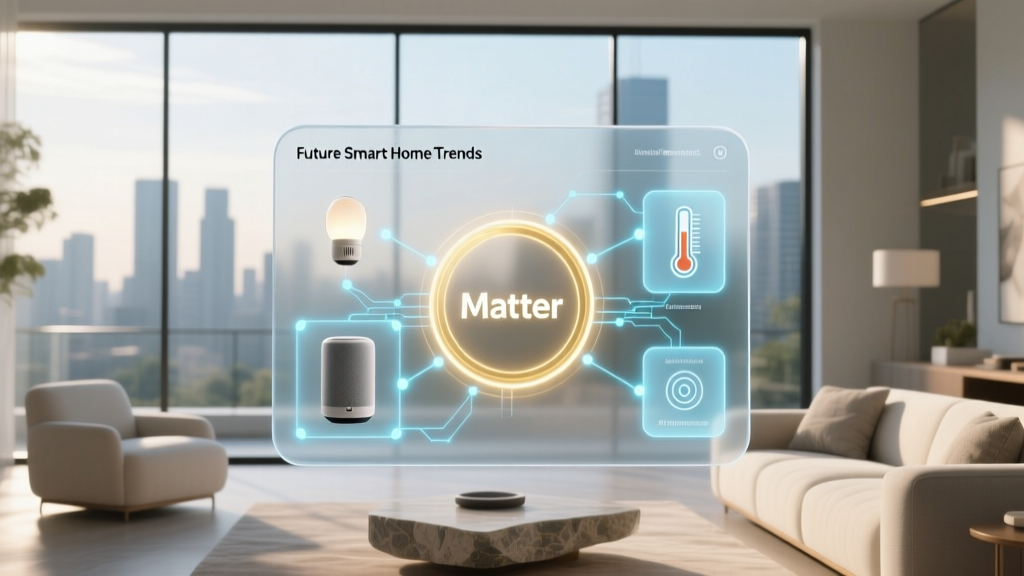
Matter (میٹر): The newer universal smart home standard that promises cross-brand compatibility. In Urdu discussions, it is described as "ایک عالمی معیار جو تمام برانڈز کو جوڑتا ہے" (a global standard that connects all brands).
Voice Assistant Ecosystems
The three major voice assistants have varying levels of support for Urdu and related languages:
- Amazon Alexa — Primarily English-based, but can understand simple Urdu/Hindi commands when configured with multilingual mode. Referred to as "ایمیزون الیکسا" in Urdu.
- Google Assistant — Offers the best support for Urdu and Hindi among the major assistants. Known as "گوگل اسسٹنٹ" and can be set to respond in Hindi, which shares significant vocabulary with Urdu.
- Apple Siri — Limited South Asian language support but integrated deeply into the Apple ecosystem. Called "ایپل سری" in Urdu.
According to Pew Research Center, internet adoption across South Asia continues to accelerate, creating a larger audience for smart home technology and increasing the demand for multilingual support in connected devices.
Building a Smart Home on Any Budget: Advice for Urdu-Speaking Households
One of the most common questions in Urdu-speaking smart home communities is "سمارٹ گھر بنانے میں کتنا خرچہ آتا ہے؟" — How much does it cost to build a smart home? The answer varies widely depending on your goals, but here is a tiered approach that works well for families at different budget levels.
Starter Level — ابتدائی سطح
Begin with affordable, high-impact devices:
- 2-3 smart bulbs for main living areas
- 1 smart plug for a frequently used appliance
- A basic smart speaker for voice control
This setup introduces the concept of خودکاریت (automation) without a major financial commitment and allows family members to experience the convenience firsthand.
Intermediate Level — درمیانی سطح
Expand your سمارٹ گھر with security and comfort features:
- Smart thermostat for climate control
- Smart doorbell camera for entrance monitoring
- Additional smart plugs and switches throughout the home
- Smart locks for main entry points
Advanced Level — اعلیٰ سطح
Create a fully integrated smart home experience:
- Whole-home lighting automation with scenes and schedules
- Comprehensive security camera system
- Smart blinds and curtains
- Multi-room audio system
- Dedicated smart home hub for centralized control
- Energy monitoring system for the entire house
For detailed product recommendations at every budget level, check out our best smart home devices guide for expert-reviewed picks.
Frequently Asked Questions About Smart Home Meaning in Urdu
What is the most accurate Urdu translation for "smart home"?
The most commonly used translation is "سمارٹ گھر" (smart ghar), which directly transliterates the English term. However, "ذہین گھر" (zaheen ghar) is a more linguistically authentic translation meaning "intelligent home." In everyday conversation, especially in Pakistan, most people simply say "smart home" using the English words, as the term has been widely adopted as a loanword in urban Urdu vocabulary.
Can smart home devices understand Urdu voice commands?
Currently, most mainstream smart home devices do not natively support Urdu as a standalone language. However, Google Assistant offers Hindi support, which shares considerable vocabulary and grammatical structure with Urdu, making it partially functional for basic Urdu commands. Amazon Alexa's multilingual mode can also pick up some Urdu phrases mixed with English. The smart home industry is evolving rapidly, and native Urdu support is expected to expand as the market in South Asia grows. For now, many Urdu speakers successfully use a mix of English and Urdu — often called "code-switching" — when interacting with voice assistants.
How do I explain "Internet of Things" (IoT) in Urdu?
The Internet of Things translates to "چیزوں کا انٹرنیٹ" (cheezon ka internet) in Urdu. A simpler explanation would be "روزمرہ چیزوں کو انٹرنیٹ سے جوڑنا" (rozmarah cheezon ko internet se jorna) — connecting everyday objects to the internet. When explaining to non-technical family members, describe it as giving your household items the ability to "talk" to each other and to you through the internet, much like how family members communicate through phone calls and messages.
What is "home automation" called in Urdu?
Home automation is most accurately translated as "گھر کی خودکاریت" (ghar ki khudkaariyat). The word "خودکار" (khudkaar) means automatic or self-operating, and "خودکاریت" (khudkaariyat) is the noun form meaning automation. In casual tech discussions, many Urdu speakers simply use the English phrase "home automation" or the hybrid phrase "گھر آٹومیشن" (ghar automation), blending Urdu and English in the way that is natural to bilingual communities.
Are there smart home resources available in Urdu language?
Yes, the availability of Urdu-language smart home resources has grown significantly. YouTube channels dedicated to Pakistani and Indian tech reviews often cover smart home products in Urdu and Hindi. Online forums, Facebook groups, and WhatsApp communities focused on smart home enthusiasts in South Asia frequently share tips, troubleshooting advice, and product recommendations in Urdu. Additionally, major e-commerce platforms operating in Pakistan and India increasingly offer product descriptions and customer support in Urdu. For English-language resources that are accessible and easy to follow, Smart Home Deck provides comprehensive guides designed for readers at every experience level.
Conclusion: Bridging Language and Technology
Understanding the smart home meaning in Urdu is about more than vocabulary — it is about making technology accessible, inclusive, and practical for millions of Urdu-speaking households around the world. Whether you call it سمارٹ گھر, ذہین گھر, or خودکار گھر, the promise of smart home technology remains the same: a more comfortable, secure, and efficient living environment.
As smart home manufacturers continue to invest in multilingual support and as internet connectivity improves across South Asia, the barrier between language and technology will continue to diminish. Until then, bilingual resources, community knowledge-sharing, and guides like this one play a vital role in empowering every homeowner to embrace the future of connected living.
Explore more smart home guides, product reviews, and setup tutorials at Smart Home Deck — your trusted resource for building the intelligent home of your dreams, no matter what language you speak.