Best Matter Devices: The Complete Guide to Choosing Smart Home Gear
The smart home landscape has been fragmented for years. Homeowners have juggled multiple apps, incompatible ecosystems, and devices that simply refuse to talk to one another. Enter Matter — the universal smart home protocol developed by the Connectivity Standards Alliance (CSA) that promises to end the era of walled gardens. If you are building or upgrading a connected home, understanding which Matter devices are worth your investment is essential.
In this comprehensive guide, we break down everything you need to know about the Matter protocol and highlight the best Matter devices across every major category. Whether you use Apple HomeKit, Google Home, Amazon Alexa, or Samsung SmartThings, Matter ensures your devices work seamlessly together.
What Is Matter? A Protocol Overview
Matter is an open-source, royalty-free smart home connectivity protocol that operates at the application layer. Originally known as Project CHIP (Connected Home over IP), the protocol was renamed to Matter and officially launched to give consumers a single, unified standard for smart home communication. The CSA — formerly the Zigbee Alliance — leads development, with backing from industry giants including Apple, Google, Amazon, Samsung, and hundreds of other companies.
At its core, Matter solves three critical problems:
- Interoperability: Devices from different manufacturers communicate using a common language, eliminating the need for proprietary bridges or cloud-dependent hubs.
- Simplicity: A unified setup process means you can add a Matter device to any compatible platform with a simple QR code scan or commissioning flow.
- Reliability: Matter leverages local network communication (via Wi-Fi or Thread) so your devices respond instantly, even when your internet connection goes down.
Matter supports a growing list of device categories, including lighting, plugs, switches, sensors, locks, thermostats, window coverings, garage door controllers, robot vacuums, and more. The protocol is transport-agnostic at the network layer, meaning it can run over Wi-Fi, Thread, or Ethernet, giving manufacturers flexibility in how they design their hardware.
For a deeper dive into how smart home protocols compare, check out our complete protocol comparison guide to understand where Matter fits alongside Zigbee, Z-Wave, and other standards.
How Matter Works: Architecture & Communication
Understanding how Matter works under the hood helps you make smarter purchasing decisions. Here is a breakdown of the protocol’s architecture and communication model.
The Matter Stack
Matter operates as a layered protocol stack. At the bottom sits the network transport layer (Wi-Fi, Thread, or Ethernet). Above that is the IPv6 networking layer, which ensures every device has a unique address on your local network. The security layer provides end-to-end encryption using established standards like TLS and DTLS. At the top, the application layer defines device types, clusters (functional groupings like on/off, level control, or color control), and attributes that describe a device’s state.
Thread vs. Wi-Fi: Choosing the Right Transport
One of the most important distinctions among Matter devices is whether they use Wi-Fi or Thread for communication:
- Wi-Fi Matter Devices: These connect directly to your existing router. They are ideal for high-bandwidth devices like smart displays, cameras (in future Matter versions), and plugs. However, they can add congestion to your network if you have dozens of devices.
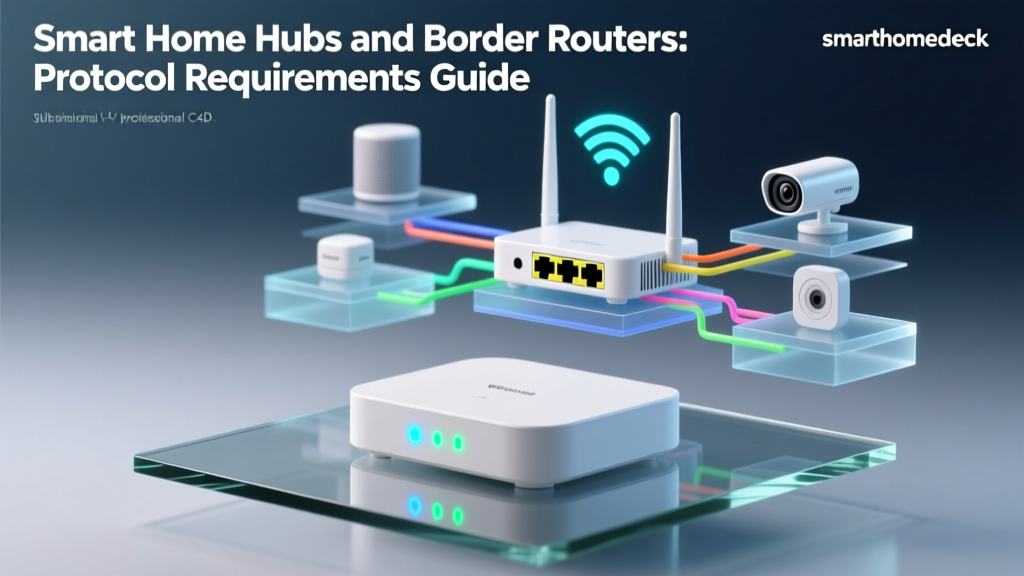
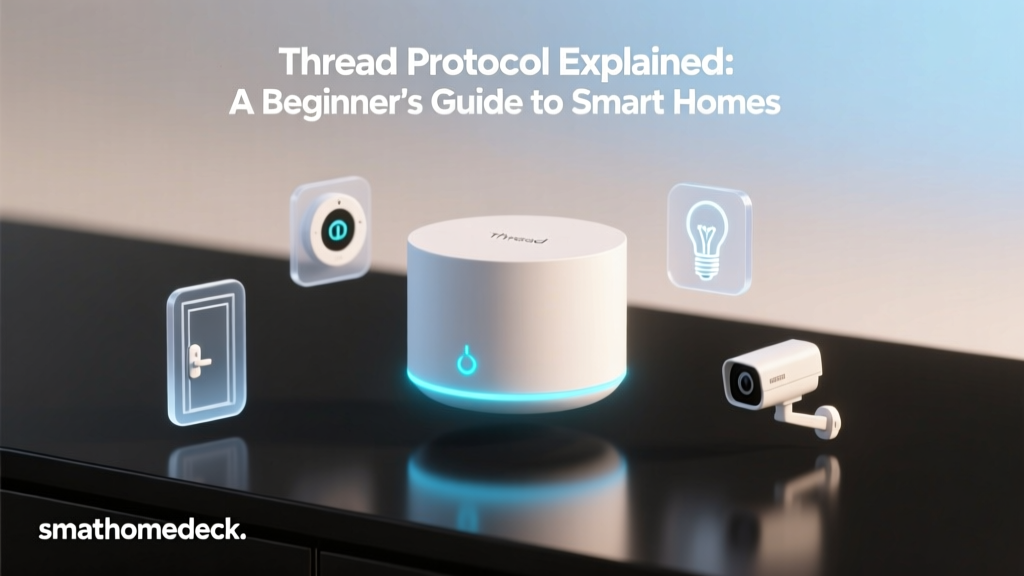
- Thread Matter Devices: Thread is a low-power mesh networking protocol built on IPv6. Thread devices form a self-healing mesh, meaning each device can relay messages for others. This makes Thread ideal for battery-powered sensors, light bulbs, and switches. You will need a Thread border router — built into many modern smart speakers and hubs — to bridge Thread devices to your home network.
Multi-Admin: One Device, Multiple Ecosystems
One of Matter’s most powerful features is multi-admin. This allows a single Matter device to be controlled simultaneously by multiple smart home platforms. For example, a Matter smart plug can appear in Apple Home, Google Home, and Amazon Alexa at the same time. Each platform acts as an independent administrator, and you do not need to choose just one. This is a game-changer for households where family members use different ecosystems.
Commissioning Process
Adding a Matter device to your home follows a standardized commissioning flow. You typically scan a QR code or NFC tag on the device using your phone’s smart home app. The app then securely transfers network credentials and cryptographic keys to the device. Once commissioned, the device joins your local network and is immediately controllable. The entire process usually takes less than 60 seconds.
If you are curious about the underlying networking, our Thread protocol explainer covers the mesh networking technology that powers many of the best Matter devices.
Compatibility: Which Platforms Support Matter?
Before buying any Matter device, it is critical to confirm that your existing smart home setup can act as a Matter controller. Here is a breakdown of major platform compatibility.
Apple HomeKit
Apple has been one of the strongest advocates for Matter. Devices running iOS 16.1 or later, iPadOS 16.1 or later, macOS Ventura or later, and tvOS 16.1 or later can serve as Matter controllers. Apple TV (4K, 2nd generation or later) and HomePod (2nd generation) and HomePod mini all function as Matter controllers and Thread border routers. If you are deep in the Apple ecosystem, you are well-positioned for Matter adoption.
Google Home
Google Home supports Matter across Android devices and its Nest lineup. Nest Hub, Nest Hub Max, Nest Mini (2nd gen), Nest Audio, and Nest Wifi Pro all serve as Matter controllers. Several of these devices also include Thread border router functionality. The Google Home app on Android and iOS provides a streamlined setup experience for Matter devices.
Amazon Alexa
Amazon has rolled out Matter support across a wide range of Echo devices. Echo (4th gen), Echo Show 10, Echo Show 8 (3rd gen), Echo Studio, and Echo Dot (5th gen) all support Matter. Many newer Echo devices also include Thread border router capabilities. You can set up Matter devices through the Alexa app, and Amazon’s Frustration-Free Setup further simplifies the process.
Samsung SmartThings
Samsung SmartThings has embraced Matter as a core part of its platform. The SmartThings Station, SmartThings Hub (v3 and later), and select Samsung Galaxy phones and tablets all support Matter. SmartThings is particularly strong in the Asian market and integrates well with Samsung appliances.
What You Need to Get Started
At minimum, you need three things to use Matter devices:
- A Matter-compatible controller (smart speaker, hub, or phone)
- A Wi-Fi network (for Wi-Fi Matter devices) or a Thread border router (for Thread Matter devices)
- The smart home app for your preferred platform (Apple Home, Google Home, Alexa, or SmartThings)
For a full list of compatible hubs and controllers, visit our smart home hub comparison page.
Performance & Security: Why Matter Stands Out
Performance and security are two areas where Matter significantly outpaces many legacy smart home protocols. Here is what you need to know.
Local Control & Low Latency
Matter devices communicate locally on your network whenever possible. This means that when you flip a smart switch or trigger an automation, the command travels directly between your controller and the device without bouncing through a cloud server. The result is near-instant response times — typically under 100 milliseconds for Thread devices and under 200 milliseconds for Wi-Fi devices.
Local control also means your smart home continues to function even when your internet connection drops. Automations that run on a local hub (like Apple TV, Google Nest Hub, or SmartThings Hub) will execute regardless of cloud connectivity.
Mesh Networking with Thread
Thread-based Matter devices benefit from mesh networking. Each Thread device can relay messages for other devices, extending the effective range of your network and improving reliability. If one device goes offline, the mesh automatically reroutes traffic through alternate paths. This self-healing capability makes Thread-based Matter setups exceptionally robust, especially in larger homes.
End-to-End Encryption
Security is baked into Matter at every layer. All communication between devices and controllers is encrypted using AES-128 encryption and elliptic curve cryptography. During commissioning, a secure key exchange takes place that prevents unauthorized devices from joining your network. Matter also uses certificate-based authentication, meaning every device carries a unique cryptographic identity verified by the CSA.
Over-the-Air Updates
Matter includes a standardized mechanism for over-the-air (OTA) firmware updates. Manufacturers can push security patches and feature improvements directly to your devices. The OTA update process is encrypted and signed, preventing malicious firmware from being installed.
Privacy by Design
Because Matter operates locally, your device data does not need to be sent to the cloud for processing. This is a significant privacy advantage over cloud-dependent smart home devices. Your usage patterns, schedules, and sensor data stay within your home network unless you explicitly enable cloud features through a specific platform.
For more on securing your connected home, read our smart home security guide.
Best Matter Devices: Top Picks by Category
Now that you understand how Matter works and what you need to support it, let’s explore the best Matter devices available today. We have organized our picks by category to help you find exactly what your smart home needs.
Best Matter Smart Plugs
Smart plugs are the easiest entry point into the Matter ecosystem. They are affordable, simple to set up, and immediately useful.
Eve Energy Smart Plug is widely regarded as one of the best Matter plugs on the market. It supports both Thread and Matter, includes energy monitoring capabilities, and works seamlessly with Apple Home, Google Home, and Amazon Alexa. The Eve Energy uses a compact form factor that does not block adjacent outlets, and its build quality is exceptional. Energy monitoring lets you track real-time and historical power consumption through the Eve app or your preferred smart home platform.
TP-Link Tapo Matter Plug (P125M) is another excellent choice that offers reliable Matter-over-Wi-Fi connectivity. It features a slim design, energy monitoring, and scheduling capabilities. TP-Link’s Tapo ecosystem is mature, and the companion app provides useful features like away mode and timer functions.
Meross Matter Smart Plug offers a budget-friendly option without sacrificing reliability. It supports Matter over Wi-Fi and works across all major platforms. While it lacks energy monitoring, it delivers solid performance for basic on/off control and automations.
Best Matter Smart Lighting
Lighting is where Matter truly shines, offering instant control and rich automation possibilities.
Philips Hue Bulbs with Matter remain the gold standard for smart lighting. With the updated Hue Bridge firmware, Philips Hue bulbs can be exposed to Matter, allowing multi-platform control while retaining the advanced features of the Hue ecosystem — including scenes, dynamic lighting, and entertainment sync. The Hue system uses Zigbee internally but bridges to Matter through the Hue Bridge, giving you the best of both worlds.
Nanoleaf Essentials A19 Bulb is a standout Thread-based Matter bulb. It supports both Matter and Thread natively, meaning it connects directly to your Thread mesh without a proprietary bridge. The bulb offers 16 million colors, tunable white from warm to cool, and smooth dimming. Nanoleaf’s implementation is clean, responsive, and benefits from Thread’s mesh reliability.
GE Cync Full Color Direct Connect Bulbs are a solid mainstream option. These Wi-Fi-based Matter bulbs offer full color and tunable white without requiring a hub. They are widely available and affordable, making them a great choice for outfitting multiple rooms.
Explore more lighting options in our smart lighting buyer’s guide.
Best Matter Sensors
Sensors are the backbone of smart home automations, and Matter makes them more versatile than ever.
Eve Motion Sensor is a premium Thread-based Matter motion sensor with an impressive 160-degree detection angle and adjustable sensitivity. It runs on two AA batteries that last over a year thanks to Thread’s low power consumption. The sensor also includes a built-in ambient light sensor, enabling automations that consider both motion and light levels.
Aqara Door & Window Sensor P2 is one of the first dedicated Matter contact sensors. It uses Thread for communication and features a compact, unobtrusive design. The sensor reports open/close status instantly and can trigger automations like turning on lights when a door opens or sending alerts when a window is left open.
Eve Door & Window Sensor is another excellent Thread-based option with a sleek design and reliable performance. It integrates beautifully with Apple Home and works across all Matter-compatible platforms.
Best Matter Switches & Relays
For permanent smart home installations, in-wall switches and relays offer a clean, professional look.
Eve Light Switch replaces your existing wall switch and adds Matter-over-Thread smart control. It supports dimming, scheduling, and automations. The switch requires a neutral wire and is designed for single-pole installations. Its minimalist design blends seamlessly with standard wall plates.
Inovelli White Series Switch is a favorite among smart home enthusiasts. It supports Matter, Zigbee, and Thread, giving you maximum flexibility. The switch features an LED notification bar that can display custom colors and patterns based on automations — for example, flashing red when a smoke alarm triggers. Inovelli switches are highly configurable and work with all major platforms.
Best Matter Thermostats & Climate Control
Eve Thermo is a Thread-based Matter smart radiator valve that replaces traditional thermostatic radiator valves (TRVs). It allows room-by-room temperature control and integrates with Matter automations. The built-in display shows the current temperature, and the valve operates quietly. Eve Thermo is particularly popular in European homes with radiator-based heating systems.
As more thermostat manufacturers adopt Matter, expect to see options from established brands like Ecobee and Honeywell joining the ecosystem.
Best Matter Hubs & Controllers
Every Matter setup needs at least one controller. Here are the best options:
Apple TV 4K (3rd Generation) serves as both a Matter controller and a Thread border router. It is the ideal choice for Apple Home users, offering fast local processing, Siri voice control, and seamless integration with the Home app. The built-in Thread border router means you do not need a separate device for Thread-based Matter accessories.
Google Nest Hub (2nd Gen) and Nest Hub Max both support Matter and include Thread border routers. The Nest Hub’s compact form factor and Google Assistant integration make it a versatile controller for any room.
Amazon Echo (4th Gen) is a powerful Matter controller with a built-in Zigbee hub and Thread border router. It is an excellent all-in-one solution for Alexa users who want to bridge multiple protocols.
Samsung SmartThings Station is a dedicated Matter controller and Thread border router designed for the SmartThings ecosystem. It is compact, affordable, and supports both Wi-Fi and Thread Matter devices.
Compare these options side by side in our best smart home hubs roundup.
Best Matter Window Coverings
Eve MotionBlinds bring Matter-over-Thread support to motorized window coverings. Available in roller blind and roman blind formats, they offer quiet operation, precise positioning, and integration with Matter automations. You can schedule blinds to open at sunrise, close at sunset, or react to temperature sensors for passive climate control.
Aqara Roller Shade Driver E1 is a retrofit solution that motorizes your existing roller shades and supports Matter. It mounts to the wall or window frame and drives the shade’s beaded chain. This is an affordable way to add smart control to shades you already own.
Frequently Asked Questions
Do I need to replace all my existing smart home devices to use Matter?
No. Matter is designed to coexist with your existing smart home devices. Many existing hubs and bridges — including the Philips Hue Bridge, Samsung SmartThings Hub, and various Aqara hubs — have received firmware updates that expose connected devices to Matter. This means your existing Zigbee or Z-Wave devices can be controlled through Matter-compatible platforms without replacing them. You only need to purchase native Matter devices for new additions to your smart home.
Is Matter the same thing as Thread?
No, but they are closely related. Matter is an application-layer protocol that defines how devices communicate, what commands they understand, and how they are secured. Thread is a networking protocol that defines how devices connect wirelessly using a low-power mesh network. Matter can run over Thread, Wi-Fi, or Ethernet. Think of Matter as the language devices speak and Thread as one of the roads that language travels on. Many of the best Matter devices use Thread because it offers low latency, low power consumption, and mesh reliability.
Can I use Matter devices without an internet connection?
Yes. One of Matter’s key advantages is local control. Once a Matter device is commissioned and connected to your local network, it can be controlled by a local Matter controller (like an Apple TV, Google Nest Hub, or SmartThings Hub) without any internet connection. Automations that are processed locally will continue to run. However, remote access (controlling your devices when you are away from home) and cloud-based voice assistant features will require an active internet connection.
Are Matter devices more expensive than non-Matter smart home devices?
Not necessarily. Matter devices span a wide range of price points. Budget-friendly Matter smart plugs are available for under $15, while premium devices like smart locks and motorized blinds can cost significantly more. In many cases, Matter devices are priced similarly to their non-Matter counterparts. The added value comes from cross-platform compatibility, local control, and future-proofing. As Matter adoption grows, economies of scale are expected to drive prices down further.
How do I know if a device truly supports Matter?
Look for the official Matter logo on the product packaging or product listing. The CSA requires all certified Matter devices to display this logo. You can also check the CSA’s certified products database to verify a device’s certification. Be cautious of products that claim to be “Matter-compatible” or “Matter-ready” without displaying the official logo — these may require a future firmware update that has not yet been released. When in doubt, check the manufacturer’s documentation for specific Matter certification details.
Final Thoughts
Matter represents the most significant advancement in smart home interoperability in over a decade. By providing a universal language that works across Apple, Google, Amazon, and Samsung ecosystems, Matter eliminates the frustration of incompatible devices and locked-in platforms. The best Matter devices combine reliable local control, strong security, and seamless multi-platform support.
Whether you are starting fresh with your first smart plug or building a whole-home automation system, Matter gives you the freedom to choose devices based on quality and features rather than ecosystem lock-in. Start with a solid controller, add Thread border routers for mesh coverage, and gradually build your collection of Matter devices room by room.
Ready to start building your Matter-powered smart home? Browse our smart home starter kit guide for curated device bundles, or explore our protocol comparison hub to learn how Matter fits into the broader smart home landscape.