Protocol Overview: The Evolution of the Connected Home
The transition from traditional, isolated household appliances to a fully integrated smart home ecosystem represents one of the most significant shifts in modern residential technology. At its core, a smart home is not merely a collection of gadgets; it is a sophisticated network of sensors, actuators, and controllers communicating via specialized IoT (Internet of Things) protocols. Understanding the benefits of smart home devices requires looking past the surface-level convenience and examining the underlying architecture that allows these systems to optimize energy consumption, enhance physical security, and adapt to human behavior in real time.
When we evaluate smart home technology as a unified protocol rather than individual products, the true value emerges. Interconnected devices share telemetry data, creating a feedback loop that allows the home to anticipate needs, mitigate risks, and reduce resource waste. From the mesh networking capabilities of low-power radios to the edge-computing algorithms running on local hubs, the modern connected home is a marvel of distributed computing. This comprehensive guide explores the technical and practical benefits of smart home devices, detailing how interoperability standards, performance optimizations, and security protocols work together to elevate the standard of living.
The Architecture of Smart Home Automation: How It Works
To fully appreciate the benefits of smart home devices, one must first understand the fundamental architecture that governs their operation. A smart home ecosystem operates on a continuous loop of data collection, processing, and execution. This loop is facilitated by three primary components: sensors, controllers, and actuators.
The Sensor-Controller-Actuator Loop
Sensors are the sensory organs of the smart home. They monitor environmental variables such as temperature, humidity, ambient light, motion, and even air quality. When a sensor detects a change in its environment, it transmits this telemetry data to a central controller or a distributed edge-computing node. The controller processes this data against predefined automation routines or machine-learning algorithms. If a specific condition is met, the controller sends a command to an actuator—the physical mechanism that performs an action, such as a motorized valve on a smart water main, a dimmer switch on a lighting circuit, or a relay in a smart plug.
Local vs. Cloud Processing
One of the most critical distinctions in smart home performance is where the data processing occurs. Early generations of smart devices relied heavily on cloud processing, meaning every command and sensor reading had to travel to a remote server and back. This introduced latency and created a single point of failure if the internet connection dropped. Modern smart home protocols prioritize local processing via dedicated hubs or edge devices. Local execution ensures that automation routines—such as turning on the lights when motion is detected or shutting off the HVAC system when a window is opened—execute instantly, regardless of external network conditions. This shift toward local processing is a massive benefit, ensuring reliability and speed that cloud-only systems simply cannot match.
Mesh Networking and Signal Propagation
Unlike traditional Wi-Fi networks that rely on a single central router, many smart home devices utilize mesh networking protocols. In a mesh network, every hardwired device acts as a repeater, bouncing signals from battery-operated sensors back to the central hub. This creates a robust, self-healing web of connectivity that eliminates dead zones and ensures that a sensor in the farthest corner of the property maintains a stable connection. This architectural resilience is fundamental to the reliability of the entire smart home ecosystem.
Compatibility & Interoperability Standards
Historically, the smart home market was heavily fragmented. Consumers were forced to choose a single brand ecosystem, resulting in walled gardens where devices from different manufacturers could not communicate. The true benefits of smart home devices are only realized when they can interoperate seamlessly, triggering complex, multi-device routines based on a single event. The industry has since pivoted toward universal interoperability standards, fundamentally changing how devices interact.
The Rise of Matter and Thread
The introduction of the Matter protocol has been a watershed moment for smart home compatibility. Matter operates as an application layer that sits on top of existing transport protocols like Wi-Fi and Thread. It provides a unified language for devices, ensuring that a smart lock from one manufacturer can seamlessly communicate with a smart hub and lighting system from another. Thread, a low-power, low-latency mesh networking protocol, serves as the ideal transport layer for Matter. Together, they eliminate the friction of device onboarding, reduce reliance on cloud-based bridging, and ensure that the benefits of automation are accessible across diverse hardware ecosystems.
Legacy Protocols: Zigbee and Z-Wave
While Matter represents the future, legacy protocols like Zigbee and Z-Wave continue to offer immense benefits, particularly in sensor networks. Both protocols operate on sub-GHz or 2.4GHz frequencies distinct from congested Wi-Fi bands, ensuring that your smart home traffic does not interfere with your streaming or browsing. Z-Wave, in particular, operates on a sub-GHz frequency that excels at penetrating solid walls, making it highly beneficial for large properties or homes with dense building materials. Understanding these protocols allows homeowners to build a heterogeneous network that leverages the specific strengths of each technology, maximizing both range and battery life for remote sensors.
Performance, Efficiency, & Tangible Benefits
The most quantifiable benefits of smart home devices are found in their ability to optimize resource consumption and improve environmental comfort. By replacing static, manual systems with dynamic, data-driven automation, homeowners can achieve significant reductions in utility costs while simultaneously reducing their carbon footprint.
HVAC Optimization and Thermal Management
Heating, ventilation, and air conditioning (HVAC) account for the largest portion of residential energy consumption. Smart thermostats utilize advanced PID (Proportional-Integral-Derivative) control algorithms to maintain precise temperatures, avoiding the overshoot and undershoot common in traditional mechanical thermostats. Furthermore, modern smart thermostats integrate with occupancy sensors and geofencing protocols. By detecting when the home is empty or when residents are sleeping, the system dynamically adjusts the thermal envelope, reducing energy waste without sacrificing comfort. When integrated with smart motorized blinds, the system can passively regulate indoor temperatures by harnessing solar gain during winter months and blocking it during the summer, drastically reducing the load on the HVAC system.
Lighting Efficiency and Circadian Rhythm Alignment
Smart lighting extends far beyond the convenience of voice commands. By utilizing smart switches and LED ecosystems, homeowners can implement occupancy-based automation, ensuring lights are never left on in empty rooms. More importantly, smart lighting systems support tunable white and full-spectrum color control. This allows the lighting environment to mimic the natural progression of the sun, shifting from cool, blue-enriched light in the morning to promote alertness, to warm, amber-toned light in the evening to support natural melatonin production. This intersection of energy efficiency and biological well-being is a profound benefit of advanced lighting protocols.
Mitigating Phantom Loads with Smart Plugs
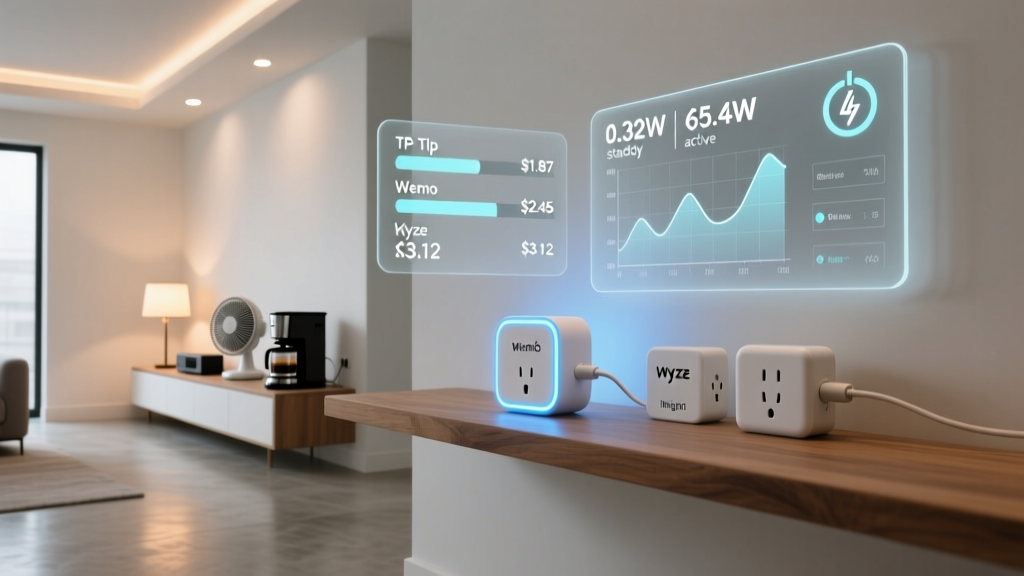
Many modern electronics draw power even when turned off, a phenomenon known as phantom load or vampire power. Smart plugs equipped with energy monitoring capabilities allow users to track the exact power draw of individual appliances. By creating automation routines that physically cut power to entertainment centers, computer peripherals, or kitchen appliances during specific hours, homeowners can eliminate phantom loads entirely, yielding measurable savings on monthly energy bills.
Water Conservation and Leak Prevention
Water damage is one of the most costly issues a homeowner can face. Smart water leak sensors placed near water heaters, washing machines, and under sinks provide immediate alerts the moment moisture is detected. When paired with a smart water main shutoff valve, the system can autonomously sever the water supply within seconds of detecting a catastrophic leak, preventing thousands of dollars in structural damage. Additionally, smart irrigation controllers utilize local weather APIs and soil moisture sensors to optimize watering schedules, ensuring landscaping receives precise hydration without wasting municipal water resources.
Security, Safety, & Privacy Protocols
A comprehensive smart home ecosystem provides a dual-layered approach to security: enhancing physical safety against intrusions and environmental hazards, while simultaneously requiring robust digital protocols to protect user privacy and network integrity.
Physical Security and Access Control
Smart locks and video doorbells have revolutionized residential access control. Modern smart locks utilize encrypted Bluetooth or Z-Wave protocols to communicate with the hub, allowing for the creation of temporary, time-limited digital keys for guests or service workers. This eliminates the security risk of hidden physical keys. When integrated with a broader security protocol, unlocking the front door can trigger a cascade of automations: disarming the alarm system, turning on the foyer lights, and adjusting the thermostat. Smart security cameras equipped with on-device edge AI can differentiate between humans, animals, and vehicles, drastically reducing false positive alerts and ensuring that homeowners are only notified of genuine security events.
Digital Security and Network Segmentation
As the number of connected devices grows, so does the potential attack surface for malicious actors. The benefits of smart home devices can only be maintained if strict digital security protocols are followed. Cybersecurity best practices dictate that IoT devices should be isolated from primary computing networks. Utilizing router VLANs (Virtual Local Area Networks) or dedicated IoT guest networks ensures that if a low-security smart bulb is compromised, the attacker cannot pivot to access personal computers or sensitive data. Furthermore, prioritizing devices that support local execution and end-to-end encryption, such as those adhering to the Matter security standards, ensures that telemetry data remains private and secure from unauthorized cloud harvesting.
Environmental Safety Monitoring
Beyond intruders, smart home devices excel at monitoring invisible environmental threats. Networked smoke and carbon monoxide detectors do more than sound a local alarm; they send critical push notifications to the homeowner's mobile device, specify the exact location of the hazard, and can automatically shut down the HVAC system to prevent the circulation of smoke or toxic gases throughout the property. This rapid, coordinated response is a life-saving benefit that traditional, isolated detectors cannot provide.
Best Smart Home Devices to Maximize Ecosystem Benefits
To build a cohesive and highly beneficial smart home, it is essential to invest in devices that serve as foundational pillars for automation. The following categories represent the highest-impact devices for any connected home protocol.
Smart Home Hubs and Bridges
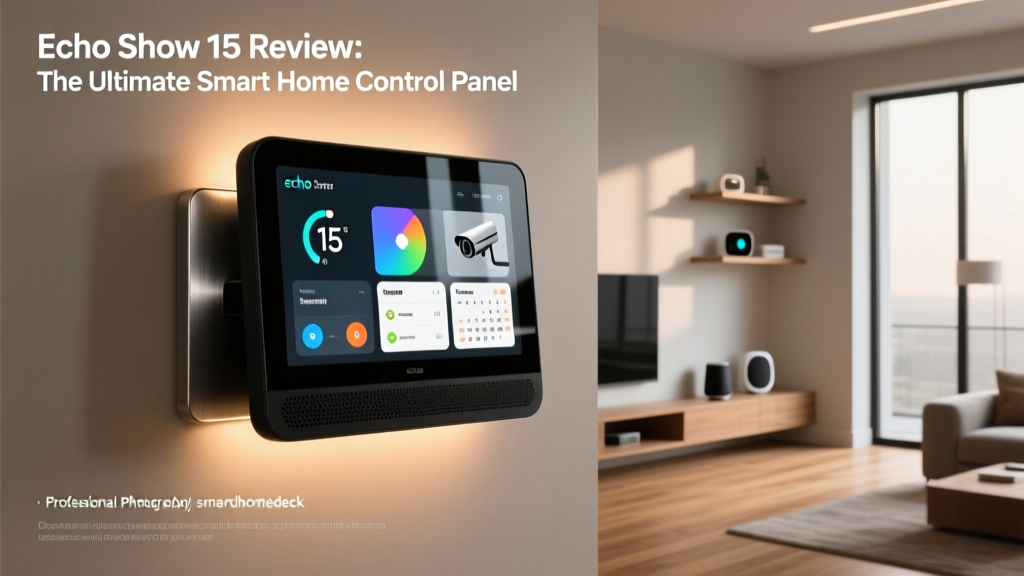
The hub is the central nervous system of the smart home. A high-quality smart home hub supports multiple radio protocols (Zigbee, Z-Wave, Thread, and Wi-Fi) and provides the local processing power necessary to run complex automations without internet dependency. Investing in a robust hub ensures that your ecosystem remains fast, reliable, and capable of integrating diverse devices into a single, unified interface.
Smart Thermostats
A premium smart thermostat is arguably the single most cost-effective smart home device. By learning the thermal characteristics of your home and adapting to your daily routines, devices like advanced learning thermostats pay for themselves through energy savings while providing unparalleled comfort. Look for models that support remote room sensors to balance temperatures across multi-story properties effectively.
Smart Lighting Ecosystems
Lighting sets the mood and dictates the functionality of a space. Rather than relying solely on smart bulbs, which require constant power to the fixture, integrating smart switches and dimmers at the wall provides a more reliable, user-friendly experience. This ensures that the smart lighting protocol remains active even if someone manually flips the physical switch.
Smart Locks and Access Sensors
Upgrading to a smart deadbolt provides immediate security benefits and serves as a powerful trigger for automation routines. Pairing a smart lock with door/window contact sensors allows the home to verify its own security state, automatically arming the perimeter and adjusting environmental controls the moment the last person leaves the house.
Smart Leak Detectors and Shutoff Valves
Often overlooked, smart water management devices offer the highest potential return on investment by preventing catastrophic property damage. Placing inexpensive, battery-operated leak sensors in high-risk areas and linking them to an automated main shutoff valve is a critical protocol for modern home preservation.
Frequently Asked Questions (FAQ)
Are smart home devices worth the financial investment?
Yes, when implemented strategically, smart home devices offer a substantial return on investment. While the upfront cost of hubs, smart thermostats, and lighting systems can be significant, the long-term benefits are realized through measurable reductions in energy and water consumption, prevention of costly property damage via leak detection, and potential discounts on home insurance premiums for monitored security systems. Beyond financial ROI, the daily convenience, accessibility, and comfort provided by automated routines add immense qualitative value to the home.
Do smart home devices work without an internet connection?
The ability to function offline depends entirely on the underlying protocol and architecture of the device. Devices that rely exclusively on cloud-based processing will lose functionality during an internet outage. However, ecosystems built around local hubs and protocols like Zigbee, Z-Wave, Thread, and Matter are designed for local execution. In these setups, automations, sensor triggers, and physical switches will continue to operate flawlessly even if the external internet connection is severed, ensuring the home remains functional and secure at all times.
How do I protect my smart home network from hackers?
Securing a smart home requires a multi-layered approach to network hygiene. First, ensure your primary router is secured with WPA3 encryption and a strong, unique password. Second, utilize network segmentation by placing all IoT devices on a dedicated guest network or VLAN, isolating them from your personal computers and smartphones. Third, prioritize devices that support local processing and end-to-end encryption, reducing reliance on third-party cloud servers. Finally, regularly update the firmware on your hub and all connected devices to patch known vulnerabilities and maintain robust security protocols.
What is the most important smart home device to buy first?
The most critical first purchase is a high-quality, multi-protocol smart home hub. The hub serves as the foundation upon which the rest of your ecosystem will be built. By securing a hub that supports local processing and a wide array of radio frequencies (such as Zigbee, Z-Wave, and Thread), you ensure that future device additions will integrate smoothly, operate with low latency, and remain functional independent of cloud servers. Once the hub is established, a smart thermostat and a few strategic leak sensors are the best next steps for immediate practical benefits.
Will older smart home devices become obsolete with new protocols?
The smart home industry has made significant strides in backward compatibility, particularly with the advent of the Matter protocol and bridging technologies. While legacy devices that rely on proprietary, cloud-only servers may eventually face deprecation if the manufacturer shuts down their services, devices utilizing open, standardized mesh protocols like Zigbee and Z-Wave remain highly relevant. These devices can often be integrated into modern, local-first hubs, ensuring that your hardware investments are protected and continue to deliver benefits long after their initial purchase.