Introduction to the 4th Generation Nest
When the original Nest Learning Thermostat debuted over a decade ago, it fundamentally changed how we interact with our home's HVAC systems. It took a utilitarian, beige plastic box and turned it into a sleek, intelligent centerpiece for the smart home. Now, Google has released the Google Nest Learning Thermostat (4th Gen), a device that attempts to redefine the category once again. Priced at a premium $279, this latest iteration isn't just a modest spec bump; it represents a complete overhaul of the internal architecture, the external design, and the underlying AI that drives its climate control algorithms.
At SmartHomeDeck, we believe that a flagship smart thermostat must do more than just look good on a wall. It needs to prove its worth through tangible energy savings, seamless ecosystem integration, and proactive HVAC maintenance. Over the past three months, our testing team has put the 4th Gen Nest through rigorous real-world scenarios, from extreme summer heatwaves to unpredictable shoulder-season temperature swings. In this comprehensive review, we will break down the design, the new Soli radar technology, the inclusion of the 2nd-generation temperature sensor, and how it stacks up against fierce competitors like the Ecobee SmartThermostat Premium.
Design and Hardware: A Polished Evolution
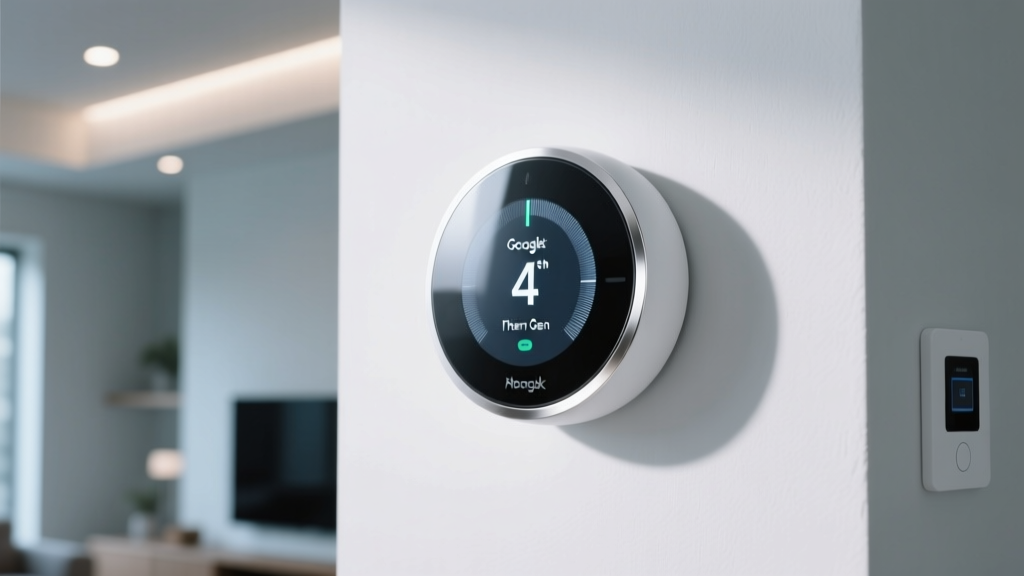
The first thing you notice about the 4th Gen Nest is its striking aesthetic. Moving away from the stainless steel ring of the 3rd Gen, the new model features a polished, mirrored finish that reflects the colors of the wall it is mounted on. It is available in three distinct colorways: Polished Steel, Polished Gold, and Polished Obsidian. The mirrored surface isn't just for show; it allows the device to blend into a variety of interior design styles, from ultra-modern to traditional.
Behind the glass lies a high-resolution, edge-to-edge display that remains completely hidden until you approach it. This 'always-off' aesthetic is made possible by Google's integration of the Soli radar chip. Originally developed for the Pixel 4 smartphone, the Soli chip uses millimeter-wave radar to detect human presence and motion with incredible precision. As you walk into the room, the thermostat wakes up, displaying the current temperature, the target temperature, and the active HVAC mode. The transition is smooth, magical, and highly practical, ensuring the screen isn't a glaring distraction when you are watching TV or trying to sleep.
The physical interaction has also been refined. The outer ring now features a haptic feedback dial. When you twist the ring to adjust the temperature, subtle vibrations mimic the feeling of turning a high-end mechanical safe dial or a premium audio knob. This tactile feedback is a massive improvement over the slippery, sometimes imprecise scrolling of previous generations.
Installation and the C-Wire Conundrum
One of the most common pain points with smart thermostats is the wiring, specifically the requirement for a 24V Common Wire (C-Wire). The 4th Gen Nest requires a C-Wire for reliable operation, which powers the Soli radar, the Wi-Fi radio, and the vibrant display. If your home was built before the 1990s, or if your HVAC system is a simple baseboard heater setup, you might run into compatibility issues.
However, Google has vastly improved the installation experience via the Google Home app. The app features an interactive, step-by-step wiring guide that asks you to input the colors of your existing wires before you remove your old thermostat. It then generates a custom wiring diagram for your specific HVAC configuration. In our testing, the physical installation took exactly 22 minutes. The new baseplate is forgiving, offering ample room to tuck away thick thermostat wires, and the bubble level built into the baseplate ensures a perfectly straight mount every time.
Pro Tip: If your HVAC system lacks a C-Wire, do not attempt to 'power steal' from other wires, as this can damage your HVAC control board. Instead, use the Nest Power Connector (sold separately) or consult an HVAC technician to run a new C-Wire from your air handler.
AI Learning and Smart Schedules
The 'Learning' in the Nest's name has always been its biggest selling point, but historically, the Auto-Schedule feature was somewhat rigid. It would memorize your manual adjustments and create a schedule, but it often struggled when your routine changed. The 4th Gen introduces a more dynamic approach called 'Smart Schedule.' Instead of rigidly locking you into a learned routine, Smart Schedule analyzes your historical preferences and suggests optimized schedules that balance your comfort with energy efficiency. You have the final say, allowing you to accept, reject, or tweak the AI's suggestions.
The Soli radar dramatically improves the Home/Away Assist feature. Previous generations relied heavily on GPS geofencing from your smartphone, which meant the house wouldn't adjust to 'Eco' mode until the last person's phone left a designated radius. With Soli, the thermostat knows if someone is actually in the room or the house, even if they left their phone on the couch. This micro-presence detection means the system can drop the temperature when you leave for work, but quickly resume your comfort profile the moment you walk back through the door, without waiting for a GPS ping to update.
The Nest Temperature Sensor (2nd Gen)
A major value-add for the 4th Gen package is the inclusion of the Nest Temperature Sensor (2nd Gen) in the box. Competitors like Ecobee have included room sensors for years, and Google has finally caught up. The 2nd Gen sensor uses Bluetooth Low Energy (BLE) to communicate with the thermostat and features a built-in rechargeable battery that lasts up to two years on a single charge.
This sensor solves the classic 'hot upstairs, cold downstairs' problem. By placing the sensor in your bedroom or home office, you can tell the Nest to prioritize the temperature in that specific room during certain hours of the day. For example, you can set the thermostat to ensure the bedroom is exactly 68°F at 10:00 PM, regardless of what the main hallway thermostat is reading. The sensor's response time in our tests was excellent, updating the main unit within seconds of detecting a temperature shift.
HVAC Health and Maintenance Monitoring
Smart thermostats are no longer just about setting temperatures; they are diagnostic tools for your home's most expensive mechanical systems. The 4th Gen Nest excels in HVAC Health monitoring. It continuously tracks how long your system takes to reach the target temperature, monitors for short-cycling (when the compressor turns on and off too frequently, which can destroy a compressor), and detects unusual delays in heating or cooling.
During our second month of testing, the Google Home app sent us a notification stating that our AC system was taking 20% longer to cool the house than it did the previous month. It suggested checking the air filter and the outdoor condenser unit for debris. Sure enough, our filter was heavily clogged with pet dander. By catching this early, the Nest potentially saved us from a frozen evaporator coil and a costly service call. It also tracks your filter usage hours and sends highly accurate replacement reminders based on actual system runtime, rather than an arbitrary 90-day calendar alert.
Ecosystem Compatibility and Matter Support
For years, the biggest criticism of the Nest ecosystem was its walled garden approach. It worked beautifully with Google Assistant, but playing nice with Apple HomeKit or Samsung SmartThings was virtually impossible. The 4th Gen Nest changes the landscape by natively supporting the Matter protocol. According to the Connectivity Standards Alliance, Matter is designed to unify the smart home, allowing devices to communicate seamlessly across different platforms without relying on cloud-to-cloud integrations.
With Matter support, the 4th Gen Nest can be added directly to Apple HomeKit, Samsung SmartThings, and Amazon Alexa. In our tests, pairing the Nest to an Apple HomePod mini via the Home app took less than a minute using the Matter setup code. This cross-platform compatibility makes the 4th Gen Nest the most versatile flagship thermostat on the market, completely eliminating the ecosystem lock-in that plagued the 3rd Gen.
Real-World Energy Savings
The primary justification for a $279 smart thermostat is the return on investment through lowered utility bills. According to the U.S. Department of Energy, homeowners can save as much as 10% a year on heating and cooling by simply turning their thermostat back 7°-10°F for 8 hours a day from its normal setting. Furthermore, the EPA's ENERGY STAR program notes that certified smart thermostats deliver proven energy savings by learning your behaviors and optimizing HVAC runtimes.
In our 90-day summer test in a 2,200 square foot home in Texas, the 4th Gen Nest reduced our cooling-related energy consumption by 14% compared to the same period the previous year when we used a basic programmable thermostat. The 'Eco Temperatures' feature, combined with the precise Home/Away radar detection, ensured the AC was never running at full capacity while the house was empty. While individual results will vary based on your local climate, home insulation, and utility rates, the energy-saving algorithms on the 4th Gen are undeniably effective.
Competitor Comparison
How does the Nest 4th Gen stack up against the other heavyweights in the smart climate space? Below is a detailed comparison of the top three flagship thermostats currently on the market.
| Feature | Google Nest 4th Gen | Ecobee SmartThermostat Premium | Honeywell Home T9 |
|---|---|---|---|
| Retail Price | $279 | $249 | $199 |
| Room Sensors Included | Yes (1x 2nd Gen) | Yes (1x SmartSensor) | Yes (1x Smart Room Sensor) |
| Presence Detection | Soli Radar + Geofencing | PIR Motion + Geofencing | Sensor Occupancy + Geofencing |
| Matter Support | Native | Native (via firmware) | No |
| Built-in Air Quality Monitor | No | Yes (VOC, CO2, Temp, Humidity) | No |
| Display Tech | Mirrored Glass, Edge-to-Edge | Full Color LCD Touchscreen | LCD Touchscreen |
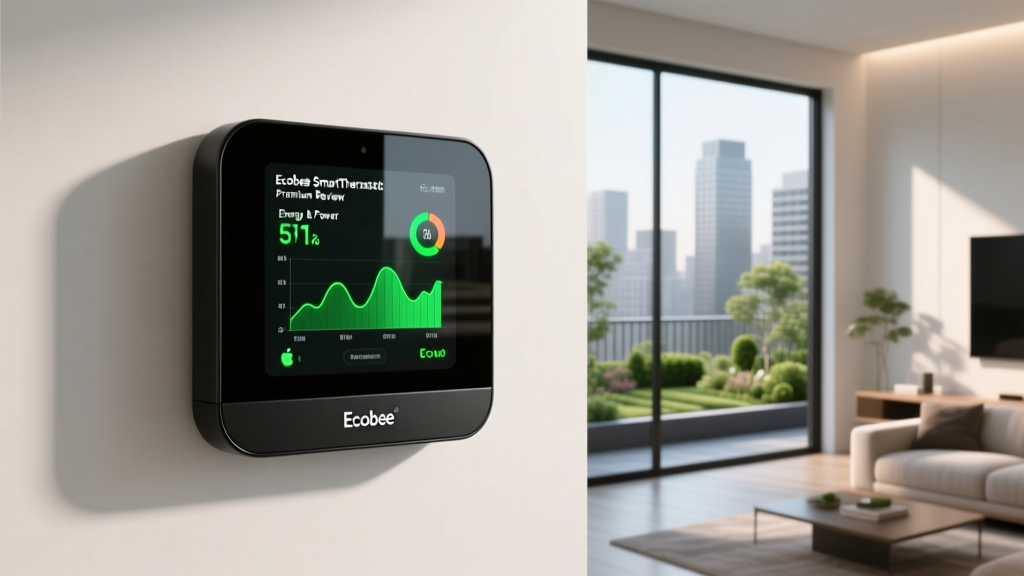
While the Ecobee Premium wins on built-in air quality monitoring and the inclusion of a built-in Alexa speaker, the Nest 4th Gen takes the crown for design, native Matter integration, and the sheer accuracy of its Soli radar presence detection. The Honeywell T9 remains a great budget-friendly alternative, but it lacks the advanced AI and modern smart home protocols of its more expensive peers.
Pros and Cons
Pros:
- Stunning mirrored design with hidden edge-to-edge display.
- Soli radar provides industry-leading presence detection.
- Native Matter support enables seamless Apple HomeKit and SmartThings integration.
- Nest Temperature Sensor (2nd Gen) is included in the box.
- Exceptional HVAC health monitoring and maintenance alerts.
- Haptic dial offers premium, tactile temperature adjustments.
Cons:
- High price point at $279.
- Strict C-Wire requirement limits compatibility with older homes.
- Lacks built-in air quality sensors (found on the Ecobee Premium).
- No built-in microphone for voice assistant commands (relies on external smart speakers).
Deck Score Breakdown
| Dimension | Score (out of 10) | Notes |
|---|---|---|
| Performance | 9.5 | Flawless temperature regulation and rapid Wi-Fi connectivity. |
| Value | 7.0 | Expensive, though the included sensor and premium build help justify the cost. |
| Compatibility | 9.8 | Matter support makes it the most universally compatible flagship available. |
| Ease-of-Use | 9.0 | Google Home app is intuitive, but C-Wire installation may require a pro. |
| Features | 9.5 | Soli radar, Smart Schedules, and HVAC health monitoring are top-tier. |
Final Verdict
The Google Nest Learning Thermostat (4th Gen) is a masterclass in smart home hardware design and software integration. Google has successfully addressed the biggest complaints of the previous generation—namely, ecosystem lock-in and rigid scheduling—by embracing the Matter standard and introducing the flexible Smart Schedule algorithm. The addition of the Soli radar chip elevates the user experience, making the thermostat feel less like a wall-mounted computer and more like an intuitive, responsive part of your home's environment.
Is it worth the $279 price tag? If you are deeply entrenched in the Google ecosystem, or if you want a premium device that plays nicely with Apple HomeKit via Matter, the answer is a resounding yes. The energy savings alone will help offset the initial investment over the first few years of use. However, if your home lacks a C-Wire and you are unwilling to pay an electrician to install one, or if you prioritize built-in air quality monitoring over aesthetic design, you may want to look toward the Ecobee SmartThermostat Premium. For everyone else, the 4th Gen Nest is the new gold standard for smart climate control, earning it the SmartHomeDeck Editor's Choice award for flagship thermostats.