Introduction: Beyond the Reflection
The modern smart home has transformed nearly every appliance in our living spaces, from the thermostat on the wall to the refrigerator in the kitchen. Yet, the bathroom and vanity mirror remained a static piece of glass for decades. Enter the smart mirror—a device that turns your morning grooming routine into an interactive, data-rich experience. Among the myriad of options on the market, the HiMirror Mini (and its subsequent V2 iteration) has established itself as a pioneering device in the health and beauty tech space. But for households deeply entrenched in the Google ecosystem, a critical question arises: How well does this device play with Google Home, Google Fit, and Google Calendar?
In this comprehensive SmartHomeDeck review, we put the HiMirror Mini through its paces, evaluating its hardware design, AI-driven skin analysis, and, most importantly, its compatibility and integration capabilities within a Google-centric smart home. Whether you are tracking your fitness journey via Google Fit or trying to automate your morning routine with Google Assistant, this review will reveal if the HiMirror Mini deserves a permanent spot on your vanity.
Design, Build, and Lighting Quality
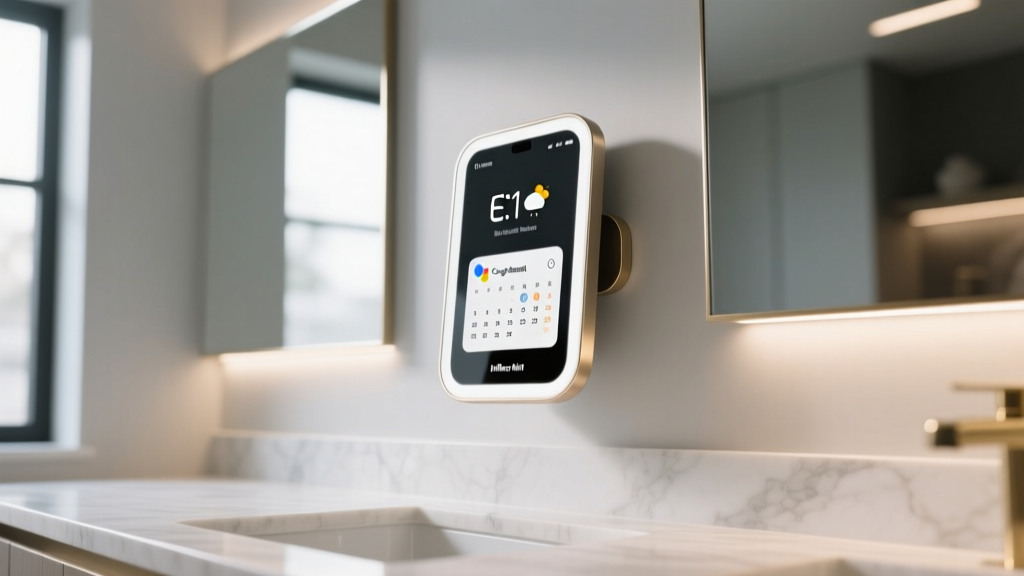
The HiMirror Mini is a compact, tabletop-friendly device measuring 16.5 x 11.8 x 2 inches. Unlike massive, wall-mounted smart mirrors that require professional installation and dedicated electrical routing, the Mini is designed to sit elegantly on a dresser or bathroom counter. It weighs a manageable 7.5 pounds, making it easy to reposition. The front features a high-quality two-way mirror glass that conceals a 1080p IPS display when turned off, preserving the aesthetic of a traditional vanity mirror.
However, a smart mirror is only as good as its lighting. The HiMirror Mini features a circular LED ring light designed to simulate various environments, from the harsh fluorescent lights of an office to the warm, dim lighting of a restaurant. The Color Rendering Index (CRI) of these LEDs is exceptionally high, ensuring that makeup application and grooming are color-accurate. Furthermore, the energy efficiency of modern LED smart mirrors aligns well with the stringent guidelines set forth by ENERGY STAR lighting standards, ensuring that leaving your mirror on during a long morning routine does not result in excessive heat output or inflated electricity bills.
The Google Ecosystem: Fit, Calendar, and Home Integration
Addressing the 'Google Home Compatible' search intent requires a nuanced look at how the HiMirror Mini interacts with Google's suite of services. Out of the box, the HiMirror Mini features Amazon Alexa as its native voice assistant. However, its true power for Google users lies in its app-level ecosystem integrations, specifically with Google Fit and Google Calendar.
Google Fit and Health Tracking
The HiMirror Mini is a powerhouse for health enthusiasts who rely on Google Fit. Through the companion smartphone app, you can link your Google Fit account directly to the mirror. If you use a Wi-Fi-enabled smart scale (such as those from Withings, Renpho, or Garmin) that syncs to Google Fit, your daily weight, BMI, body fat percentage, and muscle mass data will automatically populate on the mirror's dashboard. Instead of digging through your phone while standing on the scale, you can glance at the mirror to see your health trends graphed over the past month. This seamless data visualization is arguably the most compelling reason for Google users to invest in the HiMirror Mini.
Google Calendar Synchronization
Productivity is a major selling point for smart displays, and the HiMirror Mini handles Google Calendar integration flawlessly. Once linked via the companion app, your daily agenda, meeting links, and event reminders are displayed in a clean, easy-to-read widget on the mirror's home screen. You can set the mirror to display your calendar the moment it detects your face via facial recognition, ensuring your morning routine is always aligned with your daily schedule.
Bridging to Google Home
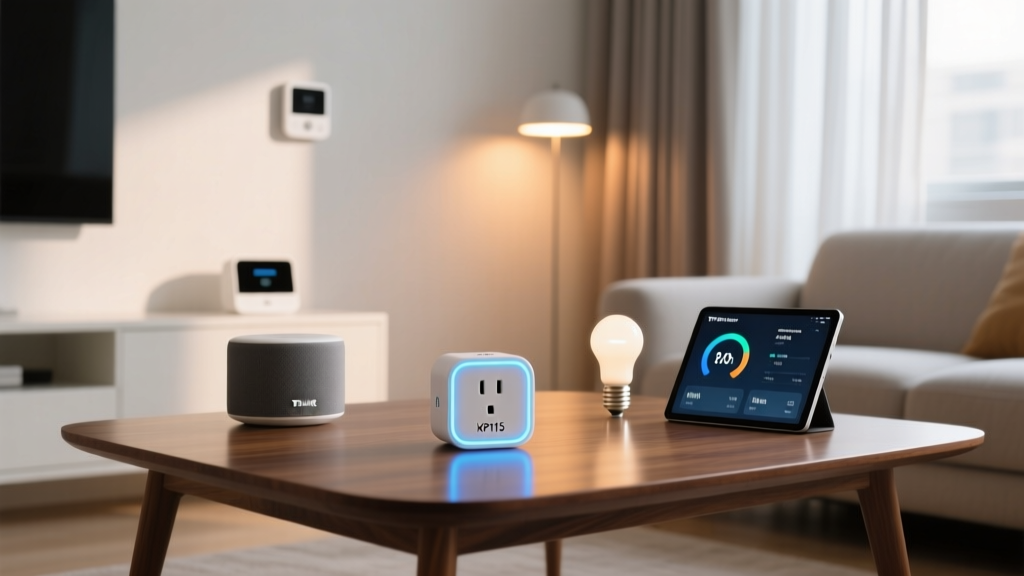
Because the native voice assistant is Alexa, achieving 'Google Home Compatibility' requires a bit of smart home bridging. Fortunately, this is easily accomplished using IFTTT (If This Then That) and smart plugs. By connecting the HiMirror Mini to a Google Home-compatible smart plug (like a TP-Link Kasa or Wyze Plug), you can include the mirror in your Google Assistant 'Good Morning' and 'Good Night' routines. Furthermore, IFTTT applets can be configured so that a voice command issued to your Google Nest Hub triggers specific HiMirror routines, such as turning on the LED ring light or switching the display to the skin analysis mode.
AI Skin Analysis: Gimmick or Game-Changer?
The standout feature of the HiMirror brand is its proprietary AI skin analysis. A hidden 1080p camera (equipped with a physical privacy shutter—a mandatory feature for any device in a private space) captures high-resolution images of your face. The onboard AI then evaluates your skin across several metrics: wrinkles, fine lines, pores, dark circles, redness, and smoothness.
While no consumer camera can replace a board-certified dermatologist, the HiMirror Mini excels at longitudinal tracking. By taking a scan once a week under the same lighting conditions, the mirror builds a historical graph of your skin's health. This is particularly useful for testing new skincare routines or serums, as the AI provides objective data on whether a product is actually reducing redness or minimizing pores over a 30-day period.
Privacy and Security in the Smart Bathroom
Placing a camera-equipped smart device in a bedroom or bathroom naturally raises privacy concerns. HiMirror addresses this with a physical sliding shutter that completely blocks the camera lens when not in use. Furthermore, the device processes much of its image data locally or via encrypted cloud servers. As the smart home industry evolves, security protocols are becoming more standardized. The push toward unified security frameworks, such as those championed by the Connectivity Standards Alliance (CSA) and the Matter protocol, highlights the industry's ongoing commitment to ensuring that IoT devices, including smart mirrors, utilize robust, encrypted authentication methods to protect user data from unauthorized access.
SmartHomeDeck Score Dimensions
Performance: 8.5/10
The 1080p display is crisp, and the two-way glass offers excellent reflectivity even when the screen is active. The LED ring provides brilliant, adjustable lighting. The only minor deduction is the occasional lag when switching between heavy AI skin analysis modules and the home dashboard.
Value: 7.5/10
Priced typically between $250 and $350, the HiMirror Mini is a premium investment. While standard LED mirrors cost a fraction of the price, the Mini's ability to aggregate health data, sync calendars, and provide AI skin tracking justifies the cost for tech-savvy consumers and skincare enthusiasts.
Compatibility: 8/10
While lacking native Google Assistant voice support, its deep, native API integration with Google Fit and Google Calendar is exceptional. Bridging it to Google Home via smart plugs and IFTTT is a standard workaround that works reliably.
Ease-of-Use: 8.5/10
The companion app is intuitive, making the initial setup and account linking (especially for Google services) a breeze. The on-screen UI is navigable via motion gestures or the included remote control, though the remote feels a bit dated compared to touch-based smart displays.
Features: 9/10
Between the environmental lighting simulation, Spotify integration, skin tracking, and facial recognition for multi-user households, the feature set is incredibly robust and highly specialized.
Specifications and Ecosystem Comparison
| Feature | HiMirror Mini | DIY MagicMirror² | Standard LED Vanity Mirror |
|---|---|---|---|
| Display Resolution | 1080p IPS | Varies (Monitor dependent) | N/A (Reflection only) |
| Native Voice Assistant | Amazon Alexa | Custom (Google Pi Module) | None |
| Google Fit Sync | Yes (Native App) | Yes (Via API/Modules) | No |
| Google Calendar Sync | Yes (Native App) | Yes (Via API/Modules) | No |
| AI Skin Analysis | Yes | No | No |
| Setup Time | ~15 Minutes | 4+ Hours (Coding required) | ~5 Minutes |
| Average Cost | $250 - $350 | $150 - $250 (Parts) | $50 - $150 |
Pros and Cons
Pros
- Exceptional, native integration with Google Fit and Google Calendar.
- High CRI LED lighting with customizable environmental simulations.
- Advanced AI skin analysis with longitudinal trend tracking.
- Physical camera privacy shutter for peace of mind.
- Compact, tabletop-friendly design requiring no hardwiring.
Cons
- Native voice assistant is Alexa, requiring IFTTT/Smart Plugs for Google Home voice routines.
- Premium price point compared to standard LED mirrors.
- Navigation relies heavily on a remote control or motion gestures rather than a responsive touchscreen.
Final Verdict
The HiMirror Mini is a triumph of specialized smart home technology. For users searching for a 'Google Home Compatible' smart mirror, it is vital to understand that while the voice assistant leans toward Amazon, the data ecosystem is profoundly Google-friendly. If your morning routine revolves around checking your Google Calendar, tracking your weight loss via Google Fit, and optimizing your skincare routine with hard data, the HiMirror Mini is an unparalleled tool. By utilizing a simple smart plug and IFTTT, you can seamlessly weave this device into your Google Home automated routines, making it a worthy, futuristic centerpiece for your modern vanity.