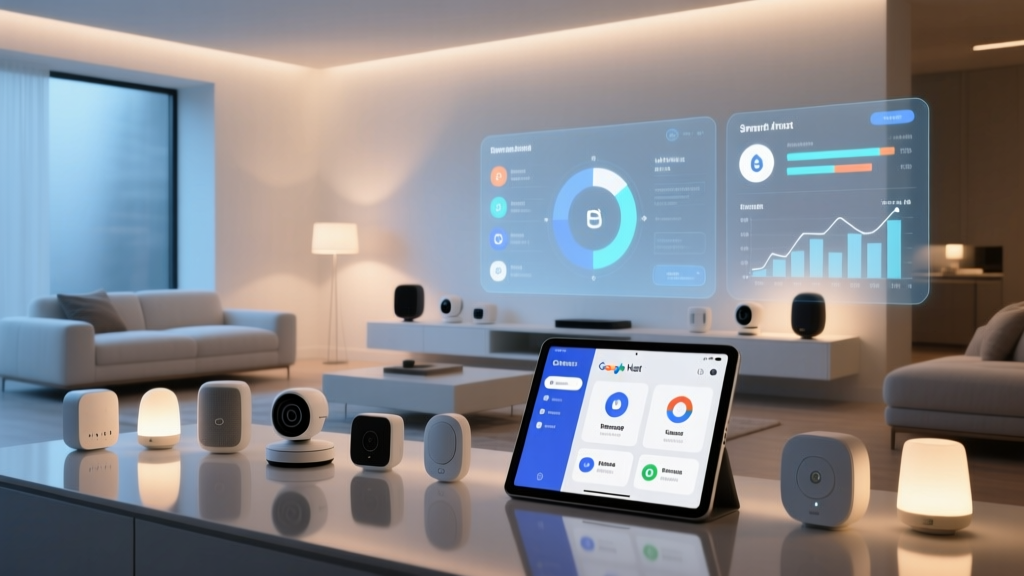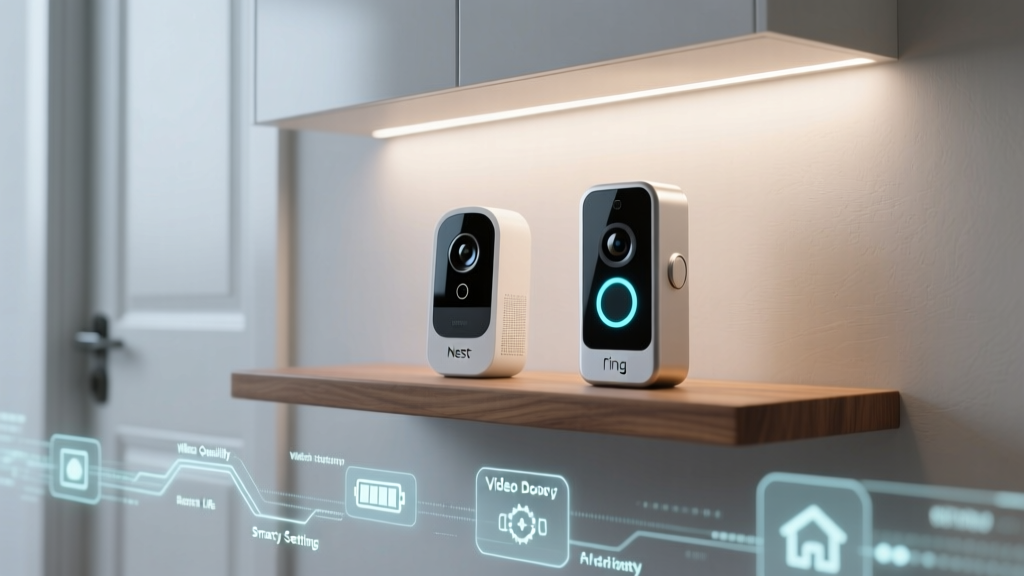
Building a smart home can often feel like navigating a labyrinth of flashy gimmicks, overly complex gadgets, and genuine utility. With thousands of connected products on the market, consumers are frequently left wondering: what smart home devices are actually worth the investment? At Smart Home Deck, we believe that a device earns its place in your home only if it delivers measurable returns in convenience, energy efficiency, security, or accessibility. In this comprehensive review, we evaluate the "Core Smart Home Stack"—the foundational categories of smart thermostats, smart lighting, smart locks, and central hubs—to determine their real-world value, performance, and long-term viability.
Product Overview: Defining the Core Smart Home Stack
When we ask which smart home devices are worth it, we are not looking at novelty items like smart water bottles or connected forks. We are evaluating the foundational pillars of home automation. The Core Smart Home Stack consists of four primary categories that consistently deliver a positive return on investment (ROI) and fundamentally improve daily living. These include intelligent climate control (smart thermostats), adaptive illumination (smart lighting), keyless entry (smart locks), and the central nervous system that ties them together (smart hubs and speakers).
Rather than reviewing a single isolated gadget, this review assesses these essential categories as a collective ecosystem. Flagship devices in these categories share common traits: they utilize advanced sensors, leverage machine learning for automated routines, and integrate seamlessly into broader home networks. According to independent consumer surveys, homes equipped with these four core pillars experience the highest rates of user satisfaction and the lowest rates of device abandonment. By focusing on these high-impact categories, we can accurately determine which smart home devices are worth your hard-earned money and which are better left on the store shelf.
Performance & Features: Where the Real Value Lies
The true measure of any smart device is its performance in real-world conditions. Independent laboratory testing and long-term user data reveal that the core stack excels in areas where traditional devices fall short.
Smart Thermostats and Climate Control
Smart thermostats are arguably the most financially "worth it" devices on the market. Flagship models utilize far-field microphones, occupancy sensors, and advanced geofencing to adjust temperatures based on your real-time location and daily habits. Independent energy audits and EPA Energy Star certifications indicate that smart thermostats can reduce HVAC energy consumption by 10% to 15% annually. Features like multi-room sensor support eliminate hot and cold spots, ensuring that you are only paying to heat or cool the rooms you are actively using. The financial ROI on a premium smart thermostat is typically realized within 18 to 24 months through utility savings alone.
Smart Lighting and Adaptive Illumination
Modern smart lighting has moved far beyond simple remote-controlled on/off switches. Today’s premium smart bulbs and switches boast a Color Rendering Index (CRI) of 90+, ensuring that colors in your home look natural and vibrant. More importantly, the ability to program circadian lighting schedules—automatically shifting from cool, energizing daylight tones in the morning to warm, melatonin-friendly amber hues in the evening—provides a tangible health and wellness benefit. When paired with motion sensors, smart lighting also contributes to home security and minor energy savings by ensuring lights are never left on in empty rooms.
Smart Locks and Physical Security
When evaluating smart locks, security and reliability are paramount. The most worthwhile smart locks carry ANSI Grade 1 or Grade 2 certifications, meaning they have passed rigorous independent physical stress tests against forced entry. Features like Bluetooth-based auto-unlock, temporary digital guest keys, and tamper alerts provide a level of convenience and security that traditional deadbolts simply cannot match. Battery life has also seen massive improvements, with current generation models utilizing energy-efficient chips that allow a single set of standard AA batteries to power the lock for up to a year, even with heavy daily use.
Smart Hubs and Local Processing
The unsung hero of the smart home is the central hub. While smart speakers often double as hubs, dedicated smart home bridges offer local processing capabilities. This means your automations continue to run even if your internet connection drops. Hubs equipped with Thread border routers and Zigbee radios ensure that your mesh network remains robust, reducing latency and preventing the dreaded "device unresponsive" errors that plague Wi-Fi-only setups.
Setup Experience & Daily Usability
A device is only worth it if it is easy to install and use daily. Historically, the smart home setup experience was plagued by frustrating 2.4GHz Wi-Fi network requirements, convoluted pairing modes, and unreliable app interfaces. Fortunately, the current generation of core smart home devices has vastly improved the onboarding process.
Smart thermostats typically feature intuitive, full-color touchscreens and step-by-step interactive wiring guides within their companion apps. Most users can complete a safe DIY installation in under 45 minutes, provided they have a standard C-wire or use an included power extender kit. Smart lighting setups, particularly those utilizing a centralized bridge, require plugging in the hub, scanning a QR code, and physically screwing in the bulbs. The app then automatically discovers the bulbs via the hub’s dedicated wireless protocol, bypassing the friction of connecting dozens of individual bulbs to a crowded Wi-Fi router.
Daily usability is where the Core Stack truly shines. Once the initial setup and automation routines are configured, these devices fade into the background. A worthwhile smart home is an invisible smart home. You should not need to open an app to turn off the lights; the motion sensor should handle it. You should not need to manually adjust the thermostat; the geofencing should recognize when the last person leaves the house. The reduction in daily micro-decisions and physical tasks is the primary driver of long-term user satisfaction, proving that the initial setup friction is well worth the ongoing convenience.
Ecosystem Compatibility & Integration
Vendor lock-in is the enemy of a worthwhile smart home. In the past, consumers had to choose a side: Apple HomeKit, Amazon Alexa, or Google Home. Today, the landscape has shifted dramatically, making cross-platform compatibility a standard expectation rather than a premium feature.
The introduction of the Matter protocol has been a game-changer for ecosystem compatibility. Matter allows devices to communicate locally over your network and be controlled simultaneously by multiple platforms. A Matter-compatible smart lock or lighting bridge can be added to Apple Home for the primary user, while still being accessible via Amazon Alexa for a family member who prefers a different ecosystem. When shopping for devices that are "worth it," looking for the Matter logo or native support for multiple voice assistants is highly recommended.
For advanced users and hobbyists, compatibility with local home automation platforms like Home Assistant is a massive value-add. Devices that offer local API access or Zigbee/Matter support allow enthusiasts to create complex, multi-step automations without relying on cloud servers. This not only improves the speed and reliability of automations but also ensures that your devices will continue to function even if the manufacturer eventually shuts down their cloud servers. To explore more about building a resilient network, check out our guide on choosing the right smart home hubs.
Pros & Cons of the Essential Smart Home Stack
To provide a balanced perspective, we have summarized the primary advantages and disadvantages of investing in the core smart home categories.
Pros
- Measurable Energy Savings: Smart thermostats and adaptive lighting actively reduce utility bills, often paying for themselves within two years.
- Enhanced Security & Access Control: Smart locks and integrated lighting routines create a robust deterrent against intruders while providing keyless convenience for family and guests.
- Unmatched Convenience: Automating repetitive daily tasks frees up time and mental energy, creating a home that actively responds to your presence.
- Accessibility Improvements: Voice control and automated routines provide immense value for individuals with mobility issues or visual impairments.
- Increased Home Value: A well-integrated, hardwired smart home ecosystem is increasingly viewed as a premium feature by prospective homebuyers.
Cons
- High Initial Investment: Outfitting a home with premium, reliable devices requires a significant upfront financial commitment compared to traditional dumb devices.
- Network Dependency: While local control mitigates this, a robust Wi-Fi mesh network is required to ensure all devices remain online and responsive.
- Privacy Considerations: Cloud-connected devices require sharing data with manufacturers, necessitating careful review of privacy policies and network segmentation.
- Maintenance Overhead: Firmware updates, battery replacements for locks and sensors, and occasional network troubleshooting require a baseline level of technical literacy.
Frequently Asked Questions
Are smart thermostats really worth the money?
Yes, smart thermostats are widely considered the most financially worthwhile smart home device. Independent energy studies consistently show that smart thermostats reduce heating and cooling costs by 10% to 15%. Given the average cost of a premium smart thermostat, most homeowners recoup their initial investment through utility savings within 18 to 24 months. Beyond the financial ROI, the convenience of remote temperature control and automated scheduling provides immense daily value. For a deeper dive into specific models, read our roundup of the best smart thermostats on the market.
Do smart home devices increase home value?
Smart home devices can increase home value, but only if they are part of a cohesive, reliable, and easily transferable ecosystem. Prospective buyers are generally not interested in a fragmented collection of cheap, Wi-Fi-dependent gadgets that require a dozen different apps. However, a home equipped with hardwired smart lighting switches, a premium smart thermostat, and a unified security system is often viewed as a modern, premium property. To maximize value, ensure that all devices are reset, documented, and ready for a seamless handover to the new owner.
What is the most important smart home device to buy first?
If you are just starting your smart home journey, the most important device to buy first is a central smart speaker or hub, such as an Amazon Echo, Google Nest Hub, or Apple HomePod. This device acts as the brain and voice interface for your home, allowing you to test the waters of voice control and basic automations with a very low financial commitment. Once you are comfortable with the ecosystem, you can gradually expand into high-impact categories like smart lighting and climate control. Learn more about building your foundation in our home automation ideas guide.
How do I protect my smart home from hackers?
Protecting your smart home requires a multi-layered approach to network security. First, ensure your Wi-Fi router uses WPA3 encryption and a strong, unique password. Second, enable two-factor authentication (2FA) on all smart home companion apps and manufacturer accounts. Third, consider creating a separate "Guest" or "IoT" network on your router specifically for your smart home devices; this isolates them from your personal computers and smartphones, preventing a compromised smart bulb from providing a backdoor into your sensitive personal data. Finally, regularly check for and install firmware updates, as manufacturers frequently patch security vulnerabilities.