The Philosophy of the Luxury Smart Sanctuary
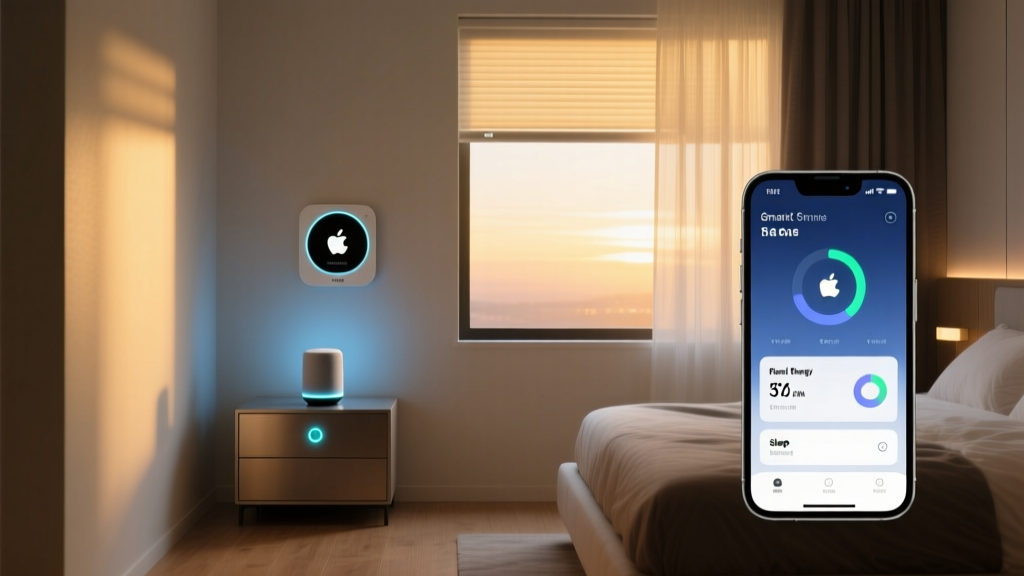
When designing a high-end smart home, the primary bedroom suite represents the ultimate sanctuary. Unlike the living room or kitchen, which are hubs of activity and entertainment, the luxury bedroom is a dedicated wellness environment. A premium room setup goes far beyond simply adding a smart speaker and a few connected bulbs. It requires a holistic approach to environmental control, seamlessly integrating circadian lighting, acoustic perfection, automated shading, and biometric sleep technology. The goal of a high-end experience is invisibility; the technology should anticipate your needs and adjust the environment without requiring manual intervention, creating a space that actively promotes rest, recovery, and relaxation.
Circadian Lighting and Architectural Illumination
Lighting is the most critical factor in regulating your body's internal clock. In an ultra-premium setup, standard smart bulbs are replaced with architectural-grade, tunable LED systems like Lutron Ketra or high-end DALI-based fixtures. These systems do not merely change color; they dynamically shift the color temperature and spectrum throughout the day to mimic natural sunlight.
According to research published by Harvard Medical School, exposure to blue light during the evening suppresses melatonin secretion and disrupts circadian rhythms. A luxury smart bedroom combats this by automatically transitioning from a crisp, energizing 5000K daylight spectrum in the morning to a deep, warm 1800K amber glow in the evening. High-end fixtures boast a Color Rendering Index (CRI) of 95+, ensuring that skin tones, artwork, and interior fabrics look vibrant and natural at any time of day.
For the ultimate aesthetic, luxury integrators use plaster-in, trimless LED profiles. These fixtures are seamlessly integrated into the drywall and painted over, leaving only a flawless slit of light. Combined with hidden LED tape lighting in coves and behind headboards, the room achieves a soft, indirect glow that eliminates harsh shadows and glare.
Automated Shading: The Pursuit of Perfect Blackout
In a premium bedroom, window treatments must offer both sheer elegance and absolute darkness. High-end motorized shades, such as the Lutron Sivoia QS Triathlon or Hunter Douglas PowerView systems, are essential. However, the hardware is only half the equation. To achieve a true 100% blackout environment—critical for deep REM sleep—luxury installations utilize architectural side channels. These extruded aluminum tracks are built directly into the window drywall returns, trapping the fabric and preventing any light bleed around the edges.
Furthermore, premium setups employ a dual-roller system. During the day, a sheer solar shade diffuses harsh UV rays while maintaining the outdoor view and privacy. At night, a secondary blackout shade deploys silently. The hembars (the weighted bottom rails of the shades) are precision-calibrated to align perfectly across the entire room, maintaining a clean, horizontal sightline that appeals to the most discerning interior designers.
Climate, Air Quality, and Advanced Sleep Tech
Temperature and air quality are foundational to sleep hygiene. The Environmental Protection Agency (EPA) notes that indoor air can be significantly more polluted than outdoor air, making advanced filtration a necessity in the bedroom. A luxury setup often includes a dedicated, whisper-quiet HEPA H13 air purifier, such as the Dyson Purifier Humidify+Cool Formaldehyde, integrated into the smart ecosystem to monitor and adjust VOCs, humidity, and particulate matter automatically.
For localized climate control, the Eight Sleep Pod 4 Ultra is the gold standard. Unlike traditional smart thermostats that cool the entire room, the Pod 4 uses a water-based thermal regulation system to heat or cool each side of the bed independently. It tracks biometrics—including heart rate, heart rate variability (HRV), and respiratory rate—and uses AI to adjust the bed's temperature in real-time. If the system detects you are entering deep sleep and your core temperature is dropping, it will subtly warm the mattress to prevent you from waking up cold.
The National Institute of General Medical Sciences emphasizes that circadian rhythms are deeply tied to environmental cues, including temperature drops at night. By syncing the Eight Sleep with the room's central HVAC system (like a Nest Learning Thermostat or a high-end Savant Climate module), the room can drop the ambient air temperature to 65°F (18°C) while the bed surface remains perfectly tailored to your biometric feedback.
High-Fidelity Audio and Discreet Visuals
A luxury bedroom should sound as good as it looks. Freestanding speakers clutter the space, so high-end installations rely on architectural audio. Brands like Bowers & Wilkins (B&W) or KEF offer premium in-wall and in-ceiling speakers that are acoustically decoupled from the wall studs using back-boxes. This prevents sound from transferring into adjacent rooms while delivering rich, room-filling audio for morning playlists or guided meditations.
For visual entertainment, large black rectangles have no place in a luxury sanctuary. If a television is required, the Samsung The Frame is a popular choice, displaying curated art when not in use. However, the ultimate high-end solution is a hidden ultra-short-throw projector, such as the Samsung The Premiere, housed inside a custom motorized cabinet at the foot of the bed. The screen descends from the ceiling or rises from a bespoke credenza only when summoned, preserving the room's serene aesthetic.
The Brains: Premium Ecosystems and Control
While DIY ecosystems like Apple HomeKit or Google Home are excellent for starters, a true luxury bedroom relies on professional-grade control systems like Control4, Savant, or Crestron. These systems operate on dedicated, hardwired networks (like Lutron's Clear Connect RF or proprietary IP protocols) ensuring zero latency and 100% reliability. Control is managed via elegant, customizable keypads (such as the Lutron Palladiom or Basalte Asano) machined from brushed brass or glass, alongside bedside touch panels and premium remotes.
Budget Tiers: From Enthusiast to Ultra-Premium
Creating a smart bedroom sanctuary can be scaled to fit different levels of investment. Below is a breakdown of what to expect across three distinct tiers.
| Tier | Lighting & Shading | Climate & Sleep | Audio & Control | Estimated Total |
|---|---|---|---|---|
| Enthusiast | Philips Hue, SwitchBot | Eight Sleep Pod 3, Nest | Sonos, Apple Home | $8,000 - $15,000 |
| Luxury | Lutron Caseta, Hunter Douglas | Eight Sleep Pod 4, Dyson | B&O, Control4 | $25,000 - $45,000 |
| Ultra-Premium | Lutron Ketra, Sivoia QS | Custom HVAC, Eight Sleep | B&W, Savant/Crestron | $75,000 - $150,000+ |
Signature Automation Routines
The true magic of a premium smart bedroom lies in its automated routines, which orchestrate multiple systems into a single, cohesive experience.
- The 'Natural Awakening' Routine: Thirty minutes before your alarm, the blackout shades slowly raise to 10%, allowing natural light to filter in. The Ketra lights simulate a sunrise, shifting from deep amber to a soft, cool white. The HVAC gently raises the room temperature by two degrees, and the Eight Sleep mattress warms up to coax you out of deep sleep.
- The 'Wind Down' Routine: Triggered by a single tap on a bedside Palladiom keypad. The main overhead lights fade to 0%, leaving only the warm, 1800K cove lighting at 20% brightness. The blackout shades deploy silently, the television powers off, and the Dyson purifier shifts into its ultra-quiet night mode.
- The 'Deep Sleep' Routine: Activated when the Eight Sleep bed sensors detect that both occupants are present and still for over five minutes. All remaining lights extinguish, the room temperature drops to the optimal 65°F, and the security system arms the interior motion sensors while disabling the bedroom door sensor to prevent false alarms.
Design and Aesthetic Considerations
In a luxury environment, the visual impact of the technology must be minimized. Wall clutter is the enemy of high-end design. Integrators work closely with interior designers to consolidate thermostats, light switches, and shade controls into single-gang, multi-button smart keypads. Furthermore, all sensors—such as occupancy, lux, and temperature sensors—are often combined into a single, discreet ceiling-mounted device, painted to match the plaster.
Pro Tip: When planning a luxury bedroom, always run conduit to the window headers and ceiling coves during the framing stage. Even if you do not install motorized shades or hidden lighting immediately, having the infrastructure in place allows for seamless, wire-free upgrades in the future without destroying your custom millwork or drywall.
Ultimately, a premium smart bedroom is an investment in your health and well-being. By prioritizing circadian biology, acoustic comfort, and invisible automation, you transform a standard sleeping space into a high-performance recovery suite that adapts to your body's natural rhythms.