The Strategic Whole-Home Automation Masterplan
Building a cohesive smart home is no longer about buying isolated gadgets and hoping they communicate. Today’s most effective smart homes are built on a strategic, room-by-room automation masterplan that prioritizes interoperability, aesthetic integration, and practical utility. Rather than treating each space as a separate tech silo, a whole-home perspective ensures that your living room entertainment system seamlessly talks to your kitchen lighting and bedroom climate controls.
The shift toward unified ecosystems has been accelerated by the introduction of Matter, the industry-wide standard that allows devices from different manufacturers to work together locally and securely. According to the Connectivity Standards Alliance, Matter removes the friction of fragmented apps, allowing homeowners to build a resilient network that doesn’t rely entirely on cloud processing. This masterplan will guide you through designing, budgeting, and automating your home room-by-room, ensuring every square foot serves a distinct purpose while contributing to a unified ecosystem.
The Foundation: Choosing Your Hub and Protocol
Before purchasing a single smart bulb, you must establish a robust foundation. A whole-home plan requires a central hub or a mesh network that can handle dozens of devices without congesting your primary Wi-Fi network. Protocols like Thread and Zigbee create low-power mesh networks that keep bandwidth-heavy Wi-Fi free for your laptops and streaming devices.
- Primary Hubs: Apple TV 4K (Ethernet), Samsung SmartThings Station, or a dedicated Home Assistant server.
- Networking: Invest in a mesh Wi-Fi 6E or Wi-Fi 7 system with IoT network segmentation capabilities to keep your smart home devices isolated from your personal data.
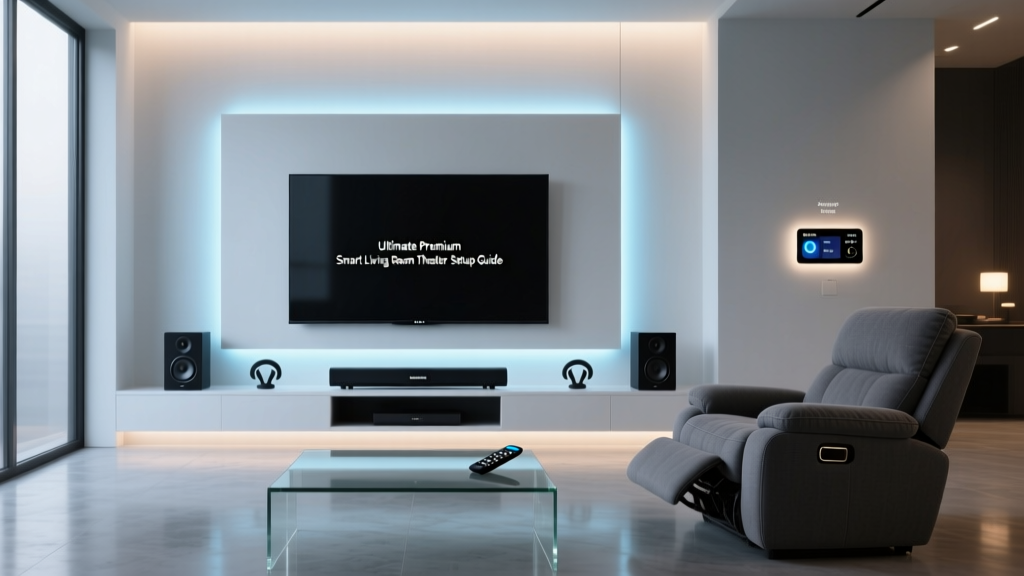
Living Room: Entertainment & Ambient Control
The living room is the social hub of the home, requiring a delicate balance between high-tech functionality and inviting design aesthetics. The goal here is to hide the technology while elevating the experience. Cable management, in-wall conduits, and motorized window treatments are essential design considerations to maintain a clean, uncluttered look.
Device Recommendations & Budget Tiers
- Starter Tier ($150 - $250): Smart plugs for existing floor lamps, Wi-Fi-enabled smart bulbs (e.g., Nanoleaf Essentials), and a basic IR blaster like the BroadLink RM4 to control legacy media consoles.
- Mid Tier ($400 - $600): Lutron Caseta smart switches for overhead lighting, an Ecobee SmartThermostat Premium for climate and built-in Alexa, and a Matter-ready smart TV.
- Pro Tier ($1,200+): Lutron Serena motorized roller shades, Sonos Arc soundbar integrated with Sonos Amp for in-ceiling architectural speakers, and a Control4 or Savant local processing hub.
Installation Tip
When installing smart switches like the Lutron Caseta, ensure your wall boxes have a neutral wire. If you are in an older home without neutral wires, stick to Lutron’s specific no-neutral-required dimmers to prevent flickering and ensure reliable operation.
Automation Routine: "Cinema Mode"
Trigger: Voice command or NFC tag scan on the coffee table.
Actions: Overhead lights dim to 10%. Accent bias lighting behind the TV shifts to a warm 2700K amber. Motorized blinds lower completely. The smart thermostat adjusts the room temperature to 68°F to compensate for the heat generated by the media equipment and occupants.
Kitchen: Safety, Efficiency & Hands-Free Control
The kitchen is a high-traffic, high-hazard environment where wet and messy hands make touchscreens impractical. A successful kitchen automation plan prioritizes voice control, gesture recognition, and proactive safety monitoring. Aesthetically, under-cabinet lighting and flush-mounted smart displays blend best with modern kitchen designs.
Device Recommendations & Budget Tiers
- Starter Tier ($120 - $200): Aqara Water Leak Sensors under the sink and dishwasher, Echo Dot (5th Gen) for voice timers and grocery list management.
- Mid Tier ($300 - $450): Amazon Echo Show 15 flush-mounted between cabinets, smart plugs for the coffee maker, and Nanoleaf LED light strips for under-cabinet task lighting.
- Pro Tier ($900+): Smart refrigerator with interior cameras and inventory tracking, hardwired smart glass backsplashes, and automated touchless smart faucets (e.g., Moen MotionSense).
Installation Tip
When placing water leak sensors, do not just set them on the floor. Use sensors with extended probe cables and tape the probe directly to the P-trap or near the dishwasher drain line where slow, insidious leaks typically originate before they cause catastrophic floor damage.
Automation Routine: "Morning Prep"
Trigger: Motion detected in the kitchen between 5:30 AM and 8:00 AM.
Actions: Under-cabinet task lights turn on to 80% brightness in a crisp 4000K daylight white. The smart plug activates the coffee maker. The smart display automatically starts playing the morning news briefing and displays the day’s weather and calendar schedule.
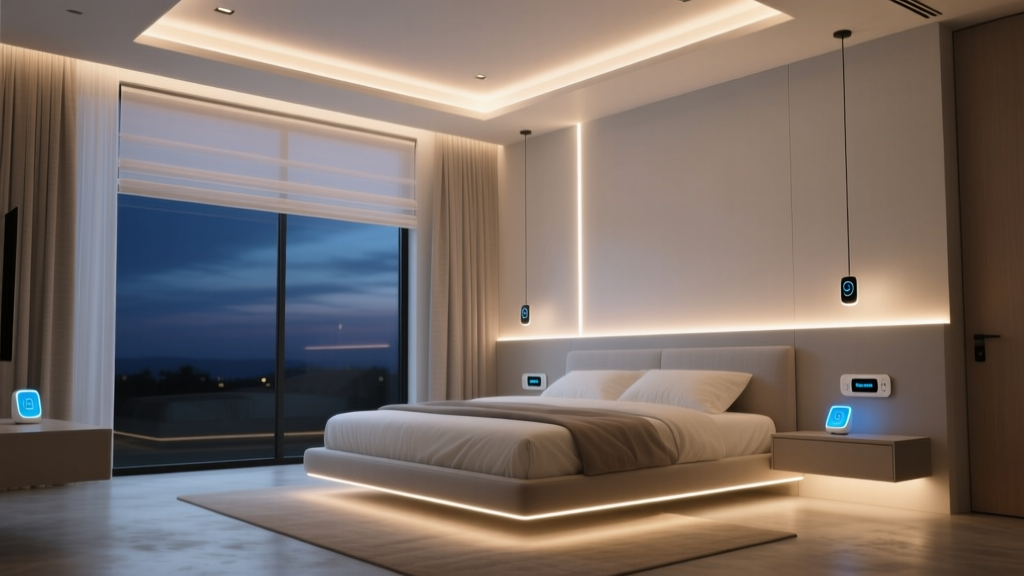
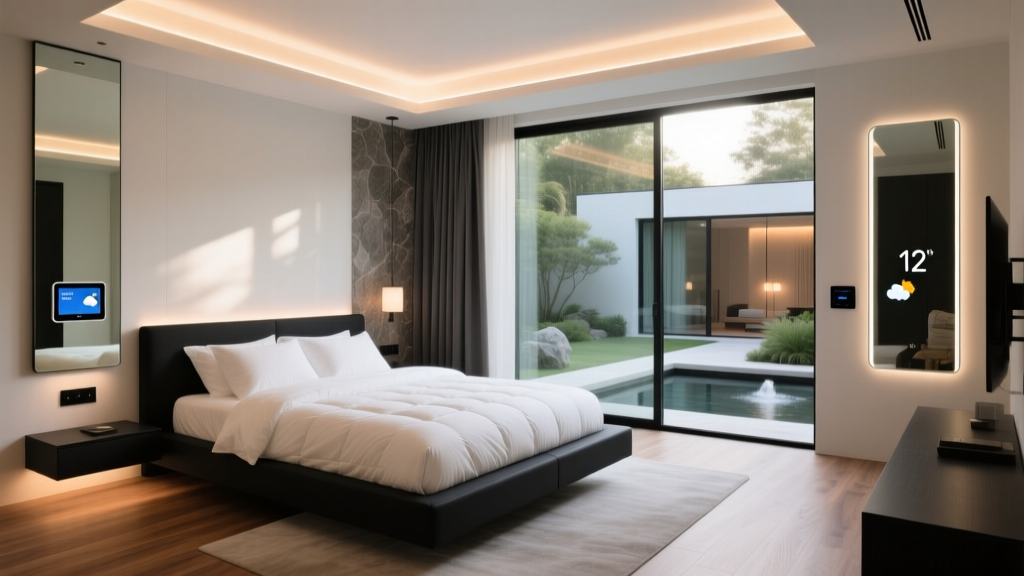
Bedroom: Sleep Hygiene & Circadian Comfort
Your bedroom automation should actively promote sleep hygiene. The EPA’s Energy Star program highlights how smart thermostats can optimize nighttime temperature drops, which not only saves energy but aligns with the body’s natural circadian rhythm, requiring a cooler environment for deep sleep. Lighting must also transition from energizing blues during the day to sleep-inducing ambers at night.
Device Recommendations & Budget Tiers
- Starter Tier ($100 - $180): Philips Hue White Ambiance bulbs for circadian shifting, a smart plug for a white noise machine or fan.
- Mid Tier ($300 - $500): Aqara Curtain Driver E1 for automated blackout drapes, a smart air purifier (e.g., Levoit Core 400S) that reacts to indoor air quality sensors.
- Pro Tier ($800 - $1,500): Eight Sleep Pod Pro for biometric temperature regulation on each side of the bed, Lutron Serena honeycomb blackout shades, and ceiling-mounted millimeter-wave presence sensors.
Installation Tip
For curtain drivers and motorized tracks, measure your window casing carefully and add at least 6 inches to the width of the track on both sides. This ensures that when the smart curtains are fully open, the fabric stacks completely off the glass, maximizing natural light and preventing UV damage to your interior furnishings.
Automation Routine: "Circadian Wind-Down"
Trigger: Time-based (10:00 PM) or triggered by the sleep tracker detecting you getting into bed.
Actions: Main overhead lights turn off. Bedside lamps fade to a dim, 1900K candlelight hue. Blackout shades close. The thermostat drops the bedroom temperature by 3 degrees. The air purifier shifts to silent night mode.
Bathroom: Moisture Management & Luxury
Bathrooms present unique challenges due to high humidity, water exposure, and strict electrical codes. Automation here should focus on preventing mold through intelligent ventilation and providing a spa-like luxury experience. All devices installed in specific zones must meet the required IP (Ingress Protection) ratings for wet environments.
Device Recommendations & Budget Tiers
- Starter Tier ($80 - $150): Aqara Temperature and Humidity Sensor, smart switch for the exhaust fan, waterproof Bluetooth speaker.
- Mid Tier ($250 - $400): Smart LED mirror with anti-fog and color temperature control, automated bidet attachment with heated seat and warm water.
- Pro Tier ($1,500+): Moen Smart Shower with digital temperature presets and voice activation, radiant floor heating integrated with a smart thermostat, smart glass privacy windows that frost on command.
Installation Tip
Never install standard smart switches inside a shower enclosure or directly above a bathtub. Use IP65-rated pull-cord switches or rely on external humidity sensors to trigger exhaust fans located in the ceiling, keeping all high-voltage wiring safely outside the wet zones.
Automation Routine: "Steam & Vent"
Trigger: Humidity sensor detects a rapid increase in moisture (e.g., crossing the 65% threshold).
Actions: Exhaust fan turns on to high speed. If humidity remains above 60% after the shower ends, the fan continues running automatically until the baseline moisture level is restored, preventing mold growth in the drywall.
Ecosystem & Protocol Compatibility Matrix
To ensure your room-by-room devices communicate without relying on third-party cloud bridges, consult this compatibility matrix before purchasing. Prioritizing Matter and Thread ensures future-proofing.
| Ecosystem | Matter Support | Thread Border Router | Zigbee Native | Best For |
|---|---|---|---|---|
| Apple Home | Yes | Yes (via Apple TV/HomePod) | No | Privacy-focused, local control |
| Samsung SmartThings | Yes | Yes (via Station/Hub v3) | Yes | Maximum device compatibility |
| Amazon Alexa | Yes | Yes (via Echo 4th Gen) | Yes (via Echo Plus/Hub) | Voice-first, budget-friendly |
| Google Home | Yes | Yes (via Nest Hub/Mini) | No | Multi-user households, AI |
Budget Allocation Visualization
Understanding where your money goes is critical for a whole-home plan. The chart below illustrates the estimated hardware costs across different rooms based on the Starter, Mid, and Pro tiers outlined above. Notice how the Bathroom Pro tier spikes due to the high cost of smart plumbing fixtures, while the Bedroom remains relatively cost-effective even at higher tiers.
Securing Your Whole-Home Network
As you deploy dozens of sensors, cameras, and smart appliances, your attack surface expands. The National Institute of Standards and Technology (NIST) emphasizes the critical need for robust IoT cybersecurity practices in residential environments. A compromised smart bulb can serve as a gateway for malicious actors to access your personal computers or smartphones.
To mitigate this, implement network segmentation. Most modern mesh routers allow you to create a dedicated "IoT VLAN" or "Guest Network." Place all your smart home hubs, plugs, and appliances on this isolated network. This ensures that even if a cheap, off-brand smart plug is compromised, the attacker cannot laterally move to your primary network where your financial data and personal devices reside. Additionally, commit to a quarterly audit of your device firmware and disable any remote cloud access features for devices that only need local control.
Final Thoughts on Scaling Your Masterplan
A successful room-by-room smart home automation masterplan is not executed overnight. The most resilient and enjoyable smart homes are built iteratively. Start by establishing your hub, securing your network, and wiring the living room and kitchen where the daily impact is most profound. Once you are comfortable with the logic engines and automation routines, expand into the private sanctuaries of the bedroom and bathroom.
By prioritizing open standards like Matter, investing in local processing hubs, and focusing on routines that solve actual daily friction rather than just providing novelty, you will create a living space that is not just technologically advanced, but genuinely intuitive. The ultimate goal of smart home technology is to fade into the background, anticipating your needs and managing your environment so seamlessly that you never have to reach for a switch or open an app.