The Shift from Piecemeal Gadgets to Whole-Home Blueprints
For years, the smart home industry was defined by fragmented gadgets: a smart speaker in the kitchen, a disconnected smart bulb in the bedroom, and a standalone camera on the porch. While fun to experiment with, this piecemeal approach inevitably leads to app fatigue, incompatible ecosystems, and a frustrating user experience. Today, the most successful smart home installations rely on a comprehensive, whole-home automation plan. By designing your home room-by-room with a unified ecosystem, you create a seamless environment where technology anticipates your needs rather than demanding your constant input.
The foundation of this modern blueprint is interoperability. With the rollout of the Matter standard by the Connectivity Standards Alliance, devices from different manufacturers can now communicate locally and securely. This means you are no longer locked into a single brand. Whether you prefer Apple HomeKit, Amazon Alexa, or Google Home as your primary interface, a well-planned room-by-room strategy ensures every space functions harmoniously.
Phase 1: The Network and Hub Foundation
Before purchasing a single smart bulb, you must fortify your home network. A standard ISP router will quickly buckle under the weight of 40+ IoT devices. Invest in a Wi-Fi 6E mesh system, such as the Eero Pro 6E or Netgear Orbi, to ensure blanket coverage and dedicated backhaul channels. Furthermore, prioritize Thread-enabled devices. Thread is a low-power, mesh-networking protocol that allows smart home accessories to communicate with each other without congesting your Wi-Fi bandwidth. Devices like the Apple HomePod mini or Amazon Echo (4th Gen) act as Thread border routers, bridging your low-power sensors to your main network.
Phase 2: The Living Room (Entertainment and Ambiance)
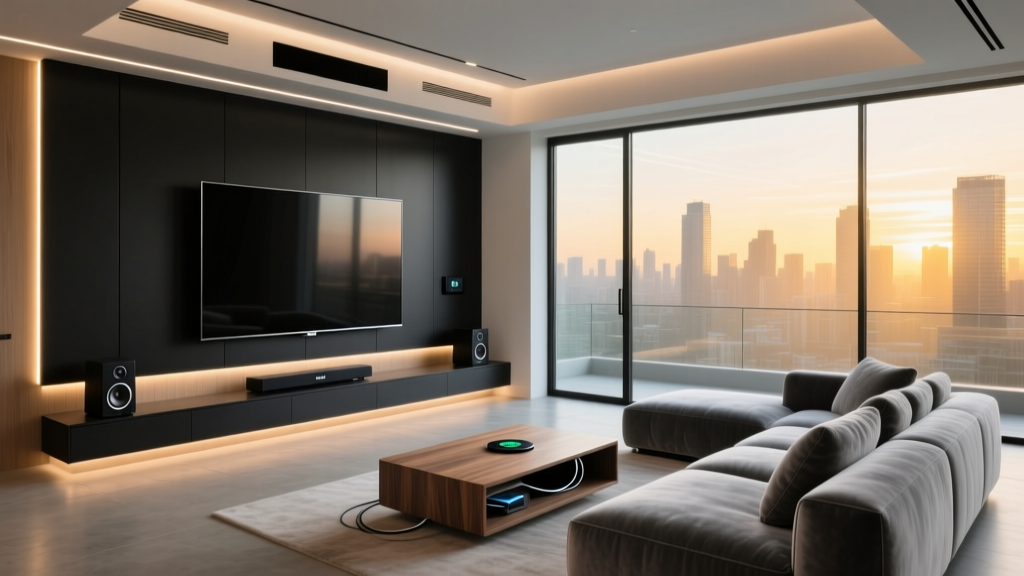
The living room is the high-traffic hub of the home, requiring a balance of entertainment control and atmospheric lighting. The goal here is to hide the technology and highlight the design.
Lighting and Shading
Ditch smart bulbs for main overhead fixtures and opt for smart switches like the Lutron Caseta RA3 or Leviton Decora Smart. These require a neutral wire but offer vastly superior reliability and ensure the physical switch always works, even if the internet goes down. For ambiance, integrate Philips Hue gradient light strips behind your media console and TV to create bias lighting that reduces eye strain and adds a cinematic glow. Pair this with Lutron Serena smart roller shades, which can be programmed to lower automatically when the sun sets or when you initiate 'Movie Mode'.
Audio and Media
Centralize your entertainment with a Sonos Arc soundbar, which supports Dolby Atmos and integrates seamlessly with voice assistants. Use a universal smart remote like the Sofabaton X1 to control your TV, receiver, and streaming boxes via a single interface, eliminating the clutter of multiple remotes on your coffee table.
Phase 3: The Kitchen (Culinary Command Center)
The kitchen demands hands-free operation, safety monitoring, and quick access to information. Aesthetics are crucial here; visible wires or bulky tech can ruin the clean lines of modern cabinetry.
Smart Displays and Appliances
Mount a smart display, such as the Echo Show 15 or Nest Hub Max, flush against your backsplash or use an under-cabinet mounting arm. This serves as your recipe viewer, family calendar, and intercom. While fully smart refrigerators are often overpriced and under-deliver, you can smarten up existing appliances. Use a heavy-duty smart plug (like the TP-Link Kasa Smart Plug Slim) for your coffee maker, allowing you to schedule your morning brew to start exactly when your bedroom alarm goes off.
Safety and Leak Detection
Water damage is a homeowner's worst nightmare. Install Aqara Water Leak Sensors under the kitchen sink and behind the dishwasher. Pair these with a smart water shut-off valve like the Moen Flo, which can automatically cut the main water supply if a catastrophic leak is detected, saving you thousands in potential repairs.
Phase 4: The Bedrooms (Rest and Recovery)
Bedroom automation should prioritize sleep hygiene, circadian rhythm alignment, and climate control. Technology in the bedroom should be felt, not seen or heard.
Circadian Lighting and Climate
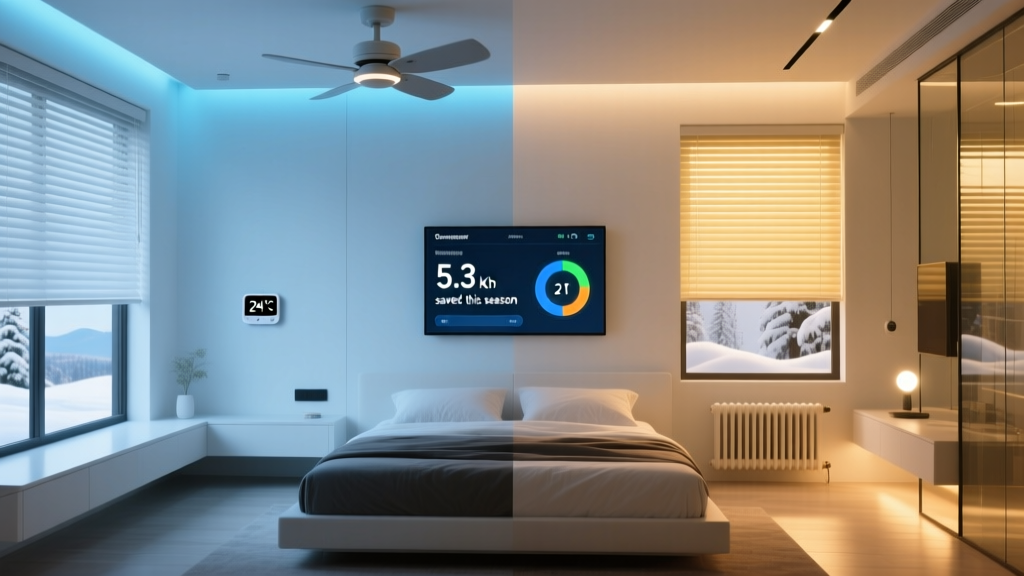
Use Philips Hue White Ambiance bulbs in bedside lamps, programmed to mimic the sun: bright, cool white in the morning to promote wakefulness, and a dim, warm amber in the evening to stimulate melatonin production. For climate, upgrade to an ENERGY STAR certified smart thermostat like the Ecobee Smart Thermostat Premium. According to the EPA, smart thermostats can save households an average of 8% on heating and cooling bills. The Ecobee uses remote room sensors to ensure your bedroom is the exact temperature you prefer at night, ignoring the empty living room downstairs.
Automated Goodnights
Install a discrete smart button or use a bed occupancy sensor. A single tap or the act of lying down can trigger a 'Goodnight' routine: locking all exterior doors, arming the security system, turning off all non-essential lights, and setting the thermostat to your preferred sleep temperature.
Phase 5: The Bathrooms (Comfort and Moisture Control)
Bathrooms present unique challenges due to high humidity and limited wall space. Automation here focuses on ventilation and comfort.
Smart Ventilation
Replace your standard exhaust fan with a smart ventilation fan, such as the Homewerks Smart Bath Fan. These units feature built-in humidity sensors that automatically turn the fan on when moisture levels spike during a shower, and keep it running until the room is properly ventilated, preventing mold growth and peeling paint.
Comfort and Mirrors
Install a smart mirror with built-in LED defoggers and adjustable color temperatures for flawless grooming. Under-cabinet toe-kick lighting triggered by a motion sensor (like the Eve Motion) provides a soft, low-level nightlight for midnight bathroom trips without blinding you or waking up your partner.
Phase 6: Outdoor and Garage (Security and Curb Appeal)
The exterior of your home is your first line of defense and the primary driver of curb appeal. Automation here should focus on deterrence, access control, and resource conservation.
Security and Access
Upgrade your garage door to a smart controller like the Chamberlain myQ or Meridian. This allows you to check the status of your garage from anywhere and grant temporary access to delivery drivers or dog walkers. For perimeter security, deploy PoE (Power over Ethernet) cameras like the UniFi G4 Pro. Hardwired cameras eliminate Wi-Fi dropouts and battery-charging chores, providing reliable 24/7 AI-powered person and vehicle detection.
Smart Irrigation
Replace your legacy sprinkler timer with a smart irrigation controller like the Rachio 3. As highlighted by the EPA WaterSense smart irrigation controllers program, these devices connect to local weather stations to automatically skip watering when rain is in the forecast, saving the average home nearly 7,600 gallons of water annually.
Budget Tiers: Planning Your Investment
Creating a whole-home automation plan requires a realistic budget. Below is a breakdown of estimated costs per room across three different tiers. The 'Starter' tier relies on Wi-Fi and Bluetooth devices, the 'Mid' tier introduces Thread and Zigbee hubs, and the 'Pro' tier utilizes hardwired, premium architectural solutions.
| Room / Area | Starter Tier (DIY / Wi-Fi) | Mid Tier (Thread / Zigbee) | Pro Tier (Hardwired / Architectural) |
|---|---|---|---|
| Living Room | $250 | $650 | $1,500+ |
| Kitchen | $150 | $400 | $900+ |
| Bedroom (x2) | $200 | $500 | $1,200+ |
| Bathroom | $80 | $250 | $600+ |
| Outdoor / Garage | $300 | $750 | $2,000+ |
| Total Estimated | $980 | $2,550 | $6,200+ |
Tying It All Together: Essential Automation Routines
The true magic of a room-by-room smart home plan is realized when the rooms stop acting independently and start collaborating through automation routines. Here are three foundational routines to program once your hardware is installed:
1. The 'Leaving Home' Geofence
Triggered when the last person's smartphone leaves a 500-meter geofence around the house. This routine turns off all lights, adjusts the Ecobee thermostat to an eco-mode, arms the security system, closes the smart garage door if left open, and starts the robot vacuum.
2. The 'Circadian Morning' Sequence
Triggered by a time schedule on weekdays. Thirty minutes before your alarm, the bedroom smart blinds slowly raise to 50%, and the bedside lamps fade up to a warm 20% brightness. At alarm time, the lights shift to a bright, cool white, the kitchen coffee maker (via smart plug) turns on, and your smart speaker reads out the day's weather and calendar events.
3. The 'Midnight Security' Check
Triggered if any exterior door sensor or window sensor is opened between 11:00 PM and 5:00 AM. The routine instantly turns on all exterior floodlights, flashes the living room interior lights red, and sends a high-priority push notification with a camera snapshot to your phone.
Design and Aesthetic Considerations
A successful whole-home automation plan should be virtually invisible. Avoid the 'gadgety' look by prioritizing architectural-grade devices. Use paintable smart switches that blend into your walls, hide LED strips inside aluminum diffuser channels routed into your cabinetry, and choose in-wall or in-ceiling speakers (like Sonos Architectural by Sonance) instead of bulky bookshelf speakers. Always plan for low-voltage wiring during renovations or new builds; running Cat6 Ethernet to your camera locations, TV mounts, and ceiling access points will future-proof your home for the next decade of smart home innovation.
Conclusion
Transitioning to a fully automated home is a journey, not a weekend project. By following this room-by-room blueprint, you ensure that every device you purchase serves a distinct purpose, integrates flawlessly with your network, and enhances your daily life. Start with the foundation, prioritize interoperability through Matter and Thread, and gradually expand your system. The result is a living space that is not just technologically advanced, but intuitively responsive to the way you live.