Introduction to Seasonal Smart Home Adaptations
The shift between sweltering summers and freezing winters demands more than just a manual thermostat tweak. As extreme weather events become more frequent, maintaining indoor comfort while managing energy costs has become a top priority for homeowners. According to the U.S. Department of Energy, heating and cooling account for nearly half of the average home's energy consumption. By transitioning from reactive manual adjustments to proactive, room-by-room smart home automations, you can drastically improve your living environment and reduce your carbon footprint.
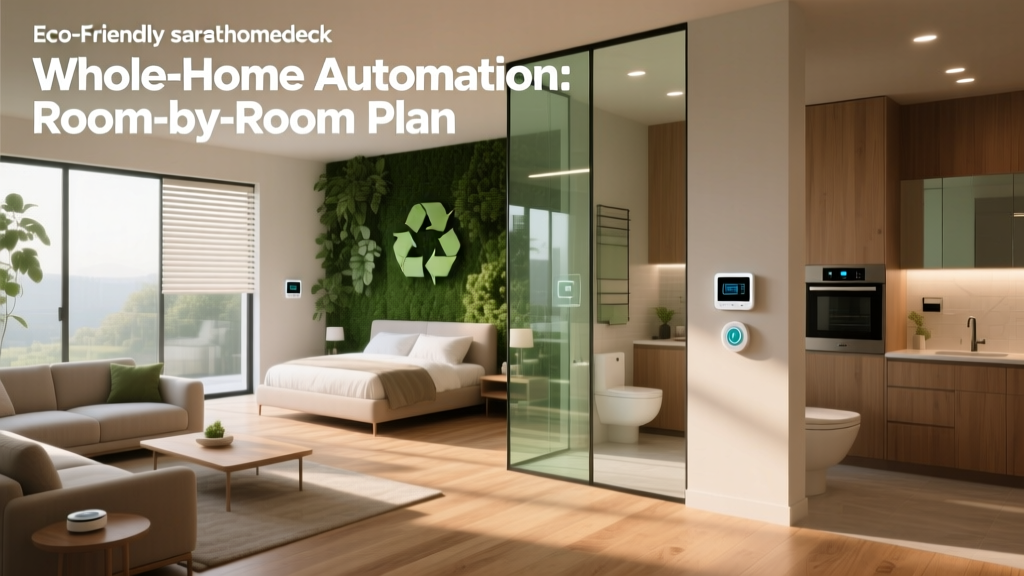
Smart home technology excels at handling the micro-climates within your house. The living room, often filled with large windows and high occupancy, has vastly different thermal needs compared to the bedroom, where core body temperature regulation is critical for sleep. This comprehensive guide explores how to deploy smart thermostats, automated window treatments, and intelligent lighting to adapt your most used spaces for both summer heat and winter chill.
Whether you are building a smart home from scratch or retrofitting an existing space, understanding the seasonal dynamics of each room is the key to unlocking true home automation. Let us dive into the specific devices, routines, and design considerations required to master seasonal room adjustments.
The Living Room: Beating the Summer Heat
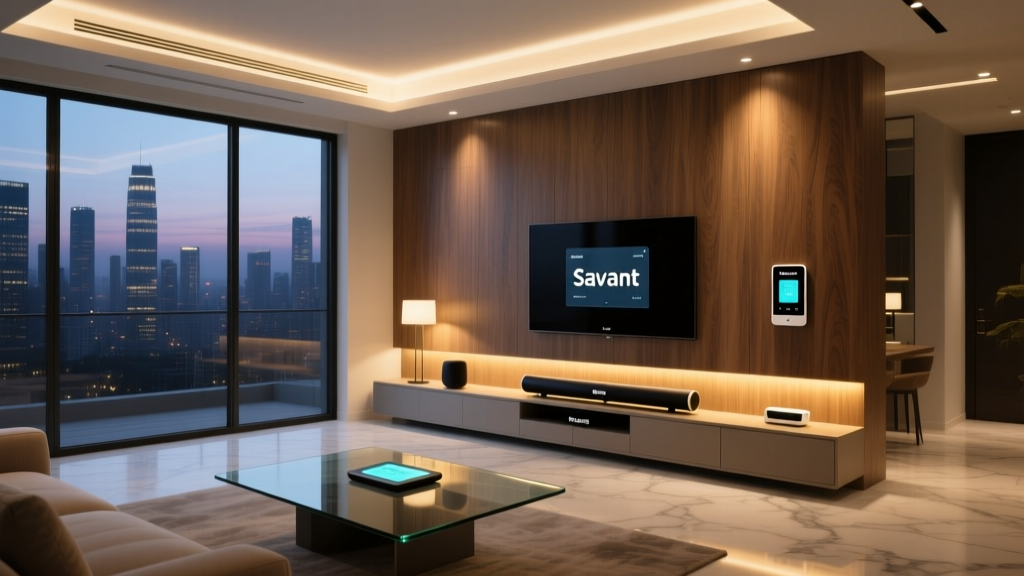
The living room is typically the hub of daytime activity, making it highly susceptible to solar heat gain. In the summer, south and west-facing windows can turn your living space into a greenhouse, forcing your HVAC system into overdrive. The U.S. Department of Energy notes that untreated windows can account for up to 30% of a home's cooling energy loss. The solution lies in automated solar management.
Smart Blinds and Solar Gain Reduction
Installing smart blinds is the most effective way to combat summer heat. The Lutron Serena Honeycomb Shades are a premium choice, offering excellent insulation and seamless integration with major ecosystems like Apple HomeKit and Amazon Alexa. For a budget-friendly retrofit, the SwitchBot Blind Tilt attaches directly to your existing blind wands. By utilizing the SwitchBot Hub 2, which features a built-in light and temperature sensor, you can create an automation that tilts the blinds shut when direct sunlight hits the sensor, instantly reducing room temperature by several degrees.
Intelligent Climate Control and Airflow
Pairing your blinds with a smart thermostat creates a powerful defense against heat. The Ecobee Smart Thermostat Premium utilizes remote SmartSensors placed directly in the living room. Instead of measuring the temperature in a hallway, the Ecobee prioritizes the living room during peak daytime hours. To enhance this, integrate a smart ceiling fan like the Hunter Symphony. By linking the fan to the Ecobee's temperature thresholds, the fan can automatically trigger at medium speed when the living room exceeds 74°F, creating a wind-chill effect that allows you to raise the AC setpoint by up to 4°F without sacrificing comfort.
The Living Room: Retaining Winter Warmth
When winter arrives, the living room's large windows become a primary source of heat loss. The goal shifts from blocking solar radiation to capturing it during the day and insulating against it at night.
Automated Insulation and Lighting
Honeycomb smart blinds, such as the aforementioned Lutron Serena, trap a layer of stagnant air against the window pane, significantly increasing the window's R-value (thermal resistance). You can program these blinds to open fully at 9:00 AM to allow passive solar heating, and close precisely at local sunset to trap the accumulated heat inside. To complement this, smart lighting plays a crucial psychological and aesthetic role. Using Philips Hue White Ambiance bulbs, you can program a 'Winter Evening' scene that shifts the color temperature to a warm, fire-like 2200K. This not only creates a cozy atmosphere but also supports your circadian rhythm as daylight hours shrink.
Safe Supplemental Heating
Many homeowners rely on space heaters or electric throw blankets in the living room during winter. Smart plugs like the Kasa EP25 allow you to monitor the energy consumption of these devices and set automatic shut-off timers. Safety Note: Never use a smart plug to turn on a space heater that requires a manual physical switch to be flipped; only use smart plugs on devices with digital memory or auto-on features, and always ensure the plug is rated for the heater's amperage (typically 15A).
The Bedroom: Optimizing Sleep Environments Year-Round
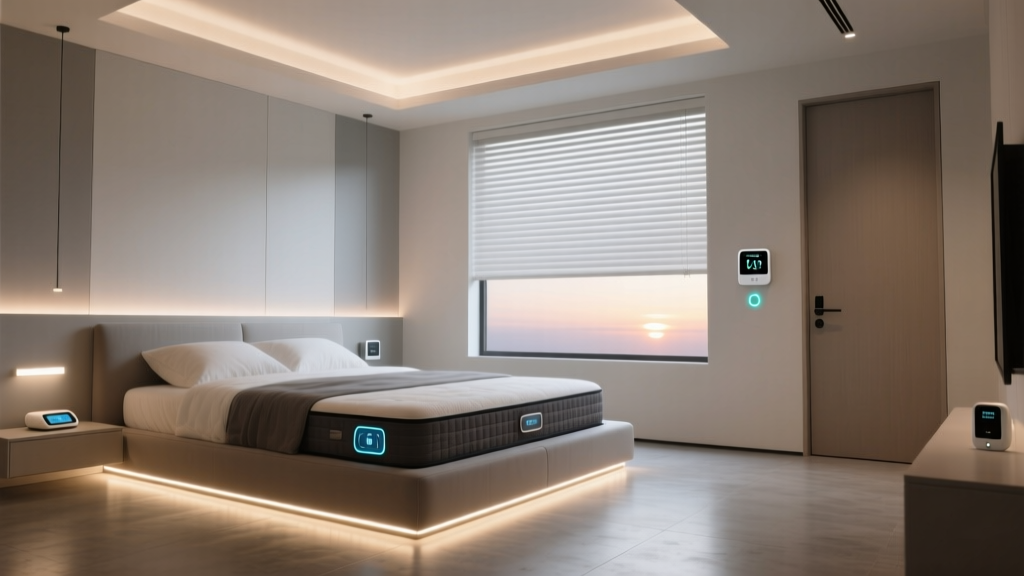
Sleep science dictates that a cooler room (around 65°F) is optimal for falling asleep, while a slightly warmer environment is preferred upon waking. Achieving this manually is tedious, but smart home devices can automate the transition flawlessly.
Summer Sleep: Active Cooling Solutions
For bedrooms with window air conditioners or split-system mini-splits, the Sensibo Sky Pro is an indispensable device. It uses infrared to control your existing AC unit via Wi-Fi. You can set a 'Sleep Schedule' that starts the AC at 68°F when you go to bed, and gradually raises the temperature to 72°F by 4:00 AM to prevent you from waking up shivering. For those willing to invest in premium sleep tech, the Eight Sleep Pod Cover uses hydro-cooling technology to actively chill the mattress surface, operating entirely independently of the room's ambient air temperature.
Winter Sleep: Sunrise Simulations and Warmth
Waking up in a pitch-black, freezing room during winter is a jarring experience. Smart lighting can simulate a natural sunrise to gently pull you out of deep sleep. The Hatch Restore 2 or a bedside Philips Hue gradient lamp can be programmed to begin emitting a faint, warm amber glow 30 minutes before your alarm, gradually increasing in brightness and shifting to a crisp 4000K daylight tone by the time you need to get up. Simultaneously, smart thermostats can be set to 'kick' the heat 15 minutes before your wake-up time, ensuring the bedroom is comfortably warm when you throw off the covers.
Mastering Seasonal Automation Routines
The true magic of seasonal adjustments lies in the automation routines. Whether you use Apple HomeKit, Amazon Alexa, Google Home, or a local hub like Home Assistant, setting up conditional logic is essential. Below are three foundational routines to implement for seasonal shifts.
Summer 'Heatwave Defense' Routine
- Trigger: Outdoor weather API reports a UV Index above 7 AND indoor living room temperature exceeds 73°F.
- Action 1: Close south and west-facing smart blinds to 85%.
- Action 2: Set smart thermostat to 'Away' mode if no motion is detected in the living room for 45 minutes.
- Action 3: Turn on living room smart ceiling fan to medium speed.
Winter 'Passive Solar & Insulate' Routine
- Trigger: Local sunset time (via astronomical clock).
- Action 1: Close all smart blinds to 100% to create an insulation barrier.
- Action 2: Shift all main living area smart bulbs to 2700K and dim to 60%.
- Action 3: Adjust smart thermostat to nighttime sleep temperature (e.g., 68°F).
Year-Round 'Vacation Mode' Routine
When leaving for a summer or winter vacation, your home's thermal needs change entirely. A single 'Vacation' toggle in your smart home app should disable all occupancy-based sensor overrides, set the thermostat to an eco-friendly baseline (78°F in summer, 62°F in winter to prevent pipe freezing), and randomize smart lighting schedules to deter intruders.
Budget Tiers for Seasonal Smart Upgrades
Upgrading your home for seasonal efficiency does not require an unlimited budget. Here is a breakdown of how to approach these upgrades based on your financial comfort zone.
| Tier | Estimated Cost | Core Devices | Best For |
|---|---|---|---|
| Starter | $150 - $300 | Wyze Smart Thermostat, SwitchBot Blind Tilt, Kasa Smart Plugs | Renters and budget-conscious DIYers looking for immediate, non-invasive upgrades. |
| Mid-Range | $500 - $900 | Ecobee Smart Thermostat, Sensibo Sky Pro, Philips Hue Starter Kit | Homeowners wanting reliable ecosystem integration and advanced sensor data. |
| Pro | $1,500+ | Lutron Serena Shades, Ecobee Premium, Eight Sleep Pod, Hunter Smart Fans | Luxury smart homes requiring bespoke aesthetics, silent motors, and biometric sleep tracking. |
Energy Savings and Environmental Impact
The financial and environmental ROI of seasonal smart room adjustments is substantial. ENERGY STAR certifies that smart thermostats can save homeowners an average of 8% on heating and cooling bills annually. However, when you combine a smart thermostat with automated window treatments, the savings compound significantly by reducing the actual load placed on your HVAC system.
The chart below illustrates the estimated seasonal energy consumption (in kilowatt-hours) of a standard 2,000 sq ft home based on different levels of smart home integration. The data highlights that addressing solar gain and heat loss via smart blinds is just as critical as upgrading the thermostat itself.
Pro Tip: To maximize your energy savings, check with your local utility provider. Many regional energy companies offer instant rebates ranging from $50 to $150 for installing ENERGY STAR-certified smart thermostats, effectively subsidizing your mid-tier upgrade.
Design and Aesthetic Considerations
When integrating seasonal smart devices into your living room and bedroom, aesthetics must not be sacrificed for functionality. For smart blinds, choose between inside-mount and outside-mount based on your window depth. Inside-mounts offer a cleaner, built-in look but require precise measurements and adequate depth to hide the motorized headrail. Fabric choice is equally important: light-filtering fabrics are ideal for living rooms to maintain a view while diffusing harsh summer glare, whereas blackout cellular fabrics are mandatory for bedrooms to ensure uninterrupted winter sleep.
For smart sensors and hubs, concealment is key. The Ecobee SmartSensor is small and unobtrusive, but it should be placed away from direct sunlight and drafty windows to ensure accurate temperature readings. Utilize decorative shelves or mount sensors behind indoor plants to keep them out of sight while maintaining optimal airflow around the device. Finally, ensure your smart home hub is placed centrally in the home to provide robust Zigbee or Thread mesh coverage, preventing the frustration of unresponsive blinds during a sudden summer downpour.
Conclusion
Adapting your home to the extremes of summer and winter no longer requires constant vigilance or exorbitant energy bills. By strategically deploying smart thermostats, automated window treatments, and intelligent lighting in your living room and bedroom, you create a responsive environment that anticipates your needs. From blocking the harsh midday sun to trapping valuable winter heat, these room-by-room solutions offer a perfect blend of comfort, convenience, and conservation. Start with a starter-tier setup, monitor your energy usage, and gradually expand your ecosystem to enjoy a perfectly calibrated home, no matter what the weather brings.