The Intersection of Luxury and Utility in the Smart Bathroom
The modern bathroom has evolved far beyond a purely functional space; it is now a sanctuary for wellness, a hub for daily preparation, and a critical zone for home protection. When designing a smart home, the bathroom presents a unique set of challenges and opportunities. High humidity, strict electrical codes, and the constant presence of water demand specialized hardware. Among the most transformative upgrades you can make to this space are the installation of smart bathroom mirrors and comprehensive water monitoring systems.
Smart mirrors elevate the daily routine with integrated lighting, anti-fog technology, and digital assistants, while water monitors act as silent sentinels, protecting your home from catastrophic leaks and reducing unnecessary water waste. In this comprehensive guide, we will explore the best devices on the market, break down budget tiers, provide crucial installation safety tips, and outline automation routines that tie these systems together seamlessly.
Smart Bathroom Mirrors: Beyond the Reflection
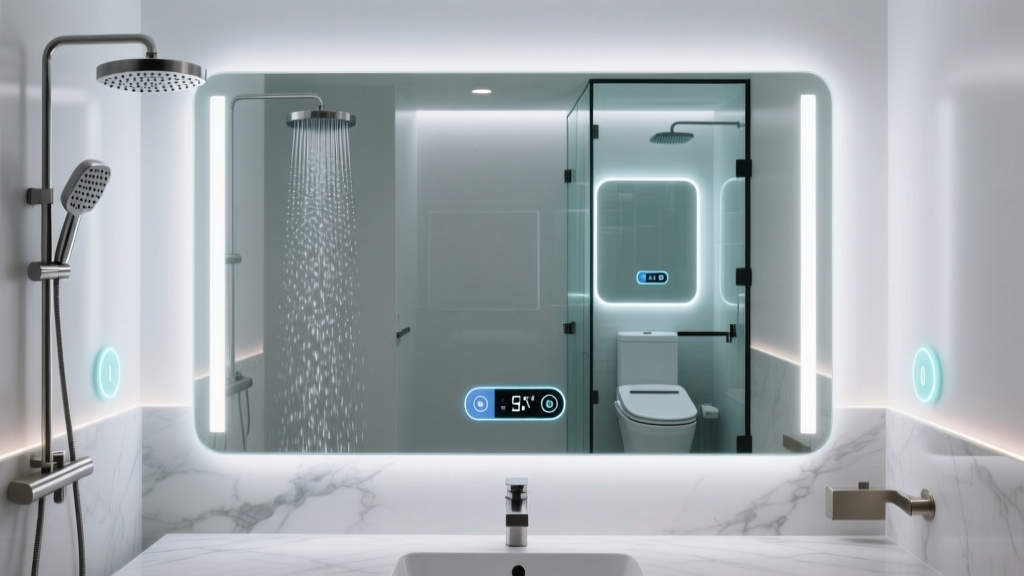
A smart mirror is no longer just a piece of glass; it is an interactive vanity hub. The best smart mirrors combine high-quality illumination with environmental controls and digital displays. When selecting a smart mirror, pay close attention to the Color Rendering Index (CRI) and color temperature. For tasks like makeup application or grooming, a CRI of 90 or higher is essential to ensure colors are represented accurately under the LED lights. A color temperature of around 4000K (neutral white) is generally considered ideal for bathroom vanities.
Top Product Recommendations
- HiMirror Mini Plus: This is the premier choice for skincare enthusiasts. It features a built-in smart display that analyzes your skin's hydration, redness, and pore size, tracking changes over time via a companion app. It also integrates with Amazon Alexa for voice-controlled lighting and daily briefings.
- Hauschen Smart LED Bathroom Mirror: For those who prioritize sleek aesthetics and core functionality over digital displays, Hauschen offers frameless, hardwired mirrors with memory functions for light dimming, built-in defoggers, and IP44 water-resistance ratings. The hidden touch sensors maintain a completely seamless glass surface.
- Electric Mirror Lumina: A luxury, professional-grade option that offers integrated Bluetooth audio, circadian rhythm lighting adjustments, and television overlays. This is a hardwired, high-end architectural piece designed for custom master bathrooms.
Water Monitoring: Protecting Your Home from Hidden Disasters
While a smart mirror enhances your morning, a water monitoring system protects your investment. According to EPA WaterSense, household leaks can waste nearly 10,000 gallons of water every year, and 10 percent of homes have leaks that waste 90 gallons or more per day. More importantly, water damage and freezing account for a massive percentage of homeowner insurance claims. Smart water monitors detect micro-leaks, running toilets, and burst pipes before they cause structural damage or mold growth.
Top Product Recommendations
- Flo by Moen Smart Water Shutoff: Installed on your home's main water line, the Flo system uses machine learning and pressure testing to detect even the smallest drips. If a catastrophic pipe burst occurs, the Flo automatically shuts off the water supply, limiting damage to your home. It also tracks daily water usage, helping you identify inefficient fixtures.
- Phyn Plus: Similar to the Flo, the Phyn Plus uses ultrasonic wave technology to measure water pressure changes up to 240 times per second. It can identify the specific fixture causing a leak (e.g., distinguishing between a running toilet and a leaking water heater) and provides an automatic shutoff valve.
- Honeywell Home Water Leak Detector: For renters or those who cannot modify their main plumbing, these battery-operated, point-of-use sensors are placed near the toilet base, under the vanity sink, and behind the bathtub. They connect to Wi-Fi and send immediate push notifications if moisture is detected.
Budget Tiers: Planning Your Bathroom Upgrade
Upgrading your bathroom's technology can fit a variety of budgets. Below is a breakdown of three distinct tiers, combining mirror and water monitoring solutions to suit different needs and financial plans.
| Tier | Smart Mirror Choice | Water Monitor Choice | Estimated Total Cost | Best For |
|---|---|---|---|---|
| Starter | Generic LED Mirror with Touch Defogger | Honeywell Wi-Fi Leak Detectors (2-pack) | $250 - $400 | Renters, budget-conscious upgrades, basic leak alerts. |
| Mid-Range | Hauschen Frameless Smart LED Mirror | Flo by Moen (without auto-shutoff add-on) | $800 - $1,200 | Homeowners seeking premium lighting and whole-home leak tracking. |
| Pro / Luxury | Electric Mirror Lumina or HiMirror Plus | Phyn Plus with Auto-Shutoff & Smart Shower | $2,500 - $4,500+ | Custom builds, luxury master suites, maximum automated protection. |
Installation and Safety Considerations
The bathroom is a high-risk environment for electrical hazards due to the proximity of water sources. Safety and code compliance must be your top priorities during installation.
Electrical Safety and GFCI Requirements
All electrical outlets in a bathroom must be protected by a Ground Fault Circuit Interrupter (GFCI). The National Fire Protection Association strongly emphasizes that GFCI protection is critical in areas where water and electricity intersect, as it cuts off power in milliseconds if it detects a ground fault, preventing lethal shocks. If your smart mirror is plug-in, ensure it is connected to a GFCI-protected outlet. For hardwired mirrors, hire a licensed electrician to ensure the junction box is properly sealed and the circuit is GFCI-protected at the breaker panel.
Additionally, verify the Ingress Protection (IP) rating of your smart mirror. For zones directly adjacent to the shower or bathtub, an IP44 rating (protected against splashing water) is the minimum requirement, though IP65 is preferred for high-moisture environments.
Plumbing Integration for Water Monitors
Whole-home water monitors like the Flo by Moen or Phyn Plus require installation on the main water supply line, usually located where the water enters the home (often in the garage, basement, or crawlspace, rather than the bathroom itself). This requires cutting into the main PEX or copper line and installing the device with union fittings for easy maintenance. While point-of-use sensors (like Honeywell) simply require a Wi-Fi signal and a flat surface, whole-home shutoff valves should always be installed by a licensed plumber to ensure proper water pressure calibration and prevent voiding your home's plumbing warranty.
Automation Routines for the Modern Bathroom
The true power of smart home technology is realized when devices communicate with one another. By integrating your smart mirror, lighting, and water monitors into a central hub like SmartThings, Home Assistant, or Apple HomeKit, you can create powerful automation routines.
Routine 1: The Perfect Morning Wake-Up
Using a motion sensor placed at the bathroom door or a scheduled time-based trigger, you can program a gentle morning routine. As you enter the bathroom, the smart mirror's LEDs fade in slowly to 20% brightness at a warm 2700K color temperature to avoid blinding you. Simultaneously, the mirror's anti-fog pad activates. If you have a smart shower system (like the Moen U), the shower can be pre-set to your exact preferred temperature, pausing the water flow once it reaches the target heat, waiting for you to step in without wasting a single drop.
Routine 2: Catastrophe Prevention Protocol
This is a critical safety automation. If a Honeywell leak sensor under the vanity detects standing water, or if the Flo by Moen detects abnormal pressure drops indicating a burst pipe, the system triggers an emergency protocol. The main water valve shuts off immediately. Simultaneously, the smart home hub sends a high-priority push notification to your phone. If someone is currently in the bathroom, the smart mirror's LEDs can be programmed to flash red, and an integrated speaker can announce, 'Water leak detected, main supply shut off,' ensuring immediate awareness.
Visualizing the Impact: Water and Energy Savings
Upgrading to smart water monitoring and smart shower technology doesn't just protect your home; it significantly reduces utility bills. Water heating is one of the largest energy expenses in a home. According to the U.S. Department of Energy, water heating accounts for nearly 20% of a home's total energy use. By using smart monitors to fix silent leaks (like running toilets) and utilizing smart showers that pause water flow until you are ready, you reduce both water consumption and the energy required to heat it.
As visualized in the chart above, transitioning from a standard bathroom setup to a fully integrated smart suite can reduce annual water waste by over 95%. The 'Full Smart Suite' captures micro-leaks via the mainline monitor and eliminates shower warm-up waste, resulting in massive environmental and financial savings over time.
Design and Aesthetic Integration
Technology should enhance your bathroom's design, not clutter it. When integrating smart mirrors and sensors, aesthetic planning is crucial.
- Framed vs. Frameless: Frameless LED mirrors offer a sleek, modern, and minimalist look, allowing the light to spill beautifully onto the wall behind them, creating a floating effect. Framed smart mirrors (often with matte black or brushed brass finishes) are better suited for transitional, industrial, or classic bathroom designs.
- Hiding the Sensors: Point-of-use leak sensors are notoriously ugly plastic pucks. To maintain a pristine bathroom aesthetic, use double-sided mounting tape to secure them to the back wall of the vanity cabinet, directly beneath the P-trap of the sink. This keeps them hidden from view while perfectly positioning them to catch drips from the most common failure points.
- Concealing Wires: If you opt for a plug-in smart mirror rather than a hardwired model, use a paintable cord channel to route the power cable down the wall to the nearest outlet. Alternatively, consult an electrician about installing a recessed outlet behind the mirror to completely hide the plug and wire.
Conclusion
Transforming your bathroom with smart mirrors and water monitoring systems is an investment in both daily luxury and long-term home preservation. By carefully selecting devices that match your budget, adhering strictly to electrical and plumbing safety codes, and leveraging smart automations, you create a space that is as intelligent as it is beautiful. Whether you are starting with a simple leak sensor and an LED vanity mirror or outfitting a master suite with whole-home water shutoff valves and skin-analyzing displays, the modern smart bathroom offers unparalleled peace of mind and convenience.