The Ultimate Smart Bedroom: Seasonal Climate and Lighting Automation
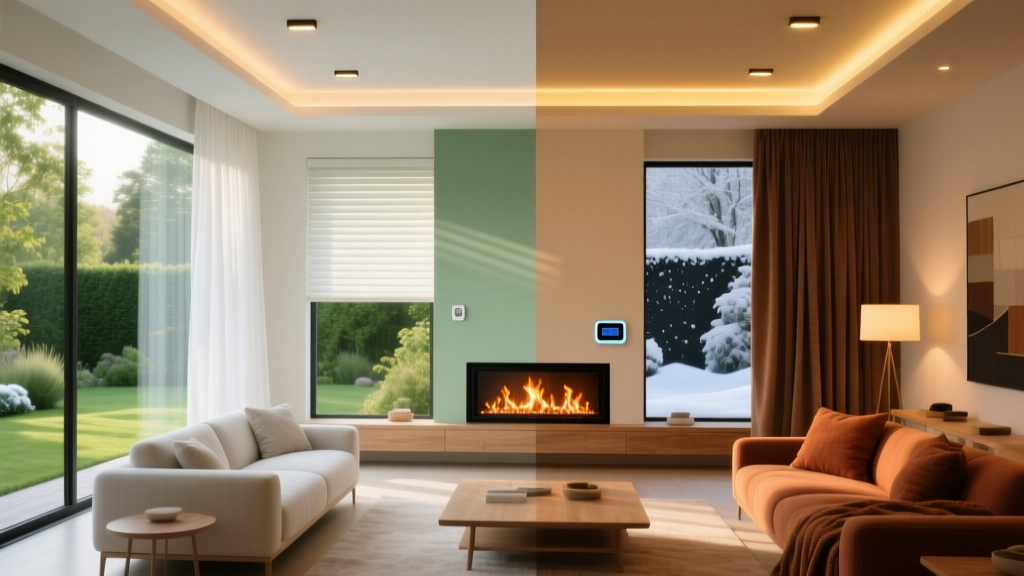
The bedroom is the most critical room in your home when it comes to health, recovery, and overall well-being. While many smart home enthusiasts focus their automation efforts on the living room or kitchen, the bedroom presents unique environmental challenges that shift dramatically with the seasons. Maintaining the perfect sleep environment requires a delicate balance of temperature, humidity, and lighting—all of which fluctuate wildly between the sweltering heat of summer and the freezing drafts of winter. In this comprehensive guide, we will explore how to transform your bedroom into a seasonally adaptive sanctuary using the latest smart home technology. Whether you are trying to block out the harsh summer sun or trap the cozy warmth of winter, these room-by-room solutions will help you achieve optimal comfort while minimizing energy waste.
The Biology of Seasonal Sleep
Before diving into specific devices, it is essential to understand why seasonal adjustments matter. Your circadian rhythm is heavily influenced by environmental cues, primarily light and temperature. According to the National Sleep Foundation, the ideal bedroom temperature for sleep is approximately 65 degrees Fahrenheit (18.3 degrees Celsius). During the summer, ambient temperatures often exceed this threshold, leading to restless nights and disrupted REM cycles. Conversely, winter brings cold drafts and dry air that can irritate respiratory pathways and cause frequent awakenings. By automating your bedroom's climate and lighting, you can artificially maintain this biological sweet spot year-round, regardless of the weather outside.
Summer Bedroom Solutions: Beating the Heat
Smart Air Conditioning Controllers
If your bedroom relies on a split-system or window air conditioner, a smart AC controller like the Sensibo Air or Tado Smart AC Control is a game-changer. These devices use infrared signals to interface with your existing AC unit, effectively turning a 'dumb' appliance into a fully connected smart device. The Sensibo Air features a '6th Sense' mode that automatically triggers cooling when the room temperature and humidity cross a predefined threshold. More importantly, its geofencing capabilities ensure that your bedroom is pre-cooled to exactly 65 degrees by the time you arrive home from work, without wasting energy while you are away. Priced around $99, it integrates seamlessly with Apple HomeKit, Amazon Alexa, and Google Home.
Automated Blackout Blinds
Summer mornings bring intense sunlight that can prematurely halt melatonin production. Smart blackout blinds are essential for maintaining a cave-like sleep environment. The SwitchBot Curtain Rod 2 offers a budget-friendly, renter-safe retrofit solution that physically pushes your existing curtains closed. For a more premium, built-in aesthetic, the IKEA Fyrtur or the newer Govee Smart Roller Shades provide motorized blackout capabilities. By linking these blinds to a smart light sensor or a sunrise routine, you can program them to remain completely shut until your designated wake-up time, blocking both heat gain and UV radiation.
Smart Ceiling Fan Integration
Air circulation is vital for evaporative cooling on your skin. If you have a traditional ceiling fan with a pull-chain, the Bond Bridge can integrate it into your smart ecosystem. By recording the fan's remote or pull-chain RF/IR signals, the Bond Bridge allows you to automate fan speeds based on the room's thermal sensors, creating a wind-chill effect that allows you to raise the AC thermostat by up to 4 degrees without sacrificing comfort.
Winter Bedroom Solutions: Trapping the Warmth
Smart Radiator Valves and Zonal Heating
For homes with hydronic heating or radiators, smart radiator valves like the Eve Thermo or Tado Smart Radiator Thermostat provide granular, zonal control. Instead of heating the entire house to compensate for a cold bedroom, these valves utilize Thread and Matter protocols to communicate directly with your smart home hub. The Eve Thermo features a built-in display and touch controls, allowing you to set a specific 'Sleep' schedule that drops the radiator output during the night to prevent overheating, then gently warms the room 30 minutes before your alarm sounds.
Smart Thermostats with Remote Sensors
If you have central HVAC, a smart thermostat is mandatory. The Ecobee SmartThermostat Premium stands out for bedroom use because of its SmartSensor technology. Central thermostats are usually located in hallways, which can lead to a bedroom that is significantly colder or hotter than the rest of the house. By placing an Ecobee SmartSensor on your nightstand, the thermostat will prioritize the bedroom's temperature during your designated sleep hours, ensuring you never wake up freezing. Furthermore, the Premium model includes built-in air quality monitoring, alerting you if winter dryness requires the activation of a smart humidifier.
Circadian and Cozy Lighting
Winter nights are long, and harsh overhead lighting can disrupt your wind-down routine. Transitioning to smart lighting, such as Philips Hue or Govee, allows you to mimic the warm, low-color-temperature glow of a fireplace. Programming a 'Winter Evening' routine that shifts your bedroom bulbs to a 2000K amber hue at 8:00 PM signals to your brain that it is time to produce melatonin, counteracting the lack of natural sunset cues during the winter months.
Budget Tiers for Seasonal Upgrades
Upgrading your bedroom for seasonal comfort does not have to break the bank. Here is a breakdown of budget tiers to help you plan your smart home investment.
| Tier | Core Devices | Estimated Cost | Best For |
|---|---|---|---|
| Starter | SwitchBot Curtain Rod, Smart Plug, Basic Temp Sensor | $80 - $130 | Renters, small budgets, basic automation |
| Mid-Range | Sensibo Air, Govee Smart Blinds, Smart Bulbs, Hub | $250 - $450 | Homeowners, moderate automation needs |
| Pro | Ecobee Premium, Eve Thermo, Philips Hue, Bond Bridge | $700 - $1,200+ | Full ecosystem integration, luxury comfort |
Seasonal Automation Routines
The true magic of a smart bedroom lies in the automation routines that run silently in the background. Here are highly effective seasonal routines you can program via Apple HomeKit, Alexa, or Home Assistant.
Summer Routines
- Solar Heat Block: IF local weather API reports outdoor temp > 80°F AND time is 10:00 AM, THEN close smart blinds to 100% to prevent solar heat gain.
- Pre-Sleep Cool Down: IF time is 9:00 PM, THEN set AC controller to 68°F and turn on ceiling fan to medium speed.
- Morning Wake-Up: IF time is 7:00 AM, THEN slowly open blinds to 50% and turn on smart plug connected to a coffee maker.
Winter Routines
- Cozy Wind-Down: IF time is 8:30 PM AND motion is detected in bedroom, THEN set Philips Hue lights to 2000K (Amber) at 40% brightness.
- Deep Sleep Warmth: IF time is 11:00 PM, THEN set Ecobee SmartSensor target to 65°F and turn on smart humidifier to maintain 45% humidity.
- Winter Sunrise: IF time is 6:30 AM, THEN turn on smart LED strip behind headboard to warm white (3000K) and gradually increase radiator valve output.
Energy Efficiency and Cost Savings
One of the most compelling reasons to automate your bedroom climate is the potential for energy savings. Heating and cooling account for nearly half of a typical home's utility bills. By utilizing smart sensors and geofencing, you ensure that you are only conditioning the air when the room is occupied. According to the U.S. Department of Energy, you can save as much as 10% a year on heating and cooling by simply turning your thermostat back 7°-10°F for 8 hours a day from its normal setting—a process that smart thermostats handle automatically. Furthermore, ENERGY STAR notes that certified smart thermostats can save an average of $50 annually on energy costs, quickly paying for the device itself.
Average Annual Energy Savings by Smart Climate Device
Installation, Compatibility, and Aesthetics
When outfitting a bedroom, aesthetics and noise levels are just as important as functionality. You want technology that fades into the background. When selecting devices, prioritize those that support the Matter and Thread protocols. Thread-enabled devices, like the Eve Thermo or Nanoleaf Essentials, create a low-power, low-latency mesh network that does not clog up your home's WiFi bandwidth, ensuring your sleep environment remains free of electromagnetic interference and network dropouts.
Aesthetically, visible sensors and blinking LEDs can ruin a relaxing bedroom vibe. To combat this, utilize recessed smart lighting or hide LED strips behind your headboard and crown molding for indirect illumination. For the Ecobee SmartSensor, consider placing it on a bookshelf or behind a decorative pillow on a bench at the foot of the bed, ensuring it still has a clear line of sight for occupancy detection without looking like a piece of industrial equipment. Finally, ensure that any motorized blinds or curtain rods are measured precisely; a sloppy installation will let in light leaks that defeat the purpose of a blackout summer morning routine. By carefully selecting and hiding your smart home gear, your bedroom will remain a stylish, tranquil retreat that effortlessly adapts to the extremes of summer and winter.