The Ultimate Smart Mudroom Guide: Leak Detection, Climate Control & Organization
The mudroom is the unsung hero of the modern home. Acting as the primary airlock between the unpredictable outdoors and your pristine interior, this high-traffic transition zone takes the brunt of daily life. From muddy boots and snow-soaked coats to damp sports gear and wet dogs, the mudroom endures extreme moisture, temperature fluctuations, and heavy wear and tear. Yet, despite its critical role in protecting the rest of your house, it is often the last room to receive smart home upgrades.
Transforming your mudroom into a smart, responsive space is about far more than just adding a smart speaker. A properly designed smart mudroom focuses on three core pillars: proactive leak detection to prevent catastrophic water damage, intelligent climate control to dry out gear and prevent mold, and seamless organization and security to streamline your family's daily comings and goings. Whether you are dealing with melting snow, driving rain, or the humidity of wet laundry, integrating smart technology into this space will save you time, money, and immense stress.
In this comprehensive room-by-room guide, we will break down exactly how to outfit your mudroom with the best smart home technology. We will explore budget-friendly starter kits, advanced professional-grade installations, and the exact automation routines you need to keep your entryway clean, dry, and secure.
Smart Mudroom Budget Tiers: Starter, Mid, & Pro
Outfitting a mudroom does not require a complete gut renovation. You can scale your smart home investments based on your budget, the current state of your entryway, and your specific household needs. Here is how to approach your smart mudroom upgrade across three distinct budget tiers.
Starter Tier: The Essential Drop Zone ($100 - $300)
The Starter tier is all about basic protection and everyday convenience. At this level, your primary goal is to catch water leaks before they ruin your subfloor and to eliminate the friction of fumbling for keys with armfuls of groceries.
- Water Leak Sensors: Place two or three Wi-Fi-enabled spot sensors near the exterior door threshold and under any utility sinks. These provide immediate push notifications to your phone if water is detected.
- Smart Plug for Climate: Use a heavy-duty smart plug to control a standalone dehumidifier or a portable space heater. You can set schedules or trigger them manually when the room feels damp or chilly.
- Entry-Level Smart Lock: Upgrade your exterior mudroom door with a basic smart lock featuring a keypad. This allows kids to get in after school without carrying keys and lets you lock the door remotely if you forget.
- Smart Bulb & Motion Sensor: A single smart bulb paired with a battery-operated motion sensor ensures the room is always lit when you walk in, even if your hands are full.
Mid Tier: The Proactive Protection Zone ($300 - $800)
The Mid tier shifts from reactive notifications to proactive automation. Here, the smart home begins to manage the mudroom's environment independently, responding to changes in weather, humidity, and security threats.
- Smart Water Shutoff Valve: Install an inline smart water shutoff valve on the main water line or the specific line feeding the mudroom's utility sink and washing machine. If a leak sensor detects water, the valve automatically cuts the supply, preventing major damage.
- Dedicated Climate Sensor: Add a remote temperature and humidity sensor to your smart thermostat system. This ensures the HVAC system accounts for the mudroom's unique micro-climate, kicking on the heat or AC when the room deviates from your comfort baseline.
- Smart Exhaust Fan Switch: Replace the standard wall switch for your mudroom exhaust fan with a smart switch. Automate it to turn on whenever humidity levels spike above 60%, rapidly venting moisture from wet clothes.
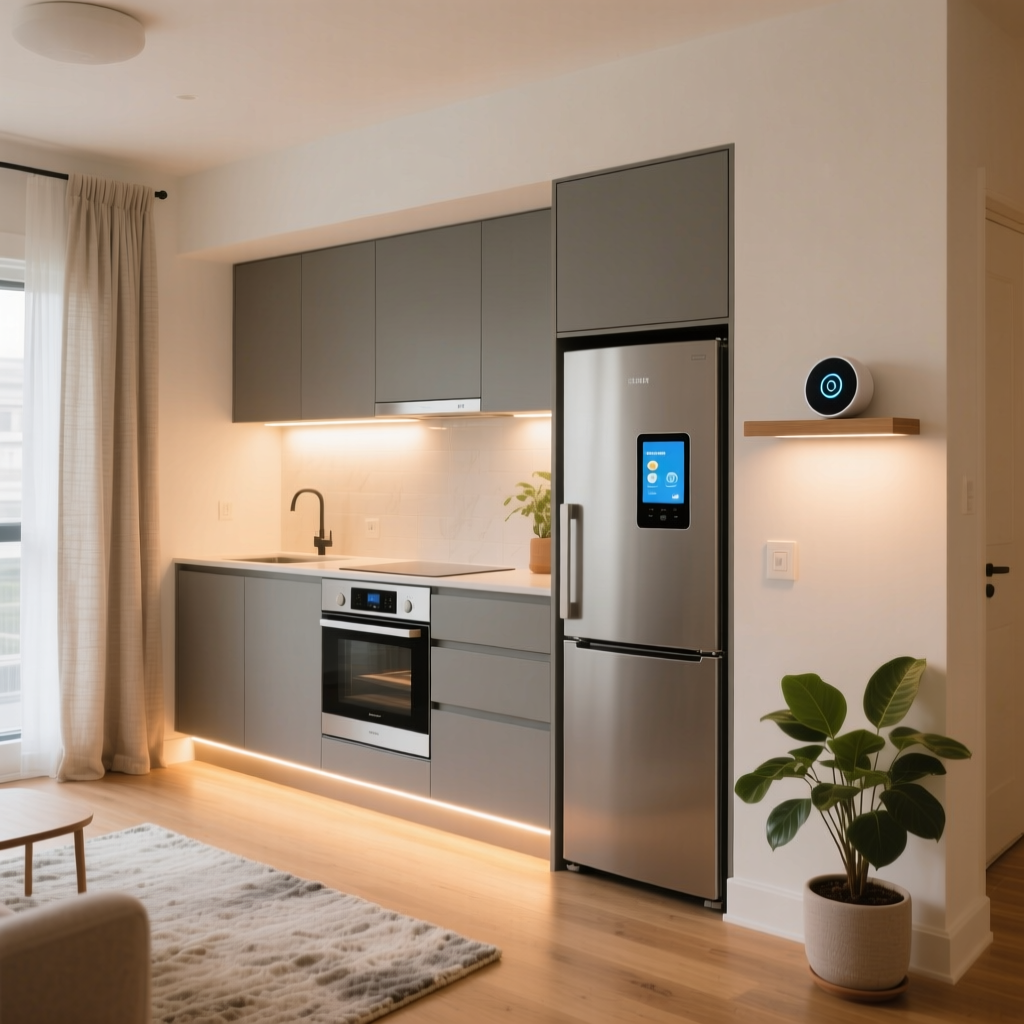
- Smart Lighting System: Install hardwired smart switches and under-cabinet LED strips. Create pathways of light that guide you from the exterior door to the interior hallway without needing to touch a switch.
Pro Tier: The Fully Integrated Airlock ($800+)
The Pro tier is for the custom-built home or the dedicated smart home enthusiast who wants a completely seamless, invisible technology experience. This tier integrates architectural elements with advanced smart home ecosystems.
- Whole-Home Water Monitoring: Install a premium water monitoring system that attaches to your main water line, using machine learning to detect micro-leaks and pressure drops before they ever reach the mudroom floor.
- Smart Radiant Floor Heating: Integrate smart thermostats specifically designed for radiant floor heating. The system will automatically warm the tile floors to gently dry snow-soaked boots and melt ice, while maintaining energy efficiency.
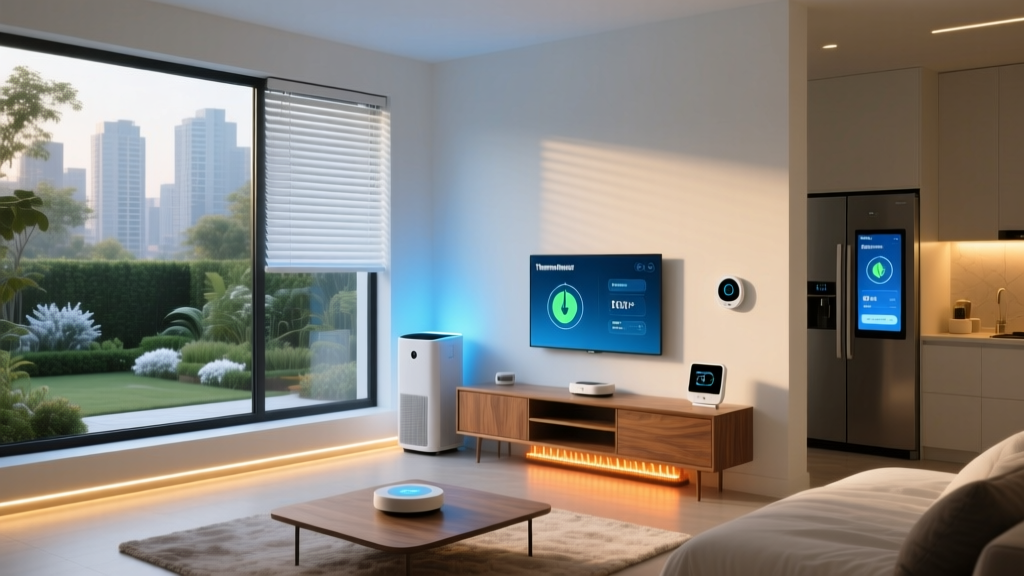
- Motorized Smart Shades: If your mudroom features windows or glass doors, install motorized shades that automatically lower during the hottest part of the day to protect gear from UV damage and regulate the room's temperature.
- Smart Cabinetry & Air Quality: Incorporate ventilated smart lockers with built-in drying fans controlled by smart relays, alongside a dedicated smart air quality monitor that tracks VOCs and triggers a whole-home air purifier when muddy, damp odors are detected.
Essential Smart Devices for Mudroom Leak Detection & Water Management
Water is the ultimate enemy of the mudroom. Between melting snow dripping from boots, rain-soaked umbrellas, utility sink overflows, and washing machine hose failures, the risk of water damage is exceptionally high. Because mudrooms are often situated on slab foundations or above finished basements, an undetected leak can lead to warped flooring, ruined drywall, and toxic mold growth. Implementing a robust smart leak detection strategy is non-negotiable.
Strategic Placement of Smart Water Leak Sensors
Not all leak sensors are created equal, and placement is just as important as the hardware itself. When shopping for smart water leak detectors, look for devices that offer both moisture and freeze detection. The mudroom is often one of the coldest rooms in the house, making it highly susceptible to frozen and burst pipes during winter storms.
Where to place spot sensors:
- The Exterior Threshold: Place a low-profile sensor exactly two inches inside the exterior door. This will catch driving rain or melting snow that blows under the door sweep before it spreads across the floor.
- Under the Utility Sink: If your mudroom has a deep basin for washing muddy paws or cleaning vegetables, place a sensor directly beneath the P-trap and supply lines.
- Behind the Washing Machine: Many mudrooms double as laundry rooms. Washing machine supply hoses are notorious for bursting. Place a sensor behind the machine, and consider using a cable-style sensor that wraps around the perimeter of the appliance.
Smart Water Shutoff Valves: The Ultimate Insurance Policy
While a spot sensor will alert you to a leak, a smart water shutoff valve will actually stop the damage. By installing smart water shutoff valves on the water supply lines feeding your mudroom, you create an automated defense system. If a washing machine hose bursts while you are at work, the leak sensor detects the puddle, sends a signal to your smart home hub, and the hub immediately commands the shutoff valve to close. The water supply is cut in seconds, turning a potential $20,000 renovation disaster into a minor cleanup job.
Monitoring Floor Drains and Sump Pumps
Some mudrooms, particularly those in older homes or walk-out basements, feature floor drains or rely on a nearby sump pump to handle groundwater. Smart water sensors with extendable probes can be dropped directly into a floor drain to ensure it hasn't become clogged with mud and debris. Additionally, smart sump pump monitors can alert you if the pump is running too frequently or if the battery backup has failed, ensuring your mudroom stays dry even during severe spring thaws.
Climate Control & Air Quality in the Mudroom
The mudroom acts as a thermal buffer zone, meaning it is often poorly insulated compared to the rest of the home. This creates a challenging micro-climate. In the winter, it is freezing; in the summer, it can become a sweltering greenhouse. Furthermore, the constant introduction of wet organic materials (wool coats, damp cotton, muddy shoes, and wet dogs) creates massive spikes in humidity, leading to condensation on windows and the dreaded "wet dog" smell that can permeate the entire house.
Mastering the Mudroom Micro-Climate
To effectively manage the temperature, you need to integrate the mudroom into your broader smart climate control ecosystem. Relying solely on the main hallway thermostat is a mistake, as it will not accurately reflect the temperature near the exterior door.
- Remote Temperature Sensors: Place a wireless temperature sensor in the mudroom and link it to your smart thermostat. Configure your thermostat to prioritize the mudroom sensor during specific times, such as the morning rush when the door is constantly opening and closing, or the afternoon when kids are dropping off wet gear.
- Smart Radiator Valves or Vents: If your mudroom has its own radiator or forced-air vent, install a smart radiator valve or a smart vent. This allows you to crank up the heat in the mudroom specifically to dry out snow gear, without overheating the adjacent kitchen or living room.
- Freeze Protection Automation: Create an automation that triggers if the mudroom temperature drops below 40°F (4°C). The system should automatically turn on a smart space heater (via a heavy-duty smart plug) and send you a critical alert, preventing pipes in the utility sink from freezing and bursting.
Humidity Control and Smart Ventilation
Drying wet gear requires more than just heat; it requires airflow and dehumidification. When wet coats hang in a closed room, the humidity can easily spike above 70%, creating the perfect breeding ground for mold and mildew.
Install a smart switch to control your mudroom's exhaust fan. Pair this with a dedicated humidity sensor. Create an automation rule: IF mudroom humidity exceeds 60%, THEN turn on the exhaust fan and the smart dehumidifier. Turn off when humidity drops below 45%. This ensures that the room actively dries itself out after a rainy soccer practice, pulling moisture out of the air and venting it outside.
Combating Odors with Smart Air Quality Monitors
Mudrooms trap odors. Muddy cleats, damp gym bags, and pet dander can make the space unpleasant. By integrating smart air quality monitors, you can track Volatile Organic Compounds (VOCs) and particulate matter in real-time. If the air quality drops due to a muddy dog rolling in the yard, the monitor can trigger a smart air purifier located in the mudroom or adjacent hallway, scrubbing the air before the odors have a chance to migrate into the main living areas.
Smart Organization, Lighting & Security
A mudroom is a high-stress transition zone. You are rushing out the door in the morning, balancing coffees and backpacks, or returning home exhausted with armfuls of groceries. Smart organization, lighting, and security technologies are designed to remove friction from these daily routines, making the space work for you rather than against you.
Keyless Entry and Advanced Security
The mudroom door is often the primary entry point for the family, making it a critical security vulnerability. Upgrading to one of the best smart locks is one of the most impactful changes you can make. Modern smart locks offer keyless entry via PIN codes, Bluetooth proximity, or even fingerprint scanning. This is invaluable for children coming home from school, dog walkers, or house sitters, as you can issue temporary, expiring PIN codes without hiding a physical key under the mat.
Pair your smart lock with a smart video doorbell or an exterior-facing security camera mounted near the mudroom entrance. Create an automation that records a video clip and sends a notification to your phone whenever the mudroom door is unlocked, giving you peace of mind when the kids arrive home.
Context-Aware Smart Lighting
Fumbling for a light switch with wet hands or an armful of firewood is a thing of the past. A well-designed smart lighting setup in the mudroom should be entirely hands-free and context-aware.
- Overhead Motion Lighting: Use a hardwired smart switch with built-in motion sensing, or pair smart bulbs with ceiling-mounted motion sensors. The lights should turn on instantly when the exterior door opens.
- Pathway and Toe-Kick Lighting: Install low-voltage LED strips under the mudroom benches and cabinetry. Set these to a dim, warm glow that activates via motion sensors. This provides enough light to navigate the space and find your shoes without triggering the harsh overhead lights, which is especially useful for late-night bathroom trips or early morning departures.
- Circadian Rhythm Integration: Program your smart bulbs to mimic natural daylight. In the morning, the mudroom lights should be bright and cool (5000K) to help wake you up and energize you for the day. In the evening, they should shift to a warm, dim amber (2700K) to signal to your brain that it is time to wind down.
Smart Storage and Organization Hacks
While smart home technology cannot physically fold your laundry, it can heavily augment your organization systems. Consider installing a smart home hub display or a repurposed smart tablet on the wall above the cubbies. This screen can serve as a family command center, displaying the daily weather forecast (crucial for deciding if you need rain boots or snow gear), the family calendar, and a live feed of the exterior driveway camera.
For the ultimate tech enthusiast, motorized drying racks can be installed on the ceiling. Using a smart relay, you can lower the rack with a voice command, hang up wet jackets, and raise it toward the ceiling where the air is warmer, keeping the floor space clear and the gear out of the way.
Automation Routines & Design Integration
The true magic of a smart mudroom is realized when individual devices are woven together into seamless automation routines. Your smart home platform (whether it is Apple HomeKit, Samsung SmartThings, Home Assistant, or Amazon Alexa) acts as the brain, coordinating the environment based on real-world triggers.
Essential Mudroom Automation Routines
Copy and adapt these core routines to maximize the efficiency of your smart mudroom:
1. The "Welcome Home" Routine
- Trigger: Smart lock is unlocked via PIN code or geofencing detects your phone arriving home.
- Action: Overhead lights turn on to 100% brightness. Exhaust fan turns on for 10 minutes to clear out stale air. Smart thermostat adjusts the mudroom zone to a comfortable 70°F. A smart speaker plays a brief greeting and reads out any urgent calendar events for the next hour.
2. The "Emergency Leak" Protocol
- Trigger: Any water leak sensor in the mudroom detects moisture.
- Action: Smart water shutoff valve immediately closes. All mudroom lights flash red three times, then stay on at 100% brightness to illuminate the problem area. A critical, high-priority notification is sent to all homeowners' phones. The smart exhaust fan turns on to maximum speed to begin drying the area.
3. The "Winter Gear Drying" Mode
- Trigger: Voice command ("Hey Siri, start drying mode") or a physical smart button mounted near the coat hooks.
- Action: Radiant floor heating is set to 80°F. The smart dehumidifier powers on. The smart exhaust fan is set to a low, continuous speed to pull moisture out of the room. A timer is set to turn all drying equipment off after 3 hours to conserve energy.
4. The "Late Night Dog Walk" Routine
- Trigger: Motion detected in the mudroom between 11:00 PM and 5:00 AM.
- Action: Overhead lights remain off. Toe-kick and pathway LED strips turn on to 10% brightness in a warm amber color. The exterior porch light turns on to illuminate the yard for the dog.
Design and Installation Considerations
When integrating technology into a mudroom, aesthetics and durability must be prioritized. Mudrooms are dirty, wet, and subject to physical impacts from swung doors and dropped boots.
- Hiding the Tech: Avoid cluttering the walls with bulky sensors. Use paintable wire channels to hide sensor cables. Mount motion sensors in the upper corners of the ceiling where they are out of sight but maintain a clear field of view. Hide leak sensors behind baseboards or under the toe-kicks of custom cabinetry.
- Choosing IP-Rated Devices: If your mudroom is essentially a three-season porch or lacks proper insulation, standard indoor smart home devices may fail due to condensation or extreme cold. Look for devices with IP (Ingress Protection) ratings that can handle high humidity and temperature swings.
- Signal Penetration: Mudrooms are often located on the far edges of the home and feature thick, insulated exterior walls that can block Wi-Fi signals. When choosing devices, consider using Zigbee or Z-Wave protocols via smart home hubs, as these mesh networks are much better at penetrating exterior walls than standard 2.4GHz Wi-Fi.
Frequently Asked Questions
Where is the best place to put a water leak sensor in a mudroom?
The most critical locations for water leak sensors in a mudroom are directly inside the exterior door threshold (to catch rain and snow melt), under the utility sink P-trap, and behind any washing machines or water heaters housed in the space. Ensure the sensor is placed on the lowest point of the floor, as water will naturally pool in these areas first. Avoid placing them on top of rubber mats, as the mat will absorb the water and delay the sensor's alert.
How do I keep my mudroom from smelling like wet dog or damp clothes?
Odors are caused by bacteria thriving in damp environments. To combat this, you must control the humidity. Use a smart humidity sensor paired with a smart plug controlling a dehumidifier, setting the threshold to trigger when humidity exceeds 60%. Additionally, install a smart exhaust fan switch to actively vent moist air outside. For lingering odors, a smart air purifier with a HEPA and activated carbon filter, triggered by a smart VOC air quality monitor, will scrub the air clean automatically.
Can smart home devices survive the temperature fluctuations of a mudroom?
It depends on the device and the insulation of your mudroom. Standard indoor smart plugs, bulbs, and sensors are generally rated for indoor use (typically between 32°F and 104°F / 0°C to 40°C). If your mudroom is fully insulated and conditioned, standard devices will work fine. However, if your mudroom is an unconditioned space that drops below freezing in the winter, you must purchase outdoor-rated or industrial-rated smart devices, as the internal batteries in standard sensors will fail, and condensation can short-circuit standard smart plugs.
Do I need a hub for my smart mudroom devices?
While many modern devices use Wi-Fi or Thread and can connect directly to your router or cloud, using a dedicated smart home hub is highly recommended for a mudroom. Mudrooms often have thick exterior walls that degrade Wi-Fi signals. A hub utilizing Zigbee or Z-Wave creates a local mesh network that is far more reliable, faster, and capable of executing automations (like shutting off a water valve when a leak is detected) even if your home's internet connection goes down.
How can I automate my mudroom lighting for late-night dog walks?
You can create a time-based and motion-based automation routine in your smart home app. Set a rule that states: IF motion is detected in the mudroom AND the time is between 11:00 PM and 5:00 AM, THEN turn on the under-cabinet LED strips and toe-kick lighting to 10% brightness, and turn on the exterior porch light. This provides safe, glare-free illumination for you and your pet without waking up the rest of the household with harsh overhead lights.