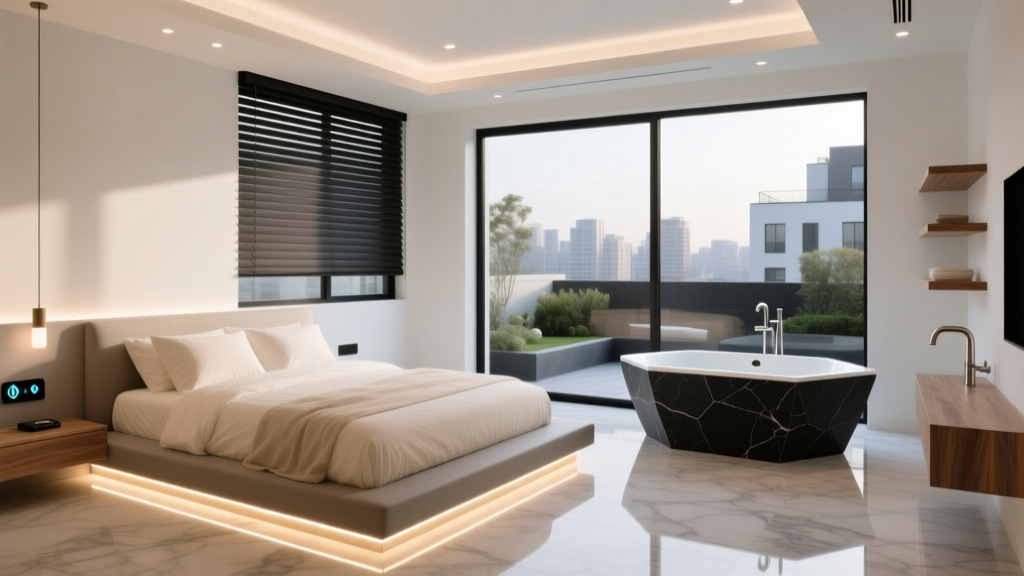
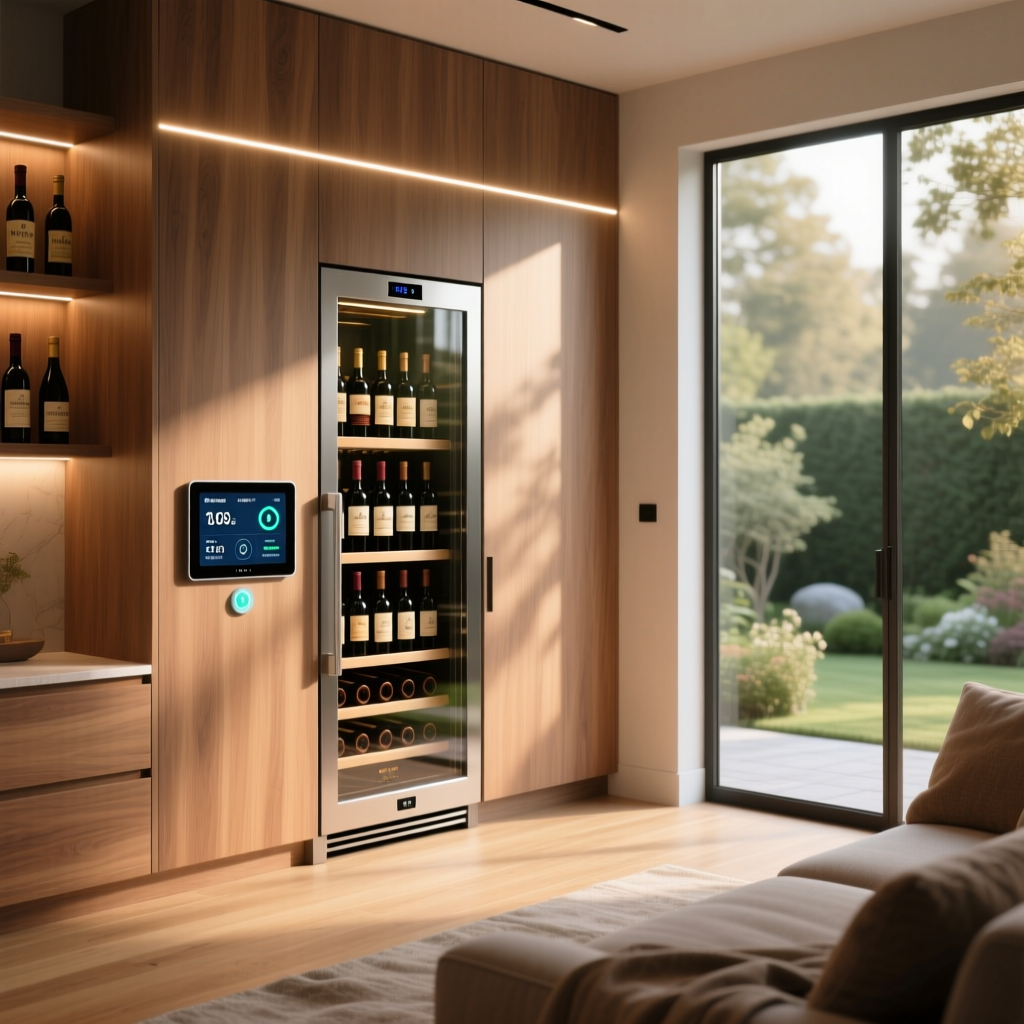
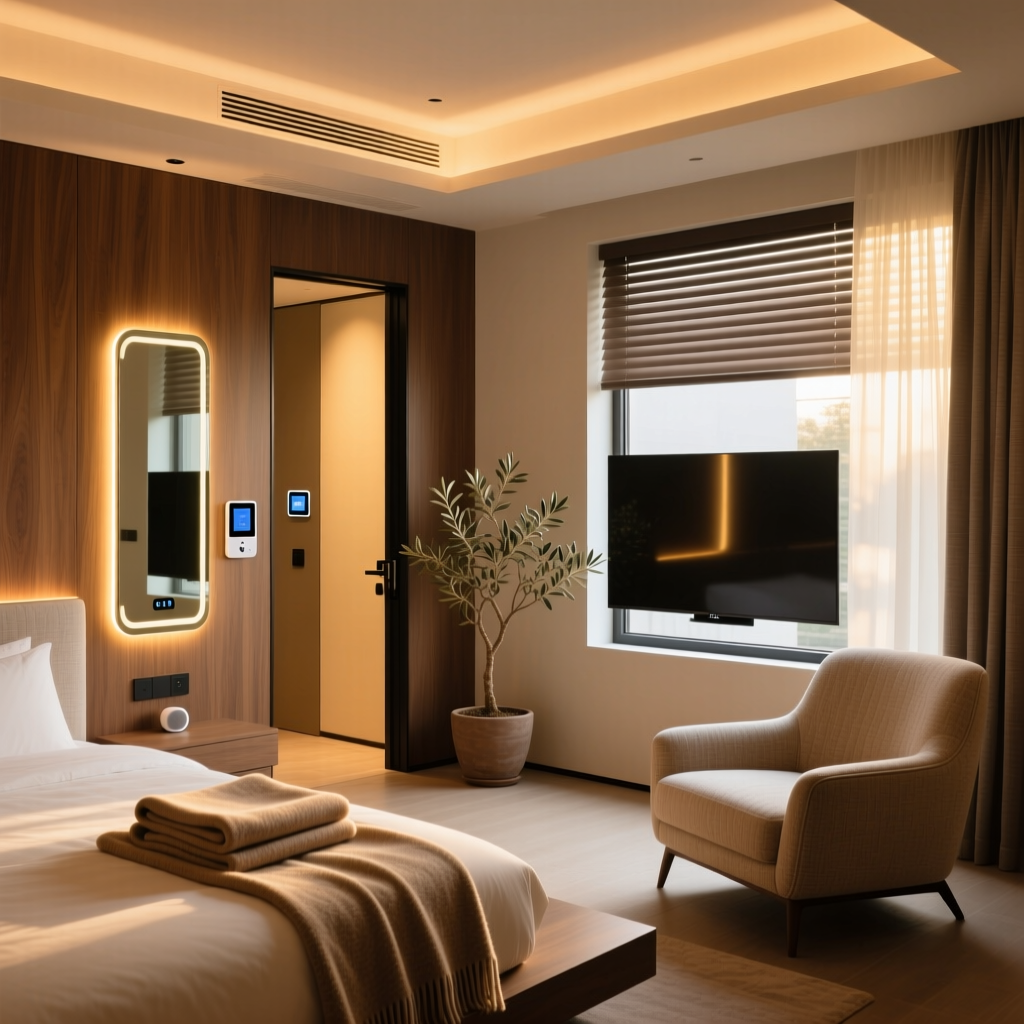
A dedicated smart pet suite transforms the way you care for your furry family members. By combining automated dog wash stations, intelligent climate control, and smart monitoring systems, you can create a comfortable, hygienic, and low-maintenance environment that keeps your pets healthy while saving you countless hours of manual work. Whether you are retrofitting a mudroom, converting a garage corner, or designing a brand-new pet wing, this room-by-room guide walks you through every decision required to build a truly connected pet sanctuary.
Unlike traditional pet spaces that rely on manual feeding, cleaning, and temperature checks, a smart pet suite uses sensors, automation routines, and integrated devices to anticipate your pet's needs. Water temperature is pre-set before bath time, HVAC systems adjust based on occupancy and humidity, cameras alert you to unusual behavior, and self-cleaning systems handle waste without your intervention. The result is a space that feels luxurious for your pet and effortless for you.
In this guide, we break down the smart pet suite into actionable layers: budget tiers, recommended devices, climate strategies, wash station design, automation routines, and installation tips. You will also find answers to the most frequently asked questions so you can plan your build with confidence. For broader context, check out our complete smart home setup guide before diving into the pet-specific details below.
Budget Tiers for a Smart Pet Suite
Every smart pet suite project begins with a budget decision. The three tiers below scale from a functional entry-level setup to a fully automated luxury environment. Prices reflect typical market ranges for quality devices and assume a mid-sized suite of roughly 80 to 150 square feet. You can mix and match components across tiers as your needs evolve.
Starter Tier: Functional Foundations ($800 – $1,800)
The Starter tier focuses on the essentials: reliable climate control, basic monitoring, and a semi-automated wash station. This is ideal for homeowners who want smart features without a major renovation.
- Smart thermostat or room sensor for temperature regulation ($120 – $250)
- Indoor pet camera with two-way audio ($60 – $150)
- Smart plug-controlled exhaust fan for humidity management ($40 – $80)
- Programmable tankless water heater for consistent wash temperatures ($350 – $600)
- Smart leak detector near the wash station ($50 – $90)
- Automatic pet feeder with app scheduling ($80 – $200)
- Smart LED lighting with motion activation ($60 – $150)
At this tier, most automation happens through a single hub app such as a compatible smart hub. You will manually trigger wash cycles but benefit from scheduled feeding, lighting, and climate adjustments.
Mid Tier: Integrated Automation ($2,500 – $5,500)
The Mid tier introduces true automation with sensor-driven routines, upgraded air quality management, and a purpose-built wash station with smart valves and drainage monitoring.
- Dedicated mini-split HVAC with smart controller ($1,200 – $2,200)
- Smart air purifier with HEPA and activated carbon ($250 – $500)
- Multi-sensor array (temperature, humidity, occupancy, VOCs) ($150 – $300)
- Smart water valve and flow meter for the wash station ($180 – $350)
- Self-cleaning litter or waste system with app alerts ($400 – $800)
- Smart pet door with RFID or microchip recognition ($250 – $500)
- Integrated camera system with AI pet detection ($200 – $400)
- Smart speaker or display for voice control ($100 – $250)
This tier is where the suite begins to feel intelligent. The HVAC responds to humidity spikes from bath time, cameras differentiate between your pets and visitors, and the wash station tracks water usage for maintenance insights.
Pro Tier: Luxury & Full Automation ($7,000 – $18,000+)
The Pro tier delivers a resort-grade pet environment with commercial-quality fixtures, redundant systems, and advanced automation that anticipates needs before they arise.
- Dual-zone HVAC with ERV (energy recovery ventilation) ($3,000 – $6,000)
- Commercial-grade tankless water system with recirculation ($1,500 – $3,000)
- Stainless steel smart wash tub with thermostatic mixing valve ($2,000 – $4,500)
- Automated drying system with variable-speed blower ($800 – $1,800)
- Whole-room air quality monitoring with CO₂, VOC, and particulate sensors ($400 – $900)
- Smart glass or automated shades for circadian lighting ($600 – $1,500)
- Integrated audio system with calming soundscapes ($300 – $800)
- Professional-grade camera array with local NVR storage ($600 – $1,500)
- Smart drainage with auto-flush and sanitizer injection ($500 – $1,200)
At the Pro tier, the suite operates almost autonomously. After a wash cycle, the room automatically engages the dryer, adjusts humidity, cycles fresh air through the ERV, and logs the session to your pet's health profile. Explore our smart thermostat reviews to select a controller capable of coordinating this level of complexity.
Essential Smart Devices for Your Pet Suite
The right device selection determines whether your pet suite feels like a collection of gadgets or a cohesive ecosystem. Below are the core categories and what to look for when choosing each one.
Climate & Air Quality Devices
Pets are more sensitive to temperature swings and airborne contaminants than humans. A smart pet suite needs precise environmental control that goes beyond a basic thermostat. Look for devices that report humidity, particulate matter (PM2.5), and volatile organic compounds (VOCs) in addition to temperature. Our air quality monitor reviews compare the top models for pet-heavy environments.
Mini-split heat pumps with Wi-Fi controllers are often the best choice for dedicated pet suites because they operate independently from your main HVAC system. This prevents pet odors and dander from circulating through the rest of your home while allowing you to maintain a tighter temperature band (typically 68°F to 74°F for dogs, slightly warmer for short-haired breeds).
Monitoring & Security Devices
Cameras in a pet suite serve dual purposes: security and behavioral observation. Choose models with pet-specific AI detection that can distinguish between a dog pacing anxiously and one simply napping. Two-way audio lets you soothe a stressed pet remotely, while local storage options protect privacy. Many owners pair a fixed wide-angle camera with a pan-tilt-zoom unit for full coverage.
Door and window sensors, glass-break detectors, and smart locks complete the security layer. If your suite has exterior access, a smart pet door with microchip recognition ensures only your animals can enter while keeping strays and wildlife out.
Water & Wash Station Devices
The wash station is the mechanical heart of the suite. Smart mixing valves maintain consistent water temperature (typically 100°F to 103°F for dogs) to prevent scalding or chilling. Flow meters track water consumption per session, helping you spot leaks and monitor usage patterns. A smart shutoff valve provides automatic protection if a leak is detected, a feature that can prevent thousands of dollars in water damage.
For drainage, consider a smart sump pump or gravity-drain monitor that alerts you to clogs before they cause backups. Hair and sediment traps with sensor-based fill alerts reduce maintenance surprises.
Feeding, Hydration & Enrichment Devices
Automated feeders with portion control and scheduled dispensing are baseline expectations. Higher-end models include cameras, voice recording (so your pet hears you at mealtime), and integration with veterinary apps that adjust portions based on weight trends. Smart water fountains with filtration and flow monitoring encourage hydration and alert you when filters need replacement.
Enrichment devices such as automated laser toys, treat-dispensing cameras, and puzzle feeders with app control keep pets mentally stimulated when you are away. These devices also generate activity data that can reveal early signs of illness or anxiety.
Climate Control & Air Quality Automation
Climate control in a pet suite is more demanding than in a typical bedroom or living area. Animals generate heat, moisture, dander, and odors at rates that can overwhelm standard HVAC systems. A properly designed smart climate strategy addresses four variables simultaneously: temperature, humidity, particulate levels, and odor control.
Temperature Zoning and Setpoints
Dogs generally thrive between 65°F and 75°F, but the ideal range depends on breed, coat type, age, and health status. Short-coated breeds like Greyhounds prefer the warmer end, while double-coated breeds like Huskies are comfortable at lower temperatures. Cats typically prefer 70°F to 80°F. Your smart thermostat should support multiple setpoints scheduled by time of day and triggered by occupancy sensors.
Install temperature sensors at pet level (roughly 12 to 24 inches off the floor) rather than at standard human thermostat height. Heat rises, and a sensor at five feet may read several degrees warmer than the air your pet actually breathes. Pairing a smart room sensor with your main thermostat corrects this discrepancy and improves comfort.
Humidity Management
Relative humidity in a pet suite should stay between 40% and 55%. Lower levels dry out nasal passages and skin, while higher levels encourage mold, mildew, and dust mite proliferation. The wash station is the primary humidity generator, so exhaust ventilation must be sized to handle rapid moisture spikes during and after baths.
Automate your exhaust fan to trigger when humidity exceeds 55% or when the wash station's flow meter detects water usage. A smart dehumidifier with drain-hose integration can handle baseline moisture without manual emptying. In cold climates, an energy recovery ventilator (ERV) pre-warms incoming fresh air using heat from outgoing stale air, maintaining humidity control without energy waste.
Air Filtration and Odor Control
HEPA filtration captures dander and fine particulates, while activated carbon stages adsorb odor molecules. For suites with multiple pets or breeds that produce significant dander, consider a unit rated for 1.5 to 2 times the actual room size. Place the purifier where airflow is unobstructed and avoid corners where circulation is poor.
Smart air purifiers with auto-mode respond to real-time particulate readings, ramping up during shedding sessions or after baths when damp coats release more dander. Some models integrate directly with your smart home hub, allowing routines such as "increase fan speed for 30 minutes after the pet door opens."
Ventilation and Fresh Air Exchange
Recirculating the same air indefinitely concentrates odors and CO₂. Aim for 4 to 6 air changes per hour in a pet suite, which typically requires a dedicated exhaust fan or ERV. Smart CO₂ sensors can trigger ventilation automatically when levels rise above 800 ppm, a threshold associated with lethargy and reduced air quality perception in both humans and animals.
For suites without exterior walls, ducted inline fans with smart controllers can route exhaust to a remote vent point. Seal all duct joints with mastic rather than tape to prevent odor leakage into adjacent rooms.
Smart Dog Wash Station Setup
The dog wash station is where engineering meets daily utility. A well-designed smart wash station reduces bath time from a chaotic chore to a calm, repeatable process. Every element, from water temperature to drainage, can be automated and monitored.
Tub Selection and Ergonomics
Choose a tub sized for your largest dog with room to maneuver. Stainless steel tubs resist staining, tolerate frequent sanitization, and integrate cleanly with smart plumbing fixtures. For small to medium dogs, a raised tub at waist height eliminates back strain. For large breeds, a walk-in tub with a low threshold or ramp is safer and reduces stress.
Install a handheld shower wand with a pause button and multiple spray patterns. A thermostatic mixing valve with smart actuator allows you to pre-set water temperature via app before bringing the dog in, eliminating the anxious dance of adjusting hot and cold while holding a wet animal.
Smart Plumbing and Water Management
A dedicated tankless water heater sized for the wash station ensures unlimited hot water without drawing from your home's main supply. Models with recirculation pumps deliver instant hot water, reducing waste and wait time. Pair the heater with a smart flow meter to log each bath's duration and water consumption.
Install an automatic shutoff valve upstream of the wash station. If the leak detector beneath the tub senses moisture, the valve closes within seconds, preventing catastrophic flooding. This single upgrade has saved countless homeowners from insurance claims and should be considered non-negotiable in any wet-area smart build. See our leak detector comparison for the fastest-responding models.
Drainage and Waste Handling
Pet hair is the enemy of drainage. Install a multi-stage hair trap accessible from above the floor for easy cleaning. A smart drain monitor with acoustic or pressure sensors can detect slow drainage before a full clog develops, giving you time to intervene.
For commercial-style suites, consider a grease-trap-style sediment interceptor that captures hair, dirt, and shampoo residue before they enter your home's main waste line. Some Pro-tier installations include automatic flush cycles that rinse the trap after each use, reducing odor and maintenance.
Drying and Post-Wash Automation
High-velocity dryers designed for pets remove water far more efficiently than towels and reduce drying time from hours to minutes. Smart models with variable speed and temperature controls can be triggered automatically when the wash station's flow meter registers the end of a bath cycle. Ceiling-mounted or wall-mounted drying arms keep hoses organized and out of the way.
After the dryer completes its cycle, automation routines can engage the room's exhaust fan at high speed, activate the air purifier's boost mode, and lower the thermostat slightly to compensate for the heat generated by the dryer and the damp pet. These coordinated actions turn a single bath into a fully managed environmental event.
Automation Routines & Schedules
Devices alone do not create a smart suite. Automation routines, the logic that connects sensors to actions, are what transform hardware into intelligence. Below are the core routines every smart pet suite should implement.
Morning and Evening Care Routines
A typical morning routine begins 30 minutes before your usual wake time: lights gradually brighten to a warm 2700K, the feeder dispenses breakfast, the water fountain cycles fresh water, and the camera sends a snapshot to your phone confirming your pet is active. Evening routines mirror this in reverse, with dimming lights, a final meal, and a notification if the pet door has not recorded a late-yard-visit within the expected window.
These routines reduce decision fatigue and create predictable rhythms that pets find calming. Animals thrive on consistency, and automation delivers it more reliably than even the most diligent human.
Bath Day Automation
When you initiate a bath routine via voice command or app, the suite executes a choreographed sequence: the water heater engages recirculation, the mixing valve pre-heats to 101°F, the exhaust fan ramps to high, the camera begins recording for your records, and the smart speaker plays a calming playlist. After the bath, the dryer activates for a preset duration, the dehumidifier engages, and the air purifier enters boost mode for 45 minutes.
Advanced setups log each bath with date, duration, water usage, and even the shampoo used (tracked via a smart dispenser). Over time, this data reveals patterns such as seasonal skin issues or optimal wash frequency for your specific pet.
Away-From-Home Monitoring
When the house is set to "away" mode, the pet suite shifts to heightened monitoring. Motion sensors that would normally trigger lights instead send alerts if activity occurs at unusual hours. Temperature and humidity thresholds tighten, and the camera switches to continuous recording with cloud backup. The feeder continues its schedule, and the pet door can be locked remotely if needed.
For extended absences, integrate a pet sitter access code that grants temporary smart home permissions without exposing the rest of your system. The sitter receives alerts only for the pet suite, and you retain visibility into their visits through door-lock logs and camera timestamps.
Health and Anomaly Detection
Smart suites excel at noticing subtle changes that precede health issues. A sudden increase in water fountain consumption can signal diabetes or kidney disease. Reduced activity detected by motion sensors may indicate pain or illness. Changes in sleep location picked up by cameras can reflect discomfort.
Configure your hub to flag statistical outliers rather than absolute thresholds. A 30% increase in water intake over a week is more meaningful than a single high-reading day. Many modern pet health apps integrate directly with veterinary telemedicine platforms, letting you share device data during remote consultations. For a broader view of how these routines fit into whole-home automation, visit our automation routines beginner guide.
Design & Installation Tips
Even the best devices underperform in a poorly designed space. The following principles apply whether you are building new or retrofitting.
Layout and Flow
Arrange the suite in zones: entry and transition, wash station, resting area, and feeding area. This separation prevents wet dogs from tracking water onto beds and keeps food away from grooming chemicals. A linear or L-shaped layout usually works best, with the wash station nearest the exterior door or garage entry for easy access after muddy walks.
Include at least 36 inches of clear floor space around the wash tub for maneuvering large dogs. Non-slip flooring is essential; textured epoxy, sealed porcelain tile with a high coefficient of friction, or rubber flooring all perform well. Avoid polished stone or glossy tile, which become dangerously slick when wet.
Electrical and Network Infrastructure
Smart suites consume more electrical circuits than typical rooms. Plan for dedicated 20-amp circuits for the tankless water heater, HVAC, and dryer. GFCI protection is mandatory near the wash station and recommended throughout the suite. Install outlets at multiple heights to accommodate wall-mounted devices and floor-level sensors.
Network reliability is critical. A pet suite with six to twelve smart devices can strain a weak Wi-Fi network. Run Ethernet to fixed devices like cameras and hubs, and reserve Wi-Fi for mobile or battery-powered sensors. A dedicated access point in or near the suite eliminates dead zones caused by tile, concrete, and metal surfaces common in wash areas.
Waterproofing and Moisture Protection
Treat the wash station area as a wet room. Waterproof membranes should extend at least 12 inches up walls and 24 inches beyond the tub footprint. Use cement board or foam backer board rather than drywall, and seal all penetrations with silicone or urethane caulk. Floor drains with clamping rings and proper slope (1/4 inch per foot) prevent standing water and the mold it invites.
Ventilation is part of waterproofing. Without adequate airflow, moisture migrates into walls and causes rot far from the visible water source. Confirm that your exhaust fan is rated for continuous duty and sized for the room's volume and moisture load.
Materials and Finishes
Choose materials that tolerate frequent cleaning, resist scratching, and do not absorb odors. Semi-gloss or satin paint with mildew-resistant additives performs better than flat finishes. Stainless steel, solid surface countertops, and marine-grade hardware withstand the humid environment. Avoid fabric window treatments; opt for aluminum blinds, cellular shades, or smart glass that can be wiped clean.
Acoustic treatment matters more than most owners realize. Tile and stainless steel reflect sound, making bath time stressful for noise-sensitive dogs. Acoustic panels rated for high-humidity environments, rubber flooring, and fabric-wrapped baffles significantly reduce reverberation and create a calmer atmosphere.
Safety and Redundancy
Every smart system should have a manual override. If your network fails, you must still be able to operate the wash station, adjust temperature, and secure the room. Label shutoff valves clearly, keep physical keys for smart locks in an accessible location, and test manual overrides quarterly.
Backup power is worth considering for suites with pets that depend on climate control, such as elderly animals or those with respiratory conditions. A small UPS can keep the hub, cameras, and critical sensors online during short outages, while a whole-home generator or battery system provides longer protection.
Frequently Asked Questions
How much does a smart pet suite cost to operate monthly?
Operating costs vary by tier and local utility rates, but most Mid-tier suites add $40 to $90 per month in electricity and water compared to an untreated room. The HVAC and tankless water heater are the largest consumers, followed by the air purifier and camera system. Pro-tier suites with ERVs and commercial equipment can add $120 to $250 monthly. Smart scheduling and occupancy-based routines typically reduce these figures by 15% to 25% compared to always-on operation.
Can I retrofit a smart pet suite into an existing room?
Yes, and most homeowners take this path. Mudrooms, laundry rooms, garage corners, and spare bathrooms convert well. The main constraints are plumbing access for the wash station, electrical capacity for dedicated circuits, and an exterior wall or duct route for ventilation. Starter and Mid-tier builds often require only cosmetic work, while Pro-tier installations may involve structural changes. Begin with a detailed plan and pull permits for any plumbing, electrical, or HVAC modifications to ensure code compliance and insurance coverage.
Do smart pet devices work with both dogs and cats?
Most devices are species-agnostic, but configuration differs. Cats generally prefer warmer temperatures, higher perches, and quieter environments, while dogs benefit from more durable fixtures and stronger ventilation. Smart feeders, cameras, air purifiers, and climate systems work for both. Pet doors with microchip recognition handle multi-species households elegantly by granting different access permissions per animal. When planning a mixed-species suite, design vertical space for cats and floor-level amenities for dogs to reduce territorial stress.
What happens to my smart pet suite during a power or internet outage?
Well-designed suites fail gracefully. Most smart thermostats retain their last setpoint and continue operating on local schedules without internet. Feeders with battery backup dispense meals on schedule. Cameras with local SD storage continue recording even when cloud services are unreachable. The critical vulnerabilities are tankless water heaters (which require power) and smart locks (which may default to locked or unlocked depending on model). Plan manual overrides for every automated function, and consider a UPS for the hub and network equipment to bridge short outages. For extended outages, a generator or portable power station keeps essential systems running.
How do I maintain the smart devices in my pet suite?
Create a monthly maintenance checklist that includes cleaning camera lenses, testing leak detectors with a damp cloth, replacing air purifier pre-filters, and verifying that automation routines still trigger correctly. Quarterly tasks include deep-cleaning the wash station's hair trap, inspecting caulking and grout, testing GFCI outlets, and reviewing firmware updates for all devices. Annually, service the HVAC system, flush the tankless water heater to remove mineral buildup, and recalibrate humidity sensors. Documenting these tasks in a shared household app ensures nothing slips through the cracks, and many smart hubs now generate maintenance reminders automatically based on device runtime data.
Building a smart pet suite is one of the most rewarding room-specific projects in modern home automation. It combines practical utility, animal welfare, and long-term property value in a way few other upgrades can match. Start with the tier that fits your budget, prioritize climate and water management as the foundation, and layer in automation routines as you become comfortable with the system. Your pets will notice the difference, and so will you every time bath day becomes a calm, one-button experience rather than a weekend ordeal. For more room-specific smart home inspiration, explore our full rooms and spaces collection.