The Evolution of the Smart Kitchen
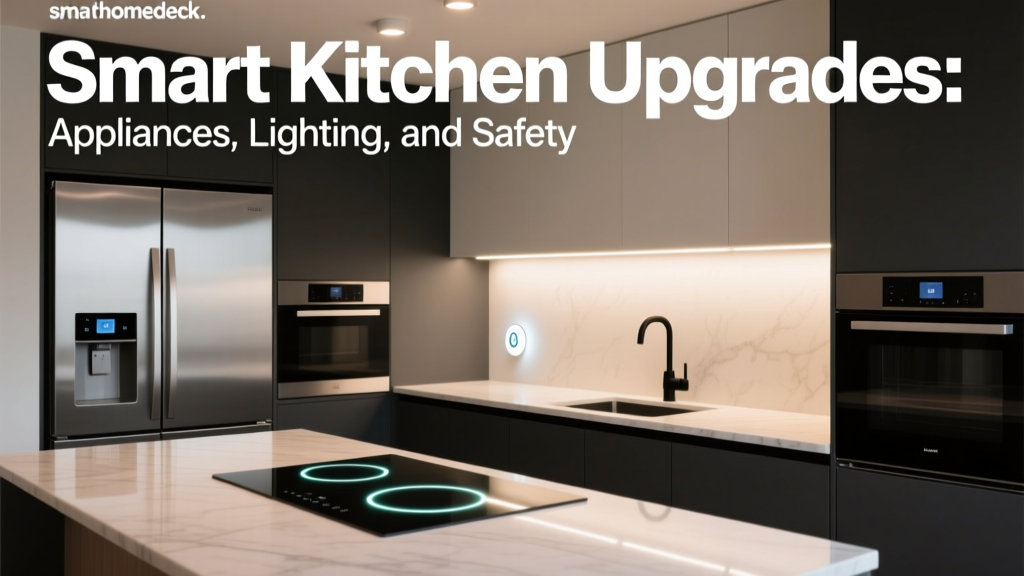
The kitchen has long been considered the heart of the home, but in the modern era, it is rapidly becoming the brain of the smart home ecosystem as well. Gone are the days when a 'smart kitchen' simply meant a refrigerator with a built-in tablet or a coffee maker on a basic timer. Today's smart kitchen is a highly integrated, responsive environment where appliances, lighting, and safety systems communicate seamlessly to streamline your culinary routines, conserve energy, and protect your home from catastrophic damage.
Whether you are planning a full-scale renovation or looking to retrofit your existing space with intelligent upgrades, understanding how to balance functionality, aesthetics, and safety is crucial. This comprehensive guide breaks down the best smart kitchen appliances, adaptive lighting solutions, and critical safety sensors, providing you with actionable advice, budget tiers, and automation routines to elevate your cooking space.
Core Smart Appliances: Beyond the Gimmick
When investing in smart kitchen appliances, the goal is to look for features that offer genuine utility rather than superficial gimmicks. The best smart appliances save time, reduce food waste, and optimize energy consumption.
Smart Refrigerators
The modern smart refrigerator is a culinary command center. Models like the Samsung Family Hub and LG InstaView feature internal cameras that allow you to check your inventory from your smartphone while at the grocery store. More importantly, they integrate with family calendars, display recipes, and can even track expiration dates to minimize food waste. When shopping, look for models that support the Matter smart home protocol, ensuring they can communicate with your existing ecosystem, whether you use Apple HomeKit, Amazon Alexa, or Google Home.
Smart Ovens and Ranges
Precision is everything in cooking. Smart ovens, such as the GE Profile SmartOven or the Bosch 800 Series, allow you to preheat your oven remotely via a smartphone app or voice command. Advanced models feature integrated wireless temperature probes that send real-time alerts to your phone when your roast reaches the perfect internal temperature, completely eliminating the guesswork and preventing overcooked meals. Some high-end induction ranges also feature built-in ventilation systems that automatically adjust fan speeds based on the smoke and steam detected by onboard sensors.
Smart Dishwashers
Smart dishwashers focus on efficiency and convenience. Features like auto-dosing technology release the exact amount of detergent needed based on the soil level of your dishes. Furthermore, Wi-Fi-enabled dishwashers send push notifications when a cycle is complete or, more importantly, if a leak or drainage error is detected, allowing you to address issues before they cause water damage.
Adaptive Kitchen Lighting: Form Meets Function
Kitchen lighting requires a delicate balance between high-visibility task lighting and warm, inviting ambient lighting. Smart lighting systems allow you to shift this balance dynamically throughout the day.
Task Lighting and Color Rendering
For food preparation, under-cabinet lighting is non-negotiable. When selecting smart LED strips, such as the Philips Hue LightStrip Plus, pay close attention to the Color Rendering Index (CRI). A CRI of 90 or above is essential in a kitchen, as it ensures colors are rendered accurately—allowing you to properly judge the doneness of meats and the freshness of produce. Furthermore, ensure that any lighting installed near the sink or stove carries an IP44 rating or higher to protect against splashes and steam.
Ambient and Circadian Lighting
Overhead lighting sets the mood. Smart switches like the Lutron Caseta system allow you to control hardwired pendant lights and recessed ceiling fixtures. By pairing these with smart bulbs that support tunable white light, you can mimic natural circadian rhythms. Bright, cool-white light (4000K-5000K) is ideal for morning coffee and active meal prep, while warm, dimmed light (2700K) is perfect for evening dining and entertaining.
Toe-Kick and Accent Lighting
For a premium aesthetic and practical nighttime safety, install motion-activated smart LED strips along the toe-kicks of your base cabinets. Using a smart motion sensor, these lights can gently illuminate the floor at 10% brightness when you enter the kitchen for a midnight glass of water, preventing you from having to turn on blinding overhead lights.
Uncompromising Kitchen Safety: Fire and Water
The kitchen is the most hazardous room in the house regarding fire and water damage risks. A truly smart kitchen must prioritize automated safety interventions.
Fire and Air Quality Monitoring
Cooking is the leading cause of home fires and fire-related injuries. According to the National Fire Protection Association (NFPA), unattended cooking equipment is the primary culprit in these incidents. Traditional smoke alarms often lead to 'nuisance alarms' when searing a steak, prompting users to dangerously disable them. Smart detectors like the Google Nest Protect solve this by differentiating between burning toast and a fast-moving fire, sending an alert to your phone and allowing you to silence a false alarm via the app before the siren blares. Additionally, integrating smart VOC (Volatile Organic Compound) sensors can automatically trigger your smart range hood or HVAC system to ventilate the kitchen when poor air quality is detected.
Water Leak Detection and Auto-Shutoff
Water damage from a burst supply line under a sink or a failing dishwasher valve can cost tens of thousands of dollars in repairs. The Moen Flo Smart Water Shutoff installs on your home's main water line and uses ultrasonic technology to detect micro-leaks and abnormal pressure drops. If a pipe bursts while you are away, the system automatically shuts off the water supply and alerts your phone. For localized monitoring, devices like the Eve Water Guard feature a sensing cable that you can weave behind your dishwasher, refrigerator ice maker, and under the sink, providing immediate audio and smartphone alerts the second moisture is detected. The Environmental Protection Agency (EPA) notes that household leaks can waste nearly 10,000 gallons of water annually; smart leak detectors not only save your home from structural damage but also conserve vital water resources.
Budget Tiers: Planning Your Smart Kitchen
Upgrading your kitchen doesn't have to happen all at once. Below is a structured breakdown of how to approach your smart kitchen based on your budget and renovation scope.
| Tier | Estimated Cost | Key Devices & Focus | Best For |
|---|---|---|---|
| Starter | $300 - $800 | Smart plugs, Philips Hue bulbs, Eve Water Guard, basic smart speaker hub. | Renters or those wanting quick, non-invasive upgrades and basic leak protection. |
| Mid-Range | $1,500 - $3,500 | Lutron Caseta switches, under-cabinet LED strips, Nest Protect, smart dishwasher. | Homeowners looking for permanent lighting upgrades, enhanced safety, and energy efficiency. |
| Pro / Custom | $5,000 - $15,000+ | Smart fridge, smart induction range, Moen Flo main shutoff, integrated touchless faucets. | Full kitchen remodels, luxury builds, and tech enthusiasts wanting total ecosystem integration. |
Automation Routines for the Culinary Space
The true magic of a smart kitchen lies in automation. By linking your devices through platforms like Samsung SmartThings, Apple HomeKit, or Home Assistant, you can create routines that anticipate your needs.
- The 'Morning Brew' Routine: At 6:30 AM, the under-cabinet lights fade on to a soft, warm 2700K. The smart coffee maker (connected via a smart plug) begins brewing, and your smart speaker gently reads the day's weather and calendar events.
- The 'Heavy Cooking' Routine: When you turn on the smart induction range to a high-heat setting, the smart range hood automatically powers on to maximum ventilation, and the kitchen overhead lights shift to a bright, crisp 5000K to ensure maximum visibility for chopping and monitoring food.
- The 'Cleanup & Eco' Routine: Triggered by voice command after dinner. The main overhead lights dim, the smart dishwasher starts its eco-cycle, and the smart thermostat adjusts the HVAC to compensate for the heat and humidity generated by the dishwasher and recent cooking.
- The 'Midnight Hydration' Routine: A motion sensor detects entry into the kitchen between 11 PM and 5 AM. The toe-kick lights illuminate at 5% brightness in a deep amber hue, providing enough light to navigate safely without disrupting your circadian rhythm or waking up the household.
Energy Efficiency and Long-Term ROI
While the upfront cost of smart appliances and lighting can be higher than their traditional counterparts, the long-term return on investment through energy and water savings is substantial. The U.S. Department of Energy highlights that appliances and lighting account for a significant portion of a home's total energy consumption. Smart systems mitigate this through automated shutoffs, optimized scheduling, and precise resource allocation.
As visualized above, while smart lighting and appliances offer steady annual utility savings, the integration of smart leak prevention systems offers the highest potential financial protection by averting catastrophic water damage claims, which can easily exceed $10,000 per incident.
Installation, Design, and Network Considerations
Integrating smart technology into a kitchen requires careful planning regarding both physical installation and network infrastructure.
Hiding Wires and Maintaining Aesthetics
Nothing ruins the sleek look of a modern kitchen faster than visible wires dangling from under-cabinet lighting. Always install LED light strips inside aluminum extrusion channels with frosted diffusers. This not only hides the individual LED diodes, creating a seamless ribbon of light, but it also acts as a heat sink, significantly extending the lifespan of the LEDs. For power delivery, work with an electrician to route low-voltage wiring through the walls and cabinets, connecting to a centralized power supply hidden in a base cabinet or pantry.
Network Infrastructure: The Backbone of the Smart Kitchen
Kitchens are notoriously difficult environments for Wi-Fi. Large metal appliances (like refrigerators and ovens) act as Faraday cages, blocking signals, while granite countertops and tile backsplashes can cause interference. To ensure your smart kitchen operates without latency or dropouts, invest in a Wi-Fi Mesh Network. Place a mesh node in or near the kitchen to guarantee strong coverage. Furthermore, prioritize devices that use Thread or Zigbee protocols. These low-power mesh networks do not clog your main Wi-Fi bandwidth and are far more reliable for small sensors and lighting than standard 2.4GHz Wi-Fi connections.
Smart Plugs and GFCI Outlets
Building codes require kitchens to have GFCI (Ground Fault Circuit Interrupter) outlets near water sources. Standard smart plugs are bulky and can block adjacent outlets. When adding smart control to legacy appliances like coffee makers or stand mixers, look for slim-profile smart plugs specifically rated for kitchen use, or consider installing smart GFCI breakers in your electrical panel for a cleaner, wire-free aesthetic.
Conclusion
Building the ultimate smart kitchen is about more than just buying the most expensive gadgets; it is about creating a cohesive, responsive environment that enhances your daily life. By carefully selecting high-CRI adaptive lighting, investing in appliances that offer genuine time-saving utility, and fortifying the space with automated fire and water safety systems, you transform the kitchen from a simple workspace into an intelligent, protective, and highly efficient hub. Whether you are starting with a few smart bulbs and a leak sensor or undertaking a full luxury remodel, prioritizing integration, network stability, and practical design will ensure your smart kitchen serves you beautifully for years to come.