The Shift to Zoned Climate Control
Historically, home climate control has been a blunt instrument. A single thermostat in a central hallway dictates the temperature for the entire house, ignoring the unique thermal dynamics of individual rooms. The result? Bedrooms that freeze while living rooms swelter, and energy bills that reflect the inefficiency of heating or cooling empty spaces. The modern smart home solves this through zoned climate automation—a room-by-room approach that leverages smart sensors, automated window treatments, and intelligent HVAC controllers to create micro-climates tailored to human comfort and energy efficiency.
According to the U.S. Department of Energy, upgrading to a smart thermostat and utilizing zoned sensors can save homeowners between 10% and 15% on heating and cooling costs annually. Furthermore, the EPA's Energy Star program certifies devices that independently verify these energy-saving claims through rigorous field testing, ensuring that your automation investments yield tangible returns.
This comprehensive blueprint will guide you through transforming your home into a responsive, energy-efficient ecosystem, tackling the unique climate challenges of every room.
The Living Room: The Command Center
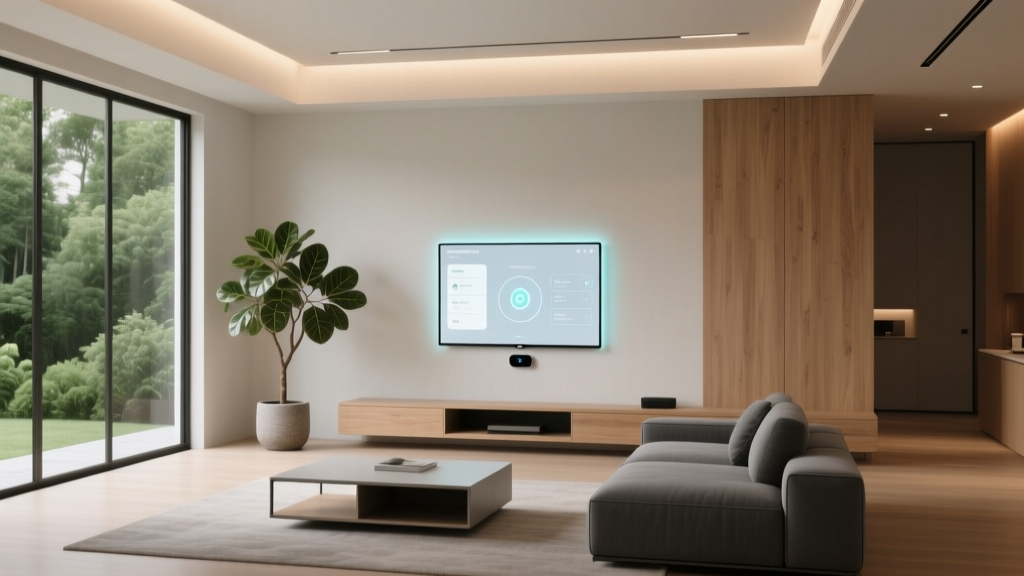
The living room is typically the largest shared space and the logical location for your primary smart thermostat. However, because it often features large windows and high occupancy, it requires a multi-faceted approach to climate control.
Recommended Devices
- Primary Controller: Ecobee Smart Thermostat Premium. This device not only controls your HVAC but also acts as a Thread border router and Zigbee hub, creating a robust mesh network for the rest of your home's sensors. Its built-in air quality monitor tracks VOCs and CO2, alerting you when it is time to ventilate.
- Occupancy & Temp Sensors: Ecobee SmartSensors Elite. Place these in the corners of the room to detect occupancy and average the temperature, preventing the HVAC from short-cycling based on a single hallway reading.
- Solar Management: SwitchBot Blind Tilt or Aqara Roller Shade Driver E1. Automated blinds are critical for passive climate control. By tilting blinds upward in the summer to block direct UV rays while maintaining ambient light, you can reduce solar heat gain by up to 45%.
Installation & Aesthetics
Ensure your living room thermostat has a dedicated C-wire for continuous power. If your home lacks one, use the Ecobee Power Extender Kit (PEK) at the HVAC control board. Aesthetically, the Ecobee's glass faceplate blends well with modern decor, but ensure it is mounted on an interior wall, at least 15 feet away from direct sunlight, drafty windows, or heat-generating electronics like gaming consoles.
The Kitchen: Managing Ambient Heat Spikes
Kitchens present a unique challenge for climate automation. Ovens, stovetops, and refrigerators generate massive, localized heat spikes that can trick standard sensors into prematurely shutting off the air conditioning or triggering the heating system in the winter.
Recommended Devices
- Air Quality & Temp Monitor: Eve Room (Thread version). This device monitors temperature, humidity, and VOCs. Because cooking releases particulate matter and gases, tracking VOCs allows you to automate smart exhaust fans or HVAC fan circulation to clear the air.
- Smart Plugs: Eve Energy or TP-Link Kasa Smart Plugs. Use these for heat-generating appliances like coffee makers or slow cookers, ensuring they power down completely when not in use to reduce ambient thermal load.
Strategic Sensor Placement
Never place a temperature sensor in direct line-of-sight of the oven or above the refrigerator. Mount the Eve Room on a wall near the dining area or pantry, approximately 5 feet off the ground, to capture the true ambient temperature of the space rather than the localized heat of cooking.
The Bedroom: Circadian Temperature Rhythms
Science shows that the human body requires a drop in core temperature to initiate and maintain deep sleep. A static thermostat setting cannot accommodate the dynamic needs of a sleeping body. Bedroom automation should focus on a gradual cool-down and passive insulation.
Recommended Devices
- Zoned Sensors: Nest Temperature Sensors or Aqara Temperature and Humidity Sensor. These allow the primary thermostat to prioritize the bedroom's temperature during the night schedule, ignoring the rest of the house.
- Micro-Climate Control (Pro Tier): Eight Sleep Pod 4. This smart mattress cover uses water-based thermal regulation to heat or cool each side of the bed independently, adjusting dynamically based on your biometric sleep stages.
- Thermal Curtains: SwitchBot Curtain Rod 2 paired with heavy thermal blackout drapes. In the winter, automating these to close at sunset traps heat inside; in the summer, keeping them closed during peak sun hours drastically reduces the cooling load.
Automation Routine: The Deep Sleep Cycle
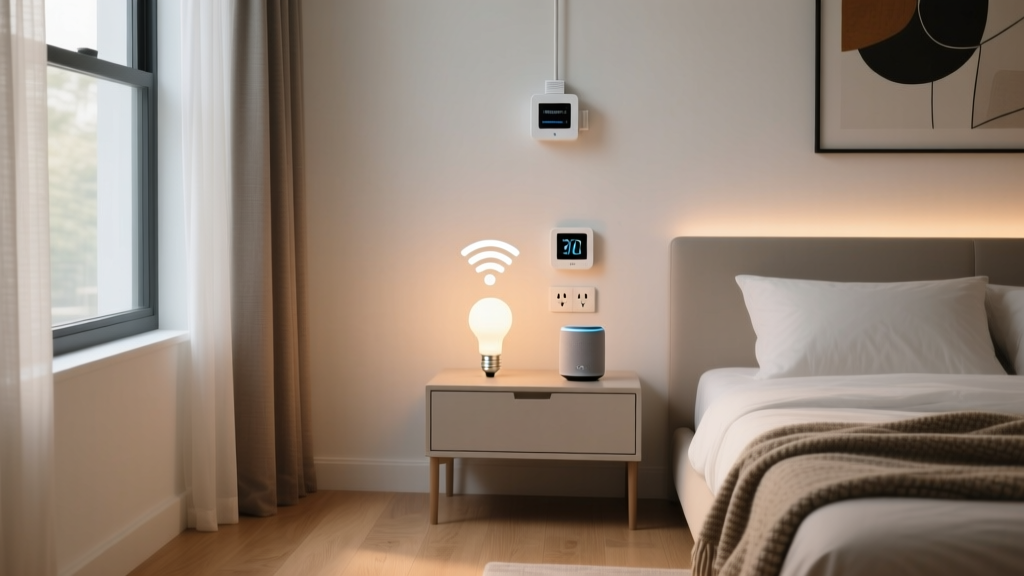
Program your ecosystem to drop the bedroom target temperature by 3 degrees at 10:00 PM. Simultaneously, trigger the smart curtains to close and dim the smart lighting to a warm 2000K color temperature. At 6:30 AM, the routine reverses: the temperature rises slightly, the curtains slowly open to let in natural morning light, and the HVAC fan circulates fresh air.
The Bathroom: Humidity and Mold Prevention
Climate control in the bathroom is less about temperature and entirely about humidity management. Left unchecked, shower steam leads to peeling paint, warped cabinetry, and toxic black mold.
Recommended Devices
- Moisture Detection: Aqara Water Leak and Temperature Sensor. While primarily for leaks, its humidity tracking is invaluable.
- Smart Ventilation: Leviton Decora Smart Wi-Fi Fan Switch. Replace your standard exhaust fan switch with this smart alternative.
The Mold-Prevention Routine
Create an automation rule: If bathroom humidity exceeds 65% or rises by more than 15% within 5 minutes (indicating a hot shower has started), turn on the exhaust fan. The fan should remain on until the humidity drops back to the baseline level of the adjacent hallway, plus a 10-minute buffer to clear the ductwork. This ensures optimal ventilation without wasting energy by leaving the fan on a manual timer.
The Garage: Freeze Protection and Efficiency
Often ignored, the garage acts as a massive thermal buffer for your home. If your garage shares a wall with your living space, or if your water heater and HVAC air handlers are located there, extreme temperatures can wreak havoc on your energy bills and plumbing.
Recommended Devices
- Freeze Protection: Mysa Smart Thermostat (if you have a garage mini-split) or a Smart Plug paired with a ceramic space heater for extreme cold snaps.
- Environmental Monitoring: YoLink Temperature and Humidity Sensor. YoLink utilizes LoRa technology, which offers an exceptional range (up to 1/4 mile in open air), making it perfect for transmitting data from a detached or poorly insulated garage back to your main hub.
Automation Routine: Pipe Saver
Set a hard boundary rule: If the garage temperature drops below 40°F (4°C), trigger a smart plug connected to a space heater to turn on, and send a critical push notification to your phone. This prevents water heaters and PVC piping from freezing and bursting, potentially saving you thousands of dollars in water damage.
Budget Tiers for Whole-Home Climate Automation
Building a smart climate ecosystem does not require an unlimited budget. Here is how you can scale your investment based on your home size and financial flexibility.
| Tier | Estimated Cost | Core Devices Included | Best For |
|---|---|---|---|
| Starter | $250 - $400 | 1 Smart Thermostat, 2 Temp/Humidity Sensors | Apartments, Condos & Small Homes |
| Mid-Level | $500 - $900 | Smart Thermostat, 4 Sensors, 1 Smart Blind Motor, Smart Fan Switch | Standard Single-Family Homes |
| Pro | $1,200+ | Zoned HVAC Controllers, Smart Radiator Valves, Automated Shades, Micro-Climate Bedding | Large Homes & Multi-Zone Setups |
Projected Energy Savings by Device Category
Understanding where your investment yields the highest return is crucial for prioritizing your purchases. The chart below illustrates the estimated annual HVAC energy savings attributed to different smart climate devices, based on field data and energy efficiency studies.
As visualized, the smart thermostat provides the foundational savings, but layering in automated window treatments (smart blinds) significantly compounds the effect by managing passive solar heat gain and loss before your HVAC system even has to turn on.
Essential Whole-Home Automation Routines
Hardware is only half the equation; the logic tying it together is where the magic happens. Implement these three core routines in your smart home platform (Apple HomeKit, Home Assistant, or SmartThings):
1. The Solar Harvest (Winter)
Trigger: Sunrise + Outdoor Temp below 50°F. Action: Open all south-facing smart blinds to allow passive solar heating. Set the smart thermostat to 'Eco' mode, relying on the sun to raise the indoor temperature naturally. Close blinds at sunset to trap the heat.
2. The Summer Cool-Down
Trigger: 10:00 AM + Outdoor Temp above 75°F. Action: Close all east and south-facing blinds. Pre-cool the home by dropping the thermostat by 2 degrees before peak utility rate hours (usually 2 PM - 6 PM) begin, allowing the HVAC to coast during expensive peak pricing windows.
3. The Eco-Away Geofence
Trigger: All registered smartphones leave a 1-mile geofence radius. Action: Set thermostat to 'Away' (widen the deadband to 65°F-80°F). Turn off all smart plugs connected to space heaters or window AC units. Disable room-specific sensor priorities to prevent the system from trying to comfort an empty house.
Design and Aesthetic Considerations
Smart home devices should enhance your living space, not clutter it. When deploying sensors and motors, consider the visual impact. Many modern sensors, like the Aqara or Eve lines, feature minimalist, glossy white designs that blend seamlessly into baseboards and door frames. For smart blind motors, opt for tubular motors that hide entirely inside the window casing, or retrofit devices like the SwitchBot Blind Tilt that mount discreetly to the back of existing wand controls.
If you must mount a sensor on a colored wall, consider using paintable sensor covers or double-sided mounting tape that won't damage drywall upon removal. Remember that aesthetics also involve the user interface; standardize your smart home dashboard so that checking the climate of your garage or bathroom requires only a single glance at a unified tablet or wall-mounted display.
Conclusion
Transitioning to a whole-home climate automation plan is a journey from reactive heating and cooling to proactive environmental management. By addressing the specific thermal needs of your living room, kitchen, bedrooms, bathrooms, and garage, you create a home that not only feels perfectly tailored to your lifestyle but also actively defends against energy waste. Start with a smart thermostat and a few strategic sensors, and gradually expand your ecosystem as you experience the undeniable comfort and financial benefits of zoned climate control.