The Renter's Dilemma: Smart Homes vs. Security Deposits
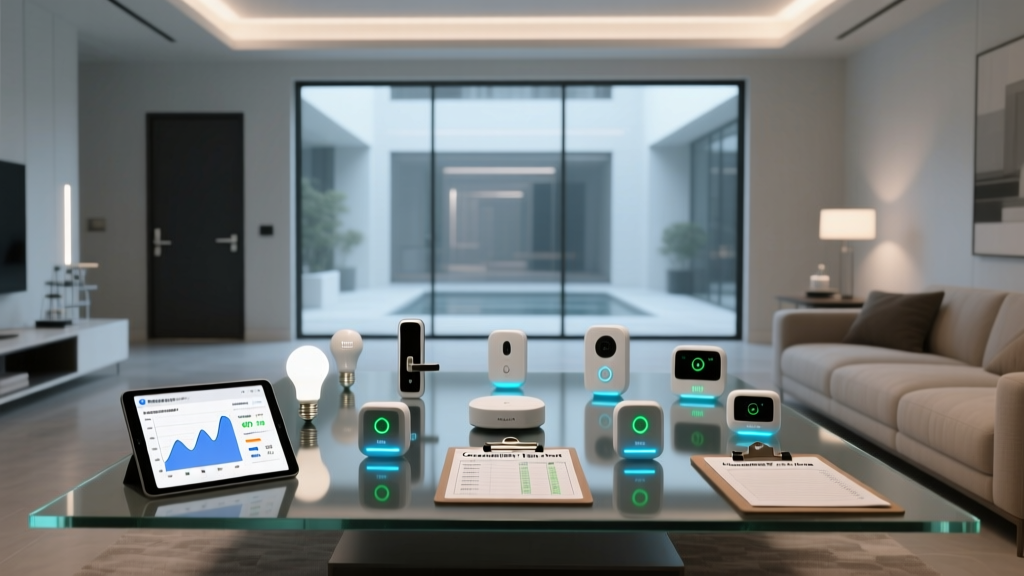
For millions of renters, the dream of a fully automated smart home is often stalled by the harsh reality of lease agreements. Landlords typically prohibit hardwiring new thermostats, drilling holes for security cameras, or replacing existing deadbolts. Furthermore, the prospect of packing up an entire automated ecosystem and moving it to a new apartment—without leaving a single mark on the walls—can seem daunting. However, the modern smart home landscape has evolved significantly. Today, wireless technologies, battery-operated sensors, and peel-and-stick adhesives make it entirely possible to build a robust, portable smart home that moves with you.
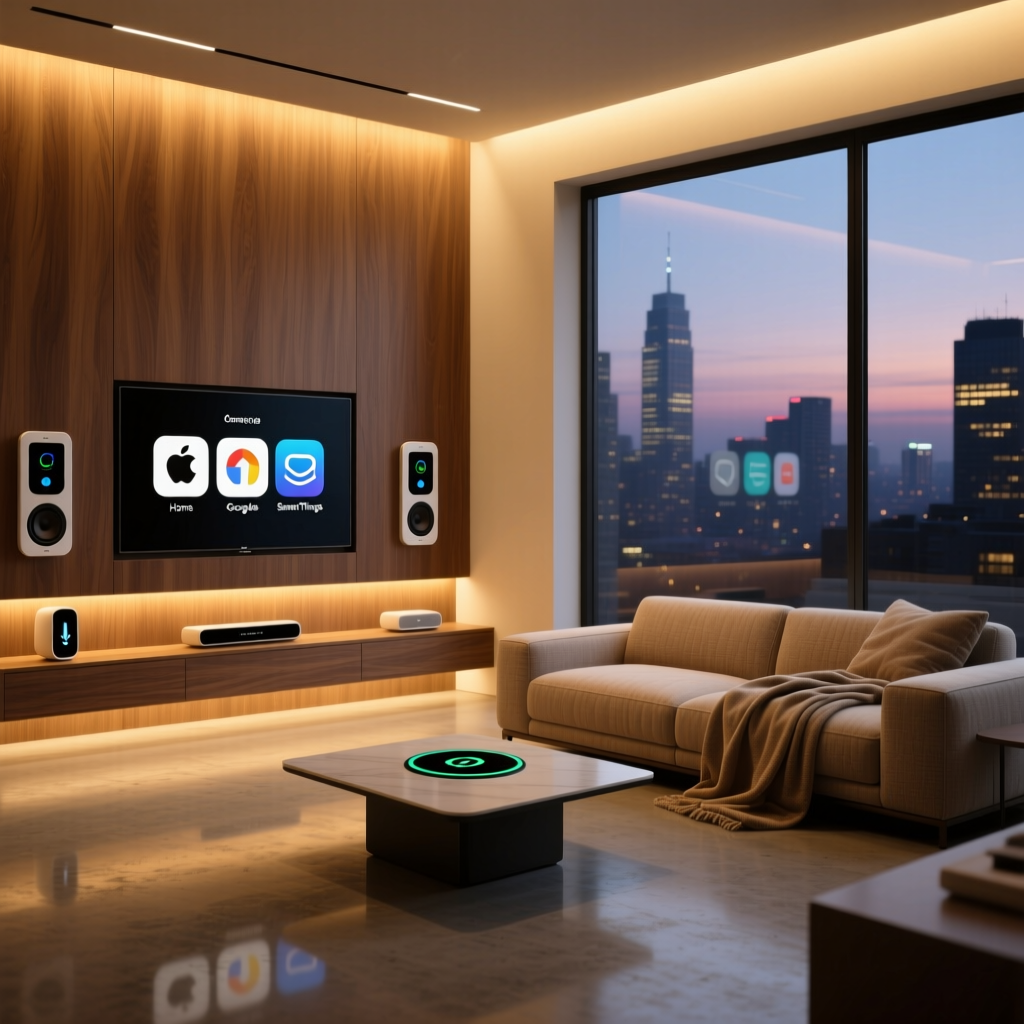
The key to a renter-friendly smart home lies in choosing the right ecosystem platform. An ideal ecosystem for renters prioritizes plug-and-play hubs, Wi-Fi or Thread-based connectivity (eliminating the need for complex wiring), and seamless device migration. In this comprehensive guide, we evaluate the top smart home ecosystems—Amazon Alexa, Apple HomeKit, Google Home, and Samsung SmartThings—through the lens of portability, ease of setup, and renter-specific compatibility.
What Makes a Smart Home Ecosystem 'Renter-Friendly'?
Before diving into specific platforms, it is crucial to understand the criteria that make an ecosystem suitable for apartment living and frequent moves:
- Hub Independence or Portable Hubs: Ecosystems that rely on Wi-Fi or portable hubs (like smart speakers) are vastly superior to those requiring hardwired, in-wall hubs or proprietary base stations that must be mounted.
- Non-Destructive Installation: The best ecosystems support devices that use tension mounts, adhesive strips, or fit over existing hardware (like smart lock retrofits).
- Thread and Matter Support: The Connectivity Standards Alliance introduced Matter to unify smart home devices. Ecosystems supporting Matter and Thread (a low-power mesh network) allow devices to connect locally without clogging your apartment's Wi-Fi router, making them highly portable and reliable.
- Easy Network Migration: When you move, your Wi-Fi SSID and password will likely change. Ecosystems that allow for bulk network updates or utilize Thread border routers make the transition to a new apartment painless.
Top Ecosystems Compared for Portability
Amazon Alexa: The Plug-and-Play Champion
Amazon Alexa remains the most accessible and widely supported ecosystem for renters, primarily due to its massive library of Wi-Fi-enabled devices that require no central hub. For a renter, this means you can buy a smart plug, a Wi-Fi smart bulb, or a battery-powered camera, connect it directly to your apartment's router, and control it via an Echo Dot.
Portability Score: 9.5/10. Because most Alexa-compatible devices rely on your existing Wi-Fi network, there is virtually no proprietary hardware to uninstall when moving. Simply unplug your Echo devices, pack your smart bulbs, and plug them in at your new place.
Best Renter Hub: The Echo Dot (5th Gen) is compact, affordable (often under $50), and acts as a Zigbee and Matter hub for devices that need a local bridge, such as Philips Hue or certain smart locks. Its small footprint makes it perfect for nightstands or small apartment counters.
Automation for Renters: Alexa's 'Routines' are exceptionally easy to set up. You can create a 'Leaving Home' routine that turns off all smart plugs, adjusts your portable AC via a smart IR blaster, and arms your battery-powered security system.
Apple HomeKit: The Secure & Seamless Mover
Apple HomeKit is renowned for its stringent privacy standards and local processing capabilities. For renters who share walls or live in dense apartment buildings, HomeKit's reliance on local networks and Thread means your devices respond instantly without sending data to the cloud. Furthermore, Apple's ecosystem is highly cohesive; if you are already in the Apple ecosystem, HomeKit feels like a natural extension.
Portability Score: 8.5/10. HomeKit requires a 'Home Hub' for remote access and automations. Fortunately, the HomePod Mini serves as a portable, plug-in Home Hub and Thread border router. It is easy to pack and move, though the initial cost of entry for HomeKit-compatible devices is generally higher than Alexa.
Best Renter Hub: The HomePod Mini ($99). It provides excellent audio for a small apartment, acts as your central home hub, and enables Thread connectivity for modern, low-latency devices like the Nanoleaf Essentials line or Eve Motion sensors.
Privacy Advantage: According to guidelines emphasized by the Cybersecurity and Infrastructure Security Agency (CISA), securing IoT devices is critical. Apple's approach of processing voice commands locally on the HomePod and utilizing end-to-end encryption for HomeKit Secure Video makes it the safest choice for renters concerned about shared network vulnerabilities in multi-family dwellings.
Google Home: The Budget-Friendly Nomad
Google Home excels in voice recognition accuracy and natural language processing, making it a favorite for hands-free control in busy apartments. Google's ecosystem is highly portable, leaning heavily on Wi-Fi devices and the Nest lineup. Google has also been a pioneer in adopting Matter, ensuring that new devices you buy will be compatible across platforms.
Portability Score: 9.0/10. Like Alexa, Google Home relies mostly on Wi-Fi. The Nest Mini and Nest Hub are lightweight and travel easily. Google's app makes it relatively simple to remove a home profile and set up a new one when you change addresses.
Best Renter Hub: The Nest Hub (2nd Gen). Priced around $99, it includes a screen for viewing battery-powered security cameras (like the Nest Doorbell) and features sleep tracking, which is great for monitoring environmental factors like noise and light in a new apartment.
Samsung SmartThings: The Hub-Based Powerhouse
SmartThings is a powerhouse for complex automations and supports a vast array of Zigbee, Z-Wave, Wi-Fi, and Matter devices. Historically, SmartThings required a dedicated hub plugged into a router via Ethernet, which was slightly cumbersome for renters. However, the introduction of the SmartThings Station has changed the game.
Portability Score: 7.5/10. While the SmartThings Station is portable and doubles as a wireless phone charger, users with extensive Z-Wave or Zigbee sensor networks may find the migration process slightly more tedious than pure Wi-Fi ecosystems, as the hub must re-interview devices in a new physical layout.
Best Renter Hub: The SmartThings Station ($59). It is incredibly compact, requires only a power outlet, and acts as a Matter and Thread controller, making it perfect for apartment living.
Data Visualization: Ecosystem Portability & Cost Analysis
To help visualize how these platforms stack up for renters, we have scored them based on portability, ease of network migration, and the availability of non-destructive devices. The chart below illustrates the overall 'Renter Portability Score' out of 10.
Best Renter-Friendly Devices Across Ecosystems
An ecosystem is only as renter-friendly as the devices it supports. Below is a curated table of the best non-destructive, portable smart home devices that integrate seamlessly with the major platforms.
| Category | Product Name | Estimated Cost | Why It's Renter-Friendly | Ecosystem Compatibility |
|---|---|---|---|---|
| Smart Lock | August Wi-Fi Smart Lock (4th Gen) | $229 | Retrofits over your existing interior deadbolt thumb-turn. No exterior changes; keeps original keys intact for landlords. | Alexa, Google, HomeKit, SmartThings |
| Security System | SimpliSafe 12-Piece Kit | $249+ | Uses 3M command-style adhesive strips for sensors. No drilling required. Cellular backup included. | Alexa, Google (Limited HomeKit) |
| Lighting | Philips Hue White & Color Ambiance | $199 (Starter) | Smart bulbs screw into existing fixtures. Take them with you when you move. Hue Bridge is plug-and-play. | Alexa, Google, HomeKit, SmartThings, Matter |
| Climate Control | Sensibo Sky+ / Air | $119 - $149 | Controls existing 'dumb' portable or window AC units via Infrared. No hardwiring; sits on a shelf. | Alexa, Google, HomeKit, SmartThings |
| Window Blinds | SwitchBot Blind Tilt | $89 | Clamps onto existing wand-controlled blinds. Solar panel accessory available to avoid battery swaps. | Alexa, Google, SmartThings (Matter via Hub) |
Deep Dive: Climate Control for Renters
One of the biggest hurdles for renters is climate control. Most apartments use proprietary, wall-mounted thermostats or individual window/portable AC units that lack smart features. Replacing a wall thermostat is usually a violation of the lease. Instead, renters should look into smart IR blasters like the Sensibo Sky+. These devices learn the infrared signals of your existing window or portable AC unit and allow you to control temperature, fan speed, and modes via your smartphone or voice assistant. According to ENERGY STAR, smart climate control can significantly reduce energy waste, which is especially beneficial for renters who pay their own utility bills but cannot upgrade the building's central HVAC systems.
Deep Dive: Security Without Drilling
Security is a major concern in multi-family housing, but drilling into door frames for wired cameras or hardwiring alarm panels is out of the question. The SimpliSafe ecosystem is the gold standard for renters. Its door/window sensors and motion detectors use high-strength, damage-free adhesives. The base station plugs into a standard outlet and includes a built-in cellular connection, meaning it will still alert the monitoring center even if your apartment's Wi-Fi goes down or a burglar cuts the power. For door locks, the August Wi-Fi Smart Lock is unparalleled. It replaces only the interior thumb-turn, leaving the exterior lock and your landlord's master key completely untouched.
The Role of Matter in Renter Portability
The introduction of the Matter standard is a game-changer for renters. Historically, if you bought a Zigbee sensor for SmartThings, you couldn't easily use it with Apple HomeKit if you decided to switch ecosystems or if your new roommate preferred Apple devices. Matter creates a universal language for smart home devices.
For renters, Matter means future-proofing. When you buy a Matter-compatible smart plug or Thread-enabled motion sensor, you are not locking yourself into a single ecosystem. If you move to a new apartment and decide to switch from Amazon Alexa to Apple HomeKit, your Matter devices will seamlessly migrate to the new platform without needing to be replaced. This drastically reduces the cost and friction of moving and upgrading your smart home setup over time.
Tips for Moving Your Smart Home Without Losing Your Deposit
Moving a smart home requires a bit of strategy to ensure you don't damage the apartment or lose your devices in the chaos of packing. Follow these actionable steps:
- Use the Right Adhesives: Never use the cheap, double-sided foam tape that comes with some off-brand sensors. Invest in 3M Command Strips or Nano tape. These hold firmly for years but release cleanly when pulled at the correct angle, leaving zero residue on painted drywall.
- Document Your Network: Before unplugging your router, take a screenshot of your Wi-Fi SSID and password settings. If you can replicate the exact same network name and password in your new apartment, 95% of your smart devices will reconnect automatically the moment you plug them in, saving hours of reconfiguration.
- Reset Hubs Last: Do not factory reset your hubs or bridges until you are physically in the new apartment. Some ecosystems (like Philips Hue) require the bridge to be on the same network as your phone to perform a factory reset and re-pairing process.
- Pack Sensors in Original Packaging: Battery-operated sensors (like leak detectors under the sink or door sensors) are fragile. Use their original boxes or wrap them in bubble wrap to prevent accidental battery drainage or pairing mode triggers during transit.
- Remove All Mounting Hardware: If you did use screws for heavy items like a smart doorbell camera, ensure you fill the holes with spackle and touch up the paint. A smart home is only renter-friendly if it leaves no trace behind.
Security and Privacy in Shared Spaces
Living in an apartment building means sharing walls, ceilings, and sometimes even Wi-Fi networks with neighbors. This shared environment introduces unique privacy and security risks. When setting up your portable ecosystem, ensure that your smart home hub and devices are on a secure, WPA3-encrypted Wi-Fi network. Avoid using building-provided 'guest' networks for your smart home devices, as these are often unsecured and visible to other tenants.
Furthermore, be mindful of where you place smart speakers and cameras. In thin-walled apartments, voice assistants can sometimes be triggered by loud neighbors, and outdoor-facing cameras might inadvertently record shared hallways or neighboring balconies, which can violate local privacy laws or lease terms. Always angle cameras strictly toward your own entryway or living space.
Conclusion: Which Ecosystem Should You Choose?
The 'best' ecosystem for a renter ultimately depends on your budget, your existing tech preferences, and your desire for privacy. Amazon Alexa wins on sheer convenience, affordability, and the vast availability of Wi-Fi devices that require zero hubs. Apple HomeKit is the premium choice for renters who prioritize local processing, Thread support, and ironclad privacy, provided they are willing to invest in the HomePod Mini. Google Home offers a fantastic middle ground with superior voice recognition and seamless Nest integration, while Samsung SmartThings remains the top pick for power users who want deep automation capabilities and broad protocol support in a compact, portable station.
By focusing on non-destructive devices, leveraging the Matter standard, and utilizing portable hubs, you can create a sophisticated, automated living space that enhances your daily life—and packs up neatly in a single box when it is time to sign your next lease.