The Fragmentation of the Modern Smart Home
Building a smart home in today's market often feels like navigating a maze of walled gardens. You might have an Amazon Echo in the kitchen, an Apple HomePod in the living room, and a Google Nest thermostat in the hallway. While each ecosystem excels in its own right, getting them to communicate seamlessly is a notorious challenge. The fragmentation of smart home platforms has historically forced consumers to pledge allegiance to a single brand, limiting hardware choices and creating frustrating interoperability gaps.
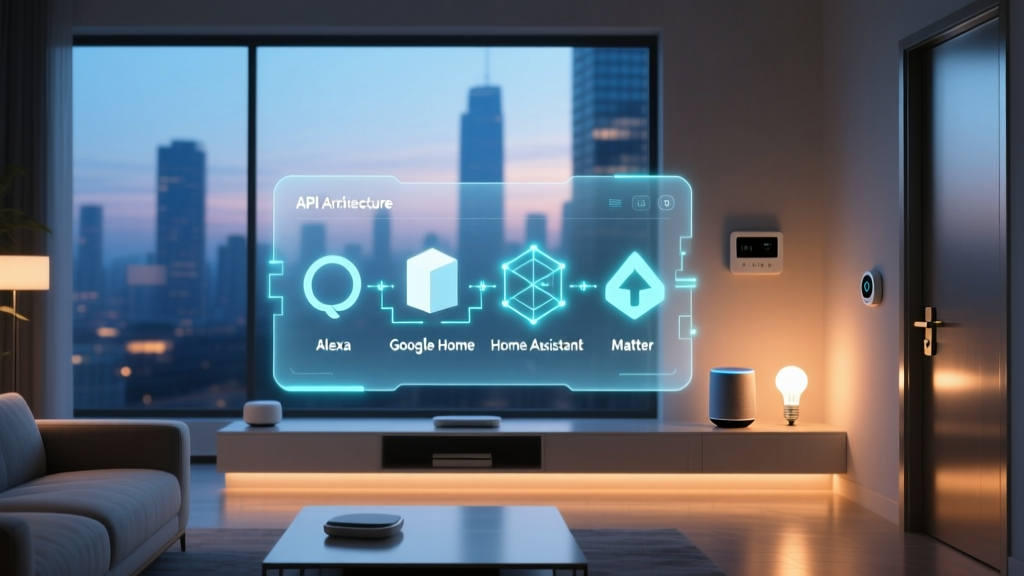
However, the landscape is shifting. The introduction of universal hubs, advanced bridging devices, and the rollout of the Matter protocol are finally breaking down these barriers. For the discerning smart home enthusiast, the goal is no longer about choosing one ecosystem over another; it is about leveraging the best devices across all platforms to create a cohesive, resilient, and highly automated home environment.
Understanding the Cross-Platform Imperative
Why pursue a cross-platform setup? The primary advantage is flexibility. By utilizing universal hubs and cross-platform devices, you are not locked into a single voice assistant or mobile app. You can use Apple HomeKit for its robust privacy and Siri integration, while simultaneously allowing family members who prefer Android to control the home via Google Home or Samsung SmartThings. Furthermore, a diversified ecosystem ensures that if one cloud service experiences an outage, your local automations and alternative control methods remain fully operational.
According to the Connectivity Standards Alliance (CSA), the Matter protocol is designed specifically to solve this interoperability crisis by providing a unified application layer that runs over existing networking technologies like Wi-Fi, Thread, and Ethernet. While Matter is rapidly expanding, legacy devices and specialized protocols like Zigbee, Z-Wave, and Bluetooth still require intelligent bridging to function across multiple ecosystems.
Best Universal Hubs for Cross-Platform Control
The hub is the brain of your cross-platform smart home. It translates different wireless protocols and exposes devices to multiple ecosystems simultaneously.
1. Home Assistant Green (The Local Privacy Powerhouse)
For users who prioritize privacy, local control, and ultimate cross-platform compatibility, the Home Assistant Green is unmatched. Priced around $99, this dedicated hub runs the open-source Home Assistant operating system. It natively supports Zigbee, Thread, and Matter, and can integrate with over 2,500 different smart home brands.
Unlike cloud-dependent hubs, Home Assistant processes all automations locally. This means your smart home routines execute instantly and continue to work even if your internet connection drops. Through its native integrations, Home Assistant can expose its unified device list to Apple HomeKit, Google Home, and Amazon Alexa simultaneously, effectively acting as a universal translator for your entire house.
2. SwitchBot Hub 2 (The Infrared and Bluetooth Bridge)
Not all smart home devices use modern protocols. Many homes still rely on infrared (IR) remote-controlled appliances and Bluetooth-based smart switches. The SwitchBot Hub 2 (approximately $79) is a masterclass in bridging these legacy technologies into the modern cross-platform era. Equipped with a built-in IR blaster, a temperature/humidity sensor, and SmartSwitch technology, it can control traditional air conditioners, TVs, and fans.
Crucially, the SwitchBot Hub 2 supports Matter over Wi-Fi. This allows you to expose your IR-controlled devices and SwitchBot Bluetooth peripherals directly to Apple HomeKit, Alexa, and Google Home without needing complex third-party servers. It is an essential bridge for renters or those looking to retrofit older appliances into a unified smart home.
3. Samsung SmartThings Station (The Mainstream Matter Hub)
For users seeking a more plug-and-play experience without the learning curve of open-source software, the Samsung SmartThings ecosystem offers the SmartThings Station. Priced competitively at around $59, it functions as both a Matter controller and a Zigbee/Thread hub. It excels at bringing third-party Matter devices into the SmartThings app, which can then be linked to Alexa and Google Home routines.
While its integration with Apple HomeKit is more limited compared to Home Assistant, its deep integration with Samsung appliances, Galaxy smartphones, and third-party Zigbee sensors makes it a formidable hub for Android-centric households looking to unify their device management.
Best Native Cross-Platform Smart Devices
Beyond hubs, certain hardware devices are engineered from the ground up to play nicely with multiple ecosystems, either through native multi-platform support or via Matter/Thread certification.
1. Philips Hue Bridge and Lighting Ecosystem
Philips Hue remains the gold standard for smart lighting, and its cross-platform capabilities are a major reason why. The Hue Bridge uses Zigbee to communicate with bulbs, ensuring a rock-solid mesh network that doesn't congest your Wi-Fi. Through the Hue app, you can link the bridge to Amazon Alexa, Google Home, Apple HomeKit, and Samsung SmartThings simultaneously.
With the recent firmware updates enabling Matter support, the Hue Bridge can now act as a Matter bridge, exposing Hue lights to any Matter-compatible ecosystem natively. The cost of entry is higher (the Bridge is ~$59, with color bulbs around $50 each), but the reliability and cross-platform fluidity are unparalleled.
2. Aqara Presence Sensor FP2
Motion sensors are often too slow or prone to false triggers. The Aqara Presence Sensor FP2 (around $69) utilizes mmWave radar technology to detect human presence with astonishing accuracy, even if you are sitting perfectly still. It allows you to divide a room into up to 30 distinct zones, creating highly specific automation triggers.
The FP2 supports Matter over Wi-Fi, meaning it can be added directly to Apple HomeKit, Alexa, and Google Home. Its ability to expose multiple zones as individual occupancy sensors to these ecosystems makes it a favorite among advanced smart home builders looking to create nuanced, cross-platform lighting and climate routines.
3. Eve Energy Smart Plug
Smart plugs are the entry point for many smart homes, but the Eve Energy Smart Plug stands out for its strict adherence to privacy and modern protocols. Utilizing Thread and Matter, the Eve Energy plug connects seamlessly to Apple HomeKit and any other Matter-compatible platform without requiring a proprietary cloud account. Priced around $39, it also provides real-time energy monitoring, allowing users to track power consumption directly within their preferred ecosystem app.
Comparison Table: Cross-Platform Hubs and Devices
| Device / Hub | Primary Protocol | Ecosystem Support | Avg. Price | Best For |
|---|---|---|---|---|
| Home Assistant Green | Zigbee, Thread, Matter | Universal (via integrations) | $99 | Privacy, Local Control, Advanced Automations |
| SwitchBot Hub 2 | Wi-Fi, IR, BLE, Matter | Alexa, Google, Apple (Matter) | $79 | IR Appliances, Bluetooth Devices, Renters |
| SmartThings Station | Zigbee, Thread, Matter | SmartThings, Alexa, Google | $59 | Android Users, Samsung Ecosystem Integration |
| Philips Hue Bridge | Zigbee, Matter Bridge | Universal | $59 | Reliable, High-End Smart Lighting |
| Aqara Presence Sensor FP2 | Wi-Fi, Matter | Apple, Alexa, Google | $69 | Precision Presence Detection, Zoning |
Visualizing Hub Performance: Compatibility vs. Complexity
Choosing the right hub often involves a trade-off between the sheer number of supported platforms and the technical expertise required to set it up. The chart below illustrates this relationship, scoring popular hubs on their cross-platform compatibility (10 being universal) against their setup complexity (10 being highly technical).
As the data indicates, the Home Assistant Green offers the highest compatibility but demands the most technical setup. Conversely, the Apple TV 4K is incredibly easy to set up but is inherently limited if your household relies heavily on Google or Amazon ecosystems.
Privacy, Data Handling, and Local Control
When bridging multiple ecosystems, data privacy becomes a critical concern. Cloud-based hubs (like those from Amazon or Google) send device states and automation logs to external servers to process voice commands and remote access requests. While this enables convenient out-of-home control, it introduces latency and privacy vulnerabilities.
Cross-platform setups utilizing local hubs like Home Assistant or Thread/Matter-native devices (like Eve and Aqara) process data locally. This means your presence detection, camera feeds, and daily routines never leave your local network. For households prioritizing data sovereignty, building a cross-platform home anchored by a local hub and Matter-over-Thread devices is the most secure architecture available today.
Building Cross-Platform Automations
The true power of a unified smart home is realized in its automations. By using a universal hub, you can create routines that span hardware from competing brands. For example, you can set up an automation where the Aqara FP2 (via Matter) detects presence in the living room, triggering the Philips Hue lights to turn on, while simultaneously adjusting the smart thermostat controlled by Home Assistant, and sending a notification to your Apple Watch.
The true power of a cross-platform smart home isn't just about voice control; it's about creating localized, resilient automations that survive internet outages and ecosystem lock-in.
To achieve this, it is recommended to centralize your automation logic within one platform (such as Home Assistant or SmartThings) rather than duplicating routines across the Alexa, Google, and Apple apps. This prevents conflicting triggers and makes troubleshooting significantly easier.
Final Verdict
The era of being trapped in a single smart home ecosystem is ending. By investing in universal hubs like the Home Assistant Green or the SwitchBot Hub 2, and selecting Matter-compatible devices like the Aqara FP2 and Eve Energy plugs, you can build a smart home that respects your hardware preferences and your family's diverse software habits. While the initial setup of a cross-platform environment requires careful planning and a focus on local protocols like Thread and Zigbee, the resulting flexibility, reliability, and privacy make it the definitive choice for the modern smart home enthusiast.