The Hidden Cost of Cloud-Dependent Smart Homes
Imagine arriving home after a long day, your arms full of groceries, only to find that your smart lock refuses to respond. You check your phone and realize your internet connection is down. Suddenly, your multi-thousand-dollar smart home is nothing more than a collection of dumb, unresponsive gadgets. This is the hidden cost of cloud-dependent smart home ecosystems. While platforms like older iterations of SmartThings or budget Wi-Fi camera systems rely heavily on remote servers to process basic commands, this architecture introduces severe vulnerabilities regarding latency, privacy, and most importantly, offline reliability.
When an ecosystem requires a round-trip to a server farm hundreds of miles away just to turn on your living room lights, you are at the mercy of your Internet Service Provider, your router, and the platform's server uptime. For smart home enthusiasts and privacy advocates, this is unacceptable. The gold standard for smart home automation is local processing: the ability for your hub, switches, and sensors to communicate and execute routines entirely within the walls of your home, without ever pinging an external server.
In this comprehensive guide, we will evaluate the top ecosystem platforms through the lens of offline reliability. We will compare Home Assistant, Apple HomeKit, Hubitat Elevation, and Lutron Caseta, breaking down their hardware costs, local processing capabilities, and how they handle internet outages.
Why Local Processing is the Gold Standard
Local processing means that the logic engine governing your automations resides on a physical hub inside your home. According to the core philosophy outlined in Home Assistant's foundational architecture principles, a perfect home automation system should be local-first, ensuring that automations run instantly and reliably regardless of external network conditions.
The benefits of local control extend far beyond mere reliability. First, latency is drastically reduced. A local Zigbee or Z-Wave command typically registers in under 50 milliseconds, whereas a cloud-routed Wi-Fi command can take anywhere from 200 to 800 milliseconds, resulting in that noticeable, frustrating delay when you flip a smart switch. Second, local processing inherently protects your privacy. Your daily routines, occupancy data, and voice commands never leave your local network, shielding your household from corporate data harvesting and cloud breaches.
Top Contenders for Offline Smart Home Control
Home Assistant: The Ultimate Local Powerhouse
Home Assistant is an open-source ecosystem that has rapidly become the undisputed king of local smart home control. Unlike proprietary systems, Home Assistant is designed from the ground up to operate entirely offline. With the recent release of the Home Assistant Green (priced around $99) and the more advanced Home Assistant Yellow (around $199), Nabu Casa has made local control accessible to users who do not want to tinker with Raspberry Pi hardware or Linux command lines.
Home Assistant supports over 2,000 integrations, almost all of which offer local APIs. When paired with a SkyConnect dongle for Zigbee and Thread, or a Z-Wave JS UI stick, Home Assistant processes automations locally in real-time. If your internet goes down, your motion-activated lights, climate control routines, and security alarms will continue to function flawlessly. The only caveat is that remote access (controlling your home while away) requires setting up a secure tunnel like Tailscale or subscribing to the Nabu Casa cloud service, but local functionality remains 100% intact during WAN outages.
Apple HomeKit: The Consumer-Friendly Local Option
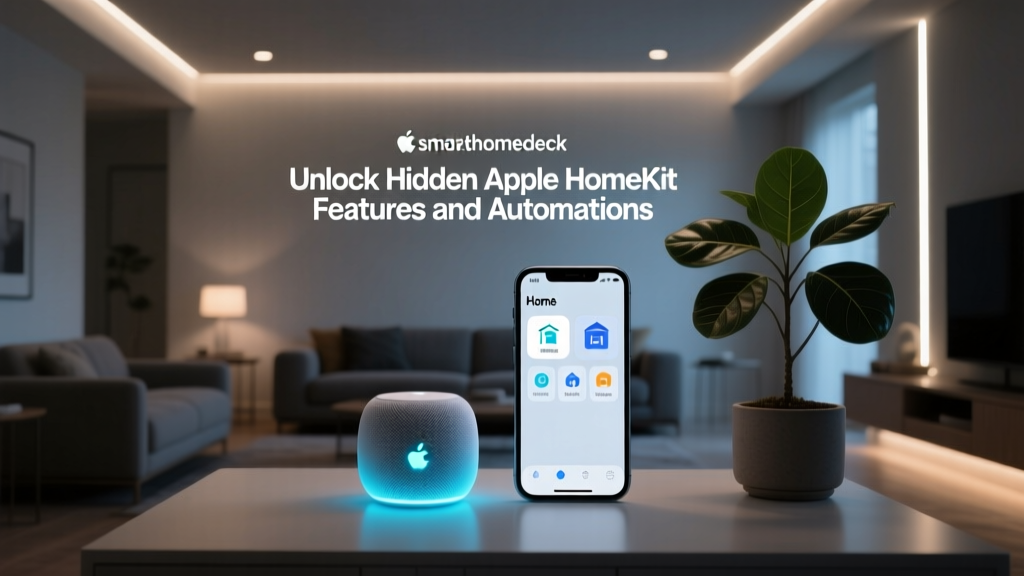
For users deeply embedded in the Apple ecosystem, HomeKit offers a surprisingly robust local control architecture. Apple mandates strict local communication protocols for HomeKit-certified accessories. When you use a HomePod mini ($99) or an Apple TV 4K ($129) as your central home hub, these devices act as local Thread border routers and HomeKit controllers.
When you issue a Siri command to turn off the lights, the processing happens locally on the hub whenever possible. Furthermore, Apple's push toward the Thread networking protocol ensures that low-power devices create a self-healing, local mesh network that does not rely on Wi-Fi. However, HomeKit is not entirely bulletproof. Some third-party devices that bridge into HomeKit via the cloud (like certain budget Wi-Fi cameras or older smart plugs) will fail during an internet outage. To ensure maximum offline reliability, users must strictly purchase native HomeKit or Matter-over-Thread devices.
Hubitat Elevation: The Balanced Middle Ground
Hubitat Elevation, specifically the latest Hubitat C-8 model (priced at $159), was built specifically to solve the cloud-reliance problem of early smart home hubs. Hubitat's primary selling point is its local execution engine. It features built-in Zigbee and Z-Wave radios, allowing it to communicate directly with sensors, locks, and switches without needing external dongles.
Hubitat's Rule Machine is a powerful, logic-based automation engine that runs entirely on the hub's internal processor. While Hubitat does use the cloud for remote dashboard access, voice assistant integration (like Alexa or Google Home), and certain third-party notifications, the core automation and device control remain strictly local. As noted in Wirecutter's extensive testing of smart home hubs, Hubitat consistently outperforms cloud-based alternatives in speed and reliability during simulated network outages.
Lutron Caseta: The Bulletproof Subsystem
While not a comprehensive ecosystem platform like Home Assistant, Lutron Caseta deserves mention for its unparalleled offline reliability. Using its proprietary Clear Connect RF protocol, the Lutron Smart Bridge Pro ($200) communicates with switches and Pico remotes independently of your home Wi-Fi. Even if your router catches fire, a Lutron switch will still turn on the lights, and a Pico remote will still control the dimmer. For critical lighting and shading, pairing Lutron with a broader ecosystem like Home Assistant or HomeKit provides a bedrock of reliability that no Wi-Fi-based device can match.
Feature and Hardware Comparison Table
| Feature | Home Assistant | Apple HomeKit | Hubitat C-8 | Lutron Caseta |
|---|---|---|---|---|
| Hub Cost Range | $99 - $199 | $99 - $129 | $159 | $200 |
| Local Processing | 100% | 90% (Native devices) | 95% | 100% |
| Built-in Radios | Thread/Zigbee (Yellow) | Thread (HomePod/ATV) | Zigbee & Z-Wave | Clear Connect RF |
| Setup Difficulty | Moderate to High | Very Low | Low to Moderate | Very Low |
| Best For | Power Users & Tinkerers | Apple Device Owners | Rule-Based Automations | Critical Lighting Control |
Visualizing Reliability and Latency
The following chart illustrates the average local command latency (in milliseconds) and an overall offline reliability score (out of 10) for the top platforms discussed. Lower latency and higher reliability scores indicate a more robust local ecosystem.
Building a Bulletproof Local Network
No smart home ecosystem can function offline if your local network infrastructure fails. Ecosystem reliability is inextricably linked to your LAN (Local Area Network) stability. If you are investing in local hubs like Home Assistant or Hubitat, you must also invest in enterprise-grade or prosumer networking gear.
First, separate your IoT devices onto a dedicated VLAN or a dedicated 2.4GHz SSID. This prevents network congestion from streaming devices or laptops from interfering with time-sensitive smart home commands. Second, power protection is non-negotiable. You should connect your modem, primary router, network switch, and smart home hub to an Uninterruptible Power Supply (UPS). A compact 600VA UPS (costing around $60 to $80) will keep your local smart home running for hours during a neighborhood power blackout, ensuring your security sensors and automated emergency lighting remain active.
The Impact of Matter and Thread on Local Reliability
The introduction of the Matter standard and the Thread networking protocol is fundamentally shifting the landscape of offline reliability. Matter is an application layer that standardizes how devices communicate, while Thread is the underlying, low-power mesh networking protocol. Unlike Wi-Fi, which relies on a single, easily congested access point, Thread devices act as nodes, passing signals from one to another until they reach a Thread Border Router (like an Apple TV 4K, HomePod mini, or Home Assistant SkyConnect).
This mesh architecture drastically improves offline reliability. If one node fails or loses power, the Thread network dynamically reroutes the signal through adjacent devices. Furthermore, Matter mandates local control capabilities as part of its core specification. As more manufacturers adopt Matter-over-Thread, the reliance on cloud servers for basic device operation will diminish, creating a more unified and resilient offline experience across different ecosystem boundaries.
How to Test Your Ecosystem's Offline Reliability
Do not wait for an actual emergency to discover which of your devices rely on the cloud. You can perform a simple, controlled stress test on your smart home. First, ensure all your critical automations (like motion-triggered hallway lights, smart locks, and smoke alarm integrations) are active. Next, physically unplug the WAN (internet) cable from your primary router, or disable the WAN interface in your router's settings. Your home network will remain active, but external internet access will be severed.
Walk through your home and trigger your automations. Do the lights turn on instantly? Does the smart lock respond to your keypad? Can you arm your security system via a local wall tablet? Any device that fails this test is cloud-dependent and represents a vulnerability in your smart home's reliability. Replace those devices with local Zigbee, Z-Wave, or Thread alternatives to ensure your home remains functional, secure, and comfortable, no matter what happens outside your front door.
Conclusion: Choosing Your Offline Champion
Ultimately, the best ecosystem for offline reliability depends on your technical expertise and existing hardware. For the uncompromising enthusiast who demands total control, zero cloud dependency, and the widest array of integrations, Home Assistant is the undisputed champion. For Apple users who want a seamless, secure, and highly reliable experience without the steep learning curve, HomeKit paired with Thread border routers is an excellent choice. Hubitat serves as the perfect middle ground for those who want powerful local rule-based automations with built-in radios and minimal setup friction.
By prioritizing local processing, investing in robust network infrastructure, and embracing emerging standards like Thread, you can build a smart home that is not just intelligent, but genuinely resilient. A truly smart home should never require an internet connection to keep you safe, comfortable, and in control.