The Ultimate Guide to Smart Home Ecosystems for Home Theater & Media Room Automation
The modern home theater is no longer just a collection of disparate audio & video components sitting in a dark room. Today, a true media room is an immersive, intelligent environment that responds to your presence, anticipates your needs, and eliminates the friction of multiple remotes and complex input switching. By integrating your entertainment setup into a cohesive smart home ecosystem, you can transform a standard movie night into a cinematic event with a single voice command or the press of a single button.
However, achieving this level of seamless automation requires more than just buying a few smart bulbs. It demands a deep understanding of control protocols, network architecture, lighting psychology, and the unique capabilities of different smart home platforms. Whether you are building a dedicated basement cinema or upgrading a multi-purpose living room media center, choosing the right ecosystem is the foundation of your project. In this comprehensive guide, we will explore the best smart home ecosystems for media room automation, the essential devices you need, advanced routine design, and the critical setup tips that separate a frustrating setup from a flawless cinematic experience.
Choosing the Right Smart Home Ecosystem for Your Media Room
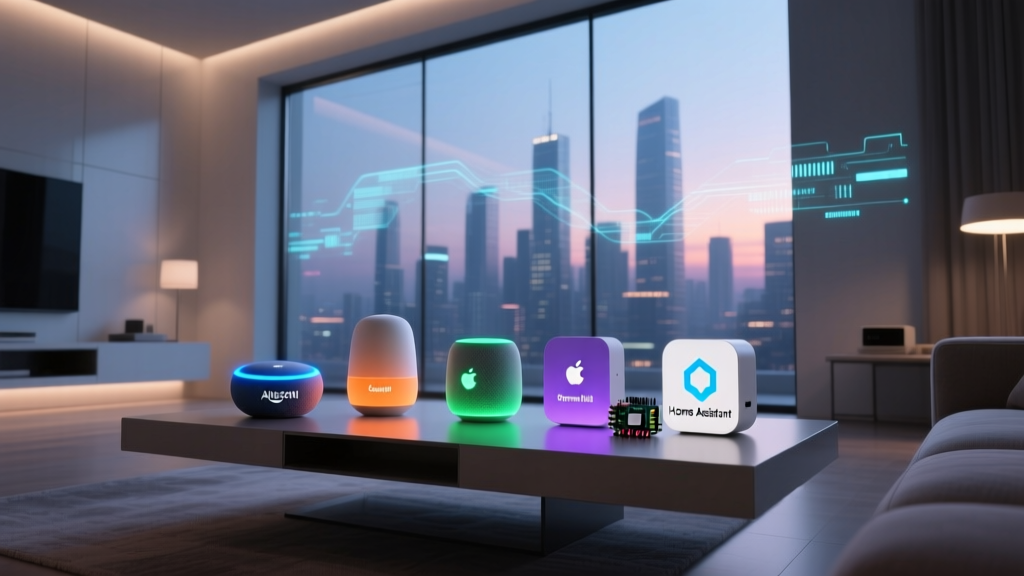
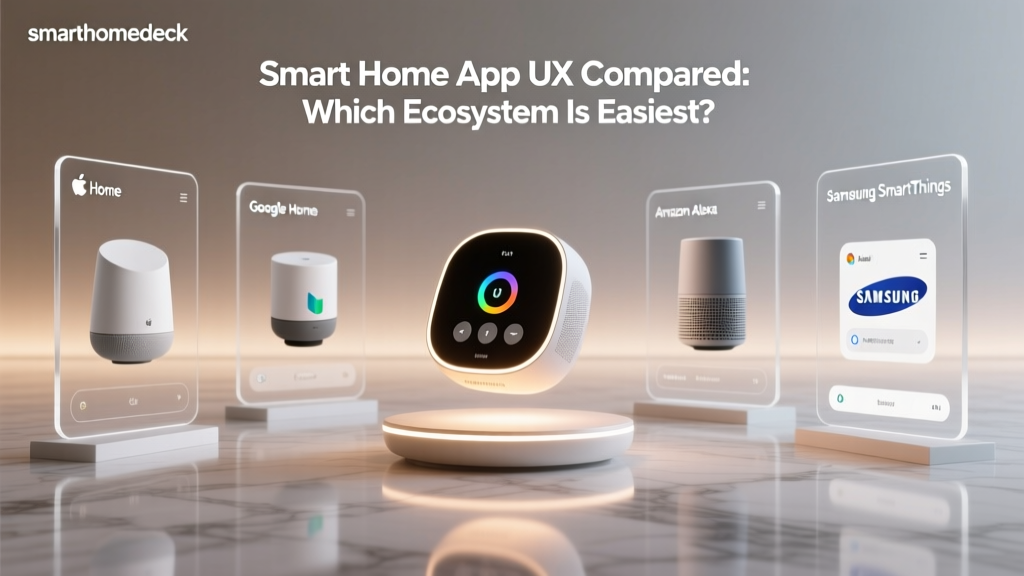
Not all smart home platforms are created equal, especially when it comes to the nuanced demands of audio & video control. While turning on a smart light is universally supported across platforms, sending discrete IP commands to an AV receiver, managing HDMI-CEC conflicts, and coordinating motorized blackout shades requires a more robust ecosystem. Below, we break down the major platforms and their suitability for home theater automation.
Apple HomeKit: The Secure & Local Choice
Apple HomeKit is renowned for its strict security protocols, local processing capabilities, and seamless integration within the Apple ecosystem. For media rooms, HomeKit offers incredibly fast, local execution of scenes, meaning your lights and shades will react instantly without relying on cloud servers. Through the Apple TV 4K, which acts as a powerful home hub, you can integrate Thread & Matter devices natively. However, HomeKit's native support for direct AV receiver control and complex IR (Infrared) devices is limited. Enthusiasts often rely on Homebridge or specialized Matter bridges to bring non-native AV equipment into the HomeKit fold. If your media room relies heavily on Apple TV for content consumption, this ecosystem provides a beautifully unified, albeit sometimes restrictive, experience.
Amazon Alexa: The Broad Compatibility Powerhouse
Amazon Alexa remains a dominant force in home theater automation, largely due to its massive library of third-party skills and native integration with Fire TV devices. Alexa excels at voice-controlled media playback and can easily link with IR blasters to control legacy AV receivers, cable boxes, and projectors. The ability to create complex routines via the Alexa app, including conditional logic and delays, makes it a strong contender for media rooms. The primary drawback is its heavy reliance on cloud processing. If your internet connection drops, your voice commands and cloud-dependent routines will fail, which can be a significant frustration in a dedicated home theater environment.
Google Home: The Voice Recognition & Casting Hub
Google Home offers superior natural language processing and voice recognition, making it an excellent choice for hands-free control when your hands are full of popcorn. Its native integration with Chromecast and Google TV devices allows for deep media control, including specific app launching and content searching. Google Home also supports Matter, opening the door to a wider array of modern smart home devices. Like Alexa, Google Home relies heavily on the cloud for routine execution, and its AV control capabilities often require intermediary hubs or IR blasters to communicate with traditional home theater equipment.
Samsung SmartThings: The Hub-Centric Aggregator
Samsung SmartThings has evolved into a highly capable hub-centric ecosystem, particularly with the introduction of SmartThings Station and robust Matter support. For media rooms, SmartThings shines in its ability to aggregate Zigbee, Z-Wave, Wi-Fi, and Matter devices into a single dashboard. It integrates exceptionally well with Samsung TVs, soundbars, and Q-Symphony audio setups. If your home theater is built around Samsung hardware, the SmartThings ecosystem offers the most cohesive, low-latency automation experience, allowing you to sync lighting and shades directly with your TV's power and picture states.
Home Assistant: The Enthusiast's Holy Grail
For the ultimate home theater automation experience, Home Assistant is unmatched. This open-source, locally-run platform offers unparalleled access to IP control protocols, HDMI-CEC integrations, and MQTT messaging. Home Assistant can natively communicate with high-end AV receivers from Denon, Marantz, and Anthem over your local network, bypassing the unreliability of IR and CEC. It allows for hyper-specific automations, such as pausing playback when a door opens, adjusting bias lighting based on the dominant color of the screen in real-time, and displaying custom dashboards on wall-mounted tablets. The trade-off is a steep learning curve and the requirement for dedicated hardware, such as a Raspberry Pi or mini PC, to run the server.
Essential Smart Devices for Home Theater Automation
Building an automated media room requires selecting devices that not only perform their primary functions flawlessly but also communicate reliably with your chosen ecosystem. Here are the core categories of smart devices essential for a premium home theater setup.
Smart Lighting & Bias Illumination
Lighting is arguably the most impactful element of home theater automation. Proper lighting sets the mood, reduces eye strain, and enhances perceived contrast. Bias lighting, which is mounted behind the display, should ideally be calibrated to the D65 standard (6500K) to match the white point of professional cinema displays. The Philips Hue Play Gradient Lightstrip is a top-tier choice, offering dynamic screen-mirroring capabilities that extend the on-screen action into the room, creating a deeply immersive experience.
Beyond bias lighting, architectural dimming is crucial. Recessed LED downlights controlled by a system like Lutron Caseta provide ultra-smooth, flicker-free dimming down to 1%. Unlike standard smart bulbs that can suffer from latency or drop off the network, hardwired smart switches ensure your lighting is always responsive and reliable. For a complete guide on layering your media room illumination, check out our comprehensive smart lighting guide.
Motorized Blackout Shades
Ambient light is the enemy of projection and HDR displays. Motorized blackout shades are a non-negotiable component of a serious media room. When your