Smart Home Ecosystem Vacation Rental Property Integration: The Complete Guide
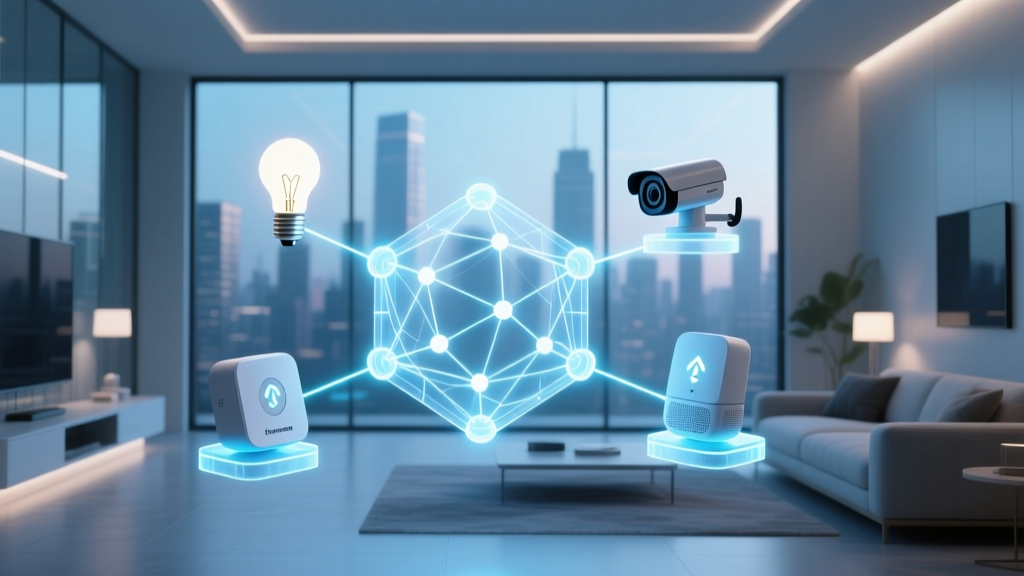
The vacation rental industry has undergone a massive transformation, and at the heart of this evolution lies smart home ecosystem integration. Whether you manage a single beachfront condo or a portfolio of mountain cabins, integrating a cohesive smart home ecosystem into your vacation rental property can dramatically improve guest experiences, streamline operations, reduce energy costs, and protect your investment. This comprehensive guide explores every aspect of building, deploying, and managing a smart home ecosystem tailored specifically for short-term rental properties.
Vacation rental guests increasingly expect the same level of technological convenience they enjoy at home — or better. From keyless entry and voice-controlled lighting to smart thermostats that adjust automatically between guest stays, the right ecosystem integration turns a standard rental into a premium experience that earns five-star reviews and repeat bookings. But choosing the right platform, selecting compatible devices, configuring automations, and safeguarding guest privacy requires careful planning and execution.
In this guide, we will walk through the major smart home ecosystems suitable for vacation rentals, the best devices to deploy, automation strategies that save time and money, critical privacy considerations, and a detailed comparison to help you choose the right platform for your property portfolio. If you are new to smart home technology, you may want to start with our smart home basics guide before diving into the specifics of rental property integration.
Platform Overview: Choosing the Right Smart Home Ecosystem for Vacation Rentals
A smart home ecosystem is more than just a collection of gadgets. It is the underlying platform that connects, controls, and automates every device in your vacation rental. The ecosystem you choose determines which devices you can use, how easily you can manage them remotely, what automation capabilities are available, and how seamlessly your guests can interact with the technology during their stay.
The Major Ecosystems for Vacation Rental Integration
There are several major smart home ecosystems to consider when outfitting a vacation rental property. Each has distinct advantages and limitations depending on your management style, property type, and technical comfort level.
Amazon Alexa Ecosystem: Amazon's Alexa platform is one of the most widely adopted smart home ecosystems, offering compatibility with thousands of devices. For vacation rental hosts, Alexa provides robust voice control, extensive routines and automation capabilities, and the ability to manage multiple properties through the Alexa app. The ecosystem supports features like Alexa Guard for security monitoring and Drop-In for intercom-style communication. Many vacation rental hosts appreciate the broad device compatibility and the relatively low cost of entry with Echo devices. Explore our Amazon Echo smart speaker reviews for detailed assessments of the latest models.
Google Home Ecosystem: Google's smart home platform, centered around Google Assistant and the Google Home app, offers powerful voice recognition, excellent integration with Google services, and a growing library of compatible devices. Google Home excels at natural language processing, making it intuitive for guests who may not be tech-savvy. The platform's Nest product line — including thermostats, cameras, and doorbells — provides a tightly integrated experience. Check out our Google Nest device reviews for in-depth analysis.
Apple HomeKit Ecosystem: Apple's HomeKit platform offers strong security and privacy features, making it attractive for hosts who prioritize data protection. HomeKit devices undergo rigorous certification, ensuring reliability and interoperability. However, the ecosystem tends to be more expensive and offers fewer compatible devices compared to Alexa or Google Home. For luxury vacation rentals where guests expect a premium experience, HomeKit's polished interface and Siri integration can be a differentiator.
Samsung SmartThings: SmartThings serves as a hub-based ecosystem that supports multiple protocols including Zigbee, Z-Wave, and Wi-Fi. This makes it exceptionally versatile for vacation rental properties with diverse device collections. The SmartThings hub acts as a central brain, enabling complex automations that can run locally even if internet connectivity drops — a critical advantage for remote properties. Browse our SmartThings hub and sensor reviews for more information.
Hubitat Elevation: Hubitat is a favorite among advanced smart home users and vacation rental operators who want powerful local automation without cloud dependency. The Hubitat hub processes automations locally, meaning your smart locks, lights, and thermostats continue to function even during internet outages. Its Rule Machine feature allows incredibly granular automation logic that can handle the complex scenarios vacation rentals demand.
Key Factors for Vacation Rental Ecosystem Selection
When selecting an ecosystem for your vacation rental, consider these critical factors:
- Remote Management: Can you monitor and control devices from anywhere? Vacation rental hosts rarely live on-site, so robust remote access is non-negotiable.
- Multi-Property Support: If you manage multiple rentals, does the ecosystem allow you to organize and switch between properties easily?
- Guest Accessibility: How intuitive is the system for temporary users? Guests should be able to operate basics without reading a manual.
- Reliability and Uptime: Cloud-dependent systems can fail during internet outages. Local processing capabilities add resilience.
- Scalability: Can the ecosystem grow as you add devices or properties to your portfolio?
- Integration with Property Management Software: Does the ecosystem connect with platforms like Guesty, Hostaway, or Lodgify that you may use to manage bookings?
For a broader look at how these platforms compare in general home use, visit our smart home ecosystems comparison hub.
Best Smart Devices for Vacation Rental Properties
Building a smart vacation rental starts with selecting the right devices. Not every smart device makes sense in a rental context — you need products that are durable, easy for guests to use, resistant to tampering, and capable of delivering value both to you as the owner and to your guests. Below, we break down the essential device categories and recommend specific types of products for each.
Smart Locks: Keyless Entry and Access Control
Smart locks are arguably the single most impactful device you can add to a vacation rental. They eliminate the need for physical key exchanges, lockboxes, and the anxiety of lost keys. More importantly, they allow you to generate unique access codes for each guest, cleaning crew, and maintenance worker with specific time windows.
The best smart locks for vacation rentals feature keypad entry with programmable codes, remote locking and unlocking via smartphone, auto-lock functionality that secures the door after a set period, activity logs that record every entry and exit, and battery backup systems that prevent lockouts during power failures. Popular options include the Schlage Encode, Yale Assure Lock 2, and August Wi-Fi Smart Lock. Many of these integrate directly with major ecosystems and property management platforms, allowing automated code generation that syncs with booking calendars.
When installing smart locks, always maintain a physical key backup stored in a secure location. Batteries do die, and technology does fail. Consider locks that send low-battery alerts to your phone so you can proactively replace them between guest stays. Read our detailed smart lock reviews to find the perfect fit for your property.
Smart Thermostats: Energy Savings and Comfort
Heating and cooling represent the largest energy expense in most vacation rental properties. Smart thermostats address this by automatically adjusting temperatures based on occupancy, time of day, and even weather forecasts. When a property sits empty between bookings, there is no reason to maintain comfortable temperatures — a smart thermostat can shift to energy-saving mode and resume normal settings shortly before the next guest arrives.
The Google Nest Learning Thermostat and ecobee SmartThermostat are top choices for vacation rentals. Both offer remote scheduling, geofencing capabilities, energy usage reports, and integration with major smart home ecosystems. The ecobee models include room sensors that detect occupancy and temperature in different areas of the property, ensuring guests are comfortable where they actually spend time rather than where the thermostat is mounted.
For multi-zone properties — such as a rental with separate upstairs and downstairs HVAC systems — you will need multiple thermostats. Both Nest and ecobee support multi-unit configurations that you can manage from a single app. Many utility companies offer rebates for smart thermostat installation, which can offset the initial investment. Explore our smart thermostat reviews for comprehensive comparisons.
Smart Lighting: Ambiance, Security, and Efficiency
Smart lighting serves multiple purposes in vacation rentals. It enhances the guest experience with customizable ambiance, improves security by simulating occupancy when the property is vacant, and reduces energy waste by automatically turning off lights in unoccupied rooms.
For vacation rentals, smart switches and dimmers generally work better than smart bulbs. Switches control existing light fixtures and cannot be removed by guests, whereas smart bulbs can be unscrewed or accidentally reset. Lutron Caseta and Leviton Decora Smart switches are reliable options that integrate with all major ecosystems. They connect via dedicated hubs or Wi-Fi and support scheduling, voice control, and scene creation.
Consider creating preset lighting scenes that guests can activate with a single button press or voice command. A "Welcome" scene that illuminates the entryway, living room, and kitchen creates a warm first impression. A "Movie Night" scene dims the living room lights. A "Goodnight" scene turns off everything except a hallway nightlight. These touches elevate the guest experience without requiring technical knowledge to operate. Check our smart lighting reviews for product recommendations.
Smart Cameras and Security: Property Protection
Security cameras protect your investment from theft, vandalism, and unauthorized parties. However, camera placement in vacation rentals requires careful attention to privacy laws and guest expectations. Cameras should only be installed in exterior areas — front door, driveway, backyard, and building perimeter — and their presence must be disclosed in your listing.
The best exterior cameras for vacation rentals offer high-resolution video, night vision, motion detection with person and vehicle recognition, two-way audio, local and cloud storage options, and weather resistance. The Ring Video Doorbell, Google Nest Cam, Arlo Pro series, and Wyze Cam Outdoor are all popular choices among vacation rental hosts. Many of these cameras integrate with smart home ecosystems, enabling automations like turning on exterior lights when motion is detected after dark.
Some hosts also install noise monitoring devices like Minut or NoiseAware inside the property. These devices do not record conversations — they measure decibel levels and alert you if noise exceeds thresholds you set, helping you enforce house rules about parties and quiet hours without invading guest privacy. Visit our smart security camera reviews for detailed product analysis.
Smart Sensors: Leak Detection, Smoke, and Occupancy
Sensors are the unsung heroes of vacation rental smart home setups. Water leak sensors placed near washing machines, water heaters, dishwashers, and under sinks can alert you to leaks before they cause thousands of dollars in damage. Smart smoke and carbon monoxide detectors like the Google Nest Protect send alerts to your phone if they detect danger, even when you are miles away.
Occupancy sensors, often built into smart thermostats or available as standalone devices, detect whether anyone is present in the property. This data drives automations — adjusting the thermostat when the property is empty, turning off lights in unoccupied rooms, or alerting you if motion is detected during a period when the property should be vacant between bookings.
Door and window sensors add another layer of security and energy efficiency. They can trigger alerts if a door is left open while the HVAC system is running, or notify you if a window is opened during a storm. Our smart sensor reviews cover the best options for rental properties.
Smart Plugs and Appliances
Smart plugs offer an inexpensive way to add smart functionality to existing appliances and electronics. In a vacation rental, you might use smart plugs to control a coffee maker so it starts brewing when guests wake up, manage a hot tub's heating schedule, monitor energy consumption of older appliances, or ensure that space heaters and other potentially hazardous devices are turned off when guests check out.
For properties with hot tubs, smart plugs rated for outdoor use and high amperage can automate heating cycles to ensure the tub is ready when guests arrive while saving energy during vacancy periods. Some hosts use smart plugs to control decorative features like gas fireplace inserts or fountain pumps, activating them remotely before guest arrival to create a welcoming atmosphere.
Automation Strategies for Vacation Rental Management
The true power of a smart home ecosystem in a vacation rental lies in automation — sequences of actions that execute automatically based on triggers, schedules, or conditions. Well-designed automations reduce your workload, improve guest satisfaction, and protect your property without requiring constant attention. Below are the most valuable automation strategies for vacation rental hosts.
Automated Guest Turnover Sequences
The turnover period between guests is one of the most labor-intensive aspects of vacation rental management. Smart home automations can streamline this process significantly. Here is an example of an automated turnover sequence:
- Checkout Trigger: At the scheduled checkout time (e.g., 11:00 AM), the smart lock code for the departing guest expires automatically.
- System Check: The thermostat adjusts to energy-saving mode. All lights turn off. Smart plugs controlling non-essential devices power down.
- Cleaning Crew Access: A temporary access code activates for the cleaning crew's scheduled window. When they enter the code, the system logs their arrival time.
- During Cleaning: Lights turn on in rooms where motion is detected, helping cleaners work efficiently. The thermostat adjusts to a comfortable working temperature.
- Cleaning Complete: When the cleaning crew's code expires or they manually lock the door, the system returns to vacancy mode. You receive a notification that the property is secured.
- Pre-Arrival Preparation: Two hours before the next guest's scheduled check-in, the thermostat adjusts to the target comfort temperature. Exterior lights turn on if it is evening. The smart lock generates a unique code for the arriving guest, which is sent automatically via your property management software.
This entire sequence runs without any manual intervention, ensuring consistent turnover quality across every booking. Platforms like SmartThings and Hubitat excel at these multi-step automations, while simpler setups can achieve similar results through Alexa Routines or Google Home automations.
Energy Management Automations
Energy costs can erode vacation rental profitability, especially in properties with extreme climates. Smart automations help minimize waste without compromising guest comfort.
Occupancy-Based Climate Control: When the property is unbooked, the thermostat maintains temperatures at safe minimums — warm enough to prevent frozen pipes in winter, cool enough to prevent mold in summer. When a booking is confirmed, the system automatically schedules a return to comfort settings before arrival.
Window and Door Monitoring: If a guest opens a window or sliding door while the HVAC system is running, the thermostat pauses heating or cooling after a grace period. This prevents conditioning outdoor air and wasting energy. When the window closes, normal operation resumes.
Lighting Schedules: Exterior and landscape lighting follows astronomical schedules, turning on at sunset and off at sunrise without manual adjustment. Interior common area lights operate on motion sensors during occupied periods and remain off during vacancies.
Hot Tub and Pool Management: For properties with pools or hot tubs, automations can adjust heating schedules based on booking calendars. The hot tub heats up the day before guests arrive and powers down to maintenance mode after checkout, saving significant energy costs during gaps between bookings.
Guest Experience Automations
Thoughtful automations create memorable guest experiences that translate into positive reviews and repeat bookings.
Welcome Sequence: When a guest enters their access code for the first time, a welcome automation triggers. The entryway and living room lights turn on, soft background music begins playing on a smart speaker, and the thermostat is already set to a comfortable temperature. A voice greeting from the smart speaker welcomes them by name and reminds them that the Wi-Fi password is in the welcome book.
Goodnight Routine: A simple voice command like "Goodnight" turns off all lights, locks the front door, arms the security system, adjusts the thermostat to sleeping temperature, and sets the coffee maker to start brewing at 7:00 AM. Guests appreciate not having to walk through an unfamiliar property checking switches before bed.
Checkout Reminder: On the morning of checkout, a gentle automation reminds guests of the checkout time and provides instructions for departure — such as starting the dishwasher, turning off the hot tub, and locking the door. This reduces friction and helps ensure the property is ready for the cleaning crew.
Security and Emergency Automations
Protecting your property from damage and unauthorized access is a top priority. Smart home automations add layers of security that operate around the clock.
Unauthorized Access Alerts: If a door or window sensor triggers during a period when the property should be empty, you receive an immediate notification. Exterior cameras begin recording, and you can view live footage remotely to assess the situation and contact local authorities if needed.
Water Leak Response: When a water leak sensor detects moisture, the automation can shut off the main water supply via a smart water valve, send you an alert with the specific sensor location, and log the event for insurance purposes. This rapid response can prevent a small leak from becoming a catastrophic flood.
Smoke and CO Response: If a smart smoke detector triggers, all HVAC systems shut down to prevent spreading smoke, exterior lights flash to attract attention, and you receive an immediate alert. You can then contact emergency services and the guests simultaneously.
Storm Preparation: In areas prone to severe weather, automations can close smart blinds, activate sump pump monitoring, and adjust the thermostat to protect pipes during winter storms — all triggered by weather alerts from integrated services.
Maintenance and Operational Automations
Beyond guest-facing features, smart home automations simplify the ongoing maintenance and operation of your vacation rental.
HVAC Filter Reminders: Smart thermostats track HVAC runtime and alert you when it is time to replace air filters. Some hosts pair this with automated filter orders from online retailers, ensuring supplies are always on hand.
Battery Monitoring: Smart locks, sensors, and smoke detectors all run on batteries. Automations can track battery levels across all devices and alert you when replacements are needed, preventing failures during guest stays.
Internet Monitoring: A smart plug connected to your router can automatically power-cycle the modem and router if internet connectivity drops — a common issue that can render your entire smart home system inaccessible. This simple automation prevents hours of downtime without requiring a physical visit to the property.
Privacy, Security, and Legal Considerations for Vacation Rental Smart Homes
Integrating smart home technology into vacation rental properties introduces important privacy, security, and legal considerations that every host must address. Guests are increasingly aware of and concerned about smart devices, and failing to handle these issues properly can result in negative reviews, legal liability, and platform penalties from booking sites like Airbnb and Vrbo.
Guest Privacy Best Practices
Privacy is the most sensitive aspect of smart home integration in vacation rentals. Guests are paying to stay in your property and have a reasonable expectation of privacy. Here are essential best practices:
Never install cameras or recording devices indoors. This includes hidden cameras, nanny cams, or any device capable of recording video or audio inside the property. This is not only an ethical violation but also illegal in most jurisdictions. Major booking platforms explicitly prohibit indoor surveillance and will remove listings that violate this rule.
Disclose all monitoring devices. Any exterior cameras, noise monitoring devices, or smart doorbells must be disclosed in your listing description. Be specific about their locations and capabilities. Transparency builds trust and protects you legally.
Minimize data collection. Configure your smart home ecosystem to collect only the data necessary for property management. Disable features that record voice commands, track guest behavior, or store personal information. Most ecosystems offer privacy settings that limit data retention.
Reset devices between guests. Voice assistants like Alexa and Google Assistant can store voice history, routines, and preferences. Between guest stays, reset these devices to remove any personal data. Consider using guest modes or dedicated rental configurations that automatically clear data.
Provide clear instructions. Create a welcome guide that explains which smart devices are present, what they do, and how guests can control or disable them. Empowering guests with knowledge reduces anxiety and builds confidence in your property.
Network Security for Vacation Rentals
Your smart home ecosystem relies on your property's internet network, which guests also use. This creates a security challenge: you need to protect your smart devices from potential compromise while providing guests with internet access.
Use a guest network. Most modern routers support guest network functionality, which creates a separate Wi-Fi network for guests that is isolated from the network your smart home devices use. This prevents guests from accessing or interfering with your smart locks, cameras, thermostats, and other devices.
Use strong, unique passwords. Every smart device, your router, and your smart home ecosystem accounts should have strong, unique passwords. Avoid default passwords, which are well-known and easily exploited. Use a password manager to generate and store complex credentials.
Enable two-factor authentication. Wherever possible, enable two-factor authentication on your smart home accounts, property management platforms, and email. This adds a critical layer of protection against unauthorized access.
Keep firmware updated. Smart device manufacturers regularly release firmware updates that patch security vulnerabilities. Enable automatic updates wherever possible, and check for updates manually during turnover periods. Many ecosystems offer centralized firmware management that simplifies this process.
Monitor for unusual activity. Review device activity logs periodically for any unusual access patterns, failed login attempts, or unexpected configuration changes. Early detection of security issues can prevent larger problems.
Legal Compliance and Disclosure Requirements
Laws governing surveillance, privacy, and smart devices in rental properties vary by jurisdiction. Before deploying smart home technology in your vacation rental, research the specific requirements in your area.
Short-term rental regulations: Many cities and municipalities have specific regulations for short-term rentals that may address surveillance devices, noise monitoring, and data collection. Some jurisdictions require specific disclosures or prohibit certain types of monitoring entirely.
Platform policies: Airbnb, Vrbo, and other booking platforms have their own policies regarding smart devices and surveillance. Airbnb, for example, requires hosts to disclose all monitoring devices and prohibits any surveillance in private spaces like bedrooms and bathrooms, even if disclosed. Violating these policies can result in listing removal or account suspension.
Insurance considerations: Some insurance providers offer discounts for properties with smart security systems, leak detectors, and monitored smoke alarms. Others may have specific requirements about device types or monitoring services. Check with your vacation rental insurance provider to understand how smart home integration affects your coverage.
Consent and notification: In many jurisdictions, you must obtain consent before recording audio. Since many smart devices — including doorbells, cameras, and voice assistants — have audio capabilities, ensure your disclosures and configurations comply with local wiretapping and eavesdropping laws.
Creating a Guest-Friendly Smart Home Experience
The goal of smart home integration in a vacation rental is to enhance the guest experience, not complicate it. Here are strategies for making your smart home technology guest-friendly:
Simplify controls. Provide physical controls alongside smart controls. Guests should always be able to turn on a light with a wall switch, adjust the thermostat manually, or unlock the door with a keypad — even if the internet goes down or the app is confusing.
Create a smart home guide. Include a section in your welcome book that explains the smart features available, how to use them, and who to contact if something is not working. Visual guides with photos or simple diagrams are especially helpful.
Label devices clearly. Small labels near smart speakers, thermostats, and other interactive devices can help guests understand what they are and how to use them. A simple "Ask me about the weather, play music, or control the lights" label near a smart speaker invites interaction.
Offer opt-out options. Some guests prefer not to interact with smart devices. Ensure that every smart feature has a manual alternative and that guests can disable voice assistants or other monitoring features if they prefer. Respecting guest preferences builds trust and earns positive reviews.
Ecosystem Comparison: Which Platform Is Best for Your Vacation Rental?
Choosing the right smart home ecosystem for your vacation rental depends on your specific needs, technical expertise, budget, and property characteristics. Below, we compare the major platforms across the dimensions that matter most to vacation rental hosts.
Amazon Alexa: Best for Broad Compatibility and Budget-Conscious Hosts
Amazon's Alexa ecosystem offers the widest device compatibility of any platform, with tens of thousands of products supporting Alexa integration. For vacation rental hosts who want maximum flexibility in choosing devices, Alexa is hard to beat. The platform's Routines feature allows moderately complex automations, and the Alexa app provides solid remote management capabilities.
Strengths for vacation rentals: Enormous device selection, affordable Echo devices, good voice recognition, extensive third-party integrations, and Alexa Guard for security monitoring. The Alexa Together feature can also be useful for hosts who manage properties for elderly family members.
Limitations: Automations are less powerful than hub-based systems. Cloud dependency means automations may not execute during internet outages. The Alexa app can become cluttered when managing many devices across multiple properties.
Best for: Hosts with one to three properties who want an affordable, easy-to-set-up system with broad device support. Ideal for hosts who prioritize guest-facing voice control features.
Google Home: Best for Natural Voice Interaction and Nest Integration
Google Home, powered by Google Assistant, offers the most natural voice interaction of any ecosystem. Guests can ask complex questions, get contextual responses, and control devices with conversational language. The Nest product line provides tightly integrated devices — thermostats, cameras, doorbells, and speakers — that work seamlessly together.
Strengths for vacation rentals: Superior voice recognition and natural language processing, excellent Nest product ecosystem, strong integration with Google Calendar and other Google services, and reliable performance. Google's Nest Hub devices with screens can serve as interactive guest information displays.
Limitations: Fewer compatible third-party devices than Alexa. Google's history of discontinuing products and services creates some long-term uncertainty. Privacy concerns around Google's data collection practices may concern some guests.
Best for: Hosts who want the best voice assistant experience for guests and prefer Google's ecosystem of products. Particularly strong for properties where the Nest thermostat and camera ecosystem is the foundation.
Samsung SmartThings: Best for Hub-Based Reliability and Multi-Protocol Support
SmartThings offers a hub-based architecture that supports Zigbee, Z-Wave, and Wi-Fi devices simultaneously. This multi-protocol support means you can choose from a vast range of sensors, locks, and other devices without worrying about compatibility. The SmartThings app provides excellent remote management, and the hub's local processing capabilities ensure automations run even without internet connectivity.
Strengths for vacation rentals: Hub-based reliability, support for multiple wireless protocols, powerful automation engine, excellent remote management, and strong integration with Samsung appliances. The local processing capability is invaluable for remote properties with unreliable internet.
Limitations: The hub adds cost and complexity. The SmartThings app has a steeper learning curve than Alexa or Google Home. Voice control requires integration with Alexa or Google Assistant — SmartThings does not have its own voice assistant.
Best for: Hosts who want reliable, hub-based automation with broad device support. Excellent for remote properties where internet reliability is a concern. Ideal for hosts managing multiple devices and wanting centralized control.
Hubitat Elevation: Best for Advanced Automation and Local Processing
Hubitat Elevation is the power user's choice for vacation rental smart home integration. Its Rule Machine automation engine allows incredibly complex logic — conditional statements, variables, timers, and multi-step sequences that go far beyond what Alexa Routines or Google Home automations can achieve. All processing happens locally on the hub, ensuring maximum reliability and speed.
Strengths for vacation rentals: Unmatched automation capabilities, fully local processing, support for Zigbee and Z-Wave devices, dashboard feature for guest-facing control panels, and active community of users sharing automation templates. The dashboard can be displayed on a wall-mounted tablet, giving guests an intuitive touch interface.
Limitations: Steeper learning curve than other platforms. The user interface is functional but not polished. Smaller ecosystem of officially supported devices, though the community has created drivers for many additional products. Requires more technical knowledge to set up and maintain.
Best for: Technically proficient hosts who want maximum automation power and local reliability. Ideal for complex properties with many devices, unique layouts, or specific automation requirements that simpler platforms cannot handle.
Apple HomeKit: Best for Luxury Rentals and Privacy-Conscious Hosts
Apple's HomeKit ecosystem prioritizes security and privacy above all else. Every HomeKit device undergoes rigorous certification, and Apple's approach to data handling means less information is collected and stored compared to other platforms. For luxury vacation rentals targeting privacy-conscious guests, HomeKit can be a selling point.
Strengths for vacation rentals: Strong privacy and security features, polished user experience, reliable performance, Siri voice control, and HomePod speakers that deliver premium audio quality. The Home app's interface is clean and intuitive for guests who use Apple devices.
Limitations: Smaller device ecosystem with higher prices. Requires an Apple TV or HomePod as a hub for remote access and automations. Guests with Android devices cannot use the Home app, limiting accessibility. Overall higher cost of ownership.
Best for: Luxury vacation rentals where premium devices and strong privacy features justify the higher cost. Best suited for hosts who are already invested in the Apple ecosystem and whose target guests are likely to use Apple devices.
Platform Comparison Summary
| Feature | Alexa | Google Home | SmartThings | Hubitat | HomeKit |
|---|---|---|---|---|---|
| Device Compatibility | Excellent | Good | Excellent | Good | Moderate |
| Automation Power | Moderate | Moderate | Strong | Excellent | Moderate |
| Local Processing | Limited | Limited | Yes | Yes | Yes (with hub) |
| Remote Management | Good | Good | Excellent | Good | Good |
| Guest Ease of Use | Excellent | Excellent | Good | Moderate | Good (Apple users) |
| Privacy | Moderate | Moderate | Good | Excellent | Excellent |
| Cost | Low | Low-Medium | Medium | Medium | High |
| Multi-Property | Good | Good | Good | Limited | Limited |
For many vacation rental hosts, a hybrid approach works best. You might use SmartThings or Hubitat as the core automation hub for reliability and powerful automations, while adding Alexa or Google Home devices for guest-facing voice control. This combination gives you the best of both worlds — robust backend automation and an intuitive guest experience. Learn more about combining platforms in our multi-ecosystem smart home guide.
Frequently Asked Questions
What is the most important smart device to install in a vacation rental?
The smart lock is widely considered the most impactful smart device for vacation rental properties. It eliminates the logistical challenges of key exchange, allows you to generate unique access codes for each guest automatically, provides an audit trail of who enters and exits the property, and enables self-check-in that guests increasingly expect. A smart lock paired with a smart thermostat forms the foundation of an effective vacation rental smart home setup, addressing both access control and energy management — the two biggest operational challenges for hosts. After these essentials, adding smart smoke detectors, water leak sensors, and exterior cameras provides critical property protection.
How do I manage smart home devices across multiple vacation rental properties?
Managing smart home devices across multiple properties requires an ecosystem that supports multi-location organization. Amazon Alexa allows you to create separate groups for each property and switch between them in the app. SmartThings supports multiple hubs, each associated with a different location. Google Home lets you create separate homes within the app. For hosts managing many properties, dedicated vacation rental management software like Guesty, Hostaway, or Lodgify often integrates with smart home platforms to synchronize access codes, automate turnover sequences, and centralize monitoring. Some hosts use Hubitat for each property with remote administration access, creating a consistent setup that can be replicated across locations. The key is choosing an ecosystem that scales with your portfolio and investing time in creating standardized configurations that can be deployed quickly to new properties.
Will smart home devices work if the internet goes down at my vacation rental?
This depends on the ecosystem and specific devices you choose. Cloud-dependent platforms like Amazon Alexa and Google Home lose most automation and remote management capabilities during internet outages, though basic voice commands to locally controlled devices may still work in some cases. Hub-based systems like SmartThings and Hubitat process automations locally, meaning scheduled events, sensor-triggered actions, and device automations continue to function without internet. Smart locks with keypad entry always work regardless of internet status, since the keypad operates independently. To maximize reliability, prioritize devices with local processing capabilities, install a UPS battery backup for your router and hub, and configure your smart plugs to automatically reboot networking equipment if connectivity drops. For remote properties with unreliable internet, a hub-based system with local processing is strongly recommended over purely cloud-based solutions.
How do I protect guest privacy when using smart speakers and voice assistants?
Protecting guest privacy with smart speakers requires a combination of configuration, disclosure, and operational procedures. First, always disclose the presence of smart speakers in your listing description and welcome guide. Configure devices to minimize data collection — disable voice purchase capabilities, clear voice history regularly, and set up automatic deletion of voice recordings. Between guest stays, perform a factory reset or use the ecosystem's privacy features to clear all stored data. Consider placing smart speakers in common areas like the living room and kitchen rather than bedrooms, where privacy expectations are highest. Provide clear instructions on how guests can mute the microphone, disable the device, or use it for their own purposes during their stay. Some hosts provide a physical cover or indicator that shows when the microphone is muted, giving guests visual confirmation of their privacy. For hosts who want to offer music and information without voice assistants, consider smart displays that operate via touch rather than voice activation.
What is the typical cost of outfitting a vacation rental with a smart home ecosystem?
The cost of smart home integration for a vacation rental varies widely depending on the property size, number of devices, and ecosystem chosen. A basic setup for a one-bedroom property might include a smart lock ($150-$250), smart thermostat ($130-$250), two to three smart switches or plugs ($30-$60 each), a smart smoke detector ($100-$130), and a smart speaker or hub ($50-$130), totaling approximately $500-$1,000. A comprehensive setup for a larger property might add exterior cameras ($100-$250 each), water leak sensors ($30-$50 each), additional smart switches and dimmers, a smart doorbell ($150-$250), noise monitoring ($100-$200), and a dedicated hub ($100-$200), bringing the total to $1,500-$3,500 or more. The return on investment typically comes from reduced energy costs (smart thermostats can save 10-23% on heating and cooling), fewer emergency maintenance visits, improved guest reviews leading to higher occupancy rates, and the ability to charge premium rates for tech-enabled properties. Most hosts report that their smart home investment pays for itself within the first year through energy savings and operational efficiency alone.
Can I use smart home technology to automate check-in and check-out instructions?
Yes, smart home technology excels at automating the check-in and check-out process. Many property management platforms integrate directly with smart locks to generate unique access codes that activate at check-in time and expire at checkout. You can pair this with smart home automations that prepare the property before arrival — adjusting the thermostat, turning on welcome lighting, and activating the hot tub. Smart speakers can deliver verbal welcome messages and house instructions when guests first enter. For checkout, automations can send reminder notifications to guests, adjust the thermostat to energy-saving mode when the lock code expires, and alert your cleaning crew that the property is ready. Some hosts use smart displays like the Echo Show or Google Nest Hub to present interactive welcome guides with property information, local recommendations, and emergency contacts. The key is integrating your smart home ecosystem with your booking platform so that automations trigger based on reservation dates rather than requiring manual activation for each booking.
Building a smart home ecosystem for your vacation rental property is an investment that pays dividends in operational efficiency, guest satisfaction, and property protection. Start with the essentials — a smart lock, thermostat, and basic security — and expand your system as you become more comfortable with the technology. The right ecosystem choice depends on your specific needs, but any of the platforms discussed in this guide can deliver excellent results when configured thoughtfully. For more smart home guidance, explore our complete library of smart home guides and device reviews to continue building your knowledge and creating exceptional vacation rental experiences.