The Foundation: Traditional Lighting Infrastructure
When evaluating the transition from a traditional home to a smart home, lighting is universally recognized as the most impactful gateway project. Traditional lighting infrastructure relies on mechanical single-pole, 3-way, and 4-way switches. In a standard 120-volt North American electrical system, a traditional switch simply acts as a physical bridge, completing or breaking the circuit between the line (hot) wire and the load wire leading to the fixture. While this analog approach is inexpensive, highly reliable, and universally understood by guests, it fundamentally lacks the ability to adapt to your lifestyle.
Traditional switches offer zero remote access, no scheduling capabilities, and no integration with ambient sensors. Furthermore, achieving multi-location control (such as at the top and bottom of a staircase) requires complex 3-way or 4-way wiring configurations utilizing traveler wires. This physical limitation means that expanding traditional lighting control often necessitates running new wires through finished drywall, an invasive and costly endeavor. As homeowners seek greater energy efficiency, convenience, and security, the limitations of mechanical switches become increasingly apparent.
The Smart Home Paradigm: Bulbs vs. Switches
The smart home market offers two primary pathways to automate your lighting: smart bulbs and smart switches. Understanding the distinction is critical for making the right decision for each room in your home.
Smart Bulbs: Color, Tunability, and Lamps
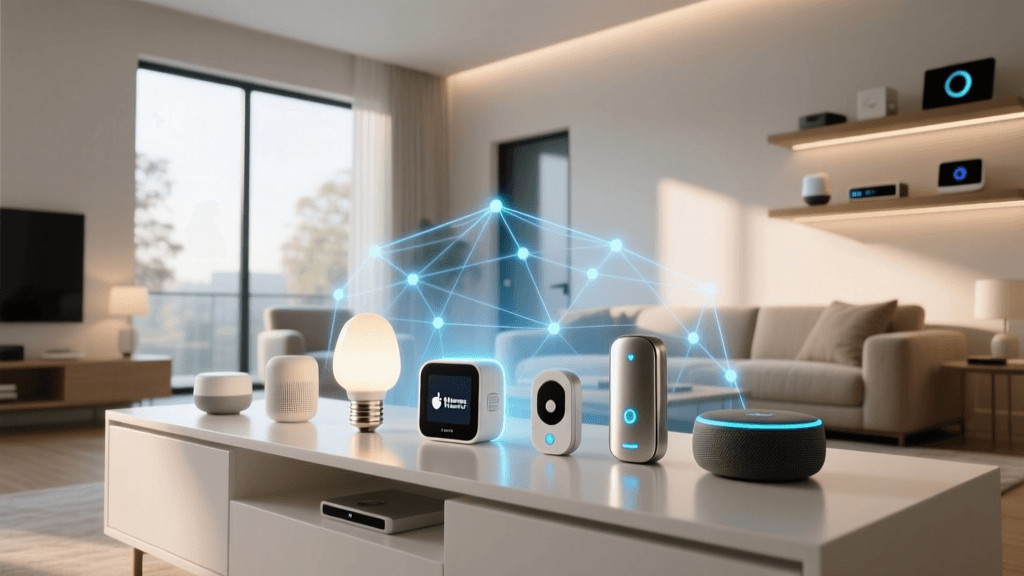
Smart bulbs, such as the Philips Hue White and Color Ambiance or WiZ LED bulbs, replace the physical bulb in the fixture. They contain built-in radios (Wi-Fi, Zigbee, or Bluetooth) and microcontrollers that allow for granular control over brightness, color temperature (from warm 2000K to daylight 5000K), and full RGB color spectrums. Smart bulbs are the undisputed champions for table lamps, floor lamps, and accent lighting where installing a smart wall switch is impossible.
However, smart bulbs suffer from the 'guest problem' and the 'cut-power dilemma.' If someone flips the traditional wall switch to the 'off' position, the smart bulb loses power and goes offline, rendering your app controls and automated schedules useless until the physical switch is turned back on. While accessories like wireless smart buttons (e.g., Philips Hue Dimmer Switch) can mitigate this, smart bulbs are generally not recommended for overhead, multi-bulb circuits like kitchens or hallways.
Smart Switches: The Gold Standard for Overhead Lighting
Smart switches, such as the Lutron Caseta, Leviton Decora Smart, or GE Cync, replace the traditional wall switch while allowing you to keep standard, inexpensive 'dumb' LED bulbs in the fixtures. This approach solves the cut-power dilemma; the switch remains permanently powered, maintaining network connectivity even if someone manually toggles the physical paddle. Smart switches are the superior choice for hardwired overhead lighting, recessed can lights, and exterior floodlights.
The Wiring Dilemma: Neutral Wires and Older Homes
The single biggest hurdle in the smart home vs. traditional home decision guide for lighting is the electrical wiring inside your walls. Most modern smart switches require a neutral wire (typically white) to complete their internal circuitry, keeping the switch's Wi-Fi or Zigbee radio powered even when the light itself is turned off.
Homes built before the mid-1980s frequently feature 'switch loops' where only a hot wire, a load wire, and a ground wire are present in the switch box. If you open your switch box and see only black, white (used as a hot traveler, often marked with black tape), and bare copper wires, you likely lack a neutral wire. According to the U.S. Department of Energy, upgrading electrical wiring to modern standards is a major renovation, meaning homeowners with older wiring must choose their hardware carefully.
The Solution: The Lutron Caseta system is renowned in the industry for its ability to operate without a neutral wire by utilizing a patented low-power radio frequency (Clear Connect) and an optional bypass capacitor installed at the light fixture. Conversely, most Wi-Fi-based smart switches (like those from Kasa or Leviton) strictly require a neutral wire, limiting their viability in older homes without electrical upgrades.
Protocols and Ecosystems: Wi-Fi, Zigbee, and Matter
When deciding on smart lighting, the underlying communication protocol dictates your system's reliability, speed, and bandwidth usage.
- Wi-Fi: Switches from brands like TP-Link Kasa connect directly to your router. While easy to set up without a hub, having 20+ Wi-Fi switches can overwhelm standard consumer routers, leading to dropped connections and network latency.
- Zigbee / Z-Wave: These mesh network protocols require a dedicated hub (like Samsung SmartThings or Amazon Echo). They keep traffic off your Wi-Fi network and actually strengthen the mesh as more devices are added, making them ideal for large homes.
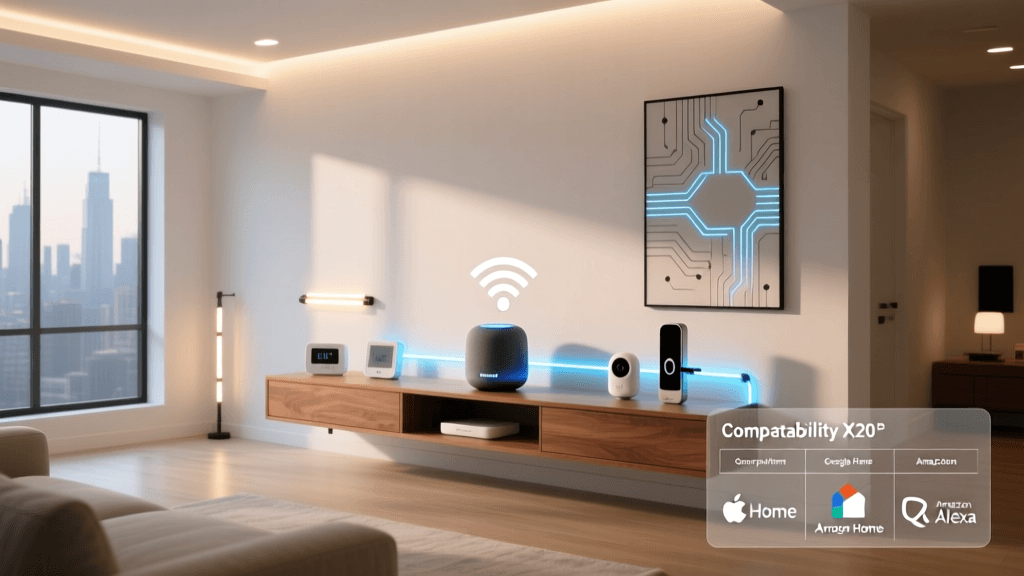
- Matter and Thread: The future of smart home interoperability is Matter. Backed by the Connectivity Standards Alliance (CSA), Matter ensures that devices work seamlessly across Apple HomeKit, Amazon Alexa, and Google Home without proprietary cloud dependencies. Thread, a low-power mesh networking protocol, serves as the transport layer for many Matter devices, offering enterprise-grade reliability and instant local response times.
Cost Analysis and Energy Efficiency
While traditional switches cost between $1 and $5 each, smart switches range from $25 to $70 per gang. However, the Total Cost of Ownership (TCO) must factor in energy savings, bulb lifespan, and installation. According to the Environmental Protection Agency (EPA), optimizing home energy usage through automated scheduling and dimming significantly reduces household carbon footprints.
Dimming an LED bulb by 20% reduces its energy consumption by nearly the same margin, while extending the bulb's lifespan exponentially. Smart switches enable automated dimming schedules (e.g., dropping brightness to 70% during evening hours) that traditional switches cannot achieve.
| Feature | Traditional Switches | Smart Bulbs | Smart Switches |
|---|---|---|---|
| Hardware Cost (per unit) | $2 - $5 | $15 - $50 | $30 - $70 |
| Installation Complexity | Low | None (Plug & Play) | Medium (Wiring required) |
| Neutral Wire Required | No | No | Usually Yes (Except Lutron) |
| Color Changing | No | Yes | No (Requires smart bulbs) |
| Guest Friendliness | High | Low (Cut power issue) | High |
| Network Congestion | N/A | High (if Wi-Fi) | Low (if Zigbee/Matter) |
5-Year Cost Projection for 10-Light Setup
Room-by-Room Decision Matrix
To optimize your budget and user experience, adopt a hybrid approach. You do not need to choose exclusively between smart bulbs and smart switches. Instead, deploy them based on the functional requirements of each room.
Living Rooms and Bedrooms: The Hybrid Approach
These spaces benefit immensely from color temperature tuning to support circadian rhythms. Use smart switches for the overhead recessed lighting to ensure guests can easily turn on the main lights. Pair this with smart bulbs in floor lamps, table lamps, and accent sconces to create layered, dynamic scenes (e.g., a 'Movie Time' scene that turns off the overheads and dims the lamps to a warm 2200K amber glow).
Kitchens and Bathrooms: High-Utility Zones
Kitchens and bathrooms require bright, consistent, and highly responsive lighting. Smart switches paired with high-CRI (Color Rendering Index) dumb LEDs are the mandatory choice here. You want immediate full brightness when you walk in at 2 AM, which can be achieved via smart switch motion sensor automations, without the latency sometimes associated with Wi-Fi smart bulbs waking up from a standby state.
Hallways, Staircases, and Exteriors: Automation and Security
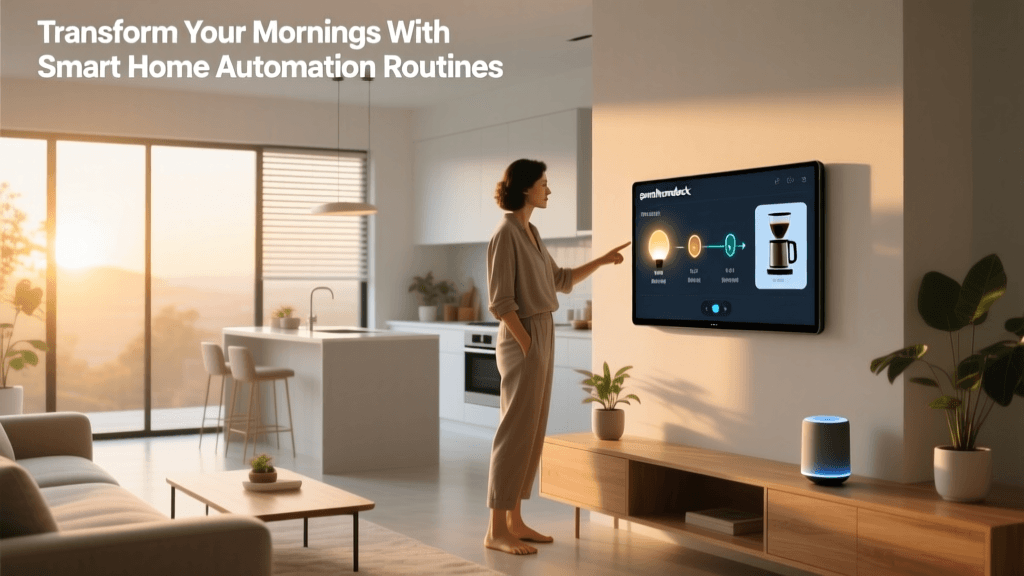
For multi-location hallways and staircases, smart switches eliminate the need for complex 3-way traveler wiring. Brands like Lutron and Leviton offer wireless companion switches that mount to the wall without any wires, communicating directly with the main smart switch. For exterior lighting, smart switches allow you to automate dusk-to-dawn schedules based on local sunset APIs, providing robust home security and curb appeal without relying on unreliable analog photocells.
Final Verdict: Bridging the Gap
The decision between smart home lighting and traditional infrastructure is not a binary one; it is a strategic layering of technologies. Traditional switches remain superior for low-budget, low-priority areas like closets or attics where automation offers negligible ROI. However, for the primary living spaces of your home, smart lighting automation transitions your house from a passive structure into an active, responsive environment.
For homeowners with modern wiring (post-1985), Matter-compatible smart switches offer the most robust, guest-friendly, and energy-efficient foundation. For those with older homes lacking neutral wires, specialized systems like Lutron Caseta bridge the gap, delivering premium smart home benefits without the need for invasive electrical rewiring. By understanding the electrical constraints, protocol differences, and use-case requirements outlined in this guide, you can design a lighting ecosystem that enhances your daily life while maximizing long-term energy savings.