The Shift to Proactive Aging in Place
Aging in place—the ability to live in one's own home and community safely, independently, and comfortably, regardless of age, income, or ability level—is the overwhelming preference for older adults. According to the National Institute on Aging, remaining in a familiar environment is deeply tied to emotional well-being and cognitive stability. Historically, aging in place relied on reactive tools like medical alert pendants or physical home modifications like grab bars and wheelchair ramps. Today, the smart home has revolutionized this space, shifting the paradigm from reactive emergency response to proactive, ambient assistance.
Smart home technology for seniors is not about replacing human care; it is about extending independence, reducing the physical toll of daily chores, and providing peace of mind to family caregivers. From voice-activated environments that eliminate the need to navigate dark hallways to intelligent sensors that monitor daily routines without invasive cameras, the modern smart home is a powerful accessibility tool. This guide explores the foundational devices, ecosystems, and setup strategies required to build a safe, accessible smart home for seniors.
Voice Assistants: The Accessibility Hub
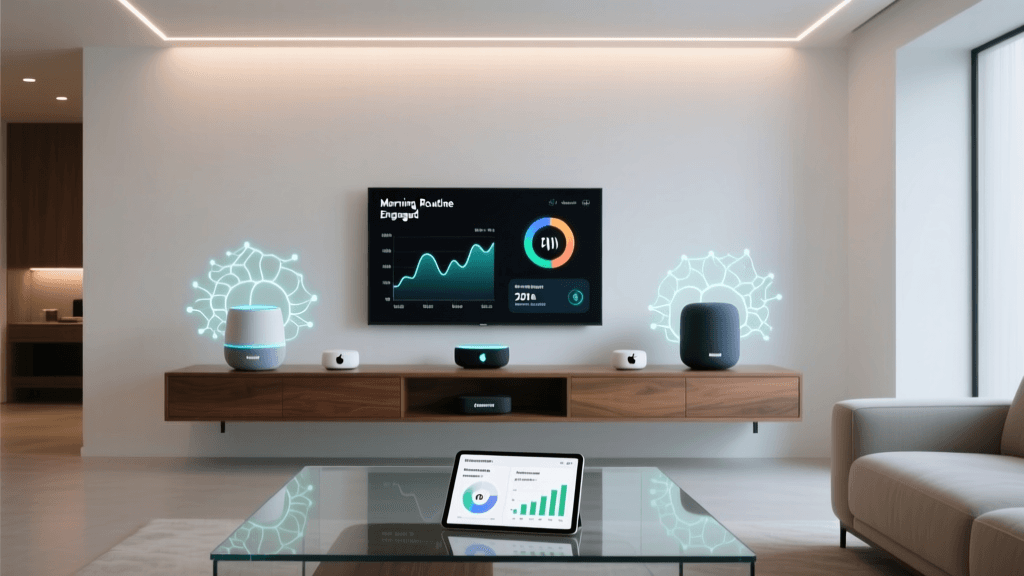
For individuals with limited mobility, arthritis, or visual impairments, physical touchscreens and small buttons can be significant barriers. Voice assistants bridge this gap by turning spoken commands into environmental control. However, not all smart displays and speakers are created equal when it comes to senior accessibility.
Amazon Echo Show 8 (3rd Gen) and Alexa Together
The Amazon Echo Show 8 is widely considered one of the best smart displays for seniors due to its 8-inch HD screen, which offers large, readable text and visual confirmation of commands. When paired with Alexa Together (a subscription service costing $19.99/month), family caregivers can remotely manage the senior's device, set up medication reminders, and receive activity alerts if the senior is unresponsive. The Echo Show 8 also supports 'Drop In,' an intercom feature that allows caregivers to instantly video call the senior's device in an emergency, bypassing the need for the senior to answer the call.
Apple HomePod mini and Accessibility Features
For seniors already entrenched in the Apple ecosystem, the HomePod mini ($99) offers seamless integration with iPhones and iPads. Apple's accessibility features, such as 'Announce Notifications' and advanced Siri voice recognition, are highly refined. The HomePod mini can act as an intercom and control HomeKit-enabled smart locks and lights, though its third-party device compatibility is narrower than Amazon's.
Automated Lighting and Fall Prevention
Falls are a leading cause of fatal and nonfatal injuries for older Americans. The Centers for Disease Control and Prevention reports that more than one in four older adults falls each year, and poor lighting is a major environmental hazard. Smart lighting eliminates the need to fumble for switches in the dark.
Motion-Activated Pathways
Using Philips Hue bulbs paired with Hue Motion Sensors, you can create automated lighting pathways. For example, when a sensor detects motion in the bedroom after 10:00 PM, the hallway and bathroom lights can automatically turn on to a dim, warm 20% brightness. This provides enough illumination to navigate safely without disrupting the senior's circadian rhythm or causing glare. A Philips Hue Starter Kit with a motion sensor typically costs between $150 and $200.
Smart Switches for Hardwired Reliability
For seniors who may forget to use voice commands or apps, smart switches like the Lutron Caseta Wireless Dimmer ($60 per switch) are ideal. They replace the physical wall switch, meaning the light can still be controlled manually by anyone entering the room, while also offering scheduling, geofencing, and voice control in the background. Lutron's Clear Connect RF protocol is exceptionally reliable and does not rely on home Wi-Fi, ensuring the lights work even if the internet goes down.
Security, Access, and Video Doorbells
Cognitive decline or general vulnerability can make seniors targets for scams or porch piracy. Smart security devices provide a protective barrier that allows seniors to vet visitors without opening the door.
Video Doorbells with Two-Way Audio
The Ring Video Doorbell Wired ($65) or the Google Nest Doorbell ($180) allows seniors to see and speak to visitors via a smart display or tablet. This is crucial for verifying the identity of delivery personnel or caregivers before unlocking the door. For seniors with hearing impairments, these doorbells can be integrated with smart speakers or smart lights to flash visually when someone is at the door.
Smart Locks and Caregiver Access
Smart locks, such as the Yale Assure Lock 2 ($160), eliminate the need for physical keys, which can be easily lost or dropped. More importantly, they allow family members to generate temporary or permanent PIN codes for visiting nurses, housekeepers, or emergency responders. If a senior falls and calls a family member, the caregiver can remotely unlock the door via their smartphone to let paramedics in.
Climate Control and Health Monitoring
Seniors are disproportionately affected by extreme temperatures due to decreased thermoregulation. A smart thermostat is not just a convenience; it is a health and safety device.
Ecobee Smart Thermostat Premium
The Ecobee Smart Thermostat Premium ($250) includes built-in room sensors that detect occupancy and temperature. If a senior spends most of their day in a specific living room, the thermostat ensures that room is comfortable, rather than basing the temperature on an empty hallway. Furthermore, Ecobee can monitor indoor air quality and alert caregivers via the app if the home becomes dangerously hot or cold, which could indicate a broken HVAC system or an open window in winter.
Device Comparison and Cost Breakdown
When building an accessible smart home, it is vital to balance upfront costs with ongoing subscription fees and ecosystem compatibility. Below is a comparison of foundational devices for aging in place.
| Device Category | Recommended Product | Est. Cost | Key Accessibility Feature | Ecosystem |
|---|---|---|---|---|
| Smart Display | Amazon Echo Show 8 (3rd Gen) | $150 | Visual cues, Alexa Together caregiver app | Amazon Alexa |
| Smart Lighting | Philips Hue + Motion Sensor | $180 | Automated midnight pathways, fall prevention | Hue / Matter |
| Video Doorbell | Ring Video Doorbell Wired | $65 | Two-way audio, visual doorbell alerts | Amazon Alexa |
| Smart Lock | Yale Assure Lock 2 | $160 | Keyless entry, remote caregiver unlock | Apple / Alexa / Google |
| Thermostat | Ecobee Smart Thermostat Premium | $250 | Room sensors, extreme temp alerts | Apple / Alexa / Google |
Smart Home Adoption Rates for Aging in Place
Setting Up for Accessibility: Actionable Advice
Buying the devices is only the first step. The true value of a smart home for seniors lies in how the system is programmed and maintained. Here are critical setup strategies to ensure the technology serves the user, rather than frustrating them.
1. Create 'No-Friction' Routines
Do not expect seniors to remember complex voice commands. Program single-phrase routines. For example, a 'Goodnight' routine should lock the doors, turn off all lights, lower the thermostat, and turn on the hallway motion sensor. An 'Emergency' routine (triggered by saying 'Alexa, I need help') can flash all smart lights red, set the smart volume to maximum, and initiate a Drop-In call to a designated caregiver's phone.
2. Invest in a Mesh Wi-Fi Network
A smart home is only as reliable as its network. Dead zones can cause smart locks to fail or motion sensors to lag. Invest in a mesh Wi-Fi system like the Amazon eero 6 ($200 for a 3-pack) to ensure blanket coverage. Furthermore, prioritize devices that use local protocols like Matter over Thread or Zigbee (via a hub). These protocols allow devices to communicate locally, meaning your automated lights and locks will continue to function even if your broadband internet connection drops.
3. Register Voice Profiles
Both Amazon Alexa and Apple Siri support voice profiles. Registering the senior's voice ensures that the assistant recognizes them specifically, which can be useful for personalized routines or preventing the TV from misinterpreting background dialogue as a command. It also allows the system to recognize if a different, unfamiliar voice is attempting to control the home.
Privacy, Security, and Consent
Introducing cameras and microphones into a senior's home raises valid privacy concerns. It is essential to balance safety with dignity. The World Health Organization emphasizes that aging populations deserve environments that respect their autonomy and privacy.
- Physical Shutters: Always choose smart displays and cameras that feature physical privacy shutters or hardware-level microphone disconnect buttons. The Lenovo Smart Display and Amazon Echo Show both include physical camera shutters, giving seniors visual confirmation that they are not being watched.
- Camera Placement: Never place video cameras in private areas like bedrooms or bathrooms. Rely on motion sensors, door contact sensors, and smart plugs in these areas to monitor activity (e.g., knowing the bathroom light was turned on and off) without capturing video.
- Data Sharing Consent: Have an open conversation with the senior about what data is being shared with caregivers. Explain how Alexa Together or Apple Health sharing works, ensuring they feel in control of their digital footprint.
Conclusion
Smart home technology has fundamentally redefined what it means to age in place. By thoughtfully integrating voice assistants, automated lighting, secure access, and environmental monitors, families can create a supportive, invisible safety net that honors the senior's desire for independence. The key to success lies not in purchasing the most expensive gadgets, but in selecting reliable, accessible devices and programming them to anticipate needs before they become emergencies. As protocols like Matter improve interoperability and AI becomes better at understanding natural speech, the smart home will only become a more powerful ally in supporting our aging population.