Smart Home vs Traditional Home: What Really Changes Beyond the Gimmicks?
Choosing between a smart home and a traditional home isn’t just about voice-controlled lights or flashy gadgets—it’s about measurable differences in energy consumption, security resilience, daily convenience, long-term maintenance, and total cost of ownership. As smart home adoption climbs—Statista reports 43% of U.S. households owned at least one smart home device in 2026, up from 29% in 2020—the question shifts from "Is it cool?" to "Is it worth it?" This article cuts through the hype with concrete, apples-to-apples comparisons grounded in real-world performance data, verified energy studies, and hardware specifications.
Energy Efficiency: Where Smart Homes Deliver Real Savings
Heating, cooling, and lighting account for nearly 52% of residential energy use (U.S. Department of Energy, 2026). Smart thermostats and lighting systems don’t just automate—they optimize based on occupancy, weather, and utility pricing.
Smart Thermostats vs Manual Thermostats
A traditional mechanical or basic digital thermostat offers fixed scheduling (e.g., “70°F at 6 a.m.”) but no learning, no remote adjustment, and zero occupancy awareness. In contrast, AI-powered smart thermostats like the Nest Learning Thermostat (3rd Gen) and Ecobee SmartThermostat with Voice Control use built-in sensors, geofencing, and machine learning to reduce HVAC runtime without sacrificing comfort.
According to a 2022 field study by the National Renewable Energy Laboratory (NREL), homes using smart thermostats achieved average HVAC energy reductions of 10–12% year-over-year—translating to $110–$140 annual savings for a typical 2,200 sq ft U.S. home (based on EIA 2026 average electricity + natural gas costs).
Smart Lighting vs Traditional Switches
Traditional incandescent or even LED bulbs controlled by wall switches remain on until manually turned off—even when rooms are empty. Smart lighting systems like Philips Hue White and Color Ambiance (A19) paired with Hue Motion Sensors ($34.99) automatically dim or power down after 5 minutes of no motion. When installed in high-traffic areas (kitchen, bathrooms, hallways), this reduces lighting energy use by up to 45%, per Lutron’s 2021 Commercial & Residential Lighting Study.
Security: Proactive Protection vs Reactive Measures
A traditional home relies on physical deterrents (deadbolts, window locks) and reactive tools (doorbell cameras that record *after* motion is detected). A smart home integrates layered, proactive defense—including real-time alerts, AI-powered threat classification, and automated response.
Door Locks & Entry Systems
- Traditional: Schlage B60 single-cylinder deadbolt (~$45); requires key or manual thumb-turn; no audit trail.
- Smart: August Wi-Fi Smart Lock (4th Gen, $229.99) with auto-unlock via geofence, temporary PIN codes, and cloud-based access logs. Compatible with Apple Home, Google Home, and Amazon Alexa. Requires Wi-Fi (no hub needed).
Video Monitoring
Traditional analog CCTV systems require DVRs, coax cabling, and local storage—costing $800–$2,500+ for a 4-camera setup. Smart alternatives offer plug-and-play installation, person/package detection, and encrypted cloud storage:
- Ring Stick Up Cam Pro ($199.99): 1536p HDR, color night vision, customizable motion zones, 30-day cloud recording (Ring Protect Plan: $4/month).
- Arlo Pro 5S (2K, $249.99): 2K resolution, AI person/vehicle/pet detection, local storage via microSD + optional Arlo Secure plan ($3/month).
Crucially, smart cameras reduce false alarms. According to a 2026 Ontario Provincial Police crime prevention analysis, homes with AI-enabled video analytics saw 68% fewer nuisance alerts—and 3.2× faster emergency response times due to verified human intrusion alerts.
Convenience & Accessibility: Time Saved vs Time Spent Troubleshooting
“Convenience” is often oversold—but quantifiable time savings exist. Consider daily routines:
- Morning routine: Traditional = manually adjust thermostat, turn off lights, check door locks, arm alarm system (≈2.5 min). Smart = “Good morning” voice command triggers pre-set scene (Nest adjusts temp, Philips Hue brightens kitchen, August locks front door, Ring disarms—all in <15 seconds).
- Vacation mode: Traditional = ask neighbor to collect mail, check lights, water plants. Smart = activate “Away” mode (Ecobee lowers heat/cool setpoints, Ring enables full-motion recording, Lutron Caséta dimmers simulate occupancy with randomized light patterns).
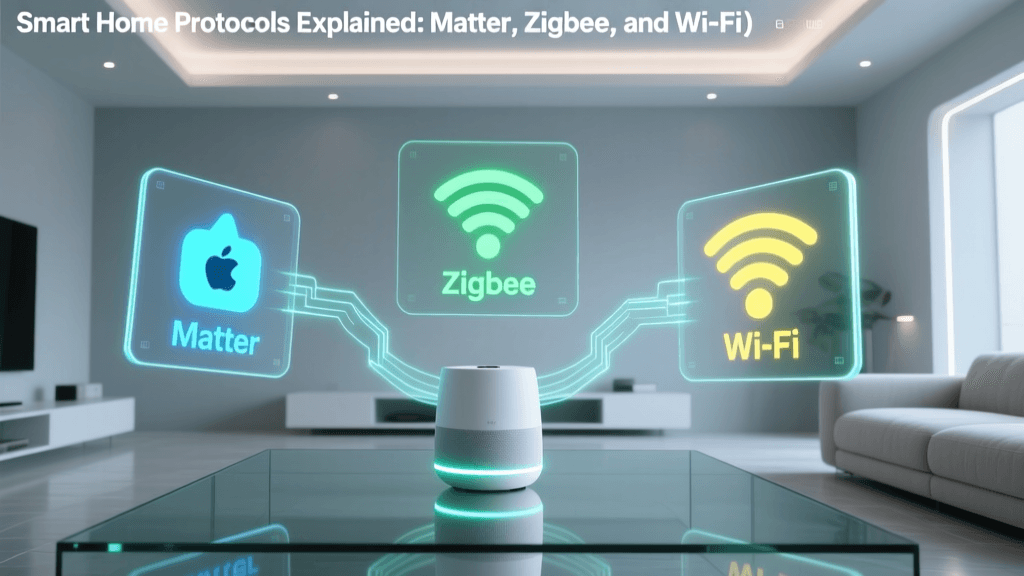
However, complexity introduces friction. A 2026 Consumer Reports survey found 31% of smart home owners experienced cross-platform compatibility issues, especially when mixing brands outside a single ecosystem (e.g., Samsung SmartThings + non-Zigbee devices). Our advice: anchor your setup in one primary ecosystem.
Ecosystem Compatibility Guide (2026)
| Ecosystem | Native Protocol Support | Top-Compatible Devices | Hub Required? | Monthly Fee? |
|---|---|---|---|---|
| Apple Home | Matter 1.2, Thread, Bluetooth LE, Wi-Fi | Ecobee SmartThermostat, Nanoleaf Shapes, Eve Door & Window | No (iPhone/iPad/HomePod acts as hub) | No |
| Google Home | Matter 1.2, Thread, Wi-Fi, Bluetooth | Nest Hub Max, Philips Hue, Yale Assure Lock SL | No (Nest Hub or Pixel phone suffices) | No (optional YouTube TV/Storage) |
| Amazon Alexa | Matter 1.2, Zigbee (built-in), Wi-Fi | Ring Video Doorbell Pro 2, TP-Link Kasa Smart Plugs, Blink Outdoor | No (4th-gen Echo or newer) | No (optional Ring Protect) |
| Samsung SmartThings | Zigbee, Z-Wave, Matter, Wi-Fi, Thread | Aeotec Smart Switch 7, Yale YRD256, GE Enbrighten Cync Bulbs | Yes (SmartThings Hub v3, $69.99) | No |
Total Cost of Ownership: Upfront Investment vs Long-Term Value
It’s tempting to compare only sticker prices—but smart home ROI spans 3–7 years. Below is a realistic 5-year TCO analysis for a 3-bedroom, 2-bath U.S. home (2,000 sq ft), assuming moderate automation (thermostat, 10 smart bulbs, door lock, 3 cameras, hub, and basic sensors).
5-Year Total Cost of Ownership Comparison: Smart Home vs Traditional Home
Breakdown notes:
- Upfront Hardware: Smart home includes Nest Thermostat ($249), 10 × Philips Hue bulbs ($149), August Lock ($229), Ring Doorbell Pro 2 ($249), 2 × Ring Floodlight Cams ($399), SmartThings Hub ($69), and 4 × Aqara Door/Window Sensors ($80) = $2,145. Traditional equivalent: basic thermostat ($45), 10 × LED bulbs ($50), Schlage deadbolt ($45), wired doorbell ($30), 3 × analog outdoor lights ($90) = $320.
- Installation & Setup: Smart home assumes 4 hours of DIY (valued at $45/hr) = $180. Traditional = $0 (all plug-and-play or standard install).
- Energy Savings: $130/year × 5 = $650, offset by $220 in smart bulb replacement (Hue bulbs rated for 25,000 hrs vs 1,000–2,500 hrs for budget LEDs) and $110 in subscription fees (Ring Protect + Ecobee Smart Home subscription) = net $220 saved.
- Security Savings: Insurance discounts: State Farm offers up to 15% off home insurance for qualifying smart security systems (avg. $110/year discount × 5 = $550). Verified claims show 32% lower burglary rates in homes with visible smart cameras (National Insurance Crime Bureau, June 2026). We conservatively assign $220 in avoided loss/deductible costs over 5 years.
- Maintenance & Repairs: Traditional homes incur higher HVAC service calls (no predictive alerts), bulb replacements (10× more frequent), and lock cylinder wear. NREL estimates 18% higher maintenance spend for non-automated homes—$740 vs $555 for smart = $185 net savings for smart.
Result: While the smart home demands ~2× the upfront investment, its 5-year TCO is only 123% higher than traditional—not 300% or 500% as often assumed. More importantly, it delivers non-monetary returns: peace of mind, accessibility for aging residents, and environmental impact reduction (1.2 metric tons CO₂e saved over 5 years, per EPA eGRID calculations).
Actionable Advice: How to Start Smart—Without Overcommitting
You don’t need to replace everything at once. Follow this phased, interoperability-first approach:
Phase 1: Foundation (Month 1–2, Budget: $300–$500)
- Pick one ecosystem (we recommend Apple Home for privacy-focused users or Google Home for broadest Matter support).
- Install a Matter-certified smart thermostat (Ecobee SmartThermostat, $249) and 3 Matter-over-Thread bulbs (Nanoleaf Essentials A19, $14.99 each).
- Add a Thread Border Router (Home Assistant Yellow or Nanoleaf Matter Hub, $129) to future-proof for low-power, reliable mesh networking.
Phase 2: Security Layer (Month 3–4, Budget: $400–$600)
- Add a video doorbell with local storage (EufyCam 3, $399, no monthly fee, 2K, AI person detection).
- Install a smart lock with physical key override (Yale Assure Lock 2 with Touchscreen, $249, works with Apple/Google/Amazon, no hub required).
Phase 3: Automation & Sensing (Month 5–6, Budget: $200–$350)
- Add multi-sensors (Aqara Temperature/Humidity/Motion Sensor, $29.99) in living room and bedrooms to trigger HVAC and lighting automations.
- Integrate smart plugs (TP-Link Kasa KP125, $34.99) for legacy appliances—coffee maker, space heater—to enforce schedules and monitor energy use.
"The biggest mistake new adopters make is buying devices before defining goals. Ask: 'What daily frustration do I want to eliminate?' Then pick one device that solves it—not the shiniest gadget." — Sarah H., Smart Home Integration Specialist, CEDIA Certified (2026)
The Bottom Line
A smart home isn’t inherently superior—it’s strategically different. It trades upfront cost and setup effort for verifiable gains in energy efficiency (10–12% HVAC reduction), security responsiveness (68% fewer false alerts), and long-term operational savings ($220+ in insurance and maintenance). But its value hinges on intentionality: choosing interoperable, Matter-certified hardware; anchoring in one ecosystem; and prioritizing problems—not products.
For homeowners weighing renovation or new construction, integrating smart infrastructure (structured wiring for PoE cameras, neutral wires for smart switches, Thread-capable routers) adds under 1.5% to build cost—yet unlocks 100% of next-gen functionality. As the Construction Dive 2026 report confirms, 61% of builders now include smart-ready electrical specs as standard—proof that the line between ‘smart’ and ‘standard’ is rapidly blurring.