Introduction: The Shift from Reactive to Proactive Living
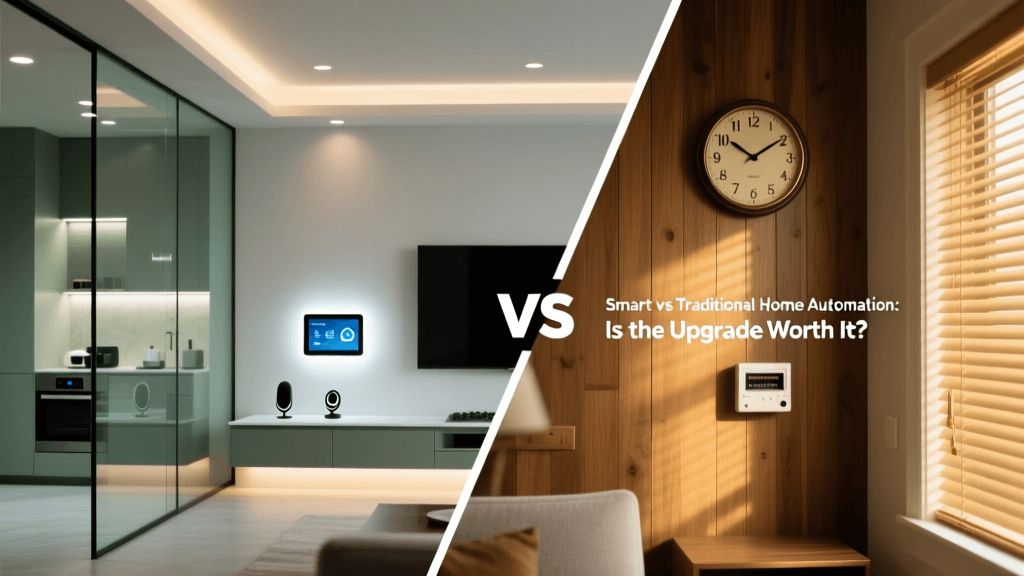
The smart home industry is standing on the precipice of a massive paradigm shift. For the past decade, home automation has been largely defined by remote control and reactive routines. You press a button on your phone to turn off the lights, or a motion sensor triggers a camera recording when someone walks past. While convenient, this model requires constant human input and rigid programming. The future of smart home technology is moving away from these manual interventions toward proactive, context-aware environments.
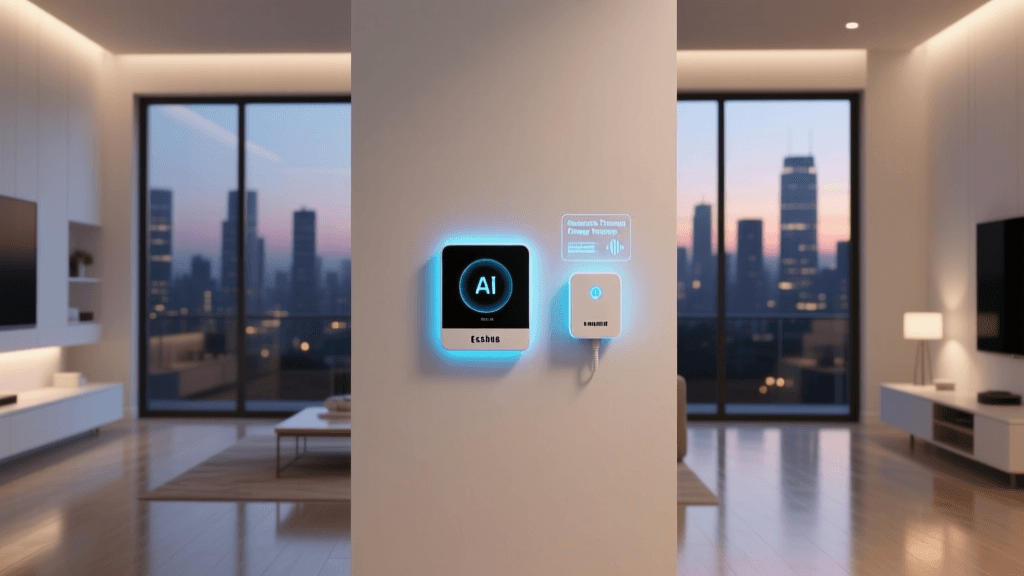
As we look toward the next horizon of home automation, two foundational technologies are driving this evolution: the universal interoperability promised by the Matter protocol, and the integration of localized Artificial Intelligence (AI) that learns and anticipates your needs. Together, these innovations are transforming houses from collections of connected gadgets into cohesive, intelligent ecosystems that manage energy, enhance security, and adapt to your lifestyle without you ever needing to open an app.
The Matter Protocol: Unifying the Fragmented Ecosystem
One of the most significant barriers to smart home adoption has been fragmentation. Consumers have long struggled with the frustration of buying a smart lock that only works with one voice assistant, or a lighting system that requires a proprietary hub incompatible with the rest of their devices. The introduction of the Matter protocol is fundamentally solving this problem.
Developed by the Connectivity Standards Alliance (CSA), Matter is an open-source, royalty-free connectivity standard that allows smart home devices to communicate seamlessly across different ecosystems. Whether you use Apple HomeKit, Amazon Alexa, Google Home, or Samsung SmartThings, a Matter-certified device will work natively with all of them simultaneously.
How Matter Changes the Hardware Landscape
Matter operates on the application layer, meaning it can run over existing networking protocols like Wi-Fi, Ethernet, and Thread. This universality means manufacturers no longer need to produce separate SKUs for different platforms. For the consumer, this translates to lower costs, wider compatibility, and an end to the 'walled garden' approach that has plagued the industry.
| Protocol | Topology | Cloud Dependent? | Interoperability |
|---|---|---|---|
| Wi-Fi (Legacy) | Star | Yes | Low (Brand locked) |
| Zigbee | Mesh | No | Medium (Hub required) |
| Z-Wave | Mesh | No | Medium (Proprietary) |
| Matter (over Thread) | Mesh | No | High (Universal) |
By standardizing the language devices use to talk to one another, Matter ensures that a Nanoleaf smart bulb, an Eve Energy smart plug, and a Yale smart lock can trigger a unified 'Goodnight' scene without relying on a third-party cloud server to translate the commands.
Thread Networking: The Invisible Backbone
To fully understand the future of Matter, one must understand Thread. While Matter is the language devices speak, Thread is the highway they travel on. Thread is a low-power, wireless mesh networking protocol designed specifically for IoT devices.
Unlike Wi-Fi, which connects every device directly to a central router (often overwhelming the network when you have 50+ smart bulbs and sensors), Thread devices connect to each other. Each plugged-in Thread device acts as a node, extending the network's range and creating a self-healing mesh. If one node fails, the data simply reroutes through another path.
The Rise of the Thread Border Router
Thread networks require a 'Border Router' to bridge the local mesh network to your home's Wi-Fi and the broader internet. Instead of buying a dedicated, expensive hub, the future utilizes devices you already own. Modern Apple TVs, HomePods, Amazon Echo smart speakers, and Google Nest Hubs all feature built-in Thread Border Routing capabilities. As you upgrade your primary smart displays and streaming boxes, you are simultaneously building a robust, enterprise-grade mesh network for your low-power sensors and locks.
AI and Predictive Automation: Beyond Basic Routines
The current generation of smart homes relies on deterministic logic: 'If motion is detected, turn on the light.' The next generation relies on probabilistic AI and machine learning. Predictive automation analyzes historical data, environmental variables, and user behavior to make autonomous decisions that optimize comfort and efficiency.
Context-Aware Climate Control
Consider the evolution of the smart thermostat. Early models allowed you to set schedules via an app. Today's models, like the Ecobee Smart Thermostat Premium, use remote room sensors and basic occupancy logic. The future iteration, however, integrates with local weather forecasts, your smartphone's GPS (geofencing), and even your smart grid provider's time-of-use pricing.
An AI-driven HVAC system will pre-cool your home during off-peak hours when electricity is cheap, leveraging the thermal mass of your house. It will recognize that you typically return home at 5:30 PM, but if it detects via your vehicle's API that you are stuck in uncharacteristic traffic, it will automatically delay the energy-intensive cooling cycle until you are three miles away. This moves the home from a reactive state to a predictive one, saving consumers up to 20% on annual heating and cooling costs without sacrificing comfort.
Behavioral Lighting and Circadian Rhythm Syncing
Future lighting systems will move beyond simple color-changing capabilities. Utilizing ambient light sensors and AI, smart lighting will dynamically adjust color temperature and intensity to match your circadian rhythm. If the system's AI recognizes that you are working late at your desk based on your PC's activity and room occupancy, it will maintain a cool, 5000K daylight spectrum to promote focus. Once you move to the living room and begin watching a movie, it will seamlessly transition to a warm, 2200K amber glow, promoting melatonin production for better sleep.
Energy Management and Smart Grid Integration
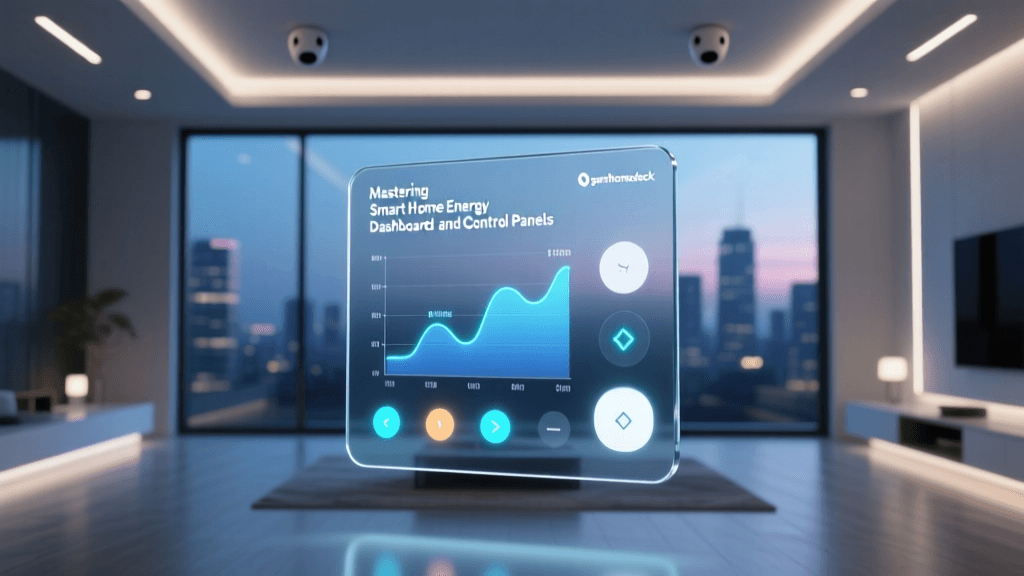
As homes become more electrified—with EV chargers, heat pumps, and solar arrays—managing energy consumption is becoming a critical function of the smart home. The future lies in deep integration with the smart grid, a modernized electrical grid that uses digital communications technology to detect and react to local changes in usage.
According to the U.S. Department of Energy Smart Grid initiatives, the integration of residential energy resources is vital for grid stability. In the near future, your home's energy management system (EMS) will negotiate directly with your utility provider.
Vehicle-to-Home (V2H) and Bidirectional Charging
Electric vehicles are essentially massive rolling batteries. With the advent of bidirectional charging standards, your EV will act as a backup generator for your smart home during grid outages. An AI-driven EMS will monitor local weather alerts for incoming storms, automatically pause your EV's charging cycle, and ensure the battery is at 100% capacity to prepare for a potential grid failure. During peak pricing hours, your home could even draw power from your EV to run high-load appliances, effectively arbitraging energy prices.
Smart Electrical Panels
Devices like the Span Smart Electrical Panel represent the bleeding edge of home energy management. Instead of a dumb breaker box, Span replaces it with a software-defined panel that allows you to control individual circuits via an app. In a future AI-integrated setup, if the power goes out and you are running on battery backup, the AI will automatically cut power to non-essential circuits (like the guest bedroom outlets or EV charger) to extend the lifespan of your backup battery, while keeping the refrigerator and Wi-Fi router online.
Edge Computing: Solving the Privacy and Latency Crisis
As smart homes incorporate cameras, microphones, and behavioral tracking, privacy concerns naturally escalate. Sending continuous streams of video and audio data to the cloud for processing is not only a privacy risk but also a bandwidth nightmare. The industry's solution is Edge Computing—processing data locally on the device or a local hub rather than in a remote data center.
Local AI Processing
Future smart cameras and voice assistants will feature dedicated Neural Processing Units (NPUs) capable of running complex AI models locally. A smart doorbell will be able to distinguish between a delivery driver, a stray animal, and a family member without ever sending a video frame to the cloud. Voice commands will be processed locally, resulting in near-zero latency and ensuring that private conversations are never transmitted to corporate servers. This shift to edge computing will be a major selling point for privacy-conscious consumers, allowing the home to be 'smart' without being 'surveilled'.
How to Future-Proof Your Smart Home Today
While the full realization of these predictive, AI-driven ecosystems is still on the horizon, the foundational hardware is available today. If you are building or upgrading a smart home, here are actionable steps to ensure your setup is ready for the future:
- Prioritize Thread and Matter: When purchasing new sensors, smart plugs, or lighting, look for the official Matter badge. Ensure the devices support Thread rather than relying solely on Wi-Fi to keep your network uncongested.
- Invest in Border Routers: Upgrade your central smart displays (like the Echo Show 15 or Nest Hub Max) and streaming devices (Apple TV 4K) to models that double as Thread Border Routers. This builds the mesh network required for future low-power devices.
- Choose Local-First Hubs: Opt for home automation controllers that prioritize local processing, such as Home Assistant or Hubitat. These platforms allow you to run complex AI routines and integrations without relying on cloud servers, ensuring your home continues to function even if your internet connection drops.
- Upgrade Your Electrical Infrastructure: If you are planning a major renovation or installing solar/EV chargers, consult an electrician about installing a smart panel or a dedicated home energy management system to prepare for dynamic utility pricing and V2H integration.
The Bottom Line: The smart home of the future is not about controlling more devices from your phone; it is about needing to control fewer devices because the home already knows what you need. By investing in open standards like Matter and Thread today, you are laying the groundwork for an AI-driven, energy-efficient home that works for you, not the other way around.