The dream of living in a fully automated smart home is more accessible today than ever before. Imagine waking up to motorized blinds that slowly let in the morning sun, a coffee maker that brews your favorite roast on a schedule, and a security system that seamlessly disarms as you pull into the driveway. But for most homeowners and renters looking to upgrade their living spaces, one pressing question remains: smart home how much does it actually cost?
The answer is not a simple flat rate. The cost of a smart home is highly variable, depending entirely on the scope of your project, the quality of the devices you choose, and whether you plan to install everything yourself or hire a professional integrator. You can dip your toes into home automation for a few hundred dollars, or you can invest tens of thousands into a luxury, hardwired estate system.
In this comprehensive guide, we will break down the true costs of building a smart home. We will explore budget tiers, provide a room-by-room pricing breakdown, uncover the hidden fees that catch many beginners off guard, and analyze the long-term return on investment. Whether you are working with a strict budget or planning a high-end custom build, this guide will help you allocate your funds wisely.
The True Cost of a Smart Home: Budget vs. Premium
When asking 'smart home how much,' it helps to categorize setups into three distinct tiers. Understanding these tiers will help you align your expectations with your bank account.
Tier 1: The Starter Kit ($300 to $800)
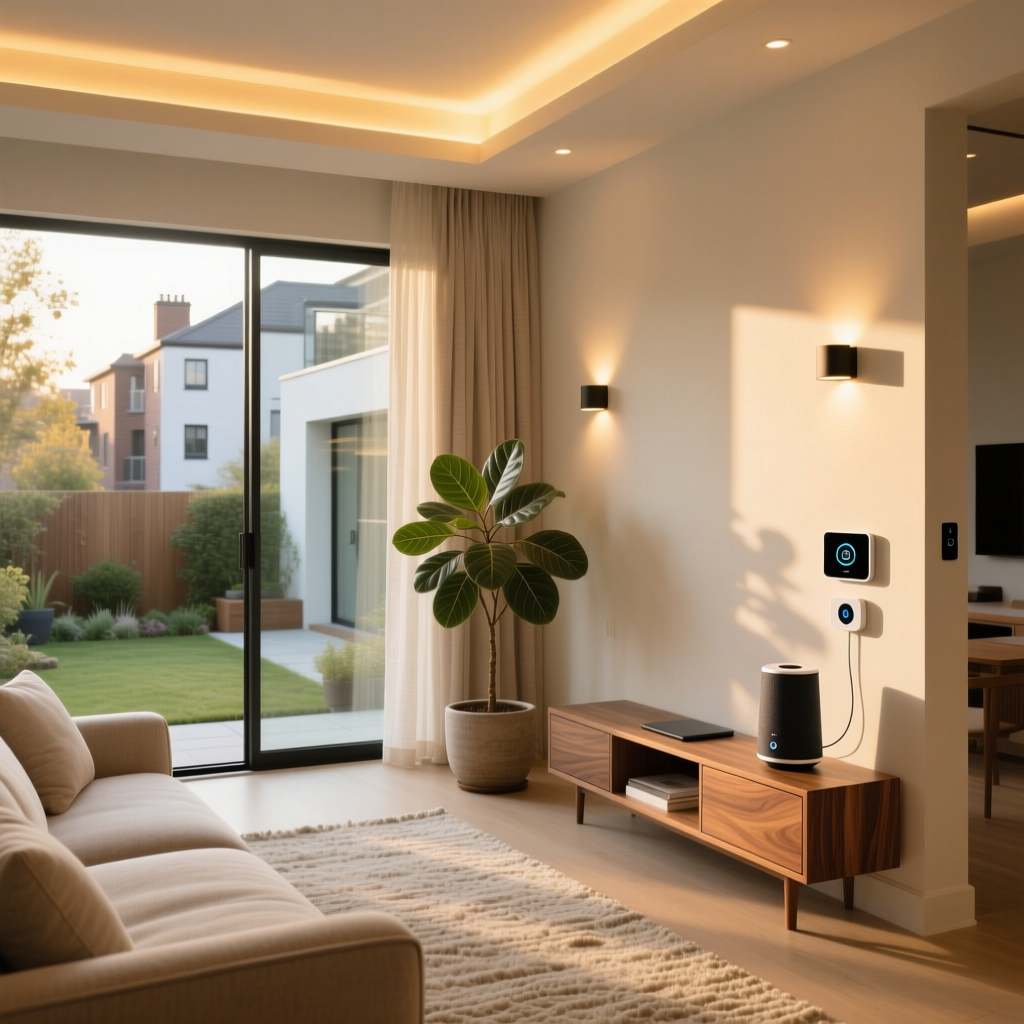
The entry-level tier is perfect for renters, apartment dwellers, or homeowners who want to test the waters without committing to major renovations. This budget relies heavily on Wi-Fi-enabled devices that connect directly to your existing router. A typical starter kit includes a smart speaker or display, a video doorbell, a couple of smart plugs, and a few color-changing smart bulbs. While these devices are affordable and easy to install, they can clutter your Wi-Fi network if you add too many of them, and they often lack the reliability of dedicated smart home networks.
Tier 2: The Enthusiast ($1,500 to $5,000)
This is the sweet spot for most modern homeowners. At this level, you are moving beyond simple Wi-Fi gadgets and investing in dedicated smart home hubs that utilize low-power mesh networks like Zigbee, Z-Wave, or Thread. A mid-range budget covers hardwired smart light switches, a premium smart thermostat, a robust smart lock, multi-room audio, and a comprehensive security camera system. This tier offers a seamless, automated experience that feels truly integrated into the fabric of your home.
Tier 3: The Luxury Custom Build ($15,000 to $100,000+)
Luxury smart homes are designed from the ground up, often during new construction or major gut renovations. These systems utilize enterprise-grade networking, dedicated server racks, and premium hardwired ecosystems like Control4, Savant, or Lutron RadioRA. Costs in this tier include motorized window treatments, whole-home audio with in-ceiling speakers, dedicated home theater automation, and professional programming. You are paying not just for premium hardware, but for the expertise of a certified custom integrator.
Room-by-Room Breakdown: Where Does the Money Go?
To truly understand where your budget is going, it helps to look at home automation on a room-by-room basis. Different areas of the home require different technologies, and the costs can vary wildly depending on your priorities.
Entryway & Security ($300 to $2,500)
Security is often the primary gateway into the smart home world. A basic video doorbell and a single indoor camera might only cost $200. However, a comprehensive smart security setup that includes a smart lock, outdoor floodlight cameras, window sensors, and a monitored alarm panel can easily push the budget past $1,500. Security devices offer immense peace of mind, but they are also the category most likely to require ongoing monthly subscription fees for cloud video storage.
Lighting & Ambiance ($200 to $4,000)
Smart lighting is one of the most transformative upgrades you can make, but the pricing structure is deceptive. Smart bulbs are cheap upfront (around $15 to $50 each), but outfitting an entire house with them becomes incredibly expensive and problematic if someone flips a physical wall switch. The better, albeit more expensive, route is replacing your wall switches with smart switches. As detailed in our smart lighting guide, hardwired switches cost between $50 and $100 each, plus the cost of an electrician if you are not comfortable working with mains voltage.
Climate Control ($150 to $800)
Climate control is a relatively inexpensive category that offers massive returns. A top-tier smart thermostat costs between $150 and $300. If you have a larger home with multiple HVAC zones, or if you want to add smart radiator valves and automated smart vents to control temperatures on a per-room basis, your climate budget will climb closer to the $800 mark.
Entertainment & Living Spaces ($500 to $5,000+)
The living room is where entertainment budgets can spiral. While a basic streaming stick costs under $50, integrating your TV, soundbar, receiver, and lighting into a single 'Movie Night' automation routine requires a more robust hub. If you decide to add multi-room audio systems like Sonos or Bose, expect to spend several hundred dollars per room.
Hidden Costs: Subscriptions, Hubs, & Infrastructure
When researching smart home how much it costs to build, many buyers only look at the retail price of the devices on the shelf. However, the hidden costs of home automation can significantly inflate your long-term budget.
Cloud Subscriptions
Many of the most popular smart home devices, particularly security cameras and video doorbells, operate on a 'hardware-as-a-loss' model. The manufacturer sells you the camera at a low price but requires a monthly subscription to unlock essential features like continuous video recording, package detection, and extended cloud storage. A single camera subscription might cost $5 a month, but if you have five cameras around your property, you are suddenly paying $25 to $50 every month. Over a few years, these subscriptions can cost more than the hardware itself.
Networking & Infrastructure
A smart home is only as reliable as the network it runs on. If you have 40 smart devices trying to communicate through a standard router provided by your internet service provider, your network will likely crash. Upgrading to a high-quality Mesh Wi-Fi system is practically mandatory for mid-to-large homes, adding $200 to $600 to your initial setup cost. Furthermore, investing in local smart home hubs ensures your automations continue to run even if your internet connection goes down.
Electrical & Professional Labor
While many smart devices are marketed as 'DIY friendly,' hardwired devices like smart switches, smart thermostats (which often require a new C-wire), and wired security cameras require electrical work. If you are not confident in your DIY skills, hiring a licensed electrician will typically cost between $75 and $150 per hour. Outfitting a whole house with smart switches can easily add $500 to $1,000 in labor costs alone.
Return on Investment: Energy Savings & Home Value
While the upfront costs of a smart home can seem daunting, it is crucial to view home automation not just as an expense, but as an investment. Smart homes can actually pay for themselves over time through energy savings and increased property valuation.
Energy Efficiency & Utility Savings
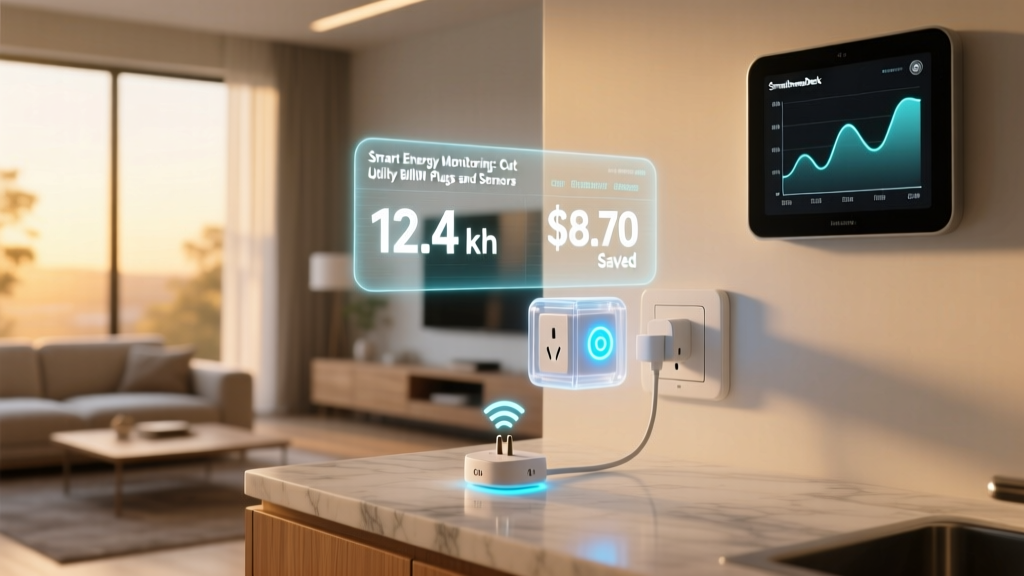
The most immediate financial return comes from energy efficiency. According to the U.S. Department of Energy, properly using a smart thermostat can save homeowners roughly 10% to 15% on heating and cooling costs annually. If your annual HVAC bill is $1,500, a $250 smart thermostat pays for itself in less than two years. Similarly, smart lighting systems that utilize motion sensors and automated schedules ensure lights are never left burning in empty rooms, further trimming your electric bill.
Boosting Property Value & Market Appeal
Does a smart home increase your resale value? The data suggests yes, though perhaps not in the way you might expect. A $5,000 smart home setup will not necessarily add exactly $5,000 to your official home appraisal. However, according to research from the National Association of Realtors, homes equipped with smart security, climate control, and integrated lighting sell faster and are highly attractive to tech-savvy buyers. Pre-installed, hardwired smart home features are increasingly viewed as premium upgrades, similar to a renovated kitchen or a finished basement, giving your property a distinct edge in a competitive real estate market.
Frequently Asked Questions
Is a smart home worth the investment?
For the vast majority of users, yes. The convenience, security, and energy savings provided by home automation significantly improve daily life. The key to ensuring it is 'worth it' is to avoid buying gimmicky gadgets and instead focus on high-impact upgrades like smart thermostats, reliable smart locks, and automated lighting. By choosing devices that integrate well within established smart home ecosystems, you ensure your investment remains useful and functional for years to come.
Can I build a smart home on a tight budget?
Absolutely. You do not need thousands of dollars to experience the benefits of automation. Start small with a smart speaker, a smart plug for your coffee maker or lamps, and a budget-friendly video doorbell. Focus on solving specific daily annoyances rather than trying to automate the entire house at once. Over time, you can gradually add devices during holiday sales or upgrade to more premium hardware as your budget allows.
Do smart homes increase property value?
Smart homes do increase market appeal and can lead to higher final sale prices, particularly when the technology is hardwired and seamlessly integrated into the home's infrastructure. Buyers appreciate not having to set up their own Wi-Fi networks or mount cameras. However, it is important to leave all manuals, admin passwords, and a list of included devices for the new owners to ensure a smooth transition.
What are the ongoing monthly costs of a smart home?
If you choose devices that rely on local processing and local storage, your ongoing monthly costs can be zero. However, if you utilize cloud-based security cameras, monitored alarm systems, or premium cellular backup for your internet, you should budget anywhere from $10 to $50 per month in subscription fees. Always read the fine print regarding cloud storage requirements before purchasing a security camera.
How much does professional smart home installation cost?
Professional installation costs vary wildly based on your region and the complexity of the job. For basic DIY assistance, an electrician or handyman might charge $100 to $300 to install smart switches and mount cameras. For a fully integrated, luxury custom build managed by a certified AV and smart home integration firm, labor and programming fees can account for 20% to 40% of the total project cost, easily adding $5,000 to $20,000+ to the final invoice.