The smart home landscape has shifted dramatically over the last few years, and if you are currently evaluating the SmartThings Hub V4, you are likely weighing its native Matter and Thread capabilities against its retail price tag. As Samsung's latest generation central controller, this device represents a significant architectural leap from the aging V3 model, but does the current street price justify the upgrade for existing users or first-time buyers? This comprehensive buying guide breaks down the exact pricing tiers, retail availability, hardware value, and hidden costs you need to know before adding one to your cart in 2026.
The Real Cost of the SmartThings Hub V4 in 2026
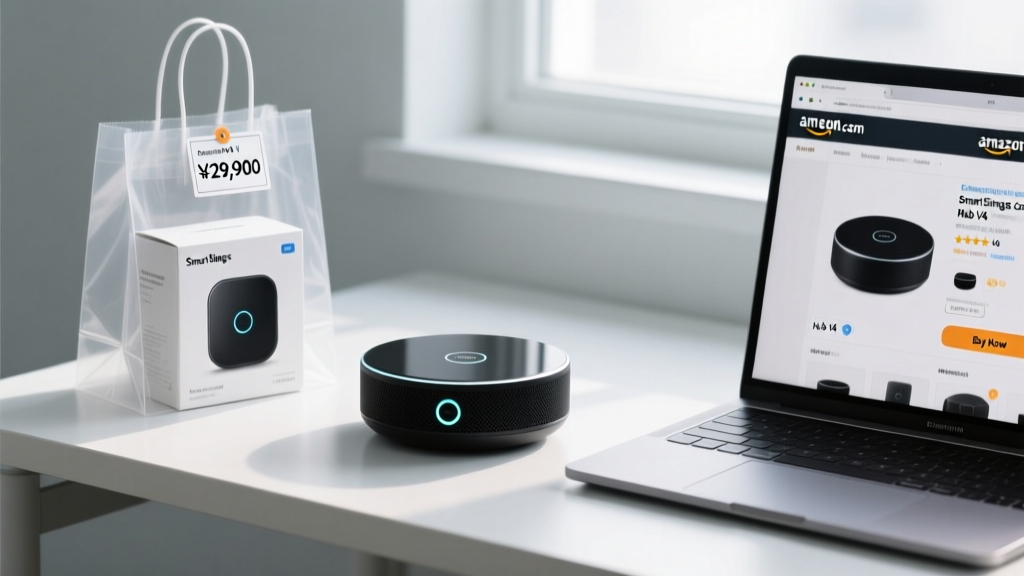
When Samsung officially transitioned its hub lineup to fully embrace the Connectivity Standards Alliance (CSA) Matter protocol, the pricing structure for their flagship hubs shifted. The MSRP for the standalone unit is set at $129.99, but street prices and bundle configurations tell a different story. Below is the current pricing matrix you will encounter across major authorized retailers.
| Configuration | MSRP | Average Street Price | Best For |
|---|---|---|---|
| Standalone Hub | $129.99 | $99.00 | Existing users with sensors |
| Hub + Multipurpose Sensor | $159.99 | $139.00 | New ecosystem beginners |
| Hub + ADT Monitoring Bundle | $199.99 | $179.00 | Security-focused buyers |
While the $99 street price for the standalone unit is standard, savvy buyers can frequently drop this to $79 during major seasonal sales events by stacking Samsung Rewards points or utilizing retailer-specific open-box discounts. However, purchasing the SmartThings Hub V4 outright at full MSRP is rarely recommended unless you are bundling it with high-value add-ons like the ADT monitoring package.
Hardware Value: What Justifies the Price Tag?
To understand if the pricing is fair, we have to look under the hood. The premium over older models is driven by three specific silicon upgrades that directly impact network stability and device compatibility:
- Z-Wave 800 Series SoC: Unlike the 700 series found in late-stage V3 revisions, the 800 series chip offers Z-Wave Long Range (LR) support. This effectively doubles the wireless range and allows for up to 4,000 nodes on a single mesh network, eliminating the need for smart plugs acting as repeaters in large homes.
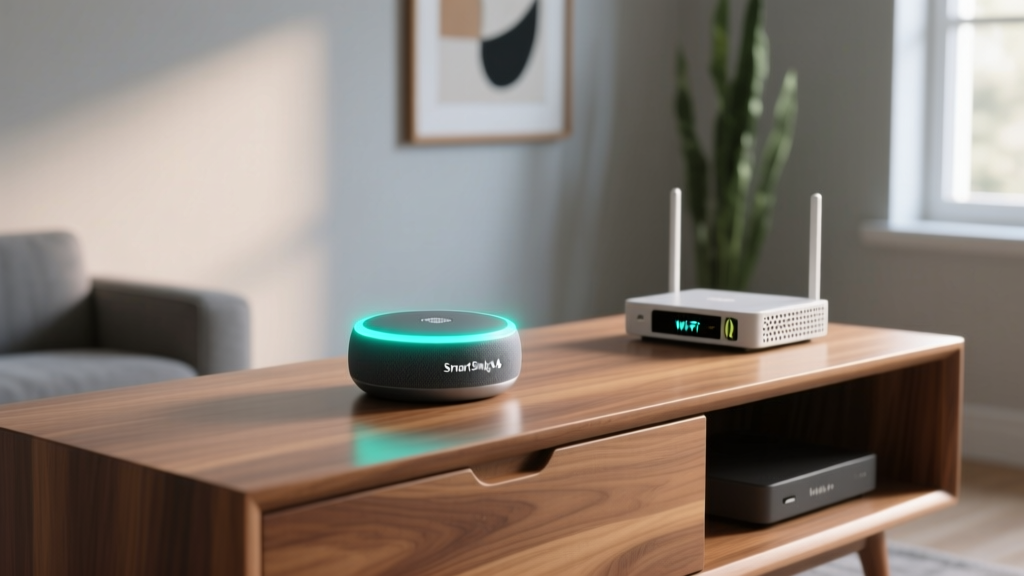
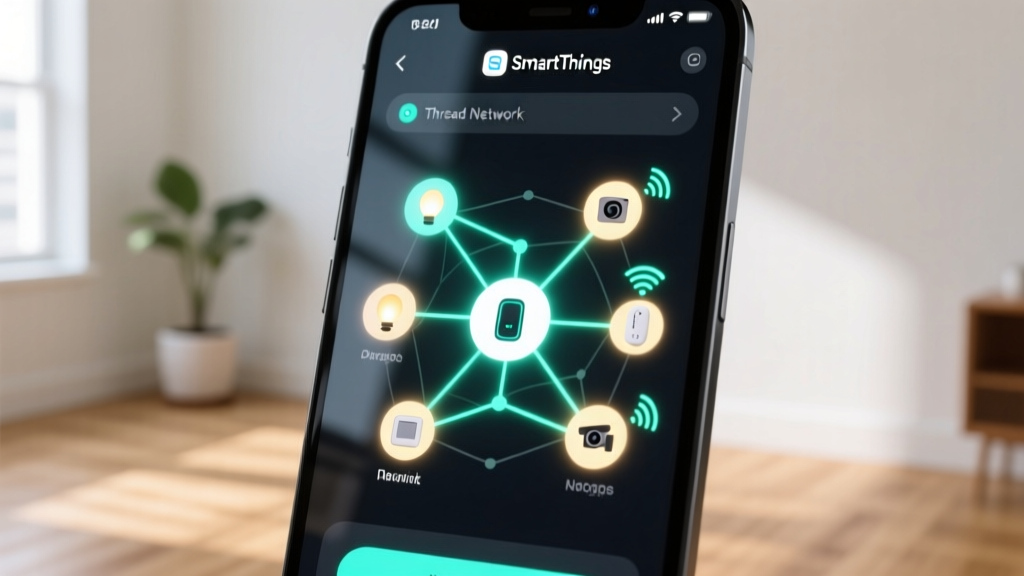
- Native Thread Border Router: Thread is the backbone of modern Matter devices. By integrating a dedicated Thread radio, the hub acts as a border router, allowing low-power Matter devices to communicate locally without relying on cloud servers or secondary dongles.
- Wi-Fi 6 (802.11ax) Backhaul: The hub's connection to your primary router is now handled by Wi-Fi 6, ensuring that heavy automation traffic and local processing requests do not congest your primary network bandwidth.
Where to Buy: Retailer Price Matching & Stock
According to the Samsung SmartThings Official Portal, authorized distribution is tightly controlled to prevent warranty issues. Here is how the major retailers stack up for your purchase:
1. Samsung Direct (Samsung.com)
Buying direct is the only way to guarantee access to the exclusive Hub + ADT bundles. Samsung also offers an 'Education Offers Program' and 'Employee Perks' discount that can shave an additional 10% to 15% off the already discounted street price. The downside is that shipping times can lag behind Amazon by 3 to 5 business days.
2. Amazon
Amazon consistently holds the $99.00 street price for the standalone unit and offers the fastest shipping. However, be highly cautious of third-party sellers listing the device for $70 or less. These are almost universally refurbished V3 units in repackaged boxes, or international variants that lack the correct Z-Wave frequencies for North American homes (specifically the 908.42 MHz band).
3. Best Buy
Best Buy is the optimal choice if you want to utilize price-matching. If you find a legitimate stock listing on a competitor's site, Best Buy will match it in-store. Furthermore, their Geek Squad protection plans are the only extended warranties that cover power surge damage to the hub's internal logic board, a known failure point in areas with unstable grid power.
SmartThings Hub V4 vs. Upgrading Your V3
Not everyone needs to pull the trigger on a new purchase immediately. As noted in The Verge's comprehensive smart home coverage, local processing capabilities have made older hubs surprisingly resilient. Use this decision framework to determine if your money is better spent elsewhere.
| Your Current Setup | Recommendation | Reasoning |
|---|---|---|
| V3 Hub + Mostly Wi-Fi Devices | Hold / Do Not Upgrade | Wi-Fi devices do not benefit from the new Thread/Z-Wave silicon. |
| V3 Hub + 30+ Zigbee/Z-Wave Sensors | Upgrade Immediately | The 800 series SoC eliminates mesh routing latency and dropouts. |
| New Build / First Time Buyer | Buy the V4 Bundle | Future-proofs your home for Matter over Thread devices launching in late 2026. |
Hidden Costs: Subscriptions and Required Add-ons
The hardware price is only the entry fee. To extract maximum value from the ecosystem, you must factor in potential software and accessory costs. While basic automations and remote control remain entirely free, advanced features require a SmartThings Pro subscription, which currently runs $4.99 per month or $49.99 annually. This subscription unlocks AI-driven energy insights, advanced video storage for compatible cameras, and extended historical data logs.
Additionally, if you plan to utilize the hub for home security, the ADT professional monitoring integration requires a separate contract, typically starting at $24.99 per month after a promotional first year. Buyers should also budget roughly $40 per room for Aeotec or Samsung branded multipurpose sensors, as the hub itself does not include environmental monitoring capabilities out of the box.
Final Verdict on the SmartThings Hub V4
If you are building a new smart home from scratch or managing a dense mesh network of over 40 Z-Wave and Zigbee devices, the $99 street price for the SmartThings Hub V4 is an absolute bargain. The inclusion of Z-Wave Long Range and a native Thread Border Router makes it the most versatile local-processing hub on the market today. However, if your current setup relies primarily on Wi-Fi bulbs and cloud-based routines, save your money and wait until your legacy hardware physically fails before making the jump.