The Challenge of Seasonal Living Room Comfort
The living room serves as the central hub of any smart home, acting as a gathering space for entertainment, relaxation, and socializing. However, maintaining optimal comfort in this high-traffic area is a constant battle against the elements. As the seasons shift from the sweltering heat of summer to the biting chill of winter, your living room's environmental needs change drastically. Relying solely on a traditional HVAC system is no longer sufficient for modern homes. True comfort requires a synchronized approach that integrates smart shading, localized climate control, and dynamic lighting.
Transitioning your living room from a summer oasis to a winter retreat is not just about adjusting the thermostat. It is about orchestrating a symphony of lighting, shading, and localized climate control to maintain comfort while minimizing energy waste. According to the U.S. Department of Energy, you can save as much as 10% a year on heating and cooling by simply turning your thermostat back 7°-10°F for 8 hours a day from its normal setting. Smart home automation takes this concept further by making these adjustments dynamically, based on real-time occupancy, solar gain, and outdoor weather conditions.
"A truly smart living room does not wait for you to feel uncomfortable; it anticipates the seasonal shift and adjusts its environment proactively, balancing human comfort with energy efficiency."
In this comprehensive guide, we will explore how to configure your living room's smart home ecosystem for peak performance during both the summer and winter months, complete with specific product recommendations, automation routines, and budget tiers.
Summer Setup: Beating the Heat with Smart Shading and Cooling
During the summer, the primary enemy of living room comfort is solar heat gain. Large windows, while aesthetically pleasing, act as magnifying glasses for the sun, rapidly increasing the indoor temperature and forcing your air conditioning system to work overtime. The Department of Energy's guide on energy-efficient window coverings notes that highly reflective blinds can reduce heat gain by up to 45% when completely closed.
Smart Blinds and Solar Rejection
To automate solar rejection, motorized smart blinds are essential. The SwitchBot Blind Tilt is an excellent, budget-friendly retrofit solution that attaches to your existing blind wands. When paired with the SwitchBot Hub 2, it gains Matter compatibility and Wi-Fi connectivity, allowing you to trigger blind closures based on the hub's built-in light and temperature sensors. For a premium, built-in solution, Lutron Serena Shades offer whisper-quiet motors and seamless integration with Lutron's Caseta or RadioRA 3 ecosystems, providing precise 1% increment control over the exact amount of sunlight entering the room.
Localized Cooling and AC Control
If your living room relies on a ductless mini-split or a window AC unit, a smart thermostat won't help you. Instead, the Sensibo Sky or Sensibo Air Pro acts as an intelligent IR blaster that transforms your "dumb" AC into a smart climate machine. The Sensibo "Climate React" feature uses geo-fencing and local temperature thresholds to ensure the living room is pre-cooled right before you arrive home from work, preventing the need to blast the AC at maximum power all day.
Summer Automation Routines
- Solar Rejection Protocol: IF indoor temperature > 74°F AND outdoor lux > 15,000 AND time is between 1:00 PM and 6:00 PM, THEN close west-facing blinds to 85%.
- Pre-Cooling Commute: IF user geofence enters 5-mile radius AND living room temp > 76°F, THEN turn on AC to 72°F and set ceiling fan to high.
- Night Flush: IF outdoor temp drops below indoor temp after 9:00 PM, THEN open blinds 20% and trigger smart window actuator to let in cool night air.
Winter Setup: Retaining Heat and Creating Cozy Ambiance
Winter living room management shifts the focus from heat rejection to heat retention and passive solar harvesting. Furthermore, the psychological impact of shorter, darker days means your lighting setup must adapt to support circadian rhythms and create a cozy atmosphere.
Passive Solar Heating and Insulation
In the winter, your windows should work for you, not against you. By automating your smart blinds to open fully during peak sunlight hours (typically 10:00 AM to 3:00 PM), you allow passive solar radiation to naturally warm the living room furniture and flooring. At dusk, the blinds must close automatically to create an insulating dead-air space between the cold glass and the room. For homes with forced-air HVAC systems, Flair Smart Vents are a game-changer. By closing vents in unused guest rooms and redirecting 100% of the heated airflow to the living room, you eliminate cold spots and reduce overall furnace runtime.
Smart Radiator Valves
For homes with hydronic radiator heating, the Eve Thermo smart thermostatic radiator valve (TRV) is a top-tier choice. Utilizing Thread and Matter protocols, Eve Thermo allows for localized, room-by-room temperature control. If the living room is occupied but the kitchen is empty, Eve Thermo ensures the radiator in the living room maintains a toasty 70°F while the kitchen drops to an eco-friendly 62°F.
Circadian Lighting Profiles
Winter lighting requires warmth. The Philips Hue White Ambiance bulbs allow you to shift the color temperature of your living room lamps. In the summer, a crisp 4000K-5000K mimics daylight and keeps the space feeling energized. In the winter, automations should shift the living room lights to a warm 2000K-2700K starting at 4:00 PM, mimicking the glow of a fireplace and signaling to your brain that it is time to wind down, combating the winter blues.
Budget Tiers for Seasonal Living Room Upgrades
Upgrading your living room for seasonal shifts does not require an unlimited budget. Below is a breakdown of three distinct tiers to help you plan your smart home investment.
| Budget Tier | Core Devices | Estimated Cost | Best For |
|---|---|---|---|
| Starter | Sensibo Sky, SwitchBot Blind Tilt, Wyze Color Bulbs | $150 - $250 | Renters, small apartments, budget-conscious users |
| Mid-Range | Ecobee SmartThermostat, SwitchBot Hub 2 & Roller Shades, Philips Hue Ambiance | $600 - $900 | Homeowners, medium living rooms, Apple HomeKit users |
| Pro | Ecobee Premium, Flair Smart Vents, Lutron Serena Shades, Hue Full Kit | $1,500+ | Large open-concept rooms, luxury automation, custom builds |
Energy Savings: Summer vs. Winter Smart Climate Control
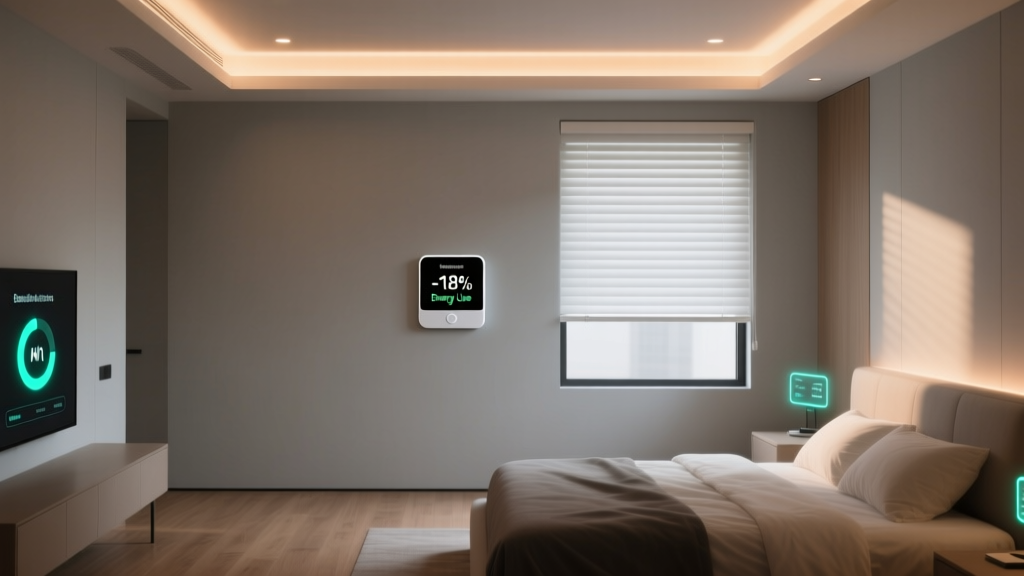
Implementing seasonal automations yields significant dividends on your utility bills. While standard programmable thermostats offer baseline savings, smart seasonal automation leverages multi-sensor data (occupancy, lux, humidity) to optimize energy use dynamically. The ENERGY STAR Smart Thermostat Guidelines highlight that certified smart thermostats save users an average of 8% on heating and cooling bills, but when combined with smart shading and venting, the living room's specific savings can be much higher.
Estimated Energy Savings Comparison
As visualized above, the compounding effect of smart blinds rejecting summer heat and smart vents retaining winter warmth drastically outperforms standard programmable setups.
Design and Aesthetic Considerations
Technology should enhance your living room's design, not detract from it. When installing smart blinds for seasonal control, opt for cellular (honeycomb) shades. Not only do they look modern and clean, but their unique structure traps air, providing an extra layer of insulation against winter cold and summer heat. For lighting, avoid exposing smart bulbs in lamps where they are directly visible; instead, use them in frosted glass fixtures or behind crown molding to create indirect, diffuse seasonal glows.
Sensor placement is also critical for aesthetics and function. The Ecobee SmartSensor should be placed in the primary seating area, away from direct sunlight and drafty windows, to ensure the HVAC system is reading the temperature of where the humans actually sit, not the temperature of the cold glass or the hot drywall.
Installation Tips and Compatibility
Before purchasing devices for your seasonal living room setup, verify your ecosystem compatibility. The recent adoption of the Matter and Thread standards has vastly improved cross-platform interoperability. For example, the Eve Thermo and SwitchBot Hub 2 both support Thread, meaning they can communicate locally with your Apple HomePod, Amazon Echo (4th Gen), or Google Nest Hub Pro without relying on cloud servers. This local control ensures your winter heating automations trigger instantly, even if your internet connection drops during a winter storm.
For hardwired solutions like Lutron Serena shades or Flair Smart Vents, consider hiring a professional installer. Flair vents require a Flair Puck gateway to bridge the Zigbee signals to your Wi-Fi network, and improper placement of the Puck can result in latency. Conversely, retrofit solutions like the Sensibo Sky and SwitchBot Blind Tilt are entirely non-invasive, requiring only double-sided mounting tape and a nearby USB power outlet, making them perfect for renters who want seasonal comfort without losing their security deposit.
Conclusion
Mastering the seasonal shifts in your living room transforms it from a passive space into an active, responsive environment. By leveraging smart shading to manage solar gain, utilizing localized climate controllers to target occupied zones, and adjusting lighting temperatures to match the circadian demands of summer and winter, you achieve unparalleled comfort. Whether you are starting with a budget-friendly Sensibo and SwitchBot combo or investing in a fully integrated Lutron and Ecobee ecosystem, the transition to smart seasonal automation is a definitive upgrade for any modern home.