Mastering Seasonal Smart Home Climate Control
As the seasons shift from the sweltering heat of summer to the freezing depths of winter, your home’s energy demands fluctuate dramatically. According to the U.S. Department of Energy, heating and cooling account for nearly half of a typical home’s energy consumption. Relying on a single, static thermostat to manage your entire house is an outdated approach that leads to energy waste, hot and cold spots, and inflated utility bills. By implementing a room-by-room smart climate control strategy, you can create dynamic, seasonal automation routines that adapt to the environment, ensuring optimal comfort and maximum efficiency year-round.
This comprehensive guide breaks down how to outfit your living room, bedroom, kitchen, and bathroom with specific smart devices tailored for both summer cooling and winter heating. We will explore budget tiers, installation tips, design considerations, and advanced automation logic to transform your home into a responsive, seasonally aware sanctuary.
The Living Room: Managing Solar Gain and Zoned Comfort
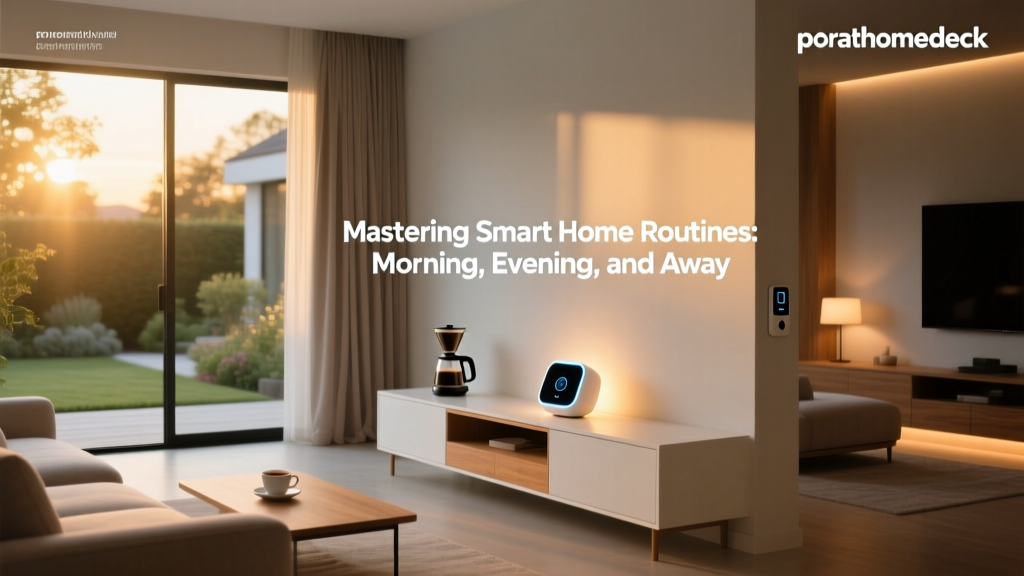
The living room is typically the largest and most sun-exposed space in a home, making it highly susceptible to seasonal temperature swings. In the summer, solar heat gain can turn your living space into a greenhouse, forcing your central AC to work overtime. In the winter, large windows can become massive sources of heat loss.
Summer Strategy: Automated Shading and Smart AC Control
To combat summer heat, you must manage sunlight before it penetrates your windows. The SwitchBot Curtain Rod 2 is an excellent, non-invasive smart blind motor that retrofits onto your existing curtain rods. By pairing this with a smart lux sensor or utilizing local weather API integrations via Home Assistant, you can automate your curtains to close automatically when the sun hits the western windows between 1:00 PM and 5:00 PM. The DOE’s guide on energy-efficient window attachments notes that proper window treatments can reduce solar heat gain by up to 77%, drastically lowering your cooling load.
For homes without central air, or for those who prefer localized cooling, the Sensibo Sky smart AC controller bridges the gap. It connects to your split-system or window AC unit via infrared (IR) and Wi-Fi (2.4GHz), allowing you to set geofenced routines that pre-cool the living room to 76°F right before you arrive home, rather than running the unit all day.
Winter Strategy: Radiator Valves and Warm Ambiance
In the winter, the goal is to retain heat and create a cozy atmosphere without overheating the entire house. If your living room utilizes hydronic radiators, the Eve Thermo Smart Radiator Valve is a game-changer. Utilizing Thread and Matter protocols for lightning-fast, local network communication, Eve Thermo allows you to create distinct heating zones. You can schedule the living room to heat up to 70°F only during the evening hours when the family gathers, while keeping the rest of the house at a baseline 62°F.
Complementing the physical temperature, smart lighting plays a psychological role in thermal comfort. Transitioning your Philips Hue White and Color Ambiance bulbs to a warm 2200K-2700K color temperature in the winter months creates a visual warmth that allows you to physically lower the thermostat by 1 to 2 degrees without sacrificing perceived comfort.
The Bedroom: Optimizing Sleep Hygiene Across Seasons
Core body temperature regulation is critical for deep sleep. Your bedroom requires a highly specialized, micro-climate approach that differs vastly between July and January.
Summer Strategy: Active Cooling and Circadian Lighting
The Eight Sleep Pod 3 represents the pinnacle of summer bedroom climate control. Unlike traditional AC units that cool the ambient air (and dry out your sinuses), the Pod 3 uses a water-based thermal regulation system built directly into the mattress cover. You can program the left and right sides of the bed independently, dropping the surface temperature to 64°F during the initial sleep phase and gradually warming it to trigger a natural wake-up cycle. This targeted cooling uses a fraction of the electricity required to cool an entire bedroom with a central HVAC system.
Winter Strategy: Smart Blankets and Sunrise Alarms
During winter, heating the entire house overnight is highly inefficient. The Sunbeam Wi-Fi Enabled Heated Mattress Pad allows you to warm the bed itself. Integrated with smart home platforms, you can set a routine that turns the pad on 30 minutes before bedtime and shuts it off once you fall asleep, leveraging the bedding’s insulation to retain the heat. Furthermore, combating the dark winter mornings is essential for circadian health. A Hatch Restore 2 smart alarm clock simulates a gradual sunrise, signaling your brain to halt melatonin production and making it easier to leave a warm bed on freezing mornings.
Kitchen and Bathroom: Appliance Management and Ventilation
These high-humidity, high-appliance rooms present unique seasonal challenges that are often overlooked in standard smart home setups.
The Kitchen: Managing Appliance Heat and Vampire Draw
In the summer, using an oven can raise the kitchen temperature by up to 10 degrees, triggering the AC to kick on. Smart plugs like the TP-Link Kasa Smart Plug (EP25) are invaluable here. You can automate your kitchen exhaust fans to turn on whenever your smart oven draws more than 1500 watts, venting the heat outside. Conversely, in the winter, you can use smart plugs to manage seasonal appliances like slow cookers or electric kettles, ensuring they don’t contribute to “vampire draw” energy waste when not in use. The DOE’s comprehensive heating and cooling resource emphasizes the importance of managing internal heat gains to reduce overall HVAC strain.
The Bathroom: Humidity Control and Radiant Heating
Summer showers introduce massive humidity, leading to mold if not properly ventilated. Upgrading to a Panasonic WhisperSense Smart Exhaust Fan ensures the fan runs based on real-time humidity thresholds rather than a simple timer. In the winter, stepping onto cold tile is a shock to the system. Installing a smart-enabled radiant floor heating mat, controlled by a Mysa Smart Thermostat for In-Floor Heating, allows you to schedule the floors to warm up only during your typical morning and evening bathroom routines, saving significant energy compared to running it 24/7.
Budget Tiers: Room-by-Room Seasonal Upgrades
Upgrading your home for seasonal efficiency doesn’t have to happen all at once. Below is a structured breakdown of budget tiers to help you prioritize your investments.
| Budget Tier | Living Room Focus | Bedroom Focus | Estimated Cost | Primary Benefit |
|---|---|---|---|---|
| Starter | Sensibo Sky (Smart AC IR Blaster) | Smart Plug for AC/Space Heater | $100 - $150 | Basic remote control and scheduling of existing units. |
| Mid-Tier | SwitchBot Curtain Rod 2 + Lux Sensor | Philips Hue Wake-Up Lighting | $350 - $500 | Automated solar management and circadian rhythm support. |
| Pro | Eve Thermo Radiator Valves (Multi-pack) | Eight Sleep Pod 3 Mattress Cover | $1,500 - $2,500+ | Granular, zoned micro-climates and active sleep cooling. |
Advanced Automation Routines: Summer vs. Winter
The true power of room-by-room climate control lies in the automation logic. Using platforms like Home Assistant, SmartThings, or Apple HomeKit, you can create seasonal profiles that adjust automatically based on the equinox or outdoor temperature averages.
Summer Peak-Shaving Routine
- Trigger: Outdoor temperature exceeds 88°F AND Time is between 2:00 PM and 6:00 PM (Peak utility rate hours).
- Action 1 (Living Room): Close SwitchBot Curtains to block western solar gain.
- Action 2 (Whole Home): Adjust Ecobee SmartThermostat to 78°F.
- Action 3 (Bedroom): Ensure Eight Sleep Pod is in active cooling mode; delay any high-draw smart appliance cycles (like dishwashers) until after 8:00 PM.
Winter Nighttime Retention Routine
- Trigger: Outdoor temperature drops below 32°F AND Time is 10:00 PM.
- Action 1 (Living Room): Close all smart blinds to provide an extra layer of insulation against the glass.
- Action 2 (Bedroom): Lower main HVAC zone to 62°F, but activate Eve Thermo radiator valve to 68°F and turn on the heated mattress pad.
- Action 3 (Bathroom): Pre-heat radiant floor mat for the 6:00 AM morning routine.
Energy Savings Visualization
Implementing these targeted, room-by-room strategies yields compounding financial benefits. By avoiding the need to condition the entire volume of your home to satisfy the needs of a single room, you drastically reduce your HVAC runtime. The chart below illustrates the estimated annual energy savings by room when transitioning from static climate control to smart, seasonal automation.
Estimated Annual Energy Savings by Room with Smart Climate Control
Installation Tips and Design Considerations
When integrating seasonal smart devices, aesthetics and installation realities must be considered. For smart blinds like the SwitchBot Curtain Rod, ensure your curtain panels are lightweight enough for the motor to push without stalling, and hide the accompanying lux sensors behind sheer valances to maintain a clean look while ensuring accurate light readings.
For smart radiator valves like the Eve Thermo, the digital display is highly visible. To maintain a minimalist interior design, you can set the display to auto-dim when no motion is detected in the room. Furthermore, always verify your smart home hub’s protocol support. While Thread and Matter devices (like Eve) offer superior local reliability without clogging your Wi-Fi bandwidth, they require a compatible border router, such as an Apple TV 4K or HomePod Mini.
Conclusion
Transitioning your smart home from a static environment to a dynamic, seasonally responsive ecosystem is one of the most impactful upgrades you can make. By addressing the unique thermal challenges of the living room, bedroom, kitchen, and bathroom with targeted devices like smart blinds, zoned radiator valves, and active cooling mattresses, you achieve a dual victory: unparalleled personal comfort and a significant reduction in your carbon footprint and utility bills. Start with the budget tier that makes sense for your home, establish your summer and winter automation routines, and let your home intelligently adapt to the changing world outside.