The Living Room: Your Home's Thermal and Social Core
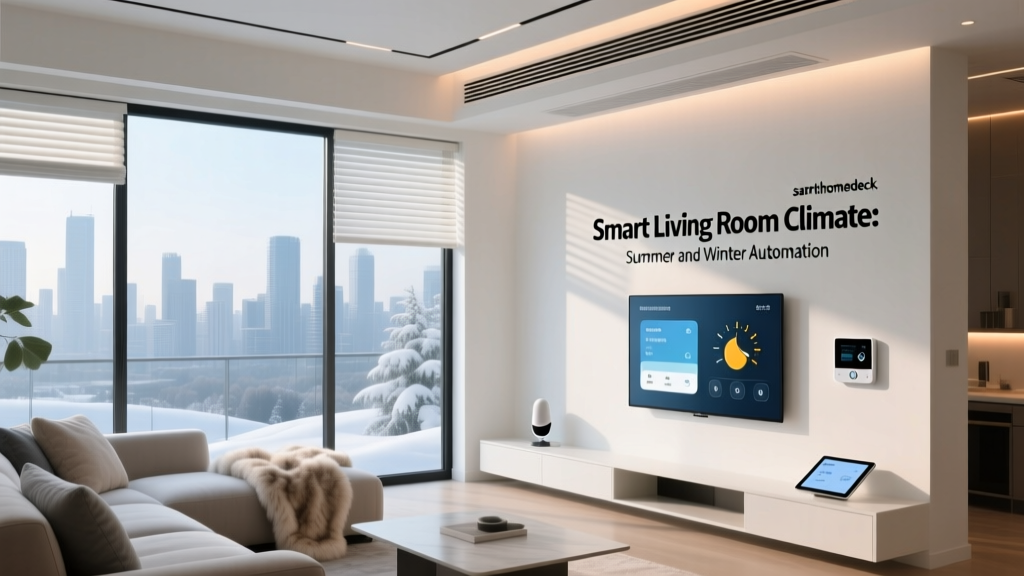
The living room is the undisputed heart of the modern home. It is where we gather, relax, and entertain, but it is also one of the most thermally dynamic spaces in any house. With large windows, high ceilings, and open-concept layouts, living rooms are highly susceptible to seasonal temperature fluctuations. A space that feels like a sun-drenched greenhouse in July can easily become a drafty icebox in January. Rather than constantly battling your HVAC system and watching your energy bills skyrocket, the most effective approach is to leverage smart home technology to adapt the room to the season.
Seasonal room adjustments are not just about changing the decor; they are about fundamentally altering how your living room interacts with the environment. By integrating smart thermostats, automated window treatments, intelligent lighting, and smart fans, you can create a living space that passively and actively responds to the shifting angles of the sun and the changing outdoor climate. According to the U.S. Department of Energy, properly managing your thermostat and leveraging automated climate control can save you up to 10% a year on heating and cooling costs. This guide will walk you through exactly how to configure your smart living room for peak efficiency and comfort during the extreme opposites of summer and winter.
Summer Setup: Deflecting Heat and Maximizing Airflow
Summer in the living room is all about solar heat gain management and optimizing the wind chill effect. The goal is to keep the harsh afternoon sun from turning your sofa into a frying pan while minimizing the load on your central air conditioning.
Smart Thermostats and Room Sensors
The foundation of any seasonal living room setup is a smart thermostat equipped with remote room sensors. Devices like the Ecobee Smart Thermostat Premium or the Google Nest Learning Thermostat are essential. In the summer, the living room often gets significantly warmer than the rest of the house due to large south or west-facing windows. By placing a smart sensor on the living room bookshelf or end table, you force the HVAC system to prioritize the temperature of the room you are actually using, rather than the hallway where the main unit is installed. Furthermore, these thermostats use geofencing to detect when the house is empty, automatically raising the temperature setpoint to 78°F (25.5°C) to save energy, and pre-cooling the space right before you arrive home.
Automated Solar Shielding (Smart Blinds)
Window treatments are your first line of defense against summer heat. The Department of Energy's guide on window attachments highlights that highly reflective blinds and cellular shades can reduce solar heat gain by up to 45%. Upgrading to smart blinds, such as Lutron Serena or the budget-friendly SwitchBot Blind Tilt, allows you to automate this process. In the summer, the sun sits high in the sky. You can program your smart blinds to tilt downward or close completely on west-facing windows between 2:00 PM and 6:00 PM, effectively blocking the intense afternoon glare and reducing the ambient temperature of the room by several degrees before your AC even kicks on.
Smart Ceiling Fans and the Wind Chill Effect
Air conditioning is expensive; moving air is cheap. A smart ceiling fan, like the Hunter Symphony with Wi-Fi connectivity, or a standard fan paired with a Bond Bridge, can make a room feel up to 4°F cooler due to the wind chill effect. By integrating your smart fan with your thermostat via IFTTT or Home Assistant, you can create a routine where the fan automatically spins up to medium speed when the living room temperature crosses 74°F, allowing you to raise the AC setpoint without sacrificing comfort.
Winter Setup: Retaining Warmth and Creating Ambiance
When winter arrives, the living room strategy flips entirely. The sun sits lower on the horizon, and the days are significantly shorter. The focus shifts to capturing passive solar heat, insulating against the cold glass, and adjusting the lighting to match our circadian rhythms during the long, dark evenings.
Zoned Heating and Smart Radiator Valves
If your living room relies on radiators or baseboard heating rather than forced air, a single central thermostat is wildly inefficient. Smart Thermostatic Radiator Valves (TRVs) like the Eve Thermo or the Ecobee Smart Radiator Valve allow you to create micro-zones. In the winter, you can set the living room TRVs to a cozy 70°F during the evening hours when the family is gathered, while keeping the bedrooms and unused guest rooms at a much lower 62°F. These valves use built-in temperature sensors and open-window detection algorithms to shut off the heat flow if you crack a window for fresh air, preventing wasted energy.
Circadian Lighting for Darker Evenings
Winter means spending your evenings in the living room under artificial light. Harsh, cool-white lighting can disrupt melatonin production and make the space feel clinical and cold. Smart lighting systems like Philips Hue White and Color Ambiance or LiFX bulbs are crucial for winter adjustments. You should program your lighting scenes to follow a circadian rhythm. During the short winter afternoons, keep the lights at a bright, cool 4000K to maximize alertness and mimic the weak natural sunlight. As the sun sets, automate a transition to a warm, dim 2200K amber glow. This 'Winter Hearth' scene mimics the color temperature of a fireplace, creating a deeply cozy, relaxing ambiance that signals to your brain that it is time to wind down.
Draft Detection and Smart Vents
Cold air infiltration is the enemy of winter comfort. While smart home devices cannot physically seal gaps, smart environmental sensors like the Eve Room or Aqara Temperature and Humidity Sensor can help you identify problem areas. If you notice the temperature near the living room bay window dropping rapidly compared to the center of the room, you know you need to apply weatherstripping or use heavy thermal curtains. Additionally, if you have a forced-air system, smart vents like Flair can work in tandem with room sensors to push more warm air into the living room during the evening, closing off when the room reaches the desired temperature.
Budget Tiers for Seasonal Living Room Upgrades
Adapting your living room for the seasons does not require a complete home overhaul. Here is a breakdown of how to approach seasonal smart home upgrades based on your budget.
| Budget Tier | Estimated Cost | Key Devices Included | Primary Seasonal Benefit |
|---|---|---|---|
| Starter | $150 - $250 | Wyze Smart Thermostat, SwitchBot Blind Tilt, Wyze Plug (for lamps) | Basic scheduling for AC/Heat and automated blind tilting to block summer sun. |
| Mid-Range | $400 - $750 | Ecobee Enhanced + 1 Sensor, SwitchBot Hub 2 & Curtain Rods, Philips Hue White Ambiance Starter Kit | Room-specific temperature prioritization, full curtain automation, and circadian winter lighting. |
| Pro | $1,200+ | Ecobee Premium, Lutron Serena Honeycomb Shades, Hunter Symphony Smart Fans, Full Hue Setup | Seamless ecosystem integration, maximum energy efficiency, and premium aesthetic design. |
Seasonal Automation Routines
The true magic of a smart living room lies in the automation routines that run silently in the background. Below are two essential routines to implement via platforms like Apple HomeKit, Amazon Alexa, or Home Assistant.
The 'Summer Solar Shield' Routine
Trigger: Time of day is 1:00 PM AND Outdoor Temperature is above 80°F AND Weather condition is 'Clear' or 'Partly Cloudy'.
Actions:
- Set Living Room Smart Blinds to 15% open (angled downward to block direct line-of-sight sun but allow ambient light).
- Set Smart Thermostat to 'Away' mode if no motion128; motion detected for 60 minutes.
- Turn on Smart Ceiling Fan to low speed if room temperature exceeds 73°F.
Why it works: This routine preemptively blocks solar heat gain before the room has a chance to overheat, drastically reducing the evening workload on your air conditioner.
The 'Winter Cozy Evening' Routine
Trigger: Time of day is 5:30 PM (or local sunset time) AND Living Room Motion Sensor detects presence.
Actions:
- Close all smart blinds and curtains completely to provide an extra layer of insulation against the cold glass.
- Set Living Room Smart Radiator Valves or Thermostat to 71°F.
- Activate 'Winter Hearth' lighting scene: Philips Hue bulbs dim to 40% brightness and shift to 2200K color temperature.
- Turn on the smart plug connected to your electric throw blanket or ambient floor lamp.
Why it works: This routine traps the residual heat from the day inside the room, warms the space exactly when you sit down to relax, and adjusts the lighting to promote natural sleep cycles during the long winter nights.
Visualizing Energy Savings
Investing in smart home technology for seasonal adjustments yields compounding returns on your utility bills. The chart below illustrates the estimated annual energy savings potential when upgrading specific living room categories to smart, automated alternatives. Data is aggregated based on efficiency reports from ENERGY STAR and independent home efficiency studies.
As the data suggests, smart blinds and thermostats offer the highest return on investment. While smart lighting savings are relatively modest in terms of raw wattage (due to the baseline efficiency of LEDs), the ability to automate them based on natural light availability and occupancy prevents the 'vampire drain' of leaving lights on in empty rooms.
Design and Aesthetic Considerations
When implementing these seasonal adjustments, maintaining the aesthetic integrity of your living room is paramount. Smart home devices should enhance your space, not clutter it.
- Hiding the Tech: Avoid placing bulky smart hubs or sensors on the coffee table. Utilize hidden mounting brackets for sensors behind the TV or on high bookshelves. Devices like the Eve Room feature premium, minimalist designs that can sit openly on an end table without looking like a piece of industrial equipment.
- Seasonal Decor Synergy: In the summer, pair your automated blinds with sheer, light-colored curtains to maximize the feeling of an airy, breezy space. In the winter, swap to heavy, dark velvet or thermal cellular curtains. The smart curtain rods will handle the increased weight effortlessly while providing a massive boost to the room's R-value (insulation rating).
- Lighting Fixtures: Ensure your smart bulbs are paired with fixtures that complement the season. In winter, utilizing smart bulbs in warm-toned, fabric-shaded floor lamps will diffuse the amber light beautifully, enhancing the cozy 'hearth' effect. In summer, use them in open, glass pendant fixtures to keep the room feeling bright and expansive.
Conclusion
Transforming your living room into a seasonally responsive smart space is one of the most impactful upgrades you can make to your home. By shifting your perspective from static temperature control to dynamic, automated environmental management, you achieve a perfect balance of luxury and efficiency. Whether you are deflecting the blazing July sun with automated tilting blinds and smart fans, or wrapping the room in a warm, amber glow with zoned heating and circadian lighting in December, your living room will always be the most comfortable space in the house. Start with the budget tier that fits your current needs, establish your core summer and winter routines, and let your home do the heavy lifting of adapting to the changing world outside your windows.