The Core Philosophy of Seasonal Smart Home Adjustments
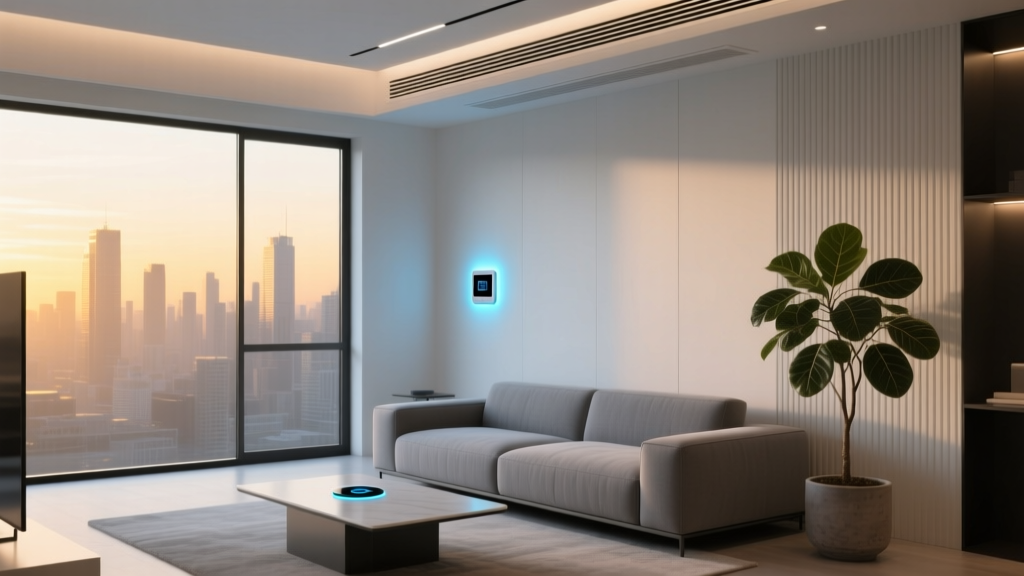
The living room is the undisputed hub of the modern home. It is where we entertain, relax, and spend the majority of our waking hours. However, the environmental demands placed on this space fluctuate wildly between the sweltering heat of summer and the biting chill of winter. A truly intelligent smart home does not rely on a static, year-round configuration. Instead, it adapts dynamically to seasonal shifts, optimizing energy efficiency, preserving interior aesthetics, and maximizing occupant comfort. By leveraging automated climate control, motorized window treatments, and adaptive circadian lighting, you can transform your living room into a responsive environment that anticipates the changing seasons.
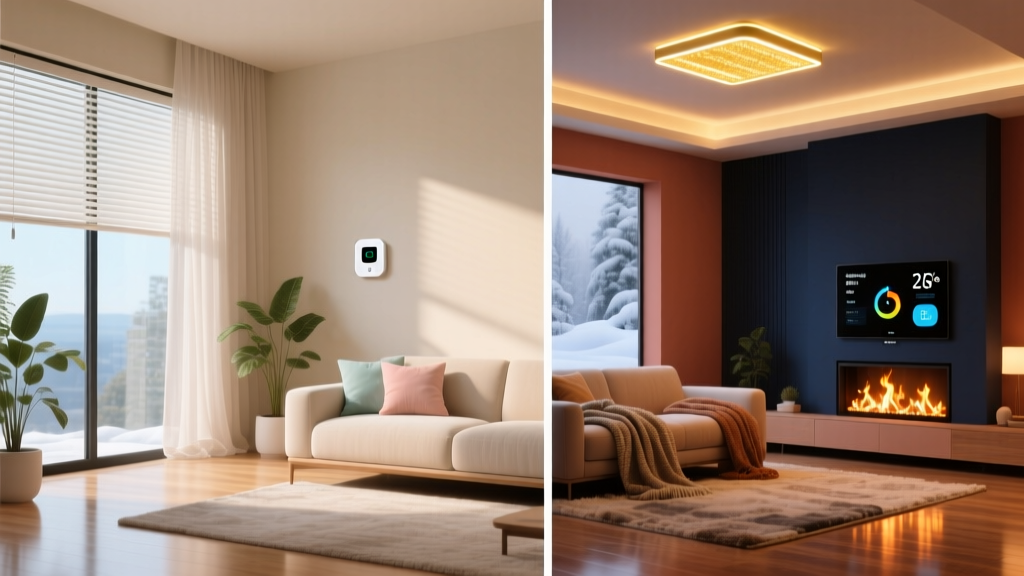
Transitioning your smart living room from a summer cooling sanctuary to a winter warming retreat requires more than just adjusting the dial on your HVAC system. It involves a holistic approach that integrates solar heat gain management, localized thermal control, and psychological lighting adjustments. According to the EPA Energy Star program, properly utilized smart thermostats can save homeowners up to 8% on heating and cooling costs annually, but these savings are only fully realized when the thermostat is integrated into a broader, seasonally aware ecosystem of sensors and automated shading.
Summer Living Room: Beating the Heat with Automation
During the summer months, the primary enemy of living room comfort is solar heat gain and the subsequent strain on your air conditioning system. The goal of a summer smart home setup is to proactively reject heat before it penetrates the living space, thereby reducing the cooling load and eliminating hot spots near south or west-facing windows.
Smart Climate and Targeted Cooling
Central HVAC systems often struggle to maintain even temperatures in large, open-concept living rooms. If your living room relies on a ductless mini-split or a window unit, a device like the Sensibo Sky or Sensibo Air is essential. These smart AC controllers use infrared blasting and Wi-Fi connectivity to integrate your existing cooling unit into your smart home ecosystem. By pairing the Sensibo with a localized temperature and humidity sensor placed on the opposite side of the room from the AC unit, you can trigger cooling cycles based on the actual ambient temperature where you sit, rather than the temperature at the ceiling-mounted unit.
For homes with central air, the Ecobee Smart Thermostat Premium remains the gold standard. Its remote room sensors are critical for summer living room management. By configuring the Ecobee to prioritize the living room sensor during peak evening hours (when the family is gathered), you ensure the space remains cool without over-chilling the rest of the house.
Solar Heat Gain and Smart Blinds
Windows are the weakest point in your home's thermal envelope. The Department of Energy notes that strategic management of window coverings can reduce solar heat gain by up to 45%. Motorized smart blinds, such as the Lutron Serena Shades or the more budget-friendly SwitchBot Curtain Rod, can be automated to track the sun's position. Using an outdoor lux sensor or a weather API integration, your blinds can automatically close when direct sunlight hits the glass, drastically lowering the indoor temperature before the AC even needs to turn on.
Cool Lighting Temperatures
Lighting plays a profound psychological role in how we perceive temperature. In the summer, you want your living room to feel crisp, airy, and cool. Smart bulbs like the Philips Hue White and Color Ambiance allow you to shift the color temperature of your living room lamps to a cooler 5000K to 6500K spectrum during the day. This mimics bright daylight and creates a visually 'cooler' environment, complementing the physical drop in temperature.
Winter Living Room: Maximizing Warmth and Ambiance
When winter arrives, the automation logic must invert. The focus shifts from heat rejection to heat retention, passive solar harvesting, and creating a cozy, intimate atmosphere that combats the early sunsets and drafty conditions.
Smart Heating and Radiator Control
Many older homes or European apartments rely on hydronic radiators rather than forced air. The Eve Thermo smart radiator valve is a game-changer for winter living rooms. Utilizing the Thread protocol for low-latency, reliable communication, Eve Thermo allows you to create localized heating zones. You can set the living room radiators to maintain a toasty 72°F during the evening while allowing the rest of the house to drop to an energy-saving 65°F. Furthermore, Eve Thermo features an open-window detection algorithm; if you crack a window for fresh winter air, the valve automatically shuts off the radiator to prevent wasted energy.
Passive Solar Harvesting and Insulation
Winter automation routines should exploit passive solar heating. Your smart blinds should be programmed to open fully during the brightest part of the winter day (typically 10 AM to 3 PM) to allow solar radiation to naturally warm the living room's thermal mass (such as hardwood floors or stone fireplaces). At exactly sunset, the blinds must close automatically. Heavy, insulated smart curtains act as an additional thermal barrier, trapping the day's heat inside and blocking the radiant chill of the cold glass.
Warm Lighting and Circadian Rhythms
Winter nights are long, and harsh, cool lighting can disrupt circadian rhythms and make a room feel sterile and cold. Transition your smart lighting to a warm 2000K to 2700K spectrum. Incorporating smart LED strips, like the Govee RGBIC behind your media console or the Nanoleaf Shapes on the wall, can simulate the flickering warmth of a hearth. If you have a traditional fireplace, integrating a Bond Bridge allows you to control your gas fireplace's remote via voice or automation, turning on the flames and the heat the moment the living room temperature drops below your comfort threshold.
Budget Tiers: Seasonal Living Room Setups
Upgrading your living room for seasonal adaptability does not require an unlimited budget. Below is a structured breakdown of device ecosystems based on investment levels.
| Tier | Climate Control | Window Treatments | Lighting | Estimated Cost |
|---|---|---|---|---|
| Starter | Wyze Smart Thermostat | SwitchBot Curtain (Rod 2) | Wyze Bulb Color | $150 - $250 |
| Mid-Range | Sensibo Sky + Sensor | IKEA Fyrtur Smart Blinds | Philips Hue White Ambiance | $500 - $800 |
| Pro | Ecobee Premium + Eve Thermo | Lutron Serena Wood Blinds | Philips Hue Color + Nanoleaf | $1,500 - $3,000+ |
Visualizing Energy Savings: Summer vs. Winter
Implementing seasonal automation yields measurable reductions in energy consumption. By combining smart shading with localized climate control, homeowners can significantly reduce the runtime of their primary HVAC systems. The chart below illustrates the average monthly energy savings percentage achieved through automated seasonal adjustments in the living room.
Advanced Automation Routines and Triggers
To truly automate your living room, you must move beyond simple time-based schedules and utilize multi-condition logic. Whether you use Apple HomeKit, SmartThings, or Home Assistant, seasonal routines should rely on environmental triggers.
The 'Summer Breeze' Routine
- Trigger: Outdoor temperature exceeds 80°F AND time is between 11:00 AM and 6:00 PM AND window lux sensor reads > 10,000 lux.
- Action: Close south and west-facing smart blinds to 15%. Turn on the smart ceiling fan to medium speed. Shift ambient lighting to 5000K cool white.
The 'Winter Hearth' Routine
- Trigger: Indoor living room temperature drops below 68°F AND time is after 4:00 PM (post-sunset).
- Action: Close all smart curtains fully for insulation. Turn on the gas fireplace via Bond Bridge. Shift smart bulbs to 2200K warm amber. Activate the smart plug connected to the heated throw blanket on the sofa.
Sensor Battery Management in Winter
A critical, often overlooked aspect of winter smart home management is sensor battery health. Zigbee and Z-Wave door/window sensors or temperature pucks placed near drafty living room windows will experience accelerated battery drain in freezing temperatures due to the chemical slowdown in alkaline or lithium cells. To mitigate this, use sensors with external antenna options, move them slightly away from the immediate glass surface, or upgrade to lithium AA batteries which perform significantly better in cold environments compared to standard alkaline.
Design and Aesthetic Considerations
Technology should enhance your living room's design, not detract from it. When installing smart window treatments, opt for inside-mount brackets to hide the motor mechanisms within the window casing. For the Lutron Serena or IKEA Fyrtur lines, choosing a fascia cover that matches your window trim color ensures the tech disappears into the architecture.
When selecting smart thermostats or localized sensors, consider the finish. A glass-fronted Ecobee or a matte-black Eve sensor can act as a subtle, modern accent piece on a living room wall, whereas bulky, plastic white sensors can look out of place in a carefully curated space. Finally, embrace the concept of 'invisible tech.' The best seasonal smart home adjustments are the ones you never have to manually trigger or look at; they simply respond to the environment, keeping your living room perfectly attuned to the world outside, no matter the season.