Designing a Safe and Connected Smart Nursery
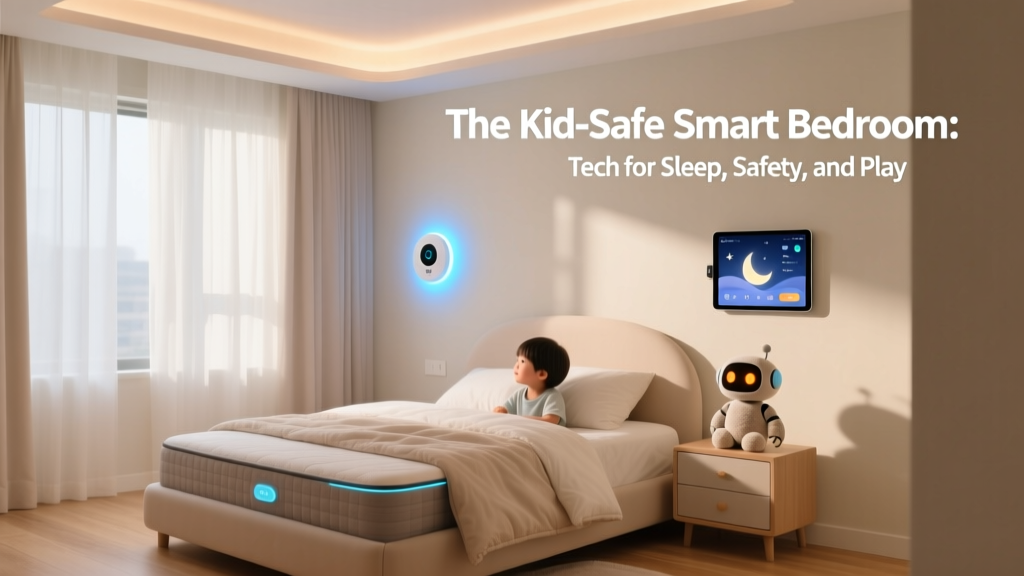
Creating a smart nursery is about more than just adding gadgets to a room; it is about building an ecosystem that fosters safety, promotes healthy sleep habits, and provides unparalleled peace of mind for parents. As smart home technology evolves, the nursery has become one of the most critical spaces for IoT integration. From advanced computer-vision baby monitors to automated environmental controls, the right setup can help you respond to your baby's needs before they even fully wake up.
However, navigating the market of baby tech can be overwhelming. With hundreds of devices claiming to track vitals, monitor air quality, and automate bedtime routines, how do you separate the essential safety tools from the unnecessary gimmicks? This comprehensive guide breaks down the best smart home solutions for your nursery, organized by function, budget, and safety compliance.
Top Smart Baby Monitors: Audio, Video, and Vitals
The cornerstone of any smart nursery is the baby monitor. Modern monitors have moved far beyond simple audio receivers, incorporating high-definition video, AI-driven sleep analytics, and even biometric tracking.
Nanit Pro Smart Baby Monitor
The Nanit Pro is widely considered the gold standard for over-the-crib monitoring. It uses computer vision to track your baby's breathing motion via a specialized swaddle or breathing band, eliminating the need for wearable electronics on the baby's delicate skin. The app provides daily sleep reports, analyzing awake times, sleep efficiency, and fussing. Its 1080p HD camera offers exceptional night vision and a bird's-eye view that is perfect for observing sleep positioning.
Owlet Dream Sock
For parents who prefer biometric data, the Owlet Dream Sock uses pulse oximetry to track heart rate and oxygen levels while the baby sleeps. The Owlet recently received FDA clearance as a medical device for specific indications, which sets it apart from standard consumer wellness trackers. The base station glows green when all is well and alerts your smartphone if readings fall outside safe zones. Note: Always consult your pediatrician regarding the use of biometric monitors, as they are not a substitute for safe sleep practices.
CuboAi Plus Smart Baby Monitor
Safety is the primary focus of the CuboAi Plus. Its AI is specifically trained to detect dangerous situations, such as a baby rolling over onto their stomach or their face becoming covered by a blanket. If a potential hazard is detected, the monitor sends an instant push notification and sounds an alarm. The adorable bird-shaped design also blends beautifully into modern nursery aesthetics, hiding the technology in plain sight.
Environmental Control: Temperature, Humidity, and Air Quality
Babies are highly sensitive to their environment. The American Academy of Pediatrics (AAP) recommends keeping the nursery at a comfortable temperature—typically between 68°F and 72°F (20°C to 22°C)—to reduce the risk of overheating, which is linked to Sudden Infant Death Syndrome (SIDS). Furthermore, maintaining proper humidity is vital for respiratory health.
Smart Thermostats and Humidifiers
Standard smart thermostats measure the temperature in the hallway or living room, which might differ significantly from the nursery. By adding a Ecobee SmartThermostat with its accompanying SmartSensor, you can prioritize the nursery's temperature during sleep hours. The sensor detects both temperature and occupancy, ensuring the room stays perfectly cool while the baby is sleeping. Pair this with a smart plug connected to a cool-mist humidifier to maintain humidity levels between 40% and 60%, preventing dry skin and nasal congestion.
Airthings View Plus for Air Quality
Indoor air quality is often worse than outdoor air quality due to off-gassing from furniture, paint, and cleaning products. The Airthings View Plus monitors Radon, PM2.5, CO2, VOCs (Volatile Organic Compounds), temperature, and humidity. If VOC levels spike after painting the nursery or assembling new furniture, the device alerts your phone so you can increase ventilation. According to the Environmental Protection Agency (EPA), managing indoor air quality is crucial for developing respiratory systems.
Smart Lighting and Sound Machines
Controlling light and sound is essential for regulating your baby's circadian rhythm. Smart lighting and automated sound machines can signal to your baby's brain that it is time to sleep or time to wake up. Melatonin production in infants is highly sensitive to blue light, making color-temperature control a necessity.
Hatch Restore 2
The Hatch Restore 2 is a premium smart sound machine, nightlight, and alarm clock rolled into one. Through the Hatch app, you can create multi-step sleep routines. For example, you can program the device to play 45 minutes of pink noise, gradually dim the amber nightlight over 15 minutes, and then turn off completely. For toddlers, the 'time-to-rise' feature uses a soft color change (like a sunrise) to indicate when it is okay to get out of bed, saving parents from early morning wake-ups.
Philips Hue Smart Bulbs
Overhead lighting can be too harsh for late-night diaper changes. Installing Philips Hue White and Color Ambiance bulbs in nursery lamps allows you to control the color temperature via your phone or a smart switch. During midnight feedings, you can set the lights to a dim, warm amber (around 2200K) which provides enough visibility to see what you are doing without suppressing melatonin production for you or your baby.
Budget Tiers for Smart Nursery Setups
Building a smart nursery does not have to break the bank. Here is a breakdown of three budget tiers to help you plan your purchases based on your financial comfort zone.
| Tier | Estimated Cost | Core Devices Included | Best For |
|---|---|---|---|
| Starter | $150 - $300 | Wyze Cam Pan v3, Hatch Rest+, Smart Plug for lamp | First-time parents on a budget needing basic video and sound. |
| Mid-Range | $400 - $700 | Nanit Pro (Basic), Philips Hue Starter Kit, Airthings Wave Plus | Tech-savvy parents wanting sleep analytics and air quality data. |
| Pro | $800 - $1,200+ | Owlet Dream Sock, Nanit Pro (Complete), Ecobee SmartThermostat, Motorized Smart Blinds | Ultimate automation enthusiasts prioritizing biometric and environmental control. |
Automation Routines for Bedtime and Wake-Up
The true magic of a smart nursery lies in automation. By linking your devices through a hub like Amazon Alexa, Apple HomeKit, or Samsung SmartThings, you can create routines that run with a single voice command or on a schedule.
The 'Bedtime Wind-Down' Routine
- 7:00 PM: Philips Hue nursery lamps dim to 50% brightness and shift to a warm 2700K color temperature.
- 7:15 PM: Ecobee thermostat lowers the nursery temperature to 69°F.
- 7:30 PM: Hatch Restore 2 begins playing a gentle lullaby or white noise.
- 8:00 PM: All nursery lights turn off automatically, leaving only a dim amber nightlight on the Hatch.
The 'Morning Sunrise' Routine
- 6:30 AM: Motorized smart blinds slowly open to let in natural light.
- 6:45 AM: Hatch Restore 2 mimics a sunrise, gradually increasing light intensity over 15 minutes.
- 7:00 AM: The thermostat adjusts back to a comfortable 72°F for daytime play.
Comparing Top Smart Baby Monitors
To help you visualize how the top monitors stack up against each other in terms of video quality, AI features, and vitals tracking, refer to the comparison chart below.
Smart Baby Monitor Feature Comparison
Crucial Safety, Privacy, and Installation Tips
While smart devices offer incredible convenience, they must be installed with strict adherence to safety guidelines. A high-tech nursery is only as good as its physical safety measures.
Safe Sleep and Wearable Monitors
It is vital to understand the medical consensus regarding infant sleep. The American Academy of Pediatrics (AAP) emphasizes that the safest sleep environment is a firm, flat mattress with no loose bedding, pillows, or soft toys. Furthermore, the AAP and FDA advise against relying on over-the-counter cardiorespiratory monitors as a strategy to prevent SIDS. Devices like the Owlet are excellent for peace of mind and tracking trends, but they do not replace the fundamental rules of safe sleep: Alone, on their Back, in a Crib (ABCs).
"Technology should supplement your parenting, not replace foundational safety practices. Always ensure your baby's sleep space is bare and that monitors are used as observational tools, not medical guarantees."
Cord Management and Strangulation Hazards
One of the most overlooked dangers in a smart nursery is cord management. The Consumer Product Safety Commission (CPSC) strictly warns about the strangulation risks posed by window cords and monitor cables.
- Monitor Placement: Never mount a baby monitor on the crib itself or within arm's reach of the baby. Wall-mounted cameras (like the Nanit) should be installed at least 3 feet away from the crib.
- Cord Concealment: Use hardwired cord covers or raceways to hide power cables running down the wall to your smart cameras and lamps.
- Window Treatments: If you use smart motorized blinds, ensure they are completely cordless or that all pull cords are secured high up on the wall with safety cleats, completely out of the child's reach.
Network Security and Privacy
Baby monitors and nursery cameras are prime targets for cyber intrusions if not properly secured. To protect your family's privacy:
- Segment Your Network: Create a dedicated 'Guest' or 'IoT' Wi-Fi network on your router specifically for smart home devices. This prevents a compromised smart bulb from giving hackers access to your personal computers or phones.
- Enable 2FA and WPA3: Always enable Two-Factor Authentication (2FA) on the apps associated with your nursery cameras. Additionally, ensure your router is utilizing WPA3 encryption, or at minimum WPA2-AES, to secure the wireless transmission of video feeds.
- Firmware Updates: Regularly check for and install firmware updates for your monitors and smart hubs to patch known security vulnerabilities.
Final Thoughts on Smart Nursery Design
Designing a smart nursery is a deeply personal journey that blends cutting-edge technology with the timeless need for a safe, nurturing environment. By carefully selecting devices that monitor air quality, regulate temperature, and provide intelligent sleep analytics, you are creating a space that adapts to your baby's needs. Remember to prioritize cord safety, adhere to AAP sleep guidelines, and secure your home network. With the right setup, you can enjoy the ultimate luxury for a new parent: the confidence that your baby is safe, comfortable, and sleeping soundly.