Introduction to Whole-Home Automation
Transitioning from a collection of disjointed smart gadgets to a cohesive, intelligent living space requires a strategic approach. A whole-home automation plan ensures that your devices communicate seamlessly, your network remains robust, and your interior design is not compromised by visible wires and bulky sensors. By tackling your home room-by-room, you can pace your budget, test ecosystem compatibility, and build complex automation routines that genuinely enhance your daily life.
In this comprehensive blueprint, we break down the essential smart home devices, installation tips, and automation routines for every major area of your house. Whether you are outfitting a new build or retrofitting a historic property, this guide provides actionable tiers for Starter, Mid, and Pro budgets.
Choosing Your Core Ecosystem
Before purchasing a single device, you must select a primary ecosystem to act as the brain of your home. The major contenders are Apple HomeKit, Amazon Alexa, Google Home, and Samsung SmartThings. Fortunately, the rise of the Matter protocol has begun to bridge the gaps between these walled gardens, allowing devices to communicate across platforms using standard IP-based networking and Thread mesh technology.
Hub Recommendations
- Apple Users: Apple TV 4K or HomePod (acts as a Thread border router).
- Amazon Users: Echo Show 15 or Echo (4th Gen) with built-in Zigbee and Matter support.
- Platform Agnostic: Samsung SmartThings Station or Home Assistant Green for advanced local processing.
Pro Tip: Always prioritize devices that support local processing (Zigbee, Z-Wave, or Thread) over Wi-Fi-only devices. This ensures your automations continue to run even if your internet connection drops.
The Living Room: Entertainment and Ambiance
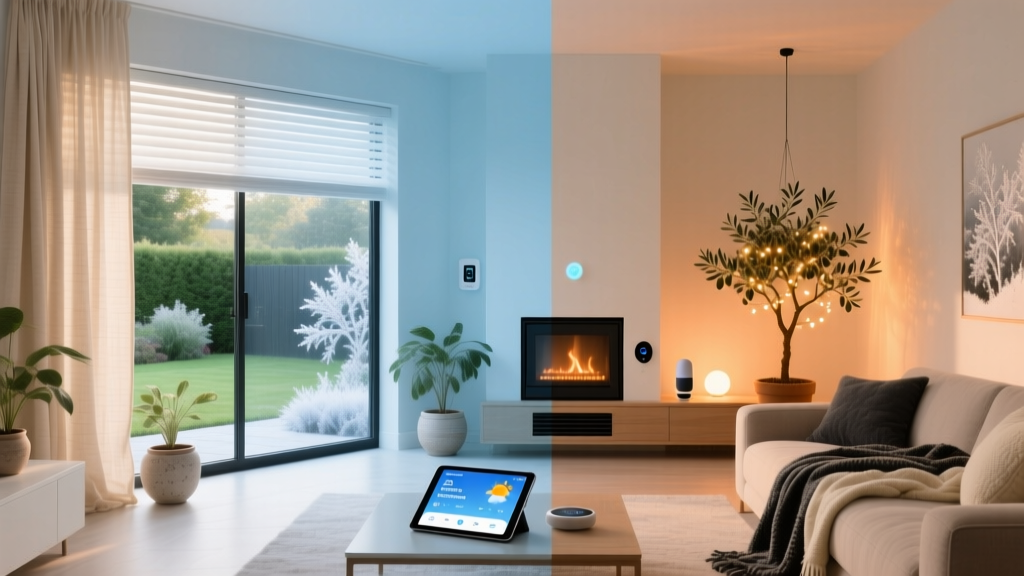
The living room is the hub of entertainment and socializing. Automation here should focus on lighting scenes, media control, and climate comfort.
Device Recommendations
- Lighting: Philips Hue White and Color Ambiance bulbs for floor lamps, paired with Lutron Caseta smart switches for overhead fixtures. This combination provides both aesthetic color control and reliable hardwired switching.
- Window Treatments: SwitchBot Curtain Rod 2 or Lutron Serena Roller Blinds. Motorized blinds protect your furniture from UV damage and can be scheduled to close during the hottest part of the day.
- Climate: Ecobee SmartThermostat Premium with remote room sensors to ensure the living area is perfectly conditioned when occupied.
- Media: A smart AV receiver (like Denon or Sony) that supports HDMI-CEC and IP control, allowing your smart hub to turn on the TV and soundbar simultaneously.
Automation Routine: "Movie Night"
When triggered via voice or a smart button, this routine dims the overhead Lutron lights to 10%, shifts the Philips Hue accent lamps to a deep amber, closes the motorized blinds, and powers on the TV and soundbar via HDMI-CEC. The Ecobee sensor checks if the room is occupied and adjusts the temperature to a comfortable 70°F.
The Kitchen: Efficiency and Safety
The kitchen demands hands-free operation, safety monitoring, and appliance integration. Since you are often cooking with messy hands, voice control and motion sensors are paramount.
Device Recommendations
- Smart Display: Amazon Echo Show 15 or Google Nest Hub Max. Mounted under cabinets or on a wall, these act as digital recipe books, family calendars, and camera feeds for the front door.
- Leak Detection: Moen Flo Smart Water Shutoff Valve. Installed on your main water line, it learns your home's water usage patterns and automatically shuts off the water if it detects a micro-leak or a burst pipe under the kitchen sink.
- Smart Plugs: Use heavy-duty smart plugs for older appliances like coffee makers or slow cookers, allowing you to turn them on via a morning routine.
- Lighting: Motion-sensor under-cabinet LED strips (like Govee or Philips Hue Lightstrip) that illuminate your countertops the moment you walk in with groceries.
Automation Routine: "Morning Prep"
Triggered by a contact sensor on the pantry door at 6:30 AM. The under-cabinet lights fade on to a bright, cool white (5000K) to help you see clearly. The smart plug powers on the coffee maker, and the smart display reads out the day's weather and calendar events.
The Bedroom: Sleep and Circadian Rhythms
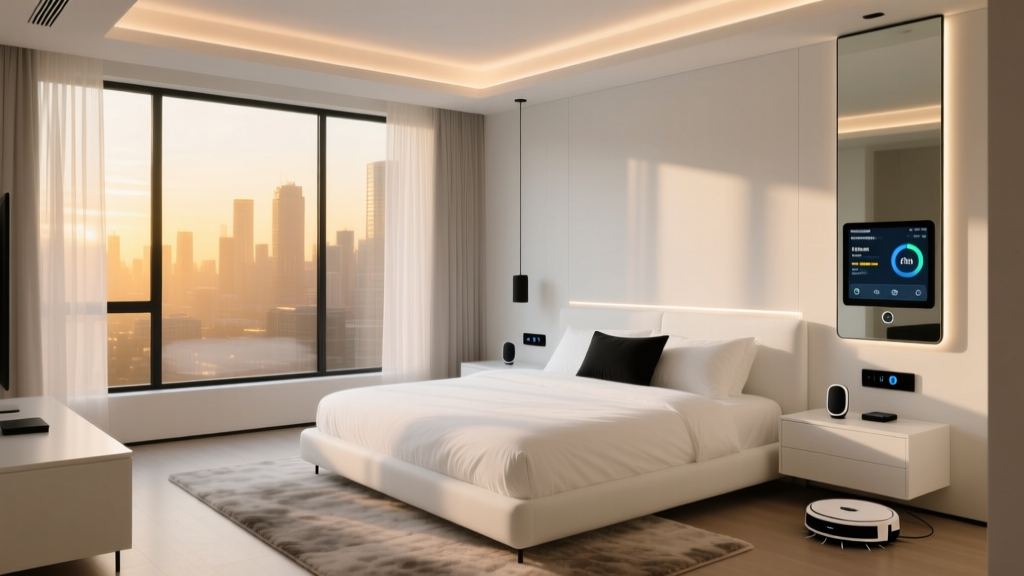
Bedroom automation should be invisible and focused on promoting deep sleep and gentle waking. Avoid bright screens and loud notifications in this space.
Device Recommendations
- Circadian Lighting: Nanoleaf Essentials A19 bulbs. These support Thread and automatically shift from energizing daylight hues in the morning to melatonin-friendly warm tones at night.
- Climate Control: According to the EPA, ENERGY STAR certified smart thermostats can save up to 8% on heating and cooling bills. Pair your main thermostat with a wireless temperature sensor placed on your nightstand to prioritize bedroom comfort while you sleep.
- Sleep Tracking: Withings Sleep Tracking Mat placed under the mattress to monitor sleep cycles and trigger automations based on your sleep state.
- Sound and Light: Hatch Restore 2 for smart alarm clocks that simulate a sunrise, gradually waking you with light before sound.
Automation Routine: "Deep Sleep"
When the Withings mat detects you have fallen asleep, the Nanoleaf bulbs turn off completely, the smart blinds close, and the thermostat drops the bedroom temperature by 3 degrees to optimize sleep conditions. If you wake up and place your feet on the floor, a low-level motion sensor triggers a dim, warm floor light to guide you to the bathroom without blinding you.
The Bathroom: Luxury and Leak Prevention
Bathrooms are high-humidity environments where safety and luxury intersect. Focus on moisture management, smart mirrors, and water conservation.
Device Recommendations
- Smart Mirror: Kohler Verdera Voice Lighted Mirror. Features built-in Alexa/Google Assistant, anti-fog capabilities, and adjustable lighting for makeup or shaving.
- Ventilation: Lutron Caseta switch connected to your exhaust fan, paired with a humidity sensor (like the Aeotec MultiSensor) to automatically clear steam after a shower.
- Smart Shower: Moen U Smart Shower system, allowing you to pre-heat the water to your exact preferred temperature via voice before stepping in.
Automation Routine: "Post-Shower Ventilation"
When the humidity sensor detects a spike above 75%, the exhaust fan turns on automatically. Once the humidity drops back to the baseline of 45%, the fan turns off, preventing mold growth and protecting your drywall.
Outdoor and Garage: Security and Curb Appeal
Exterior automation focuses on perimeter security, package management, and landscape maintenance.
Device Recommendations
- Smart Irrigation: Rachio 3 Smart Sprinkler Controller. It connects to local weather stations to skip watering on rainy days, saving thousands of gallons of water annually.
- Lighting: Ring Floodlight Cam Wired Pro or Philips Hue Outdoor Discover Floodlight. These provide motion-activated security lighting and integrate with your indoor ecosystem to flash lights if a threat is detected.
- Garage Access: Chamberlain MyQ Smart Garage Control. Enables geofencing so the garage door automatically closes when your car leaves the property and opens as you approach.
- Entryway: Schlage Encode Plus or Yale Assure Lock 2. Features built-in HomeKey and NFC support for tapping your phone or smartwatch to unlock the door.
Automation Routine: "Away Mode"
When the last person's phone leaves the geofence radius, the garage door shuts, exterior cameras arm, smart locks deadbolt, and indoor lights switch to a randomized "vacation mode" schedule to simulate occupancy.
Budget Tiers and Cost Breakdown
Building a smart home is a marathon, not a sprint. Below is a breakdown of estimated costs per room based on three distinct budget tiers. The Starter tier focuses on essential Wi-Fi and entry-level Zigbee devices. The Mid tier introduces premium brands and hardwired switches. The Pro tier includes custom motorized treatments, high-end audio, and professional-grade leak prevention.
| Room | Starter Tier | Mid Tier | Pro Tier |
|---|---|---|---|
| Living Room | $150 | $600 | $2,500+ |
| Kitchen | $100 | $450 | $1,500+ |
| Bedroom | $120 | $500 | $1,200+ |
| Bathroom | $80 | $350 | $900+ |
| Outdoor/Garage | $200 | $800 | $2,500+ |
Whole-Home Automation Budget Tiers
Network Infrastructure and Security
A whole-home automation plan will quickly collapse if your network infrastructure is inadequate. Connecting 50+ IoT devices to a standard ISP-provided router will lead to dropped connections and latency.
Networking Best Practices
- Mesh Wi-Fi 6E Systems: Invest in a tri-band mesh system (e.g., Eero Pro 6E or Asus ZenWiFi) to handle high bandwidth and provide dedicated backhaul channels.
- Thread Border Routers: Ensure you have at least two Thread border routers (like Apple HomePod Mini or Nest Hub) to create a resilient mesh network for low-power sensors.
- IoT VLANs: For advanced users, configure a Virtual Local Area Network (VLAN) specifically for IoT devices. This isolates your smart bulbs and plugs from your personal computers and phones, mitigating the risk of a compromised smart device exposing your private data.
Design and Aesthetic Considerations
Smart home technology should enhance your space, not clutter it. Aesthetic integration is crucial for maintaining the value and visual appeal of your home.
- Hide the Sensors: Use paintable, low-profile motion sensors mounted in the corners of ceilings where they blend into the architecture. Avoid placing bulky cameras on countertops.
- Match Your Switch Plates: If you install Lutron Caseta or Leviton Decora smart switches, ensure the wall plates match your existing electrical covers. Many brands offer color kits (white, ivory, almond, black, and brass).
- Recessed Outlets: When mounting smart TVs or motorized blinds, install recessed outlet boxes behind the devices to hide the power bricks and eliminate the need for ugly cord covers.
Conclusion
Executing a whole-home automation plan room-by-room allows you to build a highly customized, reliable, and secure smart home. By selecting the right ecosystem, investing in robust network infrastructure, and prioritizing local protocols like Matter and Thread, you future-proof your investment. Start with the living room or kitchen to build your confidence, then expand outward to create a home that truly anticipates your needs.