The Smart Home Ecosystem Wars: An Overview
Building a smart home is no longer just about buying a single smart bulb or a standalone Wi-Fi camera. It is about choosing a foundation—a central nervous system that will dictate how your devices communicate, how you control them, and who has access to your data. The modern smart home landscape is dominated by three titans: Amazon Alexa, Google Home, and Apple HomeKit (now officially branded as Apple Home). Each ecosystem offers a distinct philosophy regarding hardware, software, privacy, and interoperability.
For homeowners and renters alike, the 'ecosystem lock-in' effect is real. Once you invest hundreds of dollars into Zigbee sensors, Thread-enabled locks, and Wi-Fi cameras, switching platforms becomes a costly and frustrating endeavor. However, the recent introduction of the Matter protocol by the Connectivity Standards Alliance has begun to shift the battlefield, promising a future where cross-platform compatibility is the norm rather than the exception.
In this comprehensive showdown, we will dissect the hardware hubs, voice assistant intelligence, app user experiences, and privacy architectures of Amazon Alexa, Google Home, and Apple HomeKit. Whether you are a budget-conscious tinkerer, an Android power user, or a privacy-focused Apple loyalist, this guide will help you declare a winner for your specific household.
Amazon Alexa: The Compatibility Behemoth
Amazon Alexa remains the undisputed market leader in terms of raw device compatibility and market penetration. Amazon's strategy has always been ubiquity: get Alexa into as many homes as possible, often by selling Echo hardware at or below cost. This approach has resulted in the largest library of 'Works with Alexa' devices on the market.
Hardware and Hub Capabilities
Amazon offers a staggering array of Echo devices, ranging from the $49.99 Echo Dot (5th Gen) to the $249.99 Echo Show 15. For smart home enthusiasts, the most critical hardware offerings are those with built-in smart home hubs. The Echo (4th Gen) and Echo Show (2nd Gen, 10-inch, and 15) feature built-in Zigbee radios and Matter controller support. This means you can pair compatible Philips Hue bulbs, Yale locks, and Aqara sensors directly to the speaker without needing a separate bridge.
Furthermore, Amazon has integrated Thread border routers into select newer devices, positioning Alexa to be a central node in the emerging low-power mesh network standard. The Alexa app, while sometimes criticized for being cluttered with shopping recommendations and skills, offers unparalleled depth in routine creation. You can trigger routines based on virtual sensors, location geofencing, or even the sound of a dog barking via Alexa Guard.
Intelligence and User Experience
Alexa's voice recognition is highly accurate, even in noisy rooms, thanks to the far-field microphone arrays on premium Echo devices. However, Alexa's natural language processing (NLP) can sometimes feel rigid compared to Google. It excels at executing direct, multi-step commands (e.g., 'Alexa, turn off the living room lights and lock the front door'), but it struggles with conversational context and complex, open-ended queries. According to the Amazon Alexa Developer Portal, the platform supports hundreds of thousands of third-party skills, though smart home control remains the most consistent use case.
Google Home: The Contextual Intelligence Leader
Google Home (powered by Google Assistant) takes a fundamentally different approach. Leveraging Google's vast search and AI infrastructure, Google Assistant is widely considered the smartest and most conversational voice AI available. If your household frequently asks complex questions, sets nuanced reminders, or relies on Google Calendar, this ecosystem offers a seamless integration that Amazon and Apple struggle to match.
Hardware and Hub Capabilities
Google's hardware lineup is more streamlined, focusing on the Nest branding. The Nest Mini ($49.99) serves as a basic voice relay, while the Nest Hub (2nd Gen) at $99.99 and the Nest Hub Max at $229.99 act as visual command centers. Crucially, modern Nest Hubs and Nest Wi-Fi routers act as Thread border routers and Matter controllers. Because Google has been a massive proponent of Thread networking, its ecosystem is exceptionally well-prepared for the next generation of low-latency, battery-powered smart home sensors.
The recently redesigned Google Home app is a massive improvement over its predecessor. It introduces 'Favorites,' 'Rooms,' and 'Automations' tabs that make managing dozens of devices intuitive. The automation engine allows for complex 'Starter' and 'Action' logic, including the ability to use device states (like a smart plug's power draw) as triggers for other actions.
Intelligence and User Experience
Google Assistant's contextual awareness is its superpower. You can ask, 'Who is at the front door?' and if you have a compatible Nest Doorbell, the video feed will instantly pop up on your Nest Hub. You can ask follow-up questions without repeating the wake word, and the AI understands synonyms and conversational nuances far better than Alexa or Siri. However, Google's aggressive data-collection model is a point of contention for privacy advocates, as voice queries and smart home usage patterns are often tied to your broader Google profile.
Apple Home (HomeKit): The Privacy-First Fortress
Apple Home (formerly HomeKit) is the premium, privacy-obsessed alternative. Apple does not subsidize its hardware to gain market share, nor does it sell user data to advertisers. As highlighted on the official Apple Home overview, the ecosystem is built on a foundation of strict security protocols, local processing, and end-to-end encryption. For Apple users, the integration across iPhone, iPad, Mac, and Apple Watch is nothing short of magical.
Hardware and Hub Capabilities
Unlike Amazon and Google, Apple does not manufacture dedicated 'smart home hubs' with screens. Instead, it repurposes its existing premium hardware. The HomePod mini ($99) and the full-sized HomePod (2nd Gen, $299) serve as voice relays and hubs, featuring built-in Thread border routers and temperature/humidity sensors. For the ultimate Apple Home experience, the Apple TV 4K ($129+) acts as the primary hub, offering a blazing-fast Ethernet connection (on select models) and robust local processing for automations.
Apple's Home app is a masterclass in minimalist design. It is clean, responsive, and entirely free of ads or shopping prompts. The 'Home Secure Video' feature is a standout: it analyzes camera feeds locally using Apple silicon to recognize people, animals, and vehicles, and then encrypts the video clips end-to-end before storing them in your iCloud account. Not even Apple engineers can view your footage.
Intelligence and User Experience
Siri is undeniably the weakest link in the Apple Home ecosystem. While it has improved with on-device processing and better contextual awareness in recent iOS updates, it still lags behind Alexa and Google in handling complex, multi-step smart home commands and general knowledge queries. Furthermore, Apple's strict certification process means the 'Works with Apple Home' catalog is significantly smaller and often more expensive than its competitors, though this is rapidly changing with the advent of Matter.
Head-to-Head Ecosystem Comparison
To visualize the distinct strengths and weaknesses of each platform, we have scored them across four critical categories based on hardware capabilities, software fluidity, and privacy architectures.
| Feature | Amazon Alexa | Google Home | Apple HomeKit |
|---|---|---|---|
| Primary Hub Hardware | Echo (4th Gen), Echo Show | Nest Hub, Nest Wi-Fi | Apple TV 4K, HomePod |
| Built-in Protocols | Zigbee, Matter, Thread (select) | Thread, Matter, Wi-Fi | Thread, Matter, Bluetooth |
| Entry-Level Hub Price | ~$49.99 (Echo Dot) | ~$49.99 (Nest Mini) | ~$99.00 (HomePod mini) |
| Privacy Model | Cloud-heavy, ad-supported ecosystem | Cloud-heavy, data-integrated | Local-first, end-to-end encrypted |
| Best For | Budget builders, tinkerers | Android users, AI seekers | Privacy advocates, Apple users |
The Matter Protocol: A Ceasefire in the Wars?
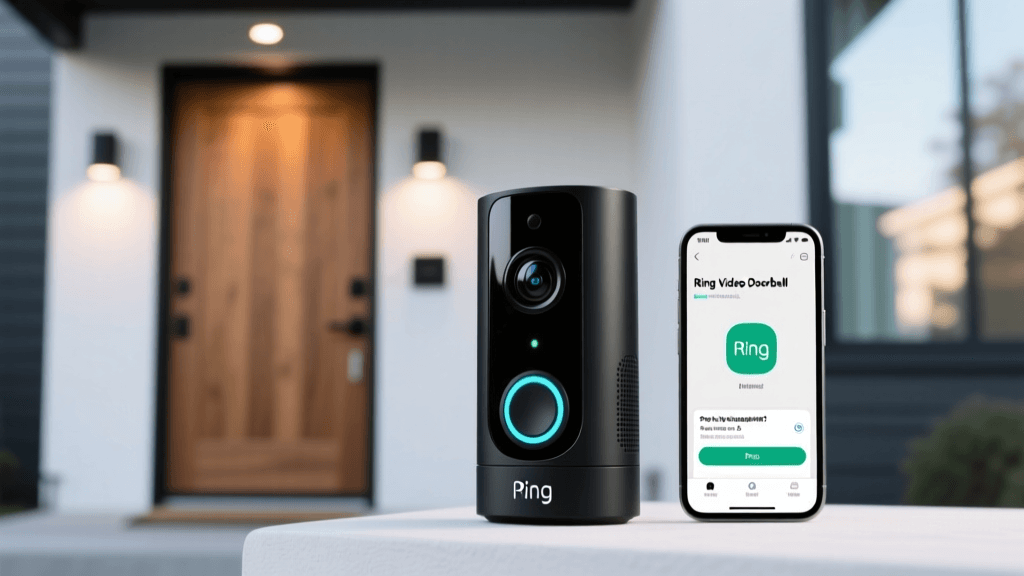
Historically, choosing an ecosystem meant locking yourself into a specific brand's hardware catalog. If you bought a Ring doorbell, you were tethered to Alexa. If you bought a Nest thermostat, you leaned heavily into Google. The introduction of the Matter protocol is actively dismantling these walled gardens.
Matter is an open-source, royalty-free connectivity standard that operates over Wi-Fi, Ethernet, and Thread. It ensures that a Matter-certified smart plug or lock will work natively with Alexa, Google Home, and Apple Home simultaneously. This means you can buy a single Eve Energy plug and control it via Siri on your iPhone, view its status on a Nest Hub, and trigger it via an Alexa routine.
However, Matter is not a silver bullet. While basic control (on/off, dimming, locking) is universal across platforms, advanced features like firmware updates, detailed energy monitoring, and proprietary automation logic often still require the manufacturer's native app and ecosystem. Furthermore, Amazon and Google are currently faster at rolling out Matter support across their legacy hardware lines compared to Apple, which enforces stricter security requirements for Matter accessory pairing.
Deep Dive: Automation and Routines
The true power of a smart home lies not in voice control, but in background automation. How do the three ecosystems compare when it comes to running your home on autopilot?
- Amazon Alexa Routines: Alexa offers the most diverse set of triggers. You can use 'hunches' (where Alexa guesses you left the house based on device states), specific times, sunrise/sunset, and even virtual buttons. The ability to use an Echo Show's camera to detect motion or a person as a routine trigger is a unique, albeit privacy-invasive, advantage.
- Google Home Automations: Google's automation engine shines in its 'Starter' logic. You can create highly specific conditions, such as triggering the hallway lights only if it is after sunset AND the Nest Thermostat detects the house is in 'Eco' mode. The integration with Google Calendar and location-based geofencing is incredibly reliable due to the Android OS's location tracking accuracy.
- Apple Home Automations: Apple relies on local processing for its automations, meaning they execute instantly and continue to work even if your internet connection drops. The ability to use NFC tags scanned by an iPhone to trigger complex Home scenes is a favorite among power users. However, Apple lacks the granular, multi-condition logic gates found in Google's app or third-party hubs like Home Assistant.
Final Verdict: Which Ecosystem Should You Choose?
The 'best' smart home ecosystem does not exist in a vacuum; it depends entirely on your existing tech stack, budget, and privacy tolerance.
Choose Amazon Alexa If:
You want the widest possible selection of affordable smart home devices. You enjoy tinkering with complex routines, and you don't mind a cloud-dependent system that occasionally pushes shopping suggestions. Alexa is the ultimate sandbox for smart home enthusiasts who want to connect obscure Zigbee sensors and budget Wi-Fi plugs without breaking the bank.
Choose Google Home If:
You live in an Android-heavy household and rely heavily on Google services (Calendar, Maps, YouTube). Google Assistant's conversational intelligence is vastly superior, making it the best choice for families with children or users who prefer asking natural, complex questions rather than memorizing rigid voice commands. The Nest hardware lineup is also incredibly cohesive and aesthetically pleasing.
Choose Apple Home (HomeKit) If:
You are already invested in the Apple ecosystem and prioritize data privacy above all else. The premium cost of entry is justified by the unparalleled security of HomeKit Secure Video, local automation processing, and the seamless handoff between your iPhone, Apple Watch, and Mac. As Matter adoption grows, Apple Home's historically limited device catalog is rapidly expanding, making it an increasingly viable option for whole-home deployments.
Ultimately, the smart home wars are transitioning from a battle of exclusive lock-in to a competition over user experience, AI integration, and privacy. By understanding the fundamental architectures of Alexa, Google Home, and Apple HomeKit, you can build a resilient, automated home that serves your lifestyle for years to come.