The Hidden Vulnerability of Cloud-Dependent Smart Homes
Imagine this scenario: a severe storm knocks out your neighborhood's internet connection. You reach for your phone to turn on the smart lights, but the app refuses to load. Your voice commands to the smart speaker are met with a dreaded, 'Sorry, I'm having trouble connecting to the internet.' Suddenly, your futuristic smart home is reduced to a collection of unresponsive plastic bricks. This is the hidden vulnerability of cloud-dependent smart home ecosystems.
For years, the smart home industry prioritized ease of setup and low hardware costs by offloading processing to remote cloud servers. While this makes devices cheaper upfront, it introduces severe reliability issues, latency delays, and privacy concerns. When the internet goes down, or when a company decides to sunset a cloud API, your home's functionality vanishes. As smart home technology matures, enthusiasts and everyday consumers alike are demanding offline functionality and local control. But which ecosystem actually delivers when the Wi-Fi drops?
Understanding Local vs. Cloud Processing
Before diving into specific platforms, it is crucial to understand the difference between local and cloud processing. In a cloud-dependent ecosystem, a command travels from your phone or voice assistant to your router, out to an internet server (often hosted on AWS or Google Cloud), back to the internet, and finally down to your smart device. This round-trip introduces latency (often 200ms to 500ms) and creates a single point of failure: your internet connection.
In a local processing ecosystem, commands are routed through a local hub on your home network (LAN) or via local wireless protocols like Zigbee, Z-Wave, or Thread. The latency is virtually imperceptible (under 20ms), and the system continues to function perfectly even if your ISP experiences a total outage. Let us break down how the major platforms handle offline reliability.
Ecosystem Breakdown: Local Control Champions vs. Cloud Casualties
Home Assistant: The Undisputed King of Local Control
If offline reliability is your absolute highest priority, Home Assistant is the undisputed champion. Built from the ground up as a local-first, open-source platform, Home Assistant processes all automations, dashboards, and device integrations on a local server sitting inside your home. According to the official Home Assistant Green launch documentation, the platform is explicitly designed to operate without any mandatory cloud connection, ensuring your data never leaves your local network.
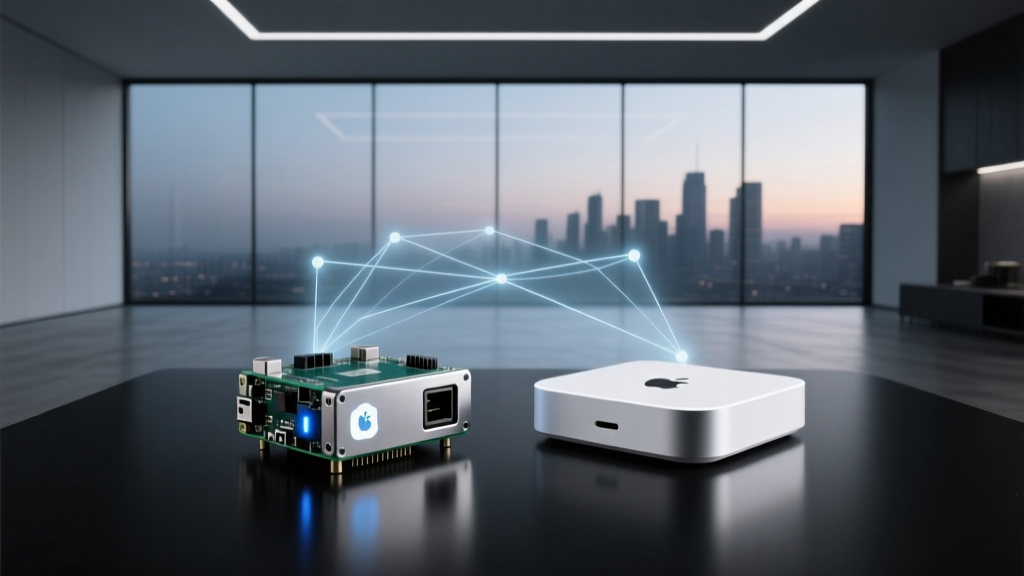
Hardware & Cost: You can run Home Assistant on a repurposed PC, a Raspberry Pi, or dedicated hardware like the Home Assistant Green (approx. $99) or the more advanced Home Assistant Yellow (approx. $199+). Offline Capabilities: 100% of your automations, dashboards, and Zigbee/Z-Wave/Thread integrations work offline. Even local voice control is possible using integrations like Wyoming and Piper, though it requires technical setup. The only features that fail offline are those inherently dependent on external services (e.g., checking a cloud-based weather API or controlling a cloud-only Wi-Fi camera).
Apple HomeKit: The Premium Local Experience
For users who want local reliability without the steep learning curve of Home Assistant, Apple HomeKit (now part of the Apple Home app) offers a highly polished, local-first experience. Apple mandates that HomeKit-certified devices support local communication via Wi-Fi, Bluetooth, or Thread. When you use a Home Hub, automations execute locally on the hub hardware.
Hardware & Cost: To achieve offline reliability, you must have a designated Home Hub, such as an Apple TV 4K (starting at $129) or a HomePod mini ($99). Offline Capabilities: Basic automations, sensor triggers, and Siri voice commands for local devices work flawlessly without internet. However, Apple's ecosystem is notoriously strict; if a device isn't natively HomeKit-certified or bridged via a local hub like Homebridge, it won't work. Furthermore, advanced automations requiring third-party webhooks will fail during an outage.
Samsung SmartThings: A Hybrid Approach with Edge Drivers
Samsung SmartThings has historically been a cloud-heavy platform, but a massive architectural shift has vastly improved its offline reliability. With the introduction of SmartThings Edge Drivers, Samsung moved the execution of Zigbee, Z-Wave, and select LAN devices from the cloud to the local hub. As detailed in the SmartThings Edge Developer Documentation, these Lua-based drivers run directly on the hub, allowing local execution of automations and device polling.
Hardware & Cost: The SmartThings Station (approx. $69) or the older SmartThings Hub v3 serve as the local brain. Offline Capabilities: If your devices use Zigbee or Z-Wave and have an installed Edge Driver, they will work offline. However, Wi-Fi devices and cloud-to-cloud integrations (like Ring or Ecobee) still rely on the internet. It is a hybrid system: highly reliable for local mesh networks, but fragile for Wi-Fi gadgets.
Amazon Alexa & Google Home: The Cloud-Reliant Giants
Amazon Alexa and Google Home dominate the market in voice assistant usage, but they are fundamentally cloud-reliant ecosystems. When your internet drops, the vast majority of their functionality drops with it.
Offline Capabilities: Amazon has introduced 'Local Routines' for specific Zigbee-enabled Echo devices, allowing basic time-based or sensor-based routines to survive an outage. Google has integrated on-device processing for some Nest products, but this is largely limited to basic voice recognition and specific hardware like the Nest Thermostat. For 95% of users, an internet outage renders Alexa and Google Home voice commands and cross-brand automations completely useless. They are not recommended for users prioritizing offline resilience.
The Role of Matter and Thread in Offline Reliability
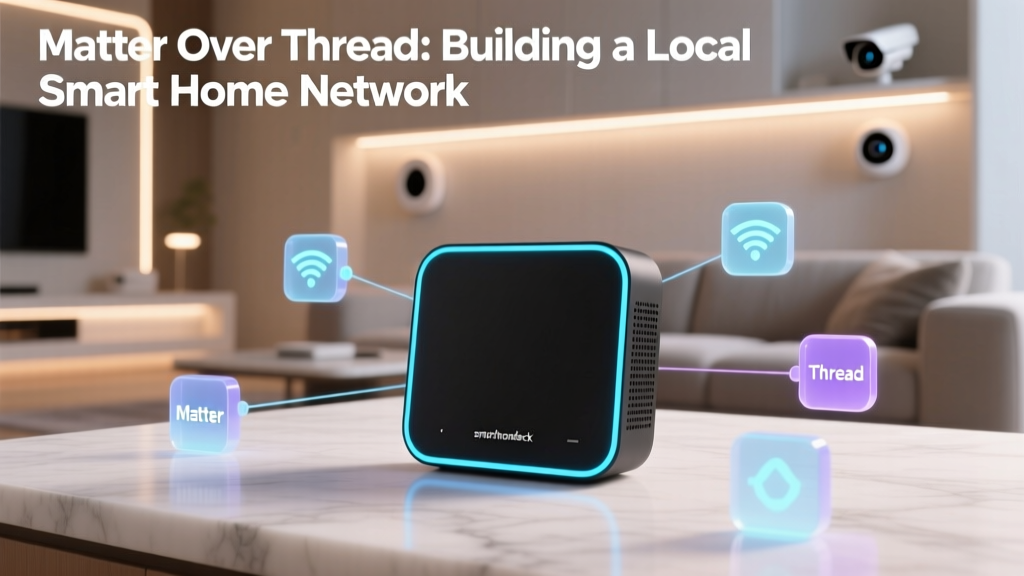
The future of offline smart home reliability lies in the Matter protocol and Thread networking. Matter is an open-source connectivity standard that mandates local control as a baseline requirement. According to the Connectivity Standards Alliance (CSA), Matter devices are designed to communicate locally with controllers, ensuring that basic operations like flipping a smart switch or triggering a motion sensor do not require a cloud detour.
Thread, the underlying low-power mesh networking protocol for Matter, further enhances reliability. Unlike Wi-Fi, which relies on a single router, Thread devices create a self-healing mesh network. If one node loses power, the network automatically reroutes data through other devices, eliminating single points of failure and vastly improving the physical reliability of your local smart home infrastructure.
Comparison Chart: Ecosystem Offline Capabilities
| Ecosystem | Primary Hub Required | Local Automation | Offline Voice Control | Estimated Hub Cost |
|---|---|---|---|---|
| Home Assistant | Yes (Green, Yellow, Pi) | 100% (Native) | Yes (via local add-ons) | $99 - $199 |
| Apple HomeKit | Yes (Apple TV, HomePod) | High (Certified devices) | Yes (Siri on Hub) | $99 - $129 |
| SmartThings | Yes (Station, Hub v3) | Moderate (Edge Drivers) | No | $69 - $99 |
| Amazon Alexa | Optional (Echo w/ Zigbee) | Low (Local Routines only) | No | $50 - $150 |
| Google Home | Yes (Nest Hub) | Very Low | No | $99 - $129 |
Visualizing Ecosystem Reliability Scores
The following chart illustrates how these ecosystems score in terms of local automation reliability and offline voice control capabilities, based on architectural design and real-world performance during simulated network outages.
Actionable Steps to Bulletproof Your Smart Home
If you are tired of your smart home failing during internet outages, follow these actionable steps to build a resilient, local-first ecosystem:
- Invest in a Local Hub: Stop relying on cloud-based Wi-Fi devices. Purchase a dedicated local hub like the Home Assistant Green or an Apple TV 4K to act as the brain of your operations.
- Prioritize Zigbee, Z-Wave, and Thread: When buying new sensors, switches, and bulbs, choose devices that use mesh protocols rather than Wi-Fi. This reduces network congestion and keeps traffic off your cloud-dependent router.
- Use Physical Smart Switches: Instead of relying solely on smart bulbs (which become useless if someone flips the physical wall switch), install smart relays or smart wall switches (like Lutron Caseta or Inovelli) that maintain physical control regardless of network status.
- Audit Your Automations: Review your current routines. If an automation requires checking an external weather API or pinging a cloud server, it will fail offline. Rewrite these using local lux sensors or time-based triggers.
- Prepare for Offline Voice: If voice control is critical during an outage, look into Home Assistant's local voice pipelines, or ensure your Apple HomePods are strategically placed to handle offline Siri requests for HomeKit devices.
Conclusion
The convenience of the modern smart home should not come at the cost of basic reliability. While Amazon Alexa and Google Home offer incredible cloud-based features and vast third-party support, they fundamentally fail the offline reliability test. For consumers who demand a home that works regardless of ISP uptime, Home Assistant offers unparalleled local control for the technically inclined, while Apple HomeKit provides a premium, user-friendly local experience. Meanwhile, SmartThings is bridging the gap with Edge Drivers, and the impending Matter standard promises to make local control the industry baseline. By choosing the right ecosystem and prioritizing local protocols, you can build a smart home that is truly resilient.