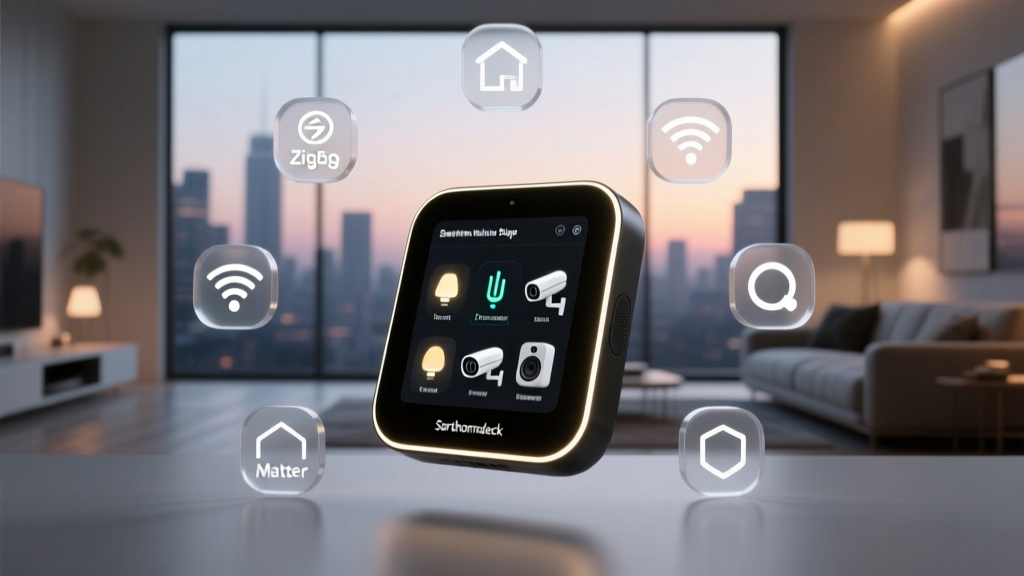
If you have been browsing r/homeautomation, r/smarthome, or r/HomeKit lately, you already know that the smart home landscape is vast, sometimes overwhelming, and full of passionate opinions. Reddit has become one of the most trusted sources for real-world smart home advice because the recommendations come from actual users who have tested, broken, fixed, and perfected their setups over time. This guide distills the collective wisdom of thousands of Reddit threads into a single, actionable installation walkthrough that will help you build the best smart home setup from scratch.
Whether you are starting with a single smart bulb or planning a whole-home automation overhaul, this guide covers the hardware, software, network infrastructure, and step-by-step installation process that Reddit power users consistently recommend. We will focus on a hub-based, locally controlled setup — the kind of system that earns upvotes rather than frustration.
Difficulty Level: Intermediate (some networking knowledge helpful)
Estimated Time: 4–8 hours for a basic setup; 2–3 weekends for a full-home installation
Best For: Homeowners & renters who want a reliable, privacy-friendly smart home that does not depend entirely on the cloud
Tools & Products You Will Need
Before diving into the installation, gather the tools and products that Reddit communities consistently recommend. Here is a comprehensive checklist organized by category.
Network Infrastructure
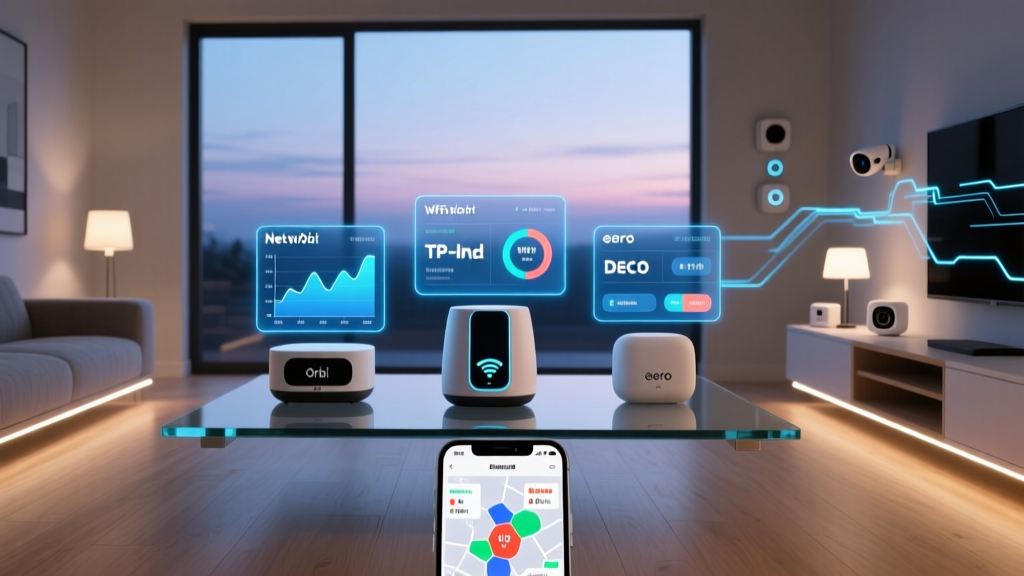
- Mesh Wi-Fi system — Reddit favorites include Eero, TP-Link Deco, & Ubiquiti UniFi for advanced users
- Ethernet cables (Cat6) — for hardwiring access points & hubs where possible
- Network switch (optional) — an 8-port or 16-port unmanaged switch for expanding wired connections
- Dedicated 2.4 GHz SSID — most smart home devices operate on 2.4 GHz only
Smart Home Hub & Controller
- Home Assistant (running on a Raspberry Pi 4/5, mini PC, or dedicated Home Assistant Green box) — the undisputed Reddit champion for local control
- Alternative hubs: Samsung SmartThings Station, Hubitat Elevation, or Apple HomePod (for HomeKit-only users)
- Zigbee USB dongle — Sonoff Zigbee 3.0 USB Dongle Plus (P-version) is the Reddit community pick
- Z-Wave USB dongle — Aeotec Z-Stick Gen5+ for Z-Wave device support
Smart Devices (Starter Kit)
- Smart switches & dimmers — Lutron Caséta, Inovelli, or Zooz (Z-Wave) are Reddit top picks
- Smart bulbs — Philips Hue (Zigbee) or Sengled for budget-friendly Zigbee bulbs
- Smart plugs — TP-Link Kasa or Zigbee-based plugs from Third Reality
- Motion & door/window sensors — Aqara, Sonoff, or Zooz depending on your protocol
- Smart thermostat — Ecobee or Honeywell Home T9
- Smart locks — Schlage Encode, Yale Assure Lock 2, or Aqara U200
- Smart cameras & doorbell — Reolink, Amcrest, or Unifi Protect for local recording; Ring or Google Nest for cloud options
Tools
- Phillips & flathead screwdrivers
- Voltage tester (non-contact)
- Wire strippers & wire nuts
- Drill & drywall anchors (for sensor mounting)
- Label maker (trust Reddit on this one — you will thank yourself later)
- Smartphone with relevant apps installed
For more detailed product comparisons, check out our smart home hub comparison guide to find the perfect controller for your needs.
Step 1: Build a Rock-Solid Network Foundation
The single most common piece of advice across every smart home subreddit is this: your network is the backbone of your smart home. If your Wi-Fi is unreliable, every smart device you install will be unreliable too. Reddit users who struggle with dropped connections, slow response times, & device failures almost always trace the problem back to their network.
Set Up a Mesh Wi-Fi System
Start by installing a mesh Wi-Fi system that covers every corner of your home. Place the primary node near your modem & distribute satellite nodes to eliminate dead zones. Hardwire the nodes with Ethernet if your home supports it — Reddit users universally agree that wired backhaul is vastly superior to wireless backhaul.
- Connect the primary mesh node to your modem via Ethernet
- Power on the primary node & complete initial setup through the manufacturer app
- Place satellite nodes in strategic locations — aim for no more than two walls between any node & its nearest neighbor
- Run Ethernet to satellite nodes wherever possible for wired backhaul
- Test signal strength in every room using a Wi-Fi analyzer app
Create a Dedicated 2.4 GHz SSID
Most smart home devices — especially budget-friendly ones — only support 2.4 GHz Wi-Fi. Reddit users strongly recommend creating a separate SSID specifically for 2.4 GHz IoT devices. This prevents connection confusion during setup & reduces congestion on your primary 5 GHz network.
- Access your router or mesh system admin panel
- Create a new SSID (e.g., "MyHome-IoT") that broadcasts only on 2.4 GHz
- Use WPA2 security (many IoT devices do not support WPA3)
- Set a strong but compatible password — avoid special characters that some devices cannot parse
- Disable band steering on this SSID to prevent devices from being pushed to 5 GHz
Consider a Separate VLAN (Advanced)
Power users on r/homelab & r/homeautomation frequently recommend isolating IoT devices on a separate VLAN. This improves security by preventing compromised smart devices from accessing your personal computers, NAS drives, & other sensitive equipment. If your router supports VLANs (Ubiquiti, pfSense, & some TP-Link models do), create a dedicated IoT VLAN & apply firewall rules to restrict lateral traffic.
Need help with the networking side? Our smart home network setup guide walks through VLANs, firewall rules, & mesh optimization in detail.
Step 2: Install & Configure Your Smart Home Hub
The hub is the brain of your smart home, & Reddit overwhelmingly recommends Home Assistant for users who want maximum flexibility, local control, & privacy. Home Assistant supports thousands of integrations, runs automations locally without cloud dependency, & has an incredibly active community that constantly improves the platform.
Choose Your Home Assistant Hardware
Reddit users typically recommend one of these options for running Home Assistant:
- Home Assistant Green — the official plug-and-play box; easiest option for beginners
- Raspberry Pi 4 or 5 — budget-friendly & widely supported, though supply can fluctuate
- Mini PC (Intel N100 or similar) — the Reddit power-user pick for reliability & performance
- Repurposed laptop or desktop — great if you have spare hardware lying around
Install Home Assistant
- Download the Home Assistant OS image from the official website for your chosen hardware platform
- Flash the image to a microSD card (for Raspberry Pi) or SSD/USB drive (for mini PC) using Balena Etcher
- Insert the storage media into your device & connect it to your network via Ethernet
- Power on the device & wait approximately 5–10 minutes for the first boot
- Open a browser on any device on your network & navigate to http://homeassistant.local:8123
- Create your admin account & set your home location, time zone, & preferred units
Add Zigbee & Z-Wave Support
One of the most praised aspects of Home Assistant on Reddit is its ability to support multiple wireless protocols simultaneously through USB dongles.
- Plug your Zigbee USB dongle into the Home Assistant device (use a USB extension cable to reduce interference — this is a frequently shared Reddit tip)
- Navigate to Settings > Devices & Services > Add Integration
- Search for ZHA (Zigbee Home Automation) & follow the setup wizard
- Repeat the process with your Z-Wave USB dongle using the Z-Wave JS integration
- Use the extension cable to position dongles away from USB 3.0 ports & Wi-Fi antennas, which can cause signal interference
Alternative Hub Options
If Home Assistant feels too complex for your current skill level, Reddit also recommends these alternatives:
- Hubitat Elevation — local processing with a simpler interface; great for Z-Wave & Zigbee devices
- Samsung SmartThings — user-friendly but more cloud-dependent; works well for beginners
- Apple HomeKit (via HomePod) — ideal for Apple ecosystem users, though device compatibility is more limited
You can always migrate to Home Assistant later. Many Reddit users started with SmartThings or HomeKit & eventually moved to Home Assistant as their needs grew.
Step 3: Add Smart Devices to Your System
With your hub running & your network solid, it is time to start adding devices. Reddit users recommend a methodical, room-by-room approach rather than buying everything at once. Start with the devices that deliver the most immediate impact & expand from there.
Install Smart Switches & Dimmers
Smart switches are consistently the number one recommendation on r/homeautomation because they make existing dumb lights smart without requiring smart bulbs in every fixture.
- Turn off power at the circuit breaker for the switch you are replacing
- Use a non-contact voltage tester to confirm the power is off
- Remove the existing switch & identify your wiring — you need a line (hot), load, neutral, & ground wire. Note: many Reddit troubleshooting threads involve switches that require a neutral wire in boxes that do not have one. Check before purchasing.
- Connect the smart switch wires to the corresponding house wires using wire nuts
- Secure the switch in the wall box & attach the faceplate
- Restore power at the breaker
- Put the switch into pairing mode (refer to manufacturer instructions — usually involves holding a button for 5–10 seconds)
- In Home Assistant, navigate to your Zigbee or Z-Wave integration & click Add Device
- Wait for the device to be discovered & assign it a clear, descriptive name (e.g., "Kitchen Main Lights")
Reddit pro tip: Lutron Caséta switches use their own proprietary Clear Connect RF protocol & require a Lutron Smart Bridge. They are incredibly reliable & are often called the "it just works" option on Reddit, though they are pricier than Zigbee or Z-Wave alternatives.
Set Up Motion & Door/Window Sensors
Sensors are what transform a smart home from a remote-control system into a truly automated one. Reddit users love sensors because they enable automations that happen without any user interaction.
- Unbox the sensor & remove any battery isolation tabs
- Put the sensor into pairing mode (usually by pressing a small button or removing & reinserting the battery)
- In Home Assistant, initiate device discovery through ZHA or Z-Wave JS
- Once paired, mount the sensor using adhesive tape or screws
- For motion sensors, place them at chest height (about 4–5 feet) in corners for best coverage
- For door/window sensors, ensure the magnet is within the specified gap distance (usually less than 1 inch)
- Test each sensor to confirm it reports state changes accurately in your hub
Install Smart Plugs
Smart plugs are the easiest entry point & a Reddit favorite for controlling lamps, fans, coffee makers, & other devices with simple on/off switches.
- Plug the smart plug into a wall outlet
- Connect it to your IoT Wi-Fi network using the manufacturer app (for Wi-Fi plugs) or pair it through ZHA (for Zigbee plugs)
- Name the plug descriptively in your hub
- Plug your target device into the smart plug
- Test on/off control from your hub dashboard
Set Up Smart Thermostat
- Turn off power to your HVAC system at the breaker
- Remove your existing thermostat faceplate & take a photo of the wiring for reference
- Label each wire according to its terminal marking (R, W, Y, G, C, etc.)
- Install the new thermostat base plate & connect wires to matching terminals
- Attach the faceplate & restore power
- Follow the on-screen setup wizard on the thermostat
- Connect the thermostat to your Wi-Fi network & integrate it with Home Assistant through the appropriate integration (Ecobee, Honeywell, etc.)
Reddit users frequently emphasize the importance of a C-wire (common wire) for smart thermostats. If your home lacks one, consider a C-wire adapter kit, which most thermostat manufacturers sell as an accessory.
Explore our smart thermostat installation guide for a deeper dive into wiring scenarios & compatibility checks.
Step 4: Create Automations & Routines That Actually Work
The true magic of a smart home is automation — devices working together without you lifting a finger. Reddit communities like r/homeautomation are filled with automation examples, & the best ones share common traits: they are simple, reliable, & solve real daily problems.
Start With These Essential Automations
Reddit users consistently recommend starting with these high-impact, low-complexity automations:
- Arriving home: Lights turn on in the entryway & living room when your phone connects to Wi-Fi or a door sensor opens after sunset
- Leaving home: All lights turn off, thermostat adjusts to eco mode, & doors lock when everyone leaves
- Goodnight: All lights turn off, doors lock, thermostat lowers, & exterior cameras activate when you say "Goodnight" or at a scheduled time
- Motion-activated lighting: Hallway & bathroom lights turn on at low brightness when motion is detected between 11 PM & 6 AM
- Climate response: Blinds close when indoor temperature exceeds a threshold on hot days
Build Automations in Home Assistant
- Navigate to Settings > Automations & Scenes
- Click Create Automation & choose Create new automation
- Set your trigger — this is the event that starts the automation (e.g., a motion sensor detecting motion, a time of day, or a device state change)
- Add conditions if needed — these are filters that must be true for the automation to run (e.g., "only after sunset" or "only when nobody is home")
- Define actions — what should happen when the trigger fires & conditions are met (e.g., turn on a light, send a notification, adjust thermostat)
- Give your automation a clear, descriptive name
- Test the automation by manually triggering it, then verify it works in real-world conditions
Reddit Automation Best Practices
- Keep it simple at first. Overly complex automations with dozens of conditions are harder to debug. Reddit users recommend the "one trigger, one or two conditions, one or two actions" rule for beginners.
- Use helpers & input booleans to create manual overrides. For example, a "Guest Mode" toggle that disables motion-based light automations so guests are not left in the dark.
- Log everything. Enable automation tracing in Home Assistant so you can review exactly what happened & when. This is invaluable for troubleshooting.
- Test edge cases. What happens if the internet goes down? What if a sensor battery dies? The best Reddit-shared automations account for failure scenarios gracefully.
- Communicate with your household. The most upvoted Reddit posts about smart home satisfaction mention getting buy-in from family members or roommates. Automations should feel helpful, not intrusive.
Step 5: Build Your Dashboard & Fine-Tune Your System
A beautiful, functional dashboard is what ties your entire smart home together. Home Assistant offers a highly customizable dashboard system, & Reddit users have shared some stunning setups on r/homeassistant.
Design Your Main Dashboard
- Navigate to your Home Assistant dashboard & click the pencil icon to enter edit mode
- Create separate views (tabs) for different areas: Home Overview, Lighting, Climate, Security, & Media
- Add cards for each device or entity you want to control — start with the most frequently used devices
- Use Mushroom cards or Button cards (available through HACS — the Home Assistant Community Store) for a clean, modern look that Reddit users love
- Group related devices into sections — for example, all living room lights in one card group
- Add a weather card, a security camera feed, & an energy usage graph to your overview tab
Set Up Remote Access
Reddit users recommend several methods for accessing your smart home remotely without exposing your network to security risks:
- Home Assistant Cloud (Nabu Casa) — the official, paid option that supports Home Assistant development; easiest setup
- Tailscale or ZeroTier — free VPN solutions that create a secure tunnel to your home network; popular on r/homelab
- Cloudflare Tunnel — a free, secure reverse proxy that avoids opening ports on your router
Reddit strongly advises against simply forwarding ports on your router to expose Home Assistant directly to the internet. This is a security risk that frequently leads to compromised systems.
Install HACS & Community Add-Ons
HACS (Home Assistant Community Store) unlocks thousands of community-built integrations, themes, & custom cards. Installing it is a rite of passage for Home Assistant users on Reddit.
- Open the Home Assistant terminal (via Settings > Add-ons > Terminal & SSH)
- Run the HACS installation command from the official HACS website
- Restart Home Assistant
- Add the HACS integration through Settings > Devices & Services
- Authenticate with your GitHub account
- Browse & install community integrations, dashboard themes, & custom cards
Popular HACS additions recommended on Reddit include Frigate (local AI-powered camera NVR), Adaptive Lighting (automatically adjusts light color temperature throughout the day), & Powercalc (estimates energy consumption for devices that do not report it natively).
For a deeper look at dashboard design, visit our Home Assistant dashboard customization guide.
Troubleshooting Common Smart Home Setup Issues
Even the best-planned smart home installations run into hiccups. Here are the most common problems Reddit users encounter & how to fix them.
Zigbee or Z-Wave Devices Will Not Pair
- Move the device closer to the hub during pairing — you can relocate it after it joins the mesh
- Ensure you are using a USB extension cable for your dongle to reduce interference
- Check that the device is in pairing mode (some devices require a specific button press sequence)
- Remove any SmartThings or other hub that may have previously paired the device — Zigbee & Z-Wave devices can only join one network at a time
- For Z-Wave devices, try excluding the device first, then re-including it
Wi-Fi Smart Devices Keep Dropping Offline
- Verify the device is connected to your 2.4 GHz SSID & has not roamed to 5 GHz
- Reduce the number of devices on your primary router — many consumer routers struggle with more than 30–40 connected devices
- Assign a static IP or DHCP reservation to each IoT device in your router settings
- Check for IP address conflicts on your network
- Ensure your router's DHCP lease time is set to at least 24 hours (shorter lease times cause frequent reconnections)
Automations Are Not Firing
- Use Home Assistant's automation trace feature to see exactly where the automation failed
- Check that all conditions are being met — a common mistake is using "before" & "after" time conditions that span midnight incorrectly
- Verify that the trigger entity is reporting state changes correctly (check the entity's history in Home Assistant)
- Ensure the automation is enabled (it is easy to accidentally toggle it off during testing)
- Check for conflicting automations that may be overriding each other
Smart Switch Not Working After Installation
- Double-check that the neutral wire is connected — most smart switches require one
- Verify that the line & load wires are not swapped (use a voltage tester to identify the line wire)
- Ensure the circuit breaker is fully reset (some breakers need to be switched fully off then on)
- Check the wattage rating of the switch versus the connected load — overloading can cause the switch to shut down
Home Assistant Is Slow or Unresponsive
- Check your storage media — microSD cards degrade over time & are a leading cause of Home Assistant crashes. Reddit strongly recommends migrating to an SSD
- Review your recorder settings & purge old data (Settings > Devices & Services > Recorder)
- Reduce the number of entities being tracked — disable polling for devices you do not actively use
- Check system resources (CPU & RAM) in the Home Assistant system monitor
Frequently Asked Questions
Is Home Assistant really the best smart home hub according to Reddit?
Home Assistant is consistently the most recommended hub on r/homeautomation, r/smarthome, & r/homelab. Reddit users praise it for its local processing, massive integration library, active community, & complete privacy. The main caveat is that it has a steeper learning curve than SmartThings or Apple HomeKit. If you are willing to invest a weekend learning the basics, Reddit users overwhelmingly agree that Home Assistant pays dividends in the long run. For those who want something simpler, Hubitat Elevation is the next most recommended local hub.
Which wireless protocol should I choose: Zigbee, Z-Wave, Wi-Fi, or Thread/Matter?
Reddit's general consensus is to use a mix of protocols based on the device type. Zigbee is preferred for sensors, bulbs, & battery-powered devices because of its low power consumption & strong mesh networking. Z-Wave is favored for switches, locks, & garage door controllers because it operates on a different frequency than Wi-Fi, reducing interference. Wi-Fi is acceptable for plugged-in devices like smart plugs & cameras but should be limited because too many Wi-Fi IoT devices can overwhelm your router. Thread & Matter are the emerging standards that Reddit users are excited about, but the device ecosystem is still maturing. The best approach is to start with Zigbee or Z-Wave for core devices & add Thread/Matter devices as they become available.
How much does a good smart home setup cost?
Based on Reddit discussions, a solid starter setup costs between $300 & $600. This typically includes a hub (or Raspberry Pi), a Zigbee dongle, 4–6 smart switches or bulbs, 2–3 sensors, & a smart plug or two. A comprehensive whole-home setup with smart switches in every room, sensors on every door, smart locks, cameras, & a smart thermostat typically ranges from $1,500 to $4,000+ depending on the size of your home & the brands you choose. Reddit users frequently note that buying devices gradually over time — rather than all at once — makes the investment more manageable & allows you to learn as you go.
Can renters install a smart home setup without losing their deposit?
Absolutely. Reddit's r/smarthome & r/HomeKit communities are full of renter-friendly setups. Smart plugs, smart bulbs, battery-powered sensors with adhesive mounting, & freestanding cameras require zero permanent modifications. If you want smart switches, you can install them & keep your original switches in a labeled bag to swap back when you move out — most landlords will not object to upgraded switches as long as the originals are available. Smart locks like the Aqara U200 retrofit over existing deadbolts without replacing them. Renters should also prioritize a hub that is easy to pack up & move, like a Home Assistant Green box or a Raspberry Pi.
How do I make sure my smart home still works when the internet goes down?
This is one of the most discussed topics on Reddit, & the answer is local control. Home Assistant, Hubitat, & Apple HomeKit all process automations locally, meaning your lights, sensors, & automations continue working even without an internet connection. Zigbee & Z-Wave devices communicate directly with your hub over their own mesh networks, so they do not depend on Wi-Fi or the internet. The devices that will stop working are cloud-dependent ones like Ring cameras, Google Nest devices, & any smart device that requires a cloud server to process commands. Reddit's advice: prioritize devices that support local control & treat cloud-dependent devices as a convenience rather than a necessity. Check out our guide to local smart home control for more details on building an internet-independent setup.