Smart Home Installation Courses in the UK: Your Complete Guide to Getting Certified
The smart home industry is experiencing explosive growth across the United Kingdom, and with it comes an increasing demand for qualified, certified installers. Whether you are an electrician looking to expand your skill set, a technology enthusiast wanting to turn a passion into a profession, or a complete beginner exploring a new career path, smart home installation courses in the UK offer a structured pathway into one of the most exciting sectors in modern technology.
This comprehensive guide walks you through everything you need to know about finding, enrolling in, and completing a smart home installation course in the UK. From understanding the different types of qualifications available to knowing exactly what tools you will need, we cover every step of the journey.
Quick Overview
- Difficulty Level: Beginner to Intermediate (depending on course selection)
- Estimated Time to Complete: 2 days to 6 months (varies by course type and depth)
- Average Cost: £300 – £3,500 depending on certification level
- Prerequisites: Varies — some courses require basic electrical knowledge, others are open to all
- Outcome: Industry-recognised certification and practical installation skills
Why Pursue Smart Home Installation Training in the UK
The UK smart home market continues to expand at a remarkable pace. Homeowners across England, Scotland, Wales, and Northern Ireland are increasingly investing in connected devices, automated lighting, smart security systems, climate control, and whole-home audio solutions. This surge in consumer demand has created a significant skills gap — there simply are not enough trained professionals to meet the need.
For tradespeople and technicians, this represents a tremendous opportunity. Adding smart home installation to your repertoire can significantly increase your earning potential and make your services more competitive. For career changers, the smart home sector offers a future-proof career path that combines technology, hands-on work, and creative problem-solving.
Key Benefits of Professional Training
- Industry Recognition: Certified installers are preferred by both homeowners and commercial clients. A recognised qualification demonstrates competence and professionalism.
- Insurance & Liability: Many insurance providers require certified training before covering smart home installation work, particularly when it involves electrical systems.
- Access to Trade Accounts: Major smart home manufacturers and distributors often restrict trade pricing to certified installers, improving your profit margins on every project.
- Hands-On Experience: Quality courses provide practical, hands-on training with real equipment, allowing you to build confidence before working on client properties.
- Networking Opportunities: Training courses connect you with industry professionals, manufacturers, and fellow installers who can become valuable contacts throughout your career.
If you are also considering setting up your own smart home before offering professional services, check out our guide on getting started with smart home setup to build foundational knowledge.
Types of Smart Home Installation Courses Available in the UK
The UK offers a diverse range of smart home installation courses catering to different experience levels, specialisations, and career goals. Understanding the landscape of available training will help you choose the right programme for your needs.
Manufacturer-Specific Certification Courses
Many leading smart home brands offer their own certification programmes. These courses focus on specific ecosystems and product lines, teaching you how to design, install, and troubleshoot systems using that manufacturer's equipment.
- Control4 Certification: One of the most recognised premium smart home platforms. Control4 offers dealer training covering system design, programming, and installation. Courses range from foundational to advanced levels and typically require you to be associated with an authorised dealer.
- Savant Training: Savant provides comprehensive training for installers focusing on their whole-home automation solutions. Their programmes cover audio, video, lighting, climate, and security integration.
- Lutron Certification: Lutron is a leader in smart lighting and shading solutions. Their training programmes cover everything from basic dimmer installation to complex RadioRA and Homeworks systems.
- KNX Training: KNX is an open-standard building automation protocol widely used across Europe. KNX certification is highly valued in the UK and is offered through accredited training centres. The KNX Basic course typically runs over five days and covers the fundamentals of KNX system design and commissioning.
- Crestron Training: Crestron offers extensive training programmes for AV and automation professionals. Their courses cover programming, system design, and installation of Crestron products.
Independent Training Providers & Colleges
Several independent training organisations and further education colleges across the UK offer smart home installation courses that are not tied to a specific manufacturer. These programmes provide broader knowledge and are often ideal for beginners.
- CEDIA (Custom Electronic Design & Installation Association): CEDIA is the international trade association for the home technology industry. They offer a range of courses from introductory smart home concepts to advanced cable management, networking, and system design. CEDIA certification is widely respected across the industry.
- City & Guilds: City & Guilds offers qualifications in smart home technology and connected devices. These are nationally recognised qualifications that carry significant weight with employers and clients.
- NICEIC: For electricians expanding into smart home work, NICEIC offers training on smart home electrical installations, ensuring compliance with UK wiring regulations (BS 7671).
- Local Colleges & Training Centres: Many further education colleges across the UK now include smart home modules within their electrical installation or IT courses. These are often more affordable and may be eligible for government-funded training schemes.
Online & Hybrid Courses
For those who need flexibility, online and hybrid courses combine digital learning with practical assessment. These are particularly useful for working professionals who cannot commit to full-time classroom training.
- Online Theory Modules: Cover system design principles, networking fundamentals, product knowledge, and best practices through video lectures, interactive modules, and assessments.
- Practical Workshops: Many online courses include mandatory in-person practical days where you work with real equipment under instructor supervision.
- Virtual Labs: Some advanced programmes offer virtual lab environments where you can practise system configuration and programming remotely.
For a deeper understanding of the products you will be working with, explore our comprehensive smart home devices directory to familiarise yourself with the latest equipment on the market.
Step-by-Step Guide to Enrolling in & Completing a Smart Home Course
Choosing and completing the right smart home installation course requires careful planning. Follow these steps to ensure you make the most of your training investment.
Step 1: Assess Your Current Skills & Define Your Goals
Before enrolling in any course, take an honest inventory of your existing skills and knowledge. Ask yourself the following questions:
- Do you have a background in electrical work, IT networking, or AV installation?
- Are you looking to work on residential properties, commercial buildings, or both?
- Do you want to specialise in a particular area such as lighting, security, or whole-home audio?
- Are you planning to work independently or join an established installation company?
Your answers will determine which type of course is most appropriate. Complete beginners should start with foundational courses such as CEDIA's introductory programmes, while experienced electricians may benefit from jumping directly into manufacturer-specific certifications or KNX training.
Step 2: Research & Compare Training Providers
Once you know what type of training you need, research the available providers. Consider the following factors when comparing courses:
- Accreditation: Ensure the course is accredited by a recognised body such as CEDIA, City & Guilds, or the manufacturer themselves.
- Course Content: Review the syllabus carefully. A good course should cover system design, installation techniques, configuration, testing, and troubleshooting.
- Practical vs. Theory Balance: Prioritise courses that offer significant hands-on time with real equipment. Theory-only courses leave you unprepared for real-world challenges.
- Instructor Experience: Look for courses taught by active industry professionals who have current, real-world installation experience.
- Location & Schedule: Consider whether the course location is accessible and whether the schedule fits your availability. Some courses run over consecutive days, while others are spread across weekends.
- Cost & Value: Compare costs but also consider what is included — course materials, examination fees, certification, post-course support, and access to trade resources.
- Reviews & Reputation: Seek feedback from past students and check industry forums for honest opinions about course quality.
Step 3: Enrol & Prepare for Your Course
Once you have selected your course, complete the enrolment process and begin preparing. Most training providers will send pre-course materials or recommend preparatory reading.
- Complete Pre-Requisites: Some courses require you to complete online modules or reading before attending. Do not skip these — they form the foundation for in-class learning.
- Gather Required Tools: Many courses require you to bring your own basic tools. Check the course requirements list carefully (see our tools list below).
- Set Up Accounts: Some manufacturer courses require you to create dealer or partner accounts before training begins.
- Arrange Logistics: Book travel and accommodation if the course is not local. Many specialist training centres are located in specific regions, so plan accordingly.
Step 4: Complete the Training & Practical Assessments
During the course, focus on absorbing both theoretical knowledge and practical skills. Take detailed notes, ask questions, and make the most of hands-on lab time.
- Engage Actively: Participate in discussions, volunteer for demonstrations, and practise techniques during lab sessions until they become second nature.
- Build Relationships: Network with your instructors and fellow students. These connections often lead to job opportunities, partnerships, and ongoing peer support.
- Document Your Learning: Photograph your practical work (where permitted), keep detailed notes on configuration processes, and save any reference materials provided.
- Complete Assessments: Most courses culminate in a written exam, practical assessment, or both. Prepare thoroughly and do not hesitate to ask for clarification on assessment criteria.
Step 5: Obtain Certification & Begin Practising
After successfully completing your course and passing all assessments, you will receive your certification. This is where the real work begins.
- Register Your Certification: Some certifications need to be registered with industry bodies or added to your professional profiles.
- Set Up Trade Accounts: Use your new certification to apply for trade accounts with manufacturers and distributors.
- Start with Small Projects: Begin with straightforward installations to build confidence and refine your workflow before tackling complex, multi-system integrations.
- Continue Learning: Technology evolves rapidly. Plan to attend refresher courses, advanced training, and industry events to stay current.
Essential Tools & Products for Smart Home Installation Training
Whether your course requires you to bring your own tools or you are preparing to start your first professional installations, having the right equipment is essential. Below is a comprehensive list of tools and products commonly required for smart home installation courses and real-world projects.
Basic Hand Tools
- Insulated Screwdriver Set: A quality set of insulated screwdrivers (flathead & Phillips) rated for electrical work. Look for VDE-certified sets for safety.
- Wire Strippers & Crimpers: Precision wire strippers for various cable gauges, plus crimping tools for RJ45, BNC, and other connectors.
- Cable Cutters: Sharp, clean-cutting cable cutters for coaxial, Cat6, and speaker cables.
- Multimeter: A digital multimeter for testing voltage, continuity, and resistance. Essential for troubleshooting electrical connections.
- Cable Tester: A network cable tester for verifying Cat5e/Cat6 terminations and identifying wiring faults.
- Tone Generator & Probe: For tracing cables behind walls and identifying connections at patch panels.
- Drill & Driver Set: A cordless combi-drill with a selection of bits for wood, masonry, and metal. Include hole saws for running cables through walls.
- spirit Level & Laser Level: For ensuring devices, brackets, and panels are mounted perfectly straight.
- Fish Tapes & Draw Rods: For pulling cables through walls, ceilings, and conduit.
Specialist Smart Home Tools
- Network Configuration Kit: Including a managed switch, network analyser, and laptop with network diagnostic software for setting up and testing home networks.
- RF Signal Analyser: For testing wireless signal strength and identifying interference sources in Zigbee, Z-Wave, Wi-Fi, and proprietary RF systems.
- Programming Laptop: A reliable laptop with sufficient processing power to run manufacturer-specific programming software such as Control4 Composer, Crestron Toolbox, or ETS (for KNX).
- Label Maker: Professional cable and panel labelling is a hallmark of quality installation work. Invest in a durable label printer with laminated labels.
- IR Learner & Blaster: For capturing and testing infrared codes from remote controls when integrating legacy AV equipment.
Products for Practice & Portfolio Building
- Smart Hub or Controller: A hub such as a Control4 EA-1, Savant host, or a more accessible option like a Home Assistant server for practising system configuration.
- Smart Switches & Dimmers: A selection of smart light switches and dimmers for practising wiring and configuration.
- Sensors: Motion sensors, door/window contact sensors, and temperature sensors for practising automation logic.
- Network Equipment: A quality router, access point, and network switch for practising network segmentation and VLAN configuration.
- Smart Lock & Doorbell: For practising security device installation and integration.
For recommendations on the best products to start with, visit our smart home hub reviews and smart lighting guides.
Troubleshooting Common Challenges During & After Training
Even with the best training, smart home installers encounter challenges both during their courses and in early professional projects. Here are the most common issues and how to resolve them.
Challenge 1: Difficulty Understanding Networking Concepts
Networking is the backbone of every smart home system, and many installers without an IT background struggle with concepts such as IP addressing, subnets, VLANs, and port forwarding.
Solution: Supplement your course with free online networking tutorials. Focus on understanding IP addressing (IPv4), DHCP vs. static IP allocation, basic subnetting, and how routers manage traffic between networks. Practise by setting up a home network with separate VLANs for IoT devices, and use network scanning tools to observe how devices communicate.
Challenge 2: Configuration Software Errors
Manufacturer-specific programming software can be complex and unforgiving. A single misconfiguration can prevent an entire system from functioning.
Solution: Always save incremental versions of your project files so you can roll back to a working state. Document every change you make during configuration. Join manufacturer-specific forums and user communities where experienced integrators share solutions to common programming issues. Most manufacturers also maintain knowledge bases with documented solutions to known issues.
Challenge 3: Wireless Interference & Connectivity Issues
Smart home devices communicate over various wireless protocols, and interference from other devices, building materials, and neighbouring networks can cause unreliable performance.
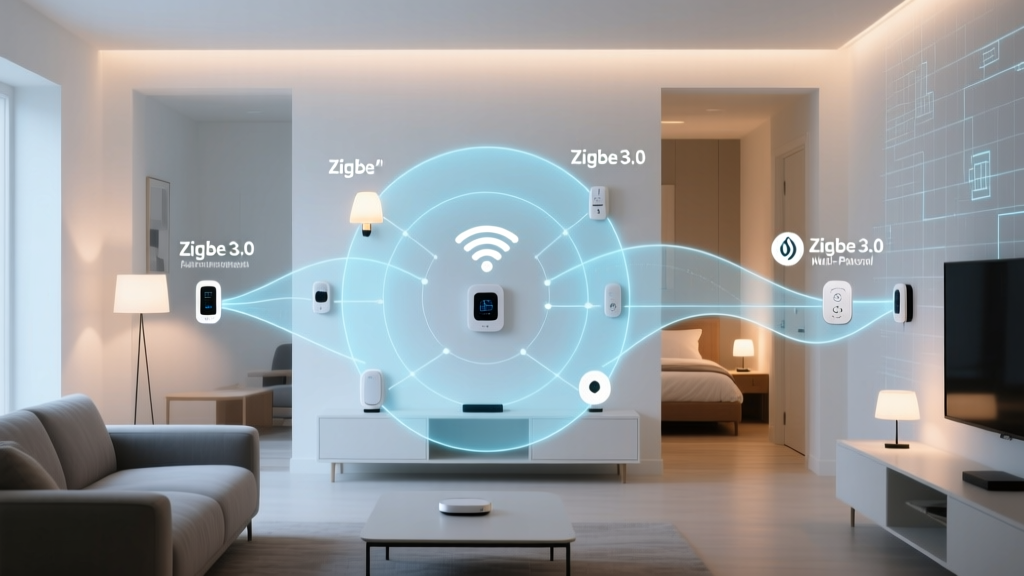
Solution: Use an RF analyser or Wi-Fi analyser app to survey the wireless environment before installation. Position hubs and repeaters centrally, away from sources of interference such as microwaves, cordless phones, and thick masonry walls. For Zigbee and Z-Wave networks, ensure you have enough mains-powered devices acting as repeaters to create a robust mesh network. Always test connectivity thoroughly before closing up walls or finalising an installation.
Challenge 4: Compatibility Between Devices & Platforms
One of the most frustrating challenges in smart home installation is discovering that devices from different manufacturers do not communicate properly with each other.
Solution: Before designing any system, verify compatibility between all planned devices and the chosen control platform. Use manufacturer compatibility lists and community forums to confirm that specific device models work reliably with your chosen hub or controller. Where compatibility is limited, consider using middleware solutions such as Home Assistant, Node-RED, or dedicated bridge devices to enable communication between disparate systems.
Challenge 5: Passing Certification Exams
Some courses have rigorous certification exams that require both theoretical knowledge and practical demonstration. Failing an exam can be costly if you need to retake the course.
Solution: Treat exam preparation as seriously as the course itself. Review all course materials multiple times, practise hands-on tasks until you can complete them without reference materials, and form study groups with fellow students. Many training providers offer practice exams or study guides — use these resources fully. If you do fail, most providers allow retakes at a reduced fee, so do not be discouraged.
Career Opportunities & Next Steps After Certification
Once you have completed your smart home installation course and obtained your certification, a range of career paths open up before you.
Employment Opportunities
- Smart Home Installation Companies: Established AV and smart home companies are actively seeking certified installers. These roles typically offer a salary plus opportunities for commission and overtime.
- Electrical Contractors: Many electrical firms are expanding into smart home services and need staff with specialist training in connected devices and automation.
- Property Developers: High-end property developers increasingly include smart home systems as standard features, creating demand for in-house installation specialists.
- Facilities Management: Commercial buildings, hotels, and care facilities employ smart home technicians to maintain and upgrade their building automation systems.
Self-Employment & Business Ownership
Many certified installers choose to start their own smart home installation businesses. This path offers greater earning potential and flexibility but requires additional skills in business management, marketing, and client relations.
- Register your business with Companies House or as a sole trader with HMRC
- Obtain appropriate insurance including public liability and professional indemnity cover
- Build a portfolio website showcasing your work and certifications
- Develop relationships with local architects, interior designers, and property developers who can refer clients
- Join industry associations such as CEDIA for credibility, networking, and ongoing professional development
Continuing Professional Development
The smart home industry evolves rapidly, with new protocols, products, and standards emerging regularly. Plan to invest in ongoing training throughout your career:
- Attend industry trade shows and exhibitions
- Complete advanced certifications as your experience grows
- Stay informed about changes to UK building regulations and wiring standards
- Explore emerging areas such as energy management, EV charger integration, and AI-powered home automation
Stay up to date with the latest trends and products by exploring our smart home automation guides and security system guides.
Frequently Asked Questions
Do I need to be a qualified electrician to take a smart home installation course in the UK?
No, you do not necessarily need to be a qualified electrician to take a smart home installation course. Many courses, particularly those offered by CEDIA and independent training providers, are designed for beginners and do not require prior electrical qualifications. However, if you plan to carry out work that involves modifying fixed electrical wiring in a property, you must comply with Part P of the Building Regulations in England and Wales. This typically means you either need to be a competent person registered with a scheme such as NICEIC or NAPIT, or you must notify your local building control body before carrying out notifiable electrical work. Many smart home installers partner with qualified electricians for the electrical aspects of their projects while handling the technology configuration and programming themselves.
How much do smart home installation courses cost in the UK?
Course costs vary significantly depending on the provider, duration, and level of certification. Introductory courses from CEDIA or local colleges may cost between £300 and £800 for a one to three-day programme. Manufacturer-specific certifications such as Control4 or KNX Basic courses typically range from £1,000 to £2,500, including examination fees and course materials. Advanced or specialist courses can cost £3,000 or more. Some employers will fund training for their staff, and certain courses may be eligible for government-funded skills schemes or apprenticeship programmes. It is worth contacting the training provider directly to ask about payment plans, early-bird discounts, or group booking rates.
Which smart home certification is most valued by UK employers and clients?
The most valued certification depends on the specific sector you wish to work in. For high-end residential automation, Control4, Crestron, and Savant certifications are highly regarded and often required by premium installation companies. For broader building automation, particularly in commercial and high-specification residential projects, KNX certification is widely recognised across the UK and Europe. CEDIA certifications are valued across the industry as they demonstrate a broad understanding of home technology principles rather than expertise in a single brand. For installers focusing on smart lighting, Lutron certification carries significant weight. The best approach is to research the companies or clients you wish to work with and identify which certifications they value most, then prioritise your training accordingly.
Can I complete smart home installation training entirely online?
While many courses offer online theory components, fully online smart home installation training is rare and generally not recommended. The most effective programmes combine online learning with in-person practical sessions where you work with real equipment under the guidance of experienced instructors. Manufacturer certification courses almost always require attendance at an authorised training centre for hands-on labs and practical assessments. However, you can supplement formal training with online resources such as manufacturer webinars, YouTube tutorials, online forums, and virtual lab environments. Some providers now offer hybrid models where you complete theory modules online at your own pace and then attend a shorter in-person session for practical work and examination.
How long does it take to become a fully qualified smart home installer in the UK?
The timeline varies considerably depending on your starting point and career goals. If you are already a qualified electrician or AV technician, you could complete a foundational smart home course and a manufacturer certification within a few weeks to a few months, allowing you to start taking on basic smart home projects relatively quickly. For complete beginners, building a comprehensive skill set typically takes six months to two years. This might include completing an introductory course, gaining practical experience through an apprenticeship or junior role, obtaining one or more manufacturer certifications, and building a portfolio of completed projects. Remember that becoming truly proficient in smart home installation is an ongoing process — even experienced installers continue learning as new technologies and products emerge. The key is to start with a solid foundation and commit to continuous professional development throughout your career.
Ready to begin your smart home installation journey? Start by exploring our installation guides for hands-on project tutorials, and browse our comprehensive guides to deepen your understanding of smart home technology before enrolling in a formal course.