The Hidden Cost of Decision Fatigue in Modern Life
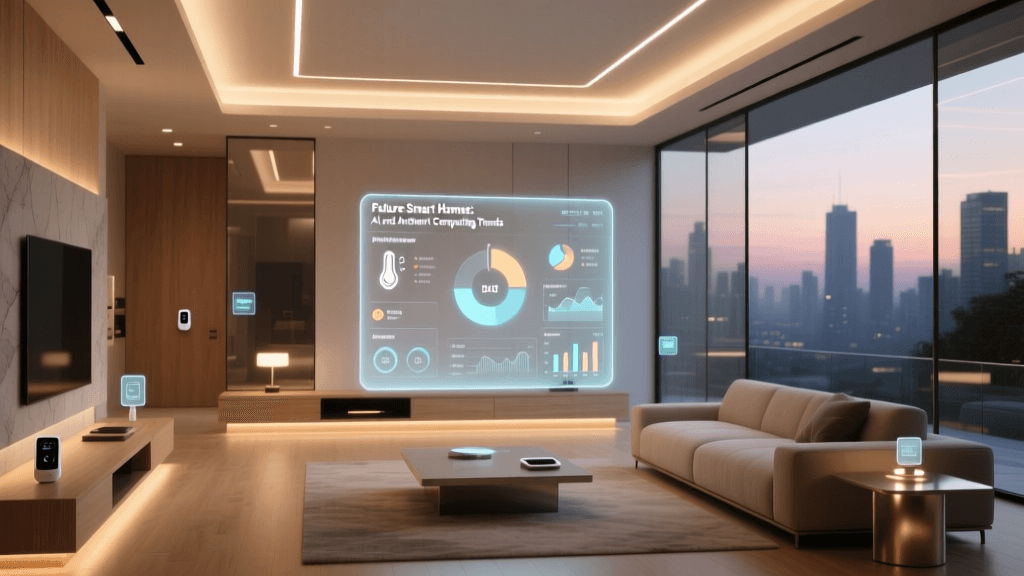
Every day, the average adult makes thousands of micro-decisions. From the moment you wake up, you are bombarded with choices: Should I turn on the lights? What temperature should the house be? Did I remember to lock the back door? This constant stream of minor choices contributes to a psychological phenomenon known as decision fatigue, which depletes your cognitive reserves for more important tasks. Smart home technology, when applied correctly, is not merely a collection of novelty gadgets; it is a powerful infrastructure for reclaiming your time, reducing cognitive load, and aligning your living environment with your biological needs.
By shifting from manual control to automated routines, you transform your home into a proactive partner. Instead of reacting to your environment, your environment anticipates your needs. This comprehensive guide explores how to engineer the perfect morning and evening automations, the specific hardware required, the underlying protocols that make them work, and the tangible return on investment these systems offer.
The Science of Waking Up: Engineering the Perfect Morning
A jarring alarm clock and a pitch-black room are a recipe for morning grogginess, a state scientifically known as sleep inertia. To combat this, smart home automation leverages biology, specifically your circadian rhythm, to wake you up naturally and energetically.
Circadian Lighting and the Kelvin Scale
According to the Sleep Foundation, exposure to specific wavelengths of light dictates the production of melatonin, the hormone responsible for sleep. In the morning, your body requires exposure to bright, blue-enriched light (measured at around 4000K to 5000K on the Kelvin scale) to halt melatonin production and trigger a natural cortisol spike, signaling to your brain that it is time to wake.
To automate this, invest in smart bulbs that support tunable white light. The Philips Hue White and Color Ambiance line (approximately $50 per bulb) is the industry standard, offering seamless transitions. By setting a "Wake Up" routine in your smart home app, you can program your bedroom lights to slowly fade in from 0% to 100% brightness over 30 minutes, shifting from a warm 2200K candlelight glow to a brisk 5000K daylight tone. This mimics a natural sunrise, significantly reducing morning grogginess compared to traditional audio alarms.
Automated Window Treatments
While smart bulbs are effective, nothing replaces actual sunlight. Smart blinds and curtains can be programmed to open precisely at your local sunrise. There are two primary routes for automating window treatments:
- Retrofit Solutions: The SwitchBot Curtain 3 (approx. $100) is a motorized track that attaches to your existing curtain rods. It operates via Bluetooth and Wi-Fi (with a hub) and can be scheduled to open gradually. It is an excellent, non-destructive option for renters.
- Custom Built-Ins: For a premium, seamless look, Lutron Serena shades (starting around $600 per window) integrate directly with the Lutron Caseta ecosystem. They are exceptionally quiet, highly reliable, and offer precise positional control, allowing you to let in just the top sliver of morning light while maintaining privacy.
The Smart Kitchen and Morning Fuel
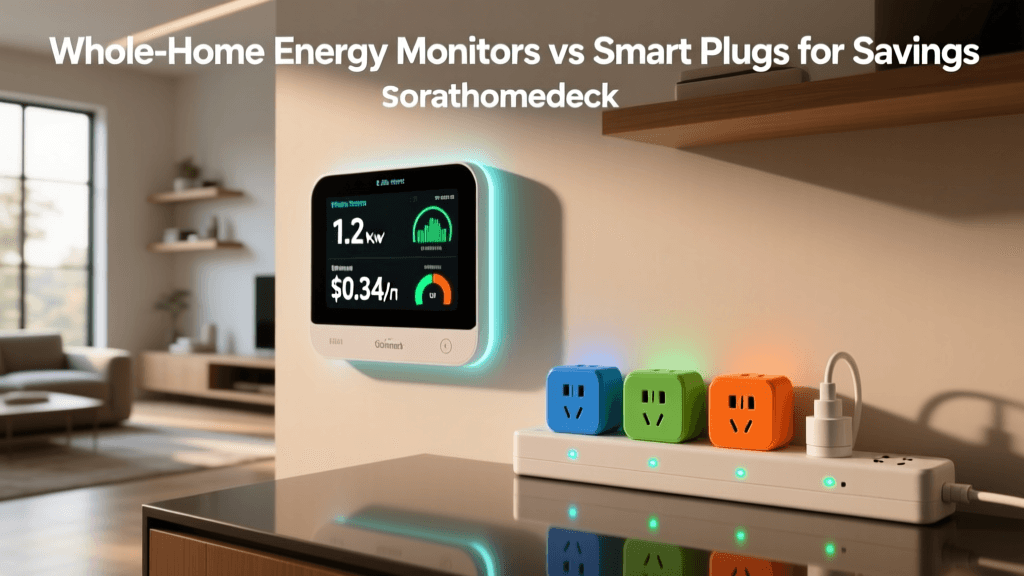
For many, the morning routine is incomplete without coffee. While high-end smart coffee makers exist, you can automate almost any traditional appliance with a mechanical switch using a smart plug. The Kasa Smart Plug Mini (EP25) (approx. $25) features energy monitoring and robust scheduling. By combining a smart plug with a geofencing trigger (which we will discuss later), your coffee maker can begin brewing the exact moment your morning shower ends, ensuring a fresh cup is waiting for you in the kitchen.
The Evening Wind-Down: Preparing for Rest and Security
Just as automation can energize your morning, it is equally vital for signaling to your brain that the day is ending. An effective evening routine transitions your home from a space of productivity to a sanctuary of rest.
Thermal Regulation and Energy Savings
Your core body temperature naturally drops as you prepare for sleep. A bedroom that is too warm will disrupt your REM cycles. The U.S. Department of Energy notes that properly managing your thermostat can save up to 10% a year on heating and cooling costs. A smart thermostat like the Ecobee SmartThermostat Premium (approx. $249) or the Google Nest Learning Thermostat (approx. $249) can automate this thermal transition.
By creating a "Bedtime" routine, you can instruct your thermostat to drop the ambient temperature to an optimal 65°F (18.3°C) at 10:00 PM. Furthermore, these thermostats utilize remote room sensors to ensure the bedroom, not the empty living room, is the priority zone for climate control during the night.
Security and Perimeter Arming
Peace of mind is a prerequisite for deep sleep. Manually checking every window and door lock is a tedious nightly chore. Smart locks, such as the Yale Assure Lock 2 (approx. $250), feature auto-lock functionality that engages the deadbolt 30 seconds after the door closes. Your evening automation routine should include a "Goodnight" command that simultaneously:
- Arms your security system (e.g., Ring Alarm or SimpliSafe) to "Stay" mode.
- Locks all perimeter smart doors.
- Closes the garage door (using a smart garage controller like the Meross MSG100).
- Cuts power to smart plugs connected to hazardous appliances like space heaters or curling irons.
The Invisible Triggers: Moving Beyond Time-Based Schedules
The most common mistake beginners make is relying solely on time-based schedules. If your lights turn on at 6:00 AM, but you are sleeping in on a Saturday, the automation becomes an annoyance. True smart home mastery requires contextual triggers.
Geofencing
Geofencing uses the GPS location of your smartphone to create a virtual perimeter around your home. When the last person leaves the 150-meter radius, the home automates an "Away" sequence (lights off, thermostat to Eco mode, security armed). When the first person crosses the threshold back into the radius, the "Arrive" sequence triggers, turning on the entryway lights and adjusting the climate.
mmWave Presence Detection
Traditional Passive Infrared (PIR) motion sensors only detect movement. If you sit still on the couch reading a book, a PIR sensor will assume the room is empty and turn off the lights. Millimeter-wave (mmWave) radar sensors solve this by detecting micro-movements, including the rise and fall of your chest as you breathe. The Aqara Presence Sensor FP2 (approx. $70) is a premier example. It can map a room into multiple zones, allowing your home to know exactly where you are, keeping the lights on in the reading nook while turning them off in the unoccupied kitchen area.
Ecosystem Compatibility and The Matter Standard
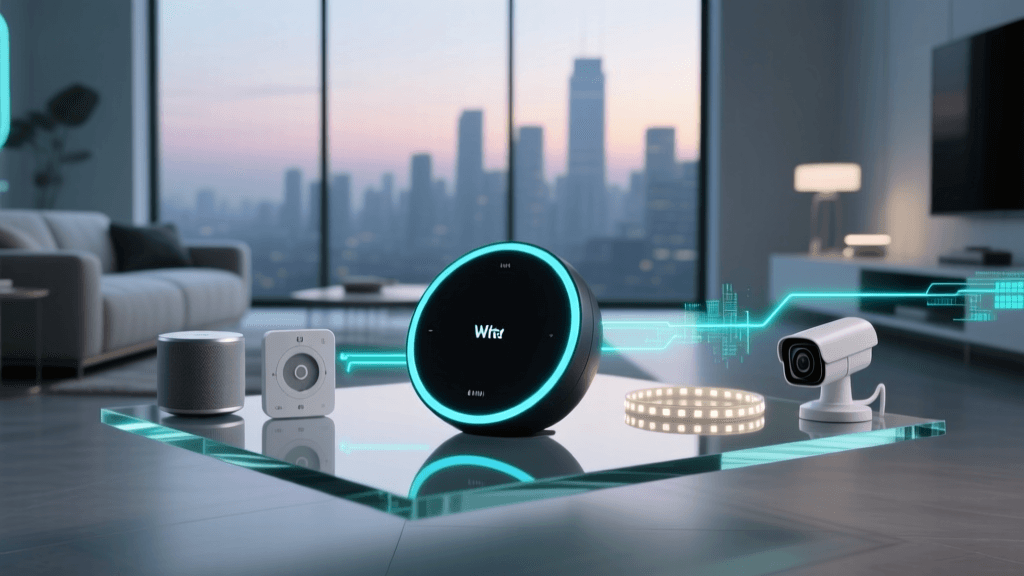
When building daily routines, ensuring your devices can communicate is paramount. Historically, the smart home market was fragmented into proprietary walled gardens. Today, the Connectivity Standards Alliance (CSA) has introduced Matter, an open-source, royalty-free connectivity protocol designed to unify the smart home. When purchasing new devices for your automations, prioritizing Matter-compatible hardware ensures future-proofing and cross-platform reliability.
| Ecosystem | Best For | Protocol Support | Automation Logic Engine |
|---|---|---|---|
| Apple HomeKit | Privacy-conscious users, iPhone owners | Matter, Thread, HomeKit | Highly secure, local processing, intuitive UI |
| Amazon Alexa | Voice control, broad device compatibility | Matter, Zigbee (via Echo), Wi-Fi | Robust routines, extensive third-party skills |
| Google Home | Multi-user households, Nest integration | Matter, Thread, Wi-Fi | Strong AI context awareness, Google Assistant |
| SmartThings | Power users, complex logic, Samsung users | Matter, Zigbee, Z-Wave, Thread | Advanced custom routines, webhooks, API access |
Cost, ROI, and Long-Term Value
While the upfront cost of outfitting a home with smart technology can seem daunting, the return on investment (ROI) manifests in both tangible financial savings and intangible temporal benefits. The chart below illustrates the average upfront costs of core automation categories compared to their estimated annual value in energy savings, insurance discounts, and time reclaimed.
Upfront Cost vs Annual Value of Smart Home Automations
As visualized, smart thermostats and security systems offer the fastest financial payback periods. The U.S. Department of Energy's data supports the thermostat savings, while many home insurance providers offer premium discounts of up to 15% for homes equipped with monitored smart security and leak detection systems. However, the true ROI of circadian lighting and smart blinds is measured in improved sleep quality, enhanced focus, and the elimination of daily friction.
Step-by-Step Implementation Guide for Beginners
If you are ready to transform your daily routine, follow this phased approach to avoid overwhelm:
- Audit Your Friction Points: Spend three days noting which repetitive tasks annoy you the most. Is it adjusting the thermostat? Turning off the downstairs lights? Focus your first automation budget here.
- Choose Your Primary Ecosystem: Select one central hub (Apple Home, Google Home, or SmartThings) based on your smartphone preference and commit to it. Avoid mixing ecosystems for core logic.
- Start with Lighting and Plugs: Smart bulbs and plugs are low-cost, high-impact entry points. Set up a basic "Good Morning" and "Good Night" lighting schedule.
- Introduce Contextual Triggers: Once comfortable with time-based schedules, upgrade to geofencing and motion/presence sensors to make your home truly reactive to your lifestyle.
Conclusion
Smart home technology fundamentally changes daily life not by adding more screens to look at, but by removing the need to look at screens at all. By thoughtfully automating your morning wake-up sequence and your evening wind-down routine, you align your home's environment with your biological needs. The result is a living space that conserves energy, secures your property, and most importantly, gives you back the time and mental clarity to focus on what truly matters.