The concept of the home gym has undergone a radical transformation. Gone are the days when a home workout space simply meant a dusty treadmill in the corner of the garage or a rack of static iron weights in the basement. Today, the intersection of fitness and technology has given rise to the smart home gym—a fully integrated, data-driven environment designed to optimize your health, track your biometrics, and seamlessly connect with your broader home automation ecosystem.
Whether you are a seasoned athlete looking to optimize your training variables or a beginner seeking the gamified motivation needed to build a consistent habit, upgrading your workout space with intelligent technology is a game-changer. In this comprehensive guide, we will explore the essential components of a smart home gym, how to design your space for maximum technological efficiency, and how to integrate your fitness routine with your broader smart home network. If you are just starting your automation journey, you may want to brush up on our smart home basics guide before diving into the deep end of connected fitness.
What Makes a Home Gym "Smart"?
A traditional home gym is defined by its mechanical resistance—gravity, friction, and physical weight. A smart home gym, on the other hand, is defined by its data. The "smart" designation applies to fitness environments that utilize the Internet of Things (IoT), artificial intelligence (AI), and advanced telemetry to create a responsive, personalized workout experience.
At the core of a smart gym is biometric feedback. Modern equipment is equipped with optical sensors, force plates, and Bluetooth Low Energy (BLE) receivers that communicate directly with wearable devices like smartwatches and chest straps. This allows the equipment to adjust resistance in real-time based on your heart rate, heart rate variability (HRV), and muscle output.
Furthermore, smart gyms leverage AI-driven form correction. Using built-in cameras and pose-estimation algorithms, smart mirrors and connected screens can analyze your biomechanics during a squat or deadlift, providing real-time audio and visual cues to prevent injury and maximize muscle engagement. This level of interactive coaching was once reserved for elite athletes working with professional strength & conditioning coaches, but it is now accessible in the modern smart home.
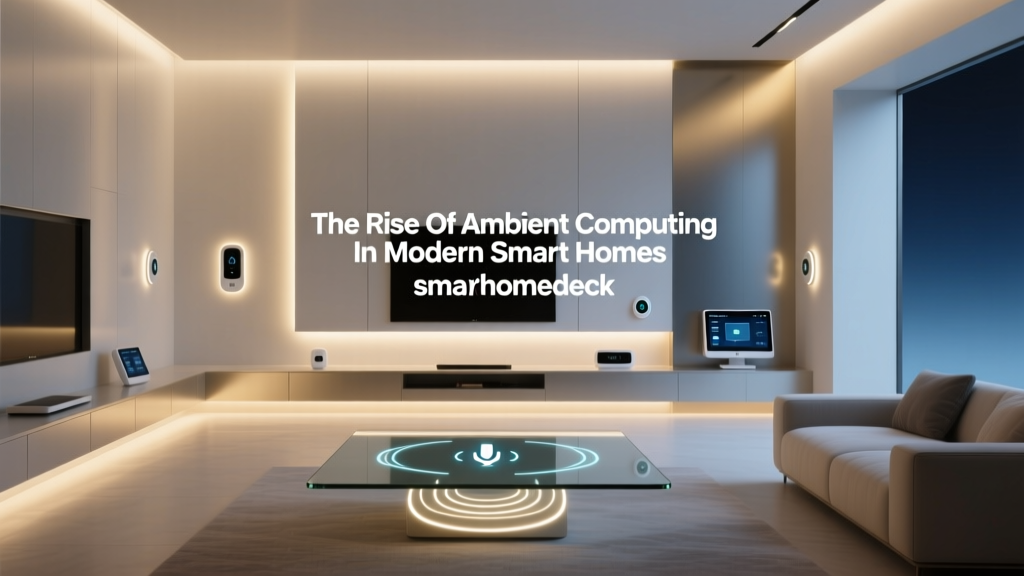
Finally, a true smart gym is ecosystem-aware. It does not exist in a vacuum; it communicates with your home's network, triggering environmental changes like adjusting the thermostat, dimming the lights, or queuing up a high-BPM playlist the moment you step onto the workout mat.
Essential Smart Fitness Equipment
Building your connected fitness space requires selecting equipment that prioritizes software integration just as much as hardware durability. Here are the primary categories of smart fitness technology to consider for your setup.
Connected Cardio Machines
Smart treadmills, indoor cycling bikes, and rowing machines have evolved far beyond simple LCD screens that display distance and time. Modern connected cardio equipment features immersive, high-definition touchscreens that offer virtual terrain mapping. When you run through a virtual trail in the Swiss Alps, the machine's motor automatically adjusts the incline and decline to match the digital topography. Many of these machines also support automatic resistance adjustments based on the live output of your heart rate monitor, ensuring you stay in the optimal cardio zone for your specific daily goals.
Digital Strength Training Systems
Perhaps the most significant leap in home fitness technology is the advent of digital weight systems. Instead of relying on physical iron plates, these sleek, wall-mounted or freestanding units use electromagnetic resistance to simulate weight. According to research highlighted by the National Strength and Conditioning Association, velocity-based training is highly effective for muscle hypertrophy and power development. Digital strength systems excel here, as they can measure the exact velocity of your bar path and automatically reduce the weight (spotter mode) if they detect you are struggling to complete a rep, ensuring safety without a human spotter.
Smart Fitness Mirrors
For those with limited space, smart mirrors offer an elegant solution. When turned off, they function as a standard, high-quality wall mirror. When activated, the two-way glass reveals a high-definition display that streams live and on-demand classes. The built-in cameras utilize skeletal tracking to overlay your digital skeleton on the screen, comparing your joint angles to those of the instructor to provide instant form corrections.
Wearables & Smart Scales
No smart gym is complete without personal telemetry. Smart scales that measure body composition via bioelectrical impedance analysis (BIA), combined with advanced wearables that track sleep quality, HRV, and blood oxygen levels, provide the foundational data that your smart gym equipment uses to recommend your daily workout intensity.
Designing Your Space for Tech & Fitness
Integrating high-end technology into a space dedicated to sweat, heavy impacts, and temperature fluctuations requires careful planning. A smart home gym demands robust infrastructure to ensure your devices perform flawlessly.
Network Infrastructure & Connectivity
Smart fitness equipment requires a stable, high-bandwidth internet connection to stream 4K workout classes and sync telemetry data to the cloud. A standard router in another room will likely result in buffering and dropped Bluetooth connections. It is highly recommended to install a dedicated mesh Wi-Fi node in your gym space. Furthermore, because smart gyms generate a high volume of local network traffic between wearables, equipment, and smart home hubs, utilizing a Wi-Fi 6 router will ensure low latency and reliable connections for all your IoT devices.
Smart Climate Control & Ventilation
Working out generates significant heat and humidity, which can be detrimental to sensitive electronic screens and internal computer components. Integrating your gym with your smart climate control system is crucial. You can create an automation routine that drops the room temperature by five degrees and turns on smart ceiling fans ten minutes before your scheduled workout time. Post-workout, smart humidity sensors can trigger your HVAC system to dehumidify the space, protecting your digital strength systems from moisture-induced corrosion.
Lighting & Ambiance
Lighting plays a massive role in workout psychology and performance. By following the principles outlined in our smart lighting guide, you can install color-changing LED strips and smart bulbs that adapt to your training modality. For high-intensity interval training (HIIT) or heavy lifting, you can program the lights to shift to cool, bright daylight tones (5000K) to promote alertness and focus. For yoga, mobility work, or cool-down stretching, the lights can automatically transition to warm, dim amber hues to stimulate the parasympathetic nervous system and aid in recovery.
Power Management & Protection
Smart treadmills and digital weight machines draw significant power, especially during peak motor usage. Ensure your gym is on a dedicated electrical circuit to prevent tripped breakers. Additionally, because these machines contain sensitive motherboards and touchscreens, they must be protected by high-quality surge protectors or an Uninterruptible Power Supply (UPS) to prevent data corruption or hardware damage during electrical storms.
The Data: How Smart Gyms Improve Fitness Outcomes
The primary advantage of a smart home gym is not just convenience; it is the profound impact that data tracking and gamification have on human psychology and habit formation. Traditional home gyms suffer from notoriously high abandonment rates. Without the social pressure of a commercial gym or the financial commitment of a personal trainer, it is easy to let a home workout routine slide.
Smart fitness platforms combat this through gamification, digital leaderboards, and streak tracking. By turning fitness into an interactive, data-rich experience, users are significantly more likely to maintain their routines. The American College of Sports Medicine consistently ranks wearable technology and digital fitness tracking among the top global fitness trends, noting that real-time data feedback drastically improves user adherence to exercise programs.
As the data visualization above illustrates, users engaged with a connected smart home gym ecosystem show a dramatically higher long-term retention rate compared to those using traditional, non-connected home equipment. The combination of AI coaching, social accountability features, and automated progress tracking removes the friction from workout planning, allowing the user to focus entirely on execution.
Integrating Your Gym with Your Smart Home Ecosystem
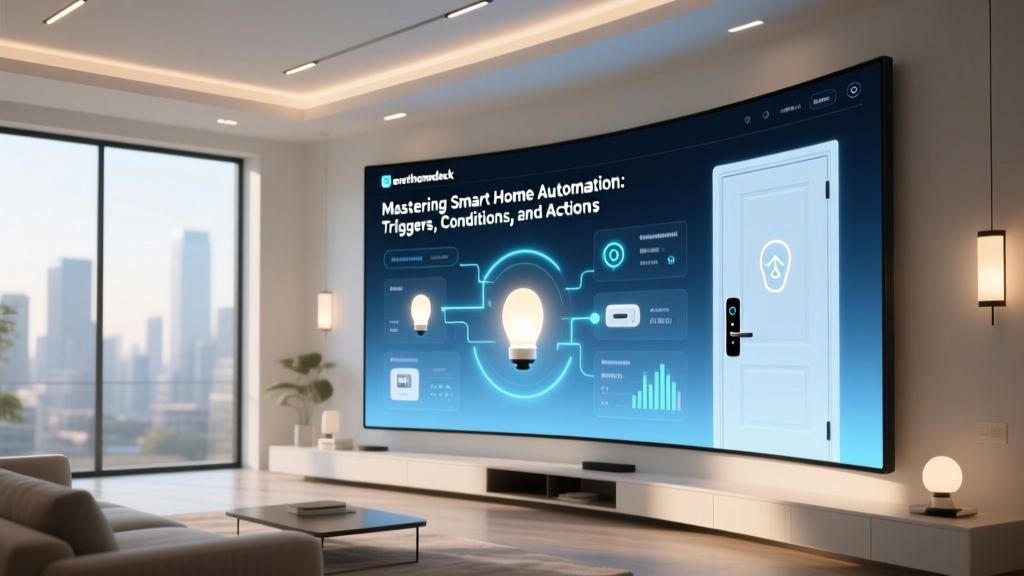
The true magic of a smart home gym is realized when it communicates with the rest of your home. Using platforms like Apple HomeKit, Google Home, Amazon Alexa, or the new Matter protocol, you can create seamless automation routines that bridge the gap between your living space and your training space.
The "Start Workout" Routine
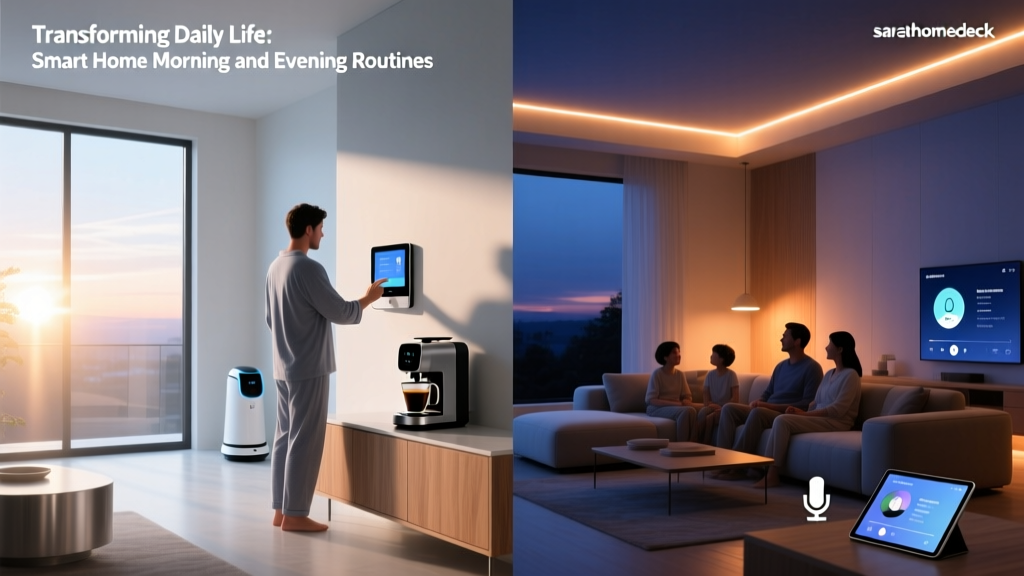
Imagine saying, "Hey Siri, start my gym routine," as you walk into the room. Instantly, your smart home hub executes a cascade of actions: the smart blinds lower to reduce screen glare on your digital weight system, the lights shift to an energizing cool white, your smart speaker begins playing your curated high-tempo workout playlist, and your home security setups automatically lock the exterior doors and arm the perimeter sensors so you can train in total privacy and peace.
Recovery & Post-Workout Automations
When your wearable device detects that your workout has ended and your heart rate has returned to its resting baseline, it can trigger a "Recovery Routine." The gym lights can slowly fade out, the HVAC system can switch to an air-purification mode to clear out odors, and your smart kitchen display can pull up a recipe for a post-workout protein shake based on the exact caloric expenditure recorded by your smart treadmill.
Voice-Assisted Coaching
Smart speakers placed in the gym can do more than play music. You can use voice assistants to log your sets, ask for conversions between kilograms and pounds, set interval timers for Tabata circuits, or even ask for real-time advice on modifying an exercise if you are feeling joint pain. This hands-free interaction is essential when your hands are chalked up or gripping heavy dumbbells.
Frequently Asked Questions
Is a smart home gym worth the investment?
For individuals who value data, convenience, and personalized coaching, a smart home gym is absolutely worth the investment. While the upfront cost of digital strength systems and connected cardio equipment is higher than traditional iron, the long-term savings on commercial gym memberships, commuting time, and personal training fees often offset the initial expense. Furthermore, the space-saving nature of wall-mounted smart mirrors and digital weight racks makes them highly efficient for modern homes.
Do I need a special Wi-Fi network for my smart gym equipment?
You do not necessarily need a completely separate network, but you do need a robust one. Smart fitness equipment requires a strong, consistent signal to stream high-definition video and sync biometric data without latency. We highly recommend utilizing a mesh Wi-Fi system with a dedicated node in your workout space. Additionally, placing your IoT fitness devices on a dedicated 2.4GHz or 5GHz band, separate from your high-bandwidth streaming devices, can prevent network congestion during peak usage hours.
Can I use smart gym equipment without a subscription?
This depends heavily on the manufacturer. Many premium smart fitness brands operate on a "hardware plus software" business model, meaning the equipment is heavily restricted or essentially "bricked" without an active monthly subscription to their content library and AI coaching features. However, some digital weight systems and smart treadmills offer a "freestyle" or "manual" mode that allows you to adjust resistance and track basic metrics without a subscription, though you will miss out on the interactive classes and advanced telemetry dashboards.
How do I maintain and clean smart fitness screens?
Smart fitness screens are highly sensitive to moisture and harsh chemicals. Never spray cleaning solutions directly onto the screen, as liquid can seep into the bezels and destroy the internal electronics. Instead, use a dry, lint-free microfiber cloth to wipe away dust and fingerprints. For sanitization after a sweaty workout, lightly mist a microfiber cloth with a 70% isopropyl alcohol solution or a dedicated electronics-safe screen cleaner, and gently wipe the surface. Ensure the room is well-ventilated to prevent humidity buildup around the device's cooling vents.