The Evolution of the Short-Term Rental Experience
The short-term rental market has undergone a massive transformation over the last decade. What was once a budget-friendly alternative to traditional hotels has evolved into a highly competitive, experience-driven hospitality sector. Today, travelers expect the same level of convenience, security, and technological integration in a vacation rental as they would find in a luxury boutique hotel. For hosts and property managers, creating a smart guest room is no longer just a novelty; it is a fundamental strategy for securing five-star reviews, reducing operational overhead, and protecting the physical property.
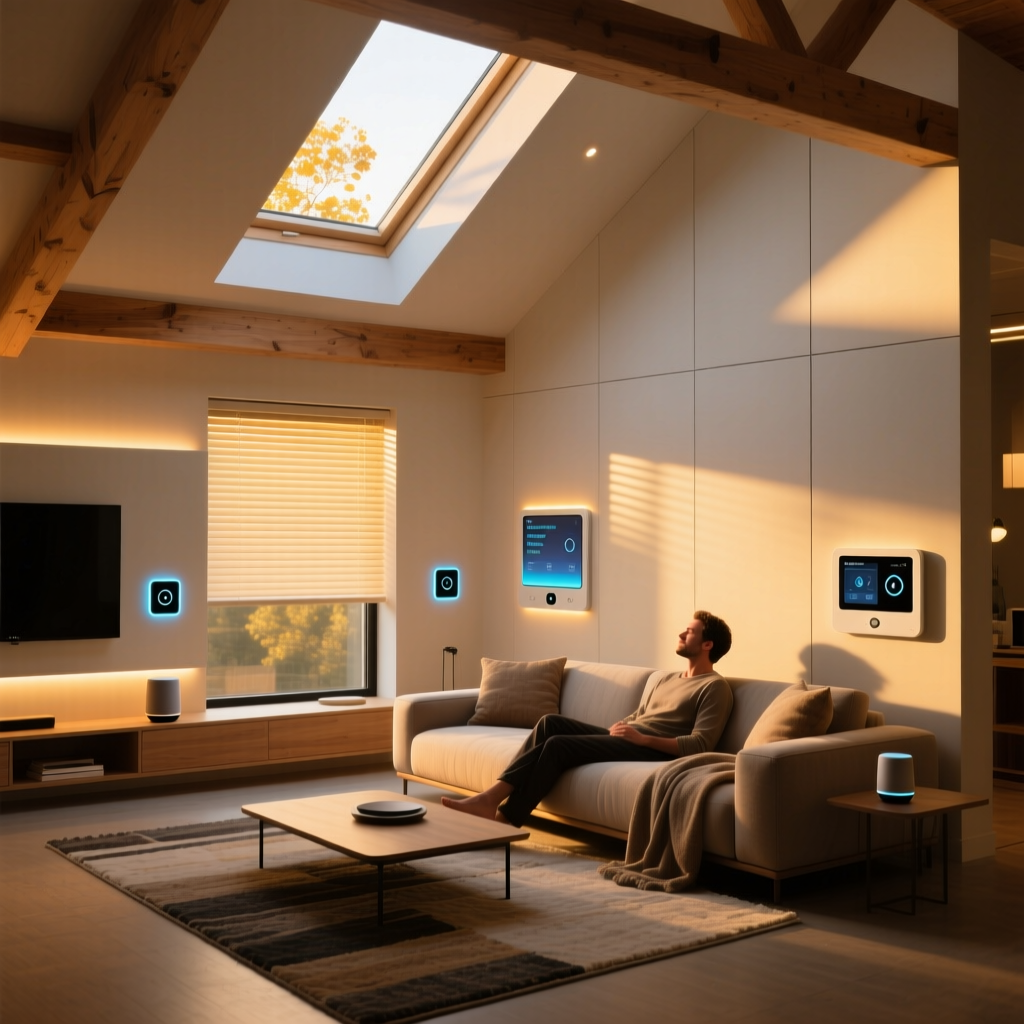
When you outfit a guest room or an entire short-term rental property with smart home technology, you are essentially building an automated concierge service. From keyless entry that eliminates the stress of lost keys or late-night lockouts, to intelligent climate control that saves money while ensuring the space is perfectly tempered upon arrival, smart devices bridge the gap between host and guest. However, designing a smart setup for transient guests requires a fundamentally different approach than designing one for your primary residence. You must prioritize reliability, privacy, ease of use, and remote management capabilities above all else.
In this comprehensive guide, we will break down the ultimate smart guest room setup, exploring specific device recommendations, budget tiers, automation routines, and the critical privacy considerations every host must navigate.
Core Smart Devices for the Guest Room Ecosystem
Building a cohesive smart home ecosystem for a rental property requires selecting devices that not only perform well but also integrate seamlessly with property management software (PMS) like Hospitable, Guesty, or Ownerrez. Let us explore the core categories of devices you need to implement.
Smart Locks and Keyless Access Control
The foundation of any short-term rental smart setup is the smart lock. Physical key exchanges are a logistical nightmare and a major security risk. A high-quality smart lock allows you to generate unique, time-bound PIN codes for every guest, cleaner, and maintenance worker.
- Top Pick: Schlage Encode Plus. This lock features built-in Wi-Fi, meaning it does not require an external hub to connect to your network. More importantly, it supports Apple Home Key, allowing guests with Apple devices to tap their phone or watch to unlock the door.
- Alternative: Yale Assure Lock 2. Sleek, reliable, and available with Wi-Fi or Z-Wave modules, making it highly versatile for different hub setups.
Installation Tip: Always ensure your door is properly aligned before installation. A misaligned deadbolt will drain the smart lock batteries in weeks and cause guest lockouts. Budget between $250 and $350 per door for a premium, rental-grade smart lock.
Climate Control and Energy Management
Heating and cooling represent the largest variable utility costs in a short-term rental. Guests frequently leave the air conditioning running at 65 degrees while opening windows or leaving the property for the day. Smart thermostats solve this by utilizing occupancy sensors and geofencing.
- Top Pick: Ecobee Smart Thermostat Premium. The Ecobee ecosystem uses remote room sensors to detect occupancy and adjust temperatures accordingly. If the property is empty, it automatically shifts to an eco-mode.
- Alternative: Google Nest Learning Thermostat. Excellent for its intuitive interface and robust energy-saving algorithms.
According to the U.S. Department of Energy, smart thermostats can significantly reduce HVAC energy waste by automatically adjusting temperatures based on your daily schedule and occupancy. Furthermore, the Environmental Protection Agency's ENERGY STAR program notes that certified smart thermostats can save users roughly 8% on heating and cooling bills, a margin that scales dramatically when applied to multiple rental properties.
Lighting and Ambiance
Lighting sets the mood and can make a space feel significantly larger and more inviting. However, guests often struggle with complex smart lighting apps. The secret to rental lighting is to use smart switches rather than just smart bulbs, ensuring the physical wall switch always works.
- Top Pick: Lutron Caseta Smart Switches. Lutron requires a proprietary hub (the Caseta Smart Bridge), but it is widely considered the most reliable smart lighting system on the market. It operates on a proprietary radio frequency (Clear Connect) that will not congest your Wi-Fi network or drop offline when the internet fluctuates.
- Accent Lighting: Philips Hue Lightstrips behind the headboard or under kitchen cabinets add a luxury hotel feel without requiring complex wiring.
Noise and Environmental Monitoring
Protecting your property from unauthorized parties and noise complaints is paramount, especially in residential neighborhoods. You cannot use indoor security cameras, so you must rely on environmental sensors.
- Top Pick: Minut Smart Home Sensor. This device mounts to the ceiling and monitors noise levels (in decibels), temperature, humidity, and motion. It does not record audio conversations; it only measures sound volume. If noise exceeds a set threshold for a sustained period, it automatically sends an SMS alert to the host and can even send a pre-written, polite text message to the guest asking them to keep the noise down.
Budget Tiers: Starter, Mid, and Pro Setups
Not every host has the capital to fully automate a property on day one. Below is a structured breakdown of three budget tiers to help you scale your smart guest room setup based on your investment capacity.
| Setup Tier | Estimated Cost (Per Room/Unit) | Core Devices Included | Best For |
|---|---|---|---|
| Starter | $350 - $500 | Wi-Fi Smart Lock, Smart Plug for Lamps, Basic Wi-Fi Noise Monitor | New hosts testing the waters; single spare-room rentals. |
| Mid-Tier | $800 - $1,200 | Hub-based Smart Lock, Smart Thermostat, Lutron Caseta Lighting (Entry/Living), Minut Sensor | Dedicated Airbnb/VRBO hosts looking to automate operations and save energy. |
| Pro | $2,000 - $3,500+ | Full Lutron Caseta System, Ecobee with Room Sensors, Smart Blinds, Minut, Matter-compatible Hub Infrastructure | Property management companies and luxury vacation rentals demanding 5-star reliability. |
Visualizing the Return on Investment (ROI)
Investing in smart home technology for a short-term rental is not just about convenience; it is a financial decision. By reducing energy waste, preventing property damage from unauthorized parties, and eliminating the need for physical key replacements or emergency locksmith calls, these devices pay for themselves. The chart below illustrates the estimated average annual ROI across different smart device categories in the short-term rental sector.
ROI of Smart Devices in Short-Term Rentals
As the data suggests, noise monitors and smart thermostats yield the highest financial return. A single prevented party can save thousands of dollars in property damage and lost revenue, while a smart thermostat consistently shaves dollars off every monthly utility bill.
Essential Automation Routines for a Five-Star Experience
The true magic of a smart guest room lies in automation. By using platforms like Apple HomeKit, Samsung SmartThings, or IFTTT, you can create routines that run the property on autopilot.
The "Welcome" Routine (Check-In)
Triggered when the guest's unique smart lock PIN is entered for the first time between 3:00 PM and 11:00 PM.
- The entryway and living room lights turn on to 80% brightness.
- The smart thermostat adjusts to a comfortable 72°F (22°C).
- A smart speaker (placed in the living area) plays soft, welcoming acoustic music for 20 minutes before turning off.
- The Wi-Fi network automatically sends a welcome SMS with the network password and a link to the digital guidebook.
The "Departure" Routine (Check-Out)
Triggered automatically at 11:00 AM on the day of check-out, or when the smart lock is locked from the outside and no motion is detected for 30 minutes.
- All interior lights turn off.
- The thermostat shifts to Eco-Mode (e.g., 78°F in summer, 62°F in winter).
- An automated notification is sent to your cleaning crew via your PMS, confirming the guest has departed and the unit is ready for turnover.
The "Privacy & Sleep" Routine
Guests must feel entirely in control of their environment. Provide a physical "Goodnight" button (a Lutron Pico remote on the nightstand) that turns off all lights, locks the front door, and lowers the smart blinds without the guest needing to open a single app.
Navigating Privacy and Security Compliance
When integrating technology into a space where people sleep and live, privacy is your most critical liability. The National Institute of Standards and Technology (NIST) emphasizes that IoT device security and user privacy must be foundational, not an afterthought. In the context of short-term rentals, this translates to strict rules regarding surveillance and data collection.
The Golden Rule of Rental Privacy: Never install cameras, microphone-enabled recording devices, or any hidden surveillance equipment indoors. Period.
Major platforms like Airbnb and VRBO have strict, zero-tolerance policies regarding indoor surveillance. If a guest discovers a hidden camera, you will be permanently banned from the platform and could face severe legal repercussions. Outdoor cameras (like a Ring Doorbell) are generally acceptable but must be explicitly disclosed in your listing description before booking.
When using noise monitors like Minut, transparency is key. Include a section in your digital guidebook and listing description explaining that the property uses a decibel-monitoring device to ensure neighborhood noise ordinances are respected. Reassure guests that the device does not record audio conversations, but merely measures sound volume levels, similar to a smoke detector.
Network Architecture and Installation Tips
A smart home is only as reliable as the network it runs on. Guests should never be asked to troubleshoot your IoT devices, nor should their personal devices interfere with your property's operations.
- Use a Dedicated IoT Network: Most modern mesh routers (like Eero or TP-Link Deco) allow you to create a separate "IoT VLAN" or guest network. Connect all your smart locks, thermostats, and sensors to this dedicated 2.4GHz network. This keeps your devices secure and ensures that if a guest downloads a massive file on the main Wi-Fi, your smart lock will not go offline.
- Hardwire When Possible: If your property is under construction or renovation, run Ethernet cables to your smart hubs and Wi-Fi access points. Wireless mesh is great, but hardwired backhauls eliminate dead zones in large vacation homes.
- Physical Overrides: Always provide physical, analog ways to control the room. If the internet goes down, a guest must still be able to turn off the lights (hence the recommendation for Lutron smart switches over smart bulbs) and adjust the temperature via the physical dial on the thermostat.
Design and Aesthetic Considerations
Technology should enhance the design of the guest room, not clutter it. Avoid placing bulky smart home hubs, tangled wires, or flashing LED lights on the nightstand or living room console.
Choose devices with neutral, minimalist aesthetics. The Ecobee and Nest thermostats act as sleek pieces of modern wall art. For smart speakers, opt for fabric-wrapped models like the Apple HomePod mini or Sonos Era 100, which blend seamlessly into bedroom decor. Hide your internet routers, smart hubs, and cable modems in a ventilated, locked closet or a piece of hollowed-out decorative furniture to prevent curious guests or children from unplugging critical infrastructure.
Conclusion: Elevating the Guest Experience
Transforming your guest room or short-term rental into a smart home is a strategic investment that yields dividends in the form of glowing reviews, operational efficiency, and long-term cost savings. By carefully selecting reliable, hub-supported devices, prioritizing guest privacy, and designing intuitive automation routines, you create an environment where technology feels like magic rather than a chore. Whether you are starting with a simple smart lock and noise monitor or outfitting a luxury villa with automated blinds and whole-home audio, the ultimate goal remains the same: providing a seamless, secure, and unforgettable stay for every guest who walks through your door.