The Ultimate Whole-Home Automation Blueprint
Building a smart home is no longer about buying isolated, novelty gadgets; it is about creating a cohesive, automated ecosystem that anticipates your needs and adapts to your lifestyle. A true whole-home automation plan requires a strategic, room-by-room approach. Instead of haphazardly placing smart speakers and bulbs, this blueprint guides you through optimizing each space for energy efficiency, security, and comfort. By leveraging modern standards like Matter and Thread, you can ensure that your living room entertainment system talks seamlessly to your bedroom climate control. In this comprehensive guide, we break down the ultimate room-by-room automation plan, complete with specific product recommendations, budget tiers, design considerations, and master routines that tie everything together.
The Foundation: Network and Ecosystem
Before diving into individual rooms, the backbone of your whole-home automation plan must be established. A robust network is non-negotiable. We recommend upgrading to a Wi-Fi 6 Mesh system, such as the Eero Pro 6E or TP-Link Deco XE75, capable of handling 100+ concurrent IoT devices without bottlenecking your streaming bandwidth.
Furthermore, the ecosystem you choose dictates your hardware compatibility. With the rollout of the Matter standard, spearheaded by the Connectivity Standards Alliance, cross-brand compatibility is finally a reality. According to the CSA Matter overview, devices bearing the Matter logo can communicate locally over Thread or Wi-Fi, reducing cloud dependency and latency. For the hub, consider an Apple TV 4K (for HomeKit users) or a Home Assistant Green server (for advanced, privacy-focused users) to act as the central Thread border router and Matter controller.
Living Room: Entertainment and Ambiance
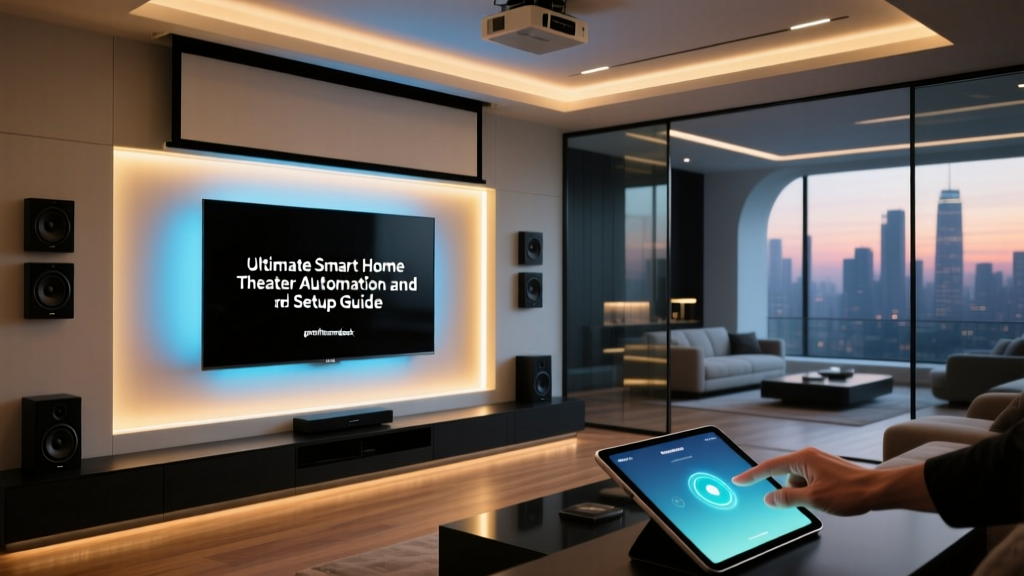
The living room is the hub of entertainment and relaxation. Your automation plan here should focus on ambiance, media control, and climate management.
- Lighting: Ditch standard smart bulbs for architectural lighting. Install the Philips Hue Gradient Lightstrip (approx. $200) behind your media console and TV to create immersive bias lighting that syncs with on-screen action via the Hue Sync Box. For overhead lighting, use Lutron Caseta dimmers. They are rock-solid, do not require a neutral wire in most older homes, and integrate with virtually every smart home platform.
- Climate: The Ecobee SmartThermostat Premium ($249) is the gold standard. Not only does it feature built-in Alexa and a sleek glass interface, but its remote room sensors ensure that the living room remains at the perfect 72°F during movie night, even if the hallway thermostat reads differently. According to ENERGY STAR, certified smart thermostats can save homeowners an average of 8% on heating and 10% on cooling bills annually.
- Audio: A Sonos Arc soundbar paired with a Sonos Sub provides cinema-quality audio. Using the Sonos app, you can automate the system to lower the volume automatically if a smart doorbell rings or if the system detects that it is past 10:00 PM on a weeknight.
Kitchen: Safety and Culinary Convenience
The kitchen demands a focus on safety, hands-free convenience, and appliance monitoring.
- Safety: Water damage is a homeowner's worst nightmare. Place an Eve Water Guard ($79) or Aqara Water Leak Sensor ($29) under the sink and behind the dishwasher. If a leak is detected, these sensors can trigger a smart water shutoff valve, like the Moen Flo, to instantly cut the water supply and send a critical alert to your phone.
- Convenience: Install a Moen Smart Faucet with Motion Control ($300+). When your hands are covered in raw chicken or dough, a simple wave activates the water flow. You can also use voice commands via Siri or Alexa to dispense exact measurements, such as "dispense one cup of water."
- Ambiance & Info: Mount a Google Nest Hub Max or an iPad Pro on a magnetic under-cabinet mount. This serves as your digital recipe book, family calendar, and intercom. Use smart plugs to automate the coffee maker, ensuring a fresh pot is brewing the moment your morning alarm goes off.
Bedroom: Circadian Rhythms and Rest
The bedroom automation plan must prioritize circadian rhythms, sleep quality, and minimal disruption.
- Lighting: Circadian lighting is crucial for melatonin production. Use Nanoleaf Skylights or smart bulbs programmed to shift from cool, energizing daylight (5000K) in the morning to warm, amber tones (2200K) in the evening. Avoid harsh overhead lights; instead, use smart LED strips under the bed frame that activate at 10% brightness when motion is detected at night, guiding you to the bathroom without blinding you.
- Window Treatments: Motorized blinds are a game-changer for sleep hygiene. The SwitchBot Curtain Rod 2 ($99) is a budget-friendly, retrofit solution that quietly opens your blinds at sunrise to wake you naturally. For a premium, hardwired solution, Lutron Serena shades offer unparalleled precision and silence.
- Sleep Tracking: The Eight Sleep Pod 4 ($2,000+) is a premium smart mattress cover that uses biometric sensors to track your heart rate, respiratory rate, and sleep stages. More importantly, it actively regulates the bed's temperature, cooling you down as you fall asleep and warming you up before your alarm sounds.
Bathroom: Comfort and Water Conservation
The bathroom is often overlooked in smart home plans, but it offers unique opportunities for comfort and water conservation.
- Water Conservation: The EPA WaterSense program highlights that upgrading to efficient showerheads saves thousands of gallons of water annually. Pair a low-flow showerhead with a smart shower valve like the Kohler Anthem, which allows you to preset your exact preferred temperature and pause the water while you lather, saving both water and heating costs.
- Comfort & Ventilation: Humidity leads to mold. Install a smart switch on your bathroom exhaust fan, paired with an Aqara Temperature and Humidity Sensor. Create an automation that automatically turns on the exhaust fan when humidity spikes above 65% during a hot shower, and leaves it running for 15 minutes after you leave to ensure the room is completely dry.
- Audio: For morning routines, the Kohler Moxie showerhead ($150) features a built-in, waterproof Bluetooth speaker that magnetically detaches for charging, allowing you to listen to your morning news briefing while getting ready.
Outdoor and Garage: Security and Curb Appeal
Securing the perimeter and automating entry points are critical components of the whole-home plan.
- Garage: The garage door is the most frequently used entry point. The Meross MSG100 Smart Garage Door Opener ($49) is an affordable, reliable add-on that works with your existing motor. It uses a magnetic sensor to verify the door's exact position, allowing you to check its status remotely and set up geofencing routines that automatically close the door when your phone leaves the property.
- Security & Lighting: Replace standard porch lights with Ring Floodlight Cam Wired Pro ($249) or Philips Hue Outdoor Discover Floodlights. Hue outdoor lights can be integrated into your indoor lighting scenes, turning the exterior of your home a warm amber during the holidays or flashing red if an exterior security camera detects a person after midnight.
- Entry: Upgrade your front door with the Yale Assure Lock 2 ($279). It is sleek, key-free, and supports Matter over Thread, ensuring ultra-fast, reliable unlocking via your smartphone or smartwatch without relying on Wi-Fi.
Design and Aesthetic Considerations
A common pitfall in whole-home automation is the proliferation of ugly plastic sensors and mismatched switches. To maintain a high-end aesthetic:
- Hide Sensors: Use recessed door/window sensors or paintable Zigbee sensors that blend into baseboards and door frames.
- Match Finishes: When choosing smart switches like Lutron Caseta or Leviton Decora, ensure the faceplates match your home's architectural style (e.g., matte black for modern homes, gloss white for traditional).
- Consolidate Control: Avoid wall clutter by replacing banks of four or five switches with a single smart keypad (like the Lutron Pico or Hue Dimmer) that controls multiple scenes with one button press.
Budget Tiers: Starter, Mid, and Pro
Planning your budget is essential. Below is a breakdown of estimated costs per room based on the tier of equipment you choose.
| Room | Starter Tier (Budget) | Mid Tier (Balanced) | Pro Tier (Premium) |
|---|---|---|---|
| Living Room | $350 | $850 | $2,500+ |
| Kitchen | $150 | $450 | $1,200+ |
| Bedroom | $200 | $600 | $3,000+ |
| Bathroom | $80 | $250 | $1,500+ |
| Outdoor/Garage | $150 | $550 | $2,000+ |
Master Automation Routines
The true magic of a whole-home automation plan lies in the routines that connect different rooms. Here are three essential automations to implement:
1. The "Good Morning" Routine
- Trigger: 7:00 AM on weekdays, or when the Eight Sleep Pod detects you are awake.
- Bedroom: SwitchBot curtains slowly open over 10 minutes. Lights fade up to 3000K at 50% brightness.
- Kitchen: Smart plug turns on the coffee maker. Nest Hub begins reading the daily calendar and weather.
- Bathroom: Heated floor mat (if installed via smart plug) turns on 15 minutes prior.
2. The "Away Mode" Security Routine
- Trigger: Geofencing detects all family members' phones have left a 1-mile radius.
- Whole Home: Ecobee thermostat sets to Eco mode (68°F/78°F). All interior lights turn off.
- Kitchen/Bathroom: Eve Water Guard arms itself; if a leak is detected, Moen Flo shuts off the main water valve.
- Outdoor: Ring cameras switch to maximum sensitivity. Meross garage door automatically closes if left open.
3. The "Cinema Mode" Routine
- Trigger: Voice command ("Start Movie") or Apple TV turns on.
- Living Room: Lutron Caseta overhead lights fade to 0%. Philips Hue gradient strips turn on to match the movie. Ecobee adjusts temperature down by 2 degrees to compensate for body heat.
- Kitchen/Hallway: Motion sensors are disabled to prevent lights from turning on if someone walks past the living room to get a snack.
Conclusion
A successful whole-home automation plan is a marathon, not a sprint. By following this room-by-room blueprint, you ensure that every device you purchase serves a distinct purpose, integrates seamlessly via Matter or Thread, and enhances your daily life without adding unnecessary complexity. Start with the foundation, prioritize high-traffic areas like the living room and kitchen, and gradually expand your ecosystem. With the right budget tier and master routines in place, your home will transform from a simple living space into an intelligent, responsive environment tailored perfectly to your lifestyle.